

High civilian death rate in Syria fueling refugee crisis — study
Women and children make up 23 percent of deaths in Assad controlled areas, 16 percent in Islamic State enclaves
 Add ToI as a Preferred Source on Google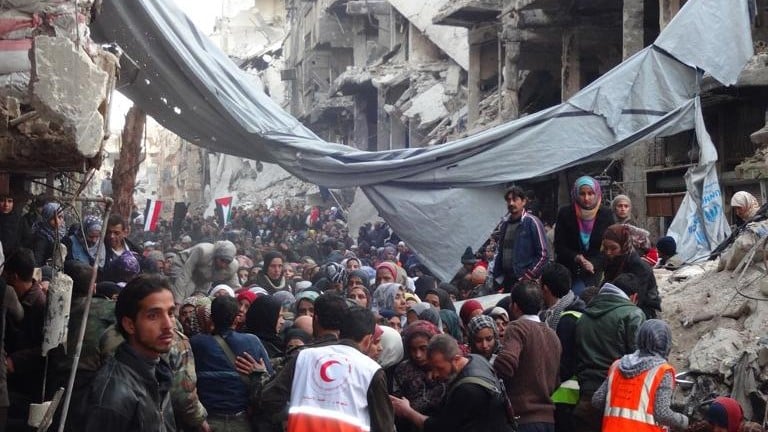
A quarter of the more than 200,000 civilians killed in Syria’s conflict since 2011 have been women and children, and the high rate of non-combatant deaths has likely fueled the refugee crisis, a study released Wednesday said.
The proportion and cause of these civilian deaths differed in government-held and rebel areas, said the study, published in the British Medical Journal.
In zones governed by the regime of Syrian president Bashar Assad, 23 percent of civilians who died were children. In areas held by either the Islamic State or other opposition groups, the corresponding figure was 16%.
When it comes to cause of death, however, the contrast is sharper.
Three-quarters of children who died in parts of the country controlled by non-state armed groups were killed by shelling and air bombardments, mostly from regime forces.
In government-held areas, no child deaths were due to air bombardment, with two-thirds of the fatalities caused by shelling alone.
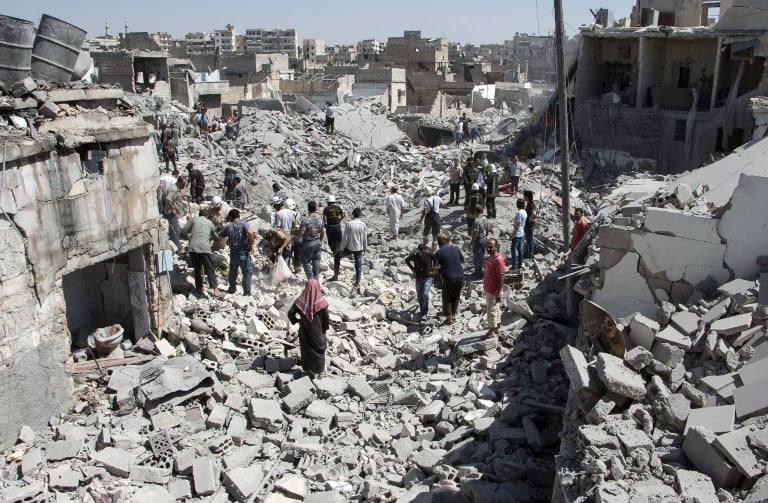
“The government and rebel factions in Syria typically claim that the targets of their bombs and shells are enemy combatant strongholds,” the study notes.
“But our findings indicate that for Syrian children these are the weapons most likely to cause death.”
This same pattern held during the nearly decade-long conflict in Iraq. But child deaths from bombing and shelling during the 1991-95 war in Croatia were very rare, the study said.
In Syria, it is not known to what extent children have been deliberately targeted, or are “collateral damage”.
The study, led by Debarati Guha-Sapir, a professor of disaster epidemiology at the Universite Catholique de Louvain in Brussels, is the first to analyse the impact of various weapons on different categories of civilians in Syria’s civil war.
“We found evidence that children and women had higher odds of death by explosive weapons and chemical weaponry, relative to shootings and compared with civilian men,” the researchers wrote.
A UN report found that from March 2011 to April 2014, there were 191,369 verifiable violent deaths in Syria, combatants and civilians combined.
Of the various statistical sources — mostly NGOs and monitoring groups — only one, the Violations Documentation Centre, specifies the combatant or civilian status of those killed as well as the means of death.
The study examined the 78,769 deaths registered by the group. The vast majority of these — 77,646 — occurred in non-government-held areas.
“Our study shows that civilians become the main target of weapons and bear a disproportionate share of the burden of bombings,” it said.
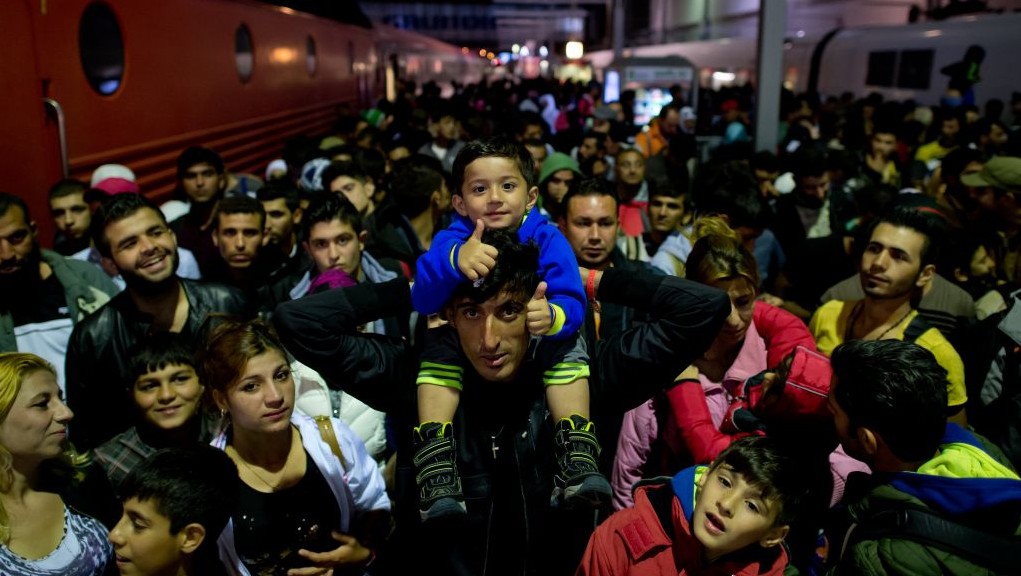
“If we are looking for root causes of the migrant and refugee crises in Europe today, this is surely a major contributor,” the authors conclude.









The Times of Israel Community.