

High Court to hold hearing on Western Wall egalitarian services for first time in years
Liberal Jewish groups seek to ensure full rights for egalitarian prayers despite ultra-Orthodox opposition, long after government nixed compromise on the matter
 Add ToI as a Preferred Source on Google
Rossella Tercatin is The Times of Israel's archaeology and religions reporter.
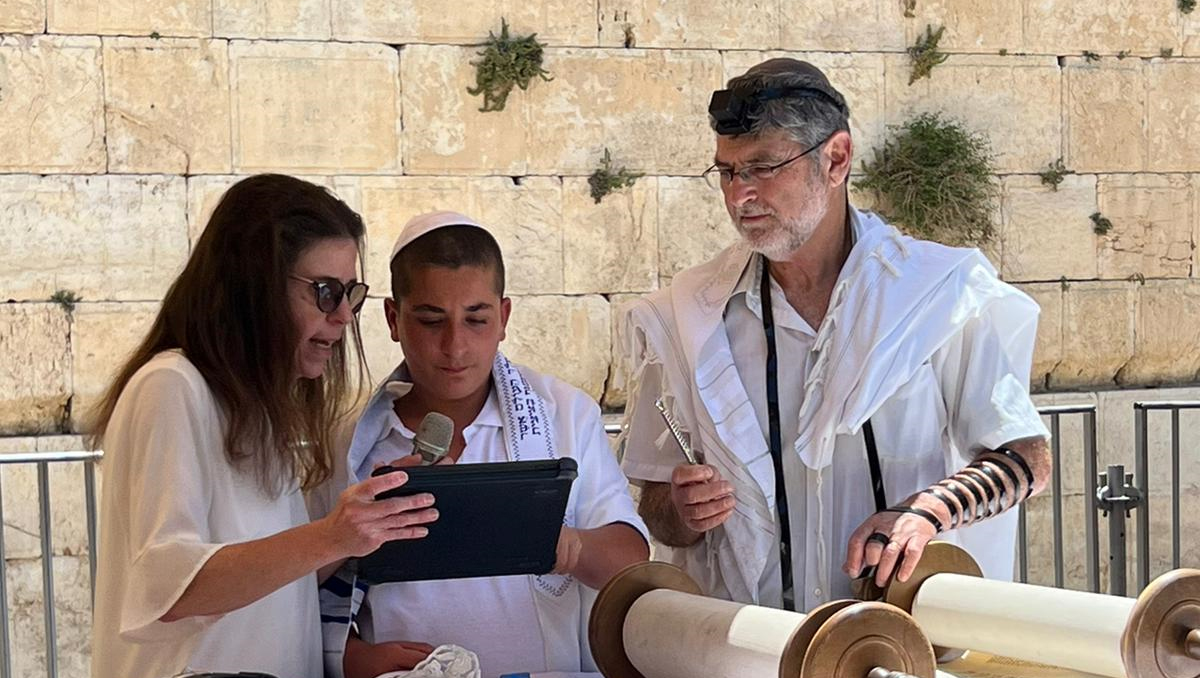
The High Court of Justice is set to hear petitions on Tuesday concerning women’s rights and egalitarian prayer at the Western Wall, three years after the last hearing on the topic.
A panel of seven judges, including High Court President Yitzhak Amit, will preside over the hearing, which by order of the Court will be livestreamed.
The petitions were filed by Masorti Israel, the Reform Movement in Israel, and Women of the Wall over more than a decade.
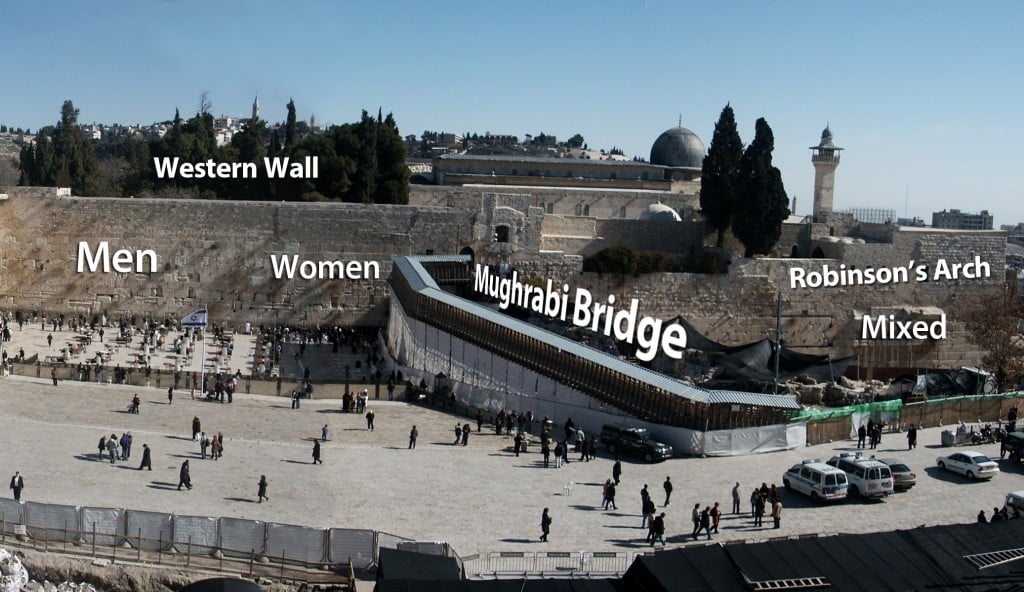
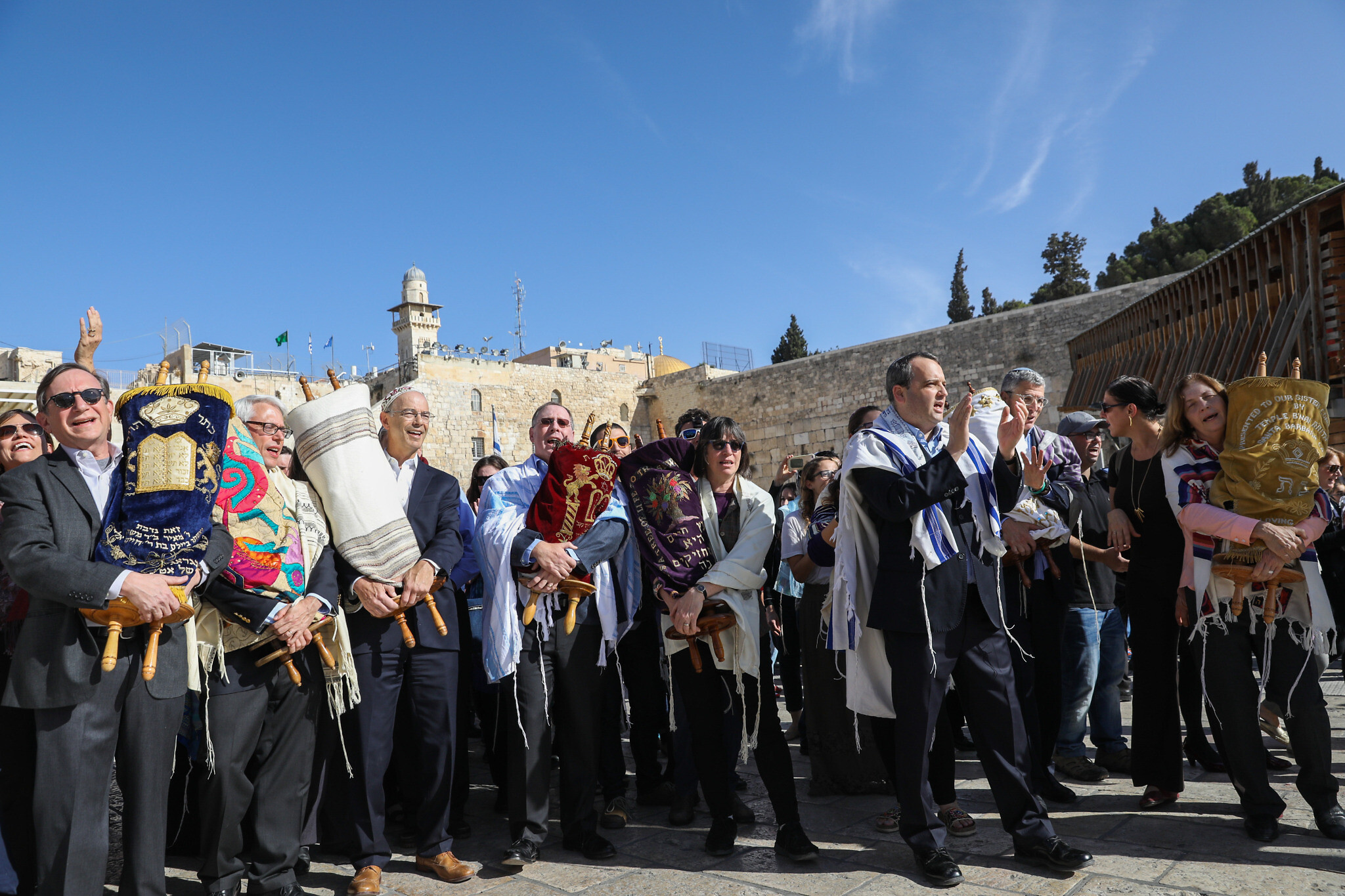
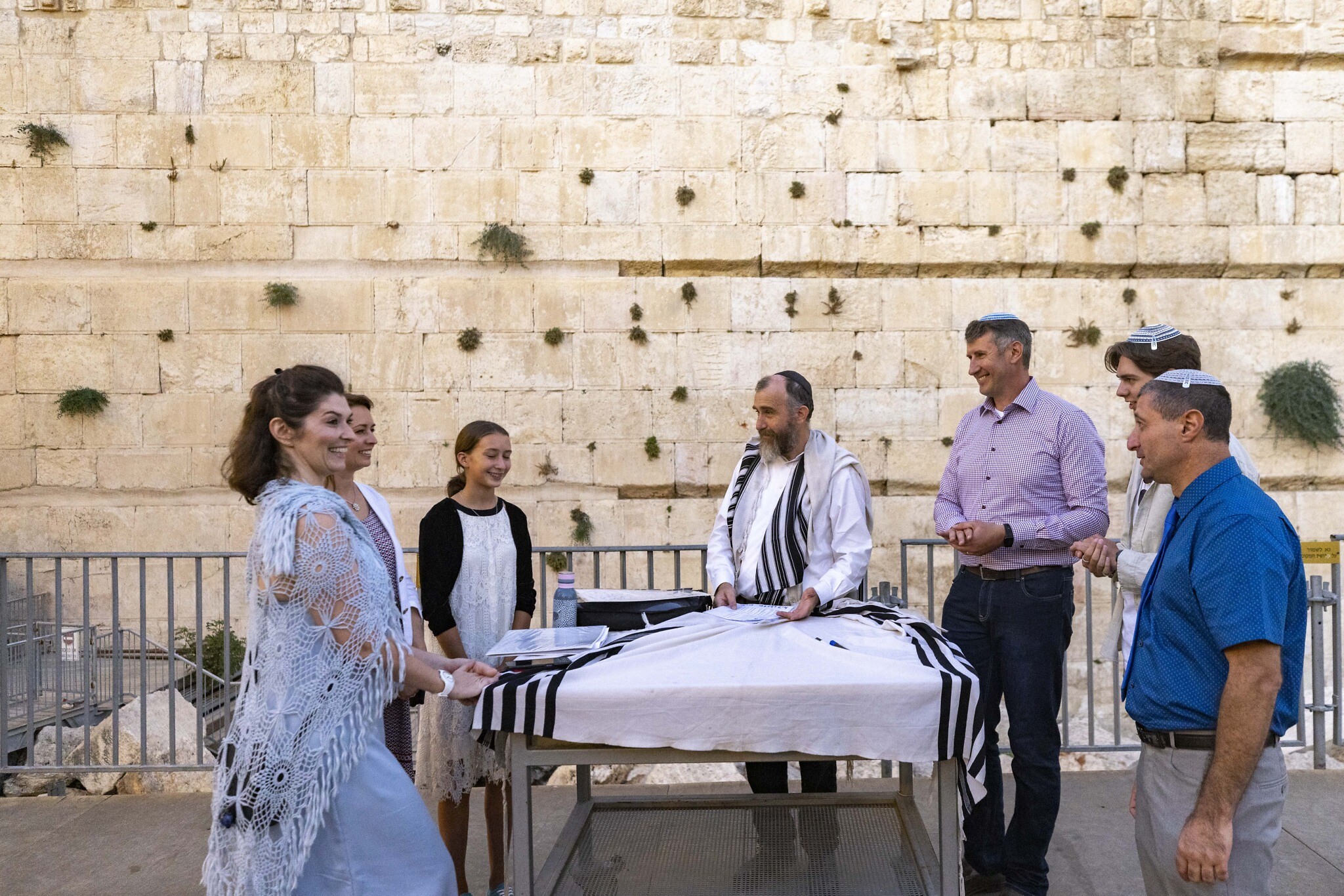
The petitions include a request to ensure access and full legal status to the Western Wall stones from the egalitarian plaza, known as “Ezrat Israel,” which currently operates in a legal gray zone, and to allow Torah scrolls to be brought to the women’s prayer section.
The Western Wall, the last remaining part of the structure of the Second Temple destroyed by the Romans in 70 CE, is largely considered the holiest site accessible for mass Jewish prayer.
The main plaza is under the purview of the Western Wall Heritage Foundation, which operates the site under the auspices of the Prime Minister’s Office and the Government Companies Authority. The religious authority responsible for the site is the Western Wall Rabbinate, a branch of the Chief Rabbinate, an Orthodox institution that adheres to the strictest interpretation of halacha (Jewish law).
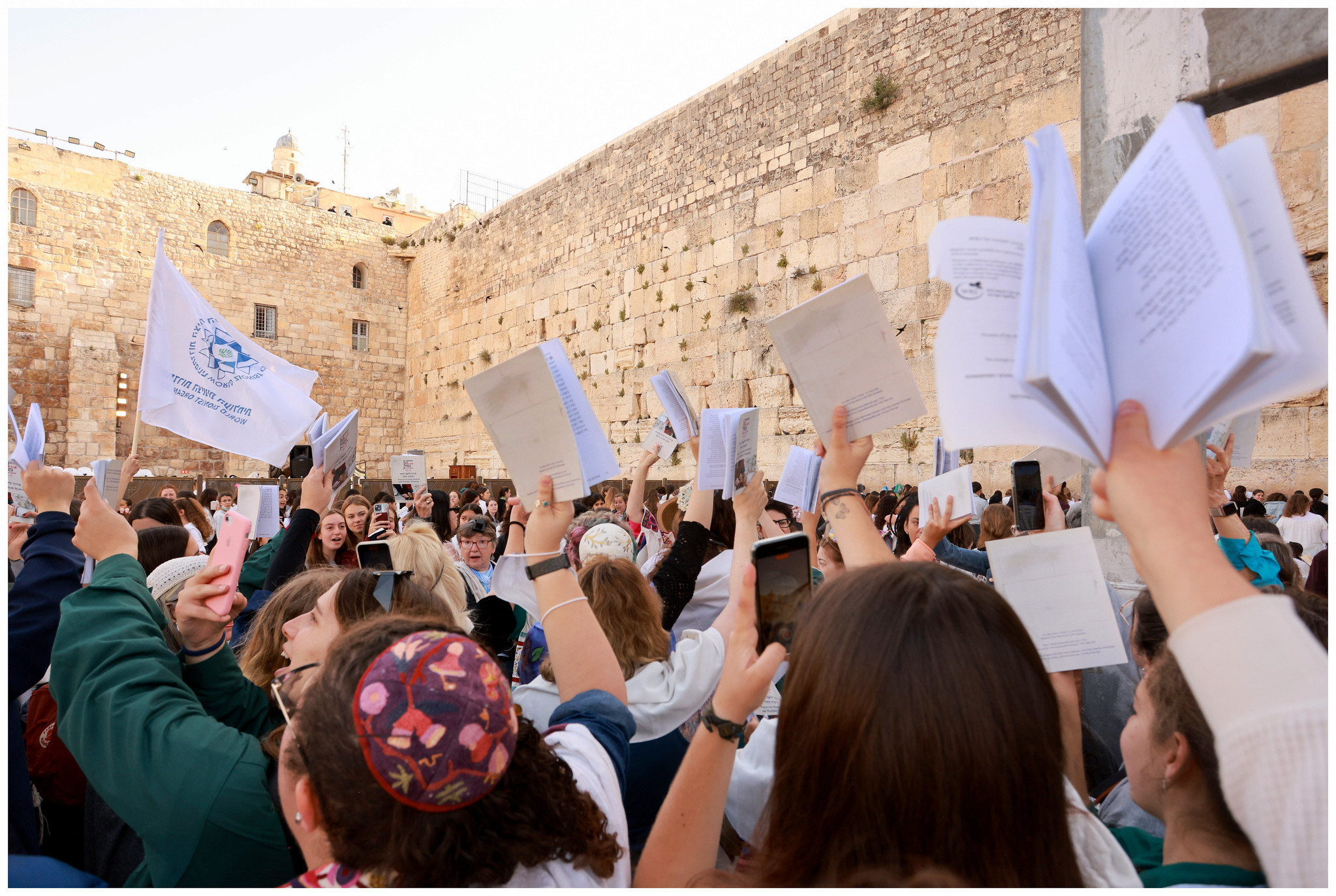
Under its rules, men and women can access the wall only in separate sections, and women are barred from reading from a Torah scroll (or even bringing one into their area), leading prayers, or being considered for a prayer quorum.
For decades, the inability to hold egalitarian services has been a point of contention with liberal Jews in Israel and the Diaspora, also in light of the fact that in the United States, where the largest Jewish community in the world outside of Israel lives, most Jews are not Orthodox.
In 2013, Naftali Bennett, who at the time served as religious services minister, promoted the building of Ezrat Israel at the southeastern end of the Wall as a compromise to ensure the opportunity for liberal Jews to pray according to their custom without changing the status quo of the most recognizable part of the site.
The development, however, did not ease the tensions. Incidents, clashes, and demonstrations to prevent prayers that did not adhere to the strictest interpretations of halacha continued to take place.
In 2016, a compromise to ensure official status for the egalitarian plaza and access to it from the main plaza, known as the “Kotel agreement,” using the Hebrew name for the Wall, was approved by the cabinet. However, the following year, when it was due to be implemented, Prime Minister Benjamin Netanyahu caved to ultra-Orthodox pressure and issued a decision to put the agreement on hold indefinitely, while improving the site’s infrastructure.
The government also addressed the issue of several stones that fell into the egalitarian section in 2018, which have blocked direct access to the Western Wall since then, although the Israel Antiquities Authority declared the area safe in 2020 and again in 2021.
Ezrat Israel currently exists in a legal gray zone, technically under the authority of the ultra-Orthodox chief rabbi of the Western Wall, but permitted to operate as an egalitarian prayer space by a prime ministerial order. Services are regularly held, but worshipers there cannot directly touch the wall’s millennial stones as in the main area, and the promised access to the platform from the general plaza never materialized.
At the most recent hearing on the topic in February 2023, the government told the High Court that it was working to fix and improve the egalitarian section, and it still planned to implement the 2017 decision to “build and formalize” it.
“The cancellation of the historic Kotel agreement we reached a decade ago is a continuing injustice that does a disservice to Israel and the Jewish people,” said Yizhar Hess, senior representative of MERCAZ (Conservative/Masorti Judaism) at the quasi-governmental organizations Keren Kayemeth LeIsrael, the Jewish Agency, Keren Hayesod and the World Zionist Organization; and WZO vice chairman.
“Allowing this injustice and mistreatment of the majority of world Jewry to continue, given the way these communities have rallied to Israel’s side these challenging past three years, is a moral and strategic disaster,” he added in a statement ahead of Tuesday’s hearing.
Ahead of the hearing, the chief rabbis of Israel, Rabbi David Yosef and Rabbi Kalman Bar, submitted a memorandum to the court stating their opposition to any change to the current status quo, which they described as a halachic ruling.
“The Western Wall is a remnant of our Holy Temple; it is not private property, nor is it a venue for demonstrations,” they said in a statement. “We expect the court to respect the millennia-old tradition of Israel and to refrain from permitting harm to the sanctity of the site or to the unity of those who pray there.”
Canaan Lidor and Judah Ari Gross contributed to this report.









The Times of Israel Community.