

In glitzy interwar Warsaw, truth meets fiction as 2 young women hunt for missing mentor
In ‘The Last Woman of Warsaw,’ out April 7, author Judy Batalion shows the Jewish diversity of the cosmopolitan city as an odd couple sets out to solve a mystery
 Add ToI as a Preferred Source on Google
Renee Ghert-Zand is the health reporter and a feature writer for The Times of Israel.
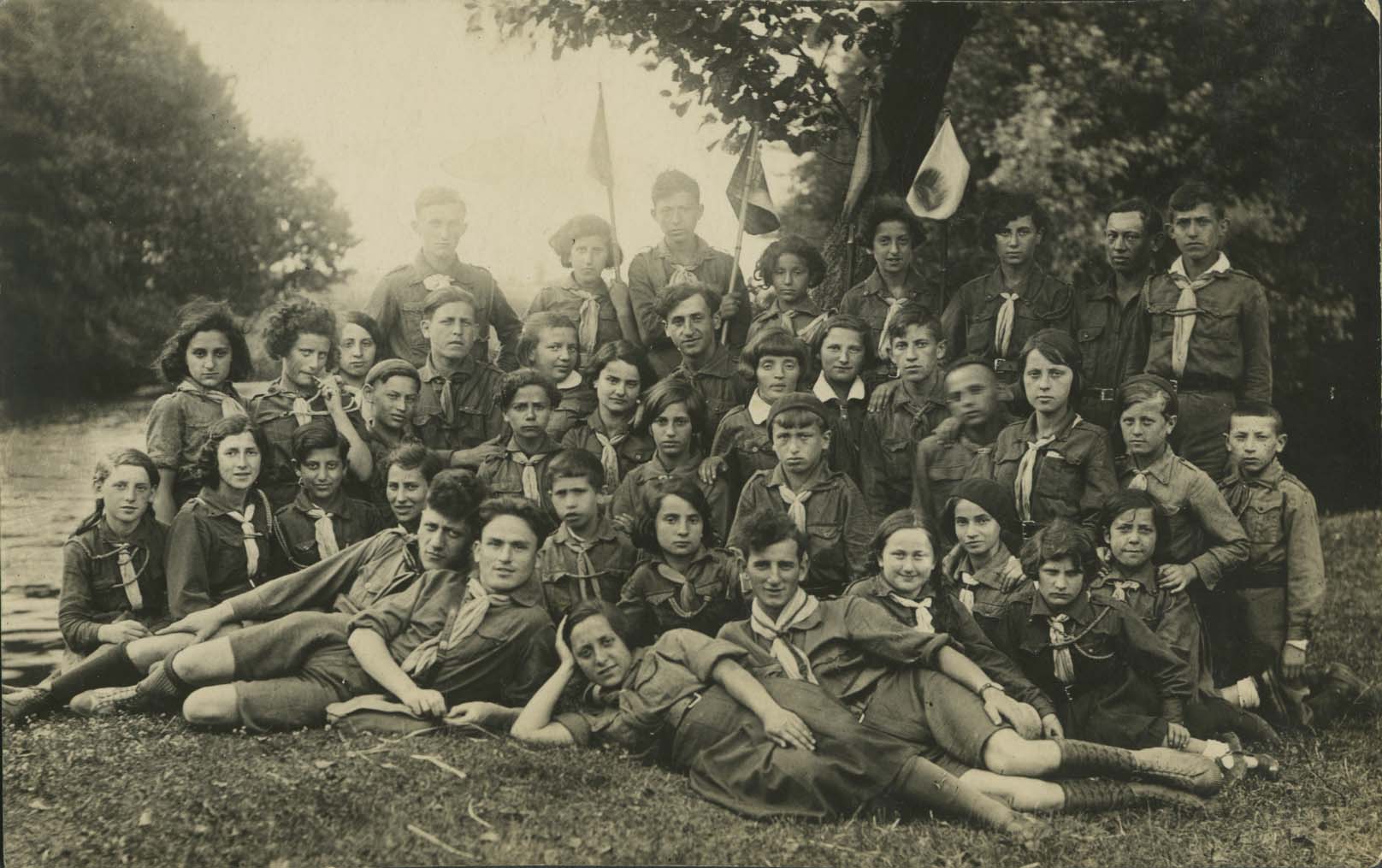
Five years ago, it was clear to author Judy Batalion that she was not done with the determined, resilient young Jewish women she had come to know so well through work on her award-winning bestseller, “The Light of Days: The Untold Story of Women Resistance Fighters in Hitler’s Ghettos.”
“I became very interested in this period. I knew there was more there, and I wanted to further explore the world that had created these audacious, stylish young Jewish women,” Batalion said.
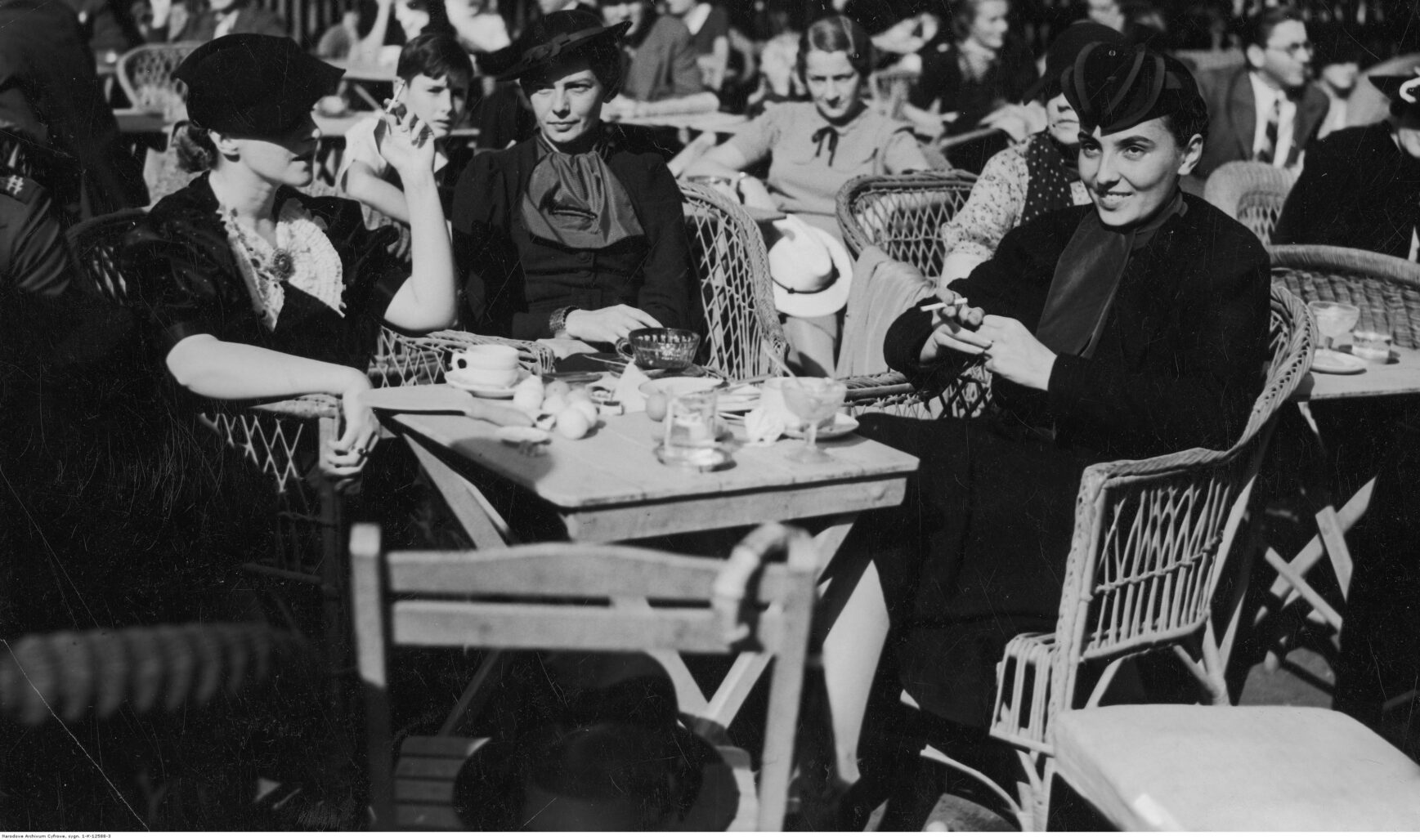
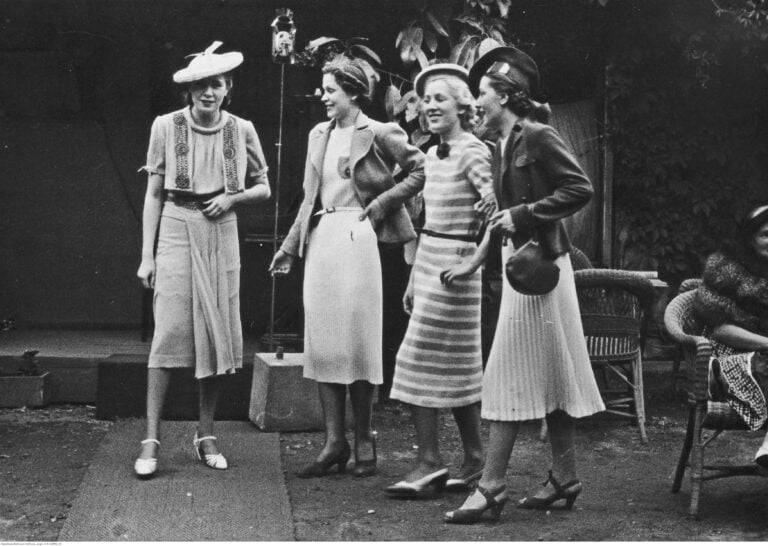
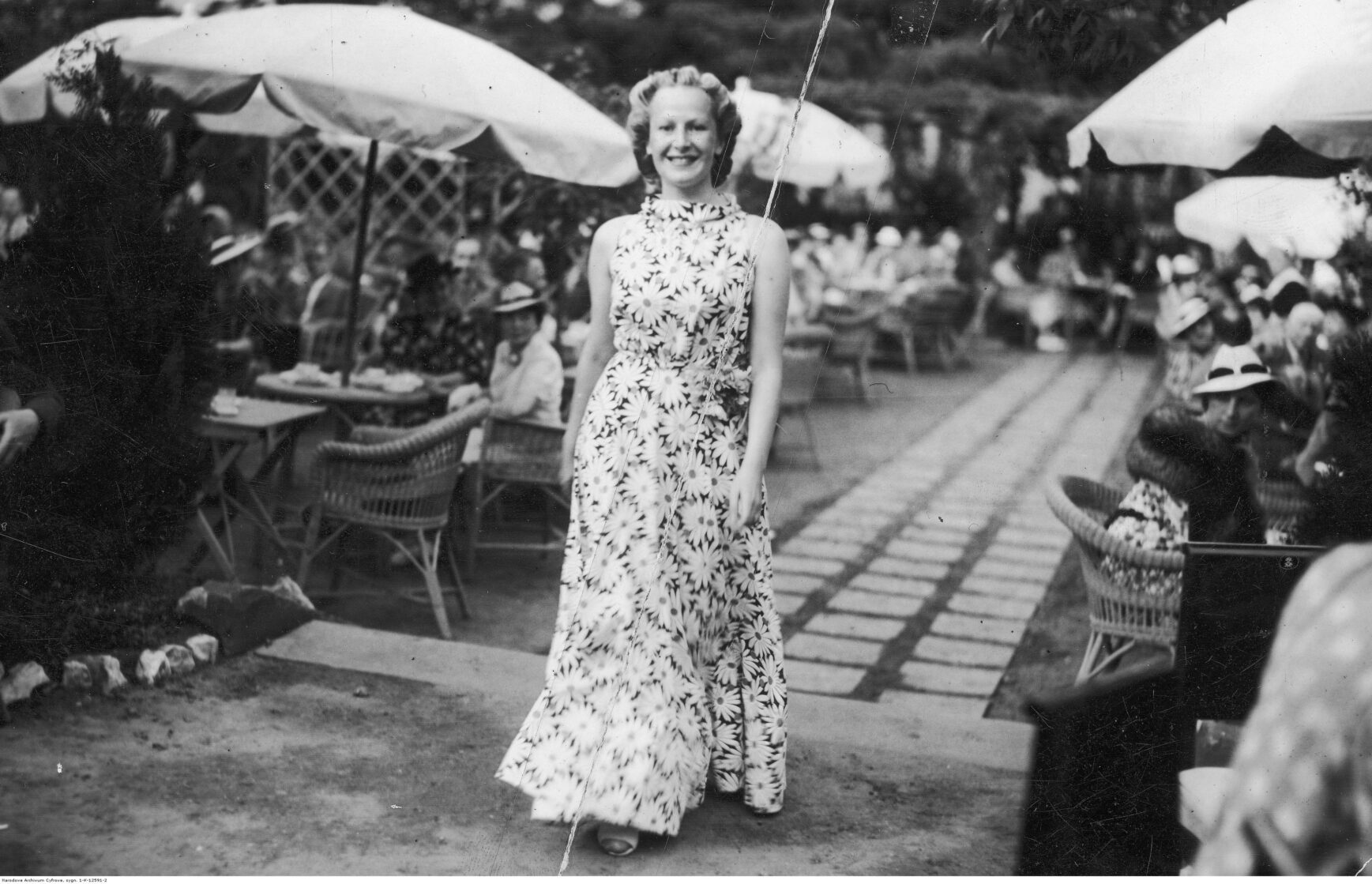
This quest led her to Poland’s capital, Warsaw — the “Paris of the North” during the interwar period. Moving back in time several years to before the Nazi ghettos and partisan fighters featured in “The Light of Days,” she encountered a city of nearly 1.2 million residents bubbling with art, culture, and nightlife, while concurrently contending with political instability and growing right-wing nationalism and pro-Nazi sentiment.
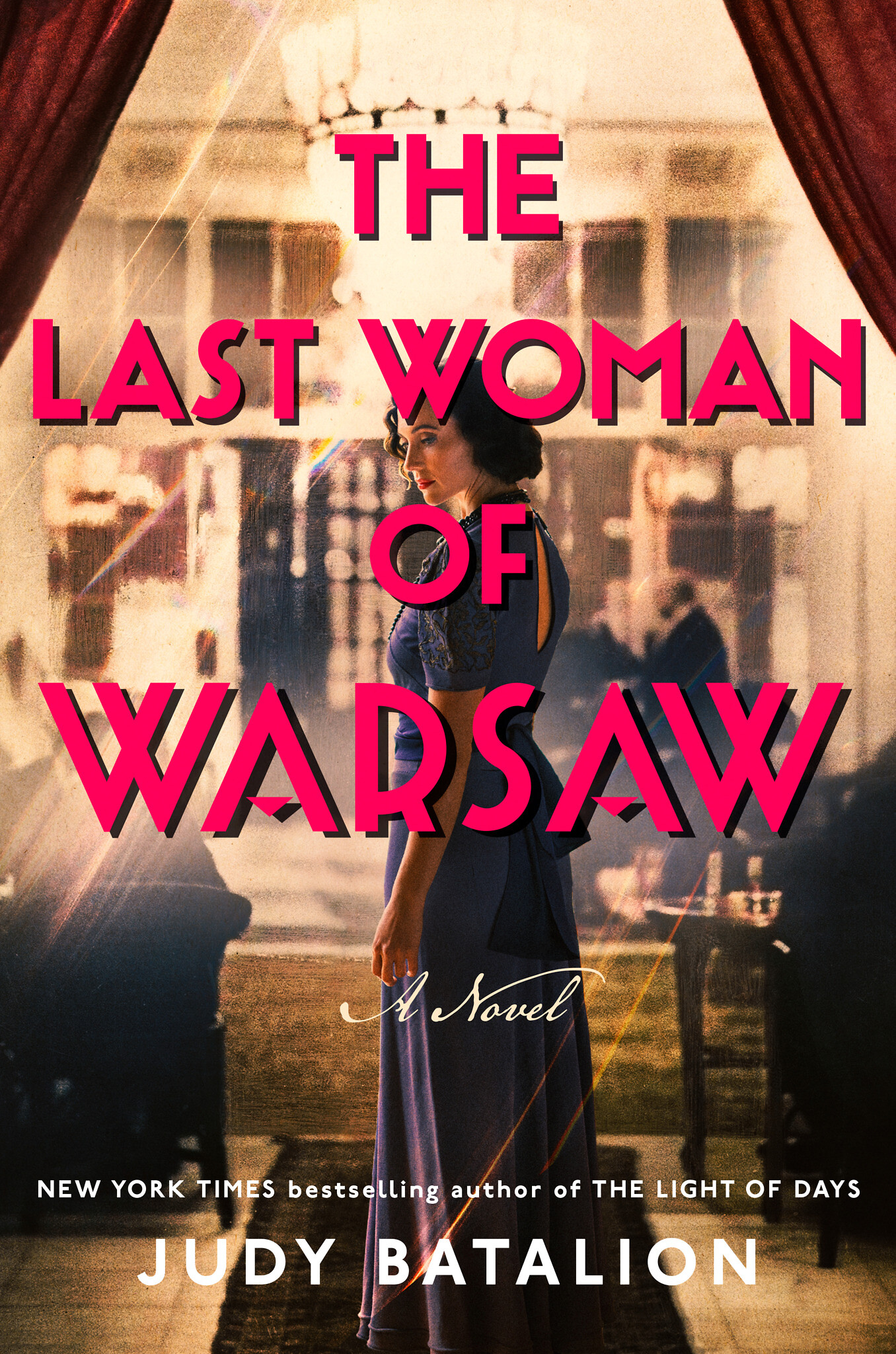
It is in this Warsaw of 1938 that fictional characters Fanny Zelshinsky and Zosia Dror live in Batalion’s new novel, “The Last Woman of Warsaw,” published on April 7.
Batalion told The Times of Israel that after writing a memoir and then the nonfiction “The Light of Days,” she was ready to produce this prequel novel.
“I consider myself genre-fluid,” quipped Batalion.
She has created a high-stakes “odd couple” narrative featuring two young women trying to find love and figure out what is truly important to them in a world that is beginning to collapse around them.
Fanny is the extremely fashionable only child of divorced parents, both from successful industrialist families. A French student at the university, she is captivated by photography and wants to change majors if she can get her photography professor to appreciate her work and sign a permission form. Her goal is to become a recognized photographer so she can become financially independent — and thereby perhaps avoid marrying the young man she is engaged to.
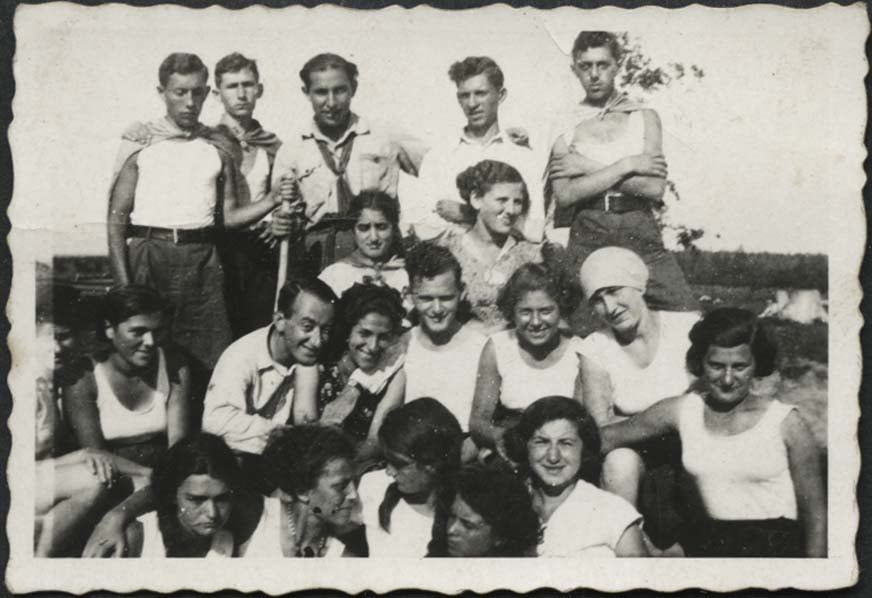
Zosia, a devout Labor Zionist, has left the countryside to move to Warsaw following pogroms in her town that resulted in catastrophe for her family. Having decided that Zionist socialism is the answer to the Jewish question, she rises quickly in the movement’s ranks and hopes to secure a nearly impossible-to-obtain visa to Palestine.
Fanny lives in an upscale Warsaw neighborhood and mingles with non-Jews. Zosia, dressed in frayed clothing and subsisting on meager meals, lives in a commune in the old Jewish quarter.
Despite their glaring differences, the two meet and team up to search for the missing Wanda Petrovsky, a legendary photographer (likely modeled on the leading female Polish photographers of the era, such as Zofia Chomętowska). Petrovsky happens to be both Fanny’s photography professor and a top leader of Zosia’s Zionist movement, who Zosia believes may have a visa and an important message for her.
“The Last Woman of Warsaw” is about many things, one of which is how the Jews of Poland defined home as the storm clouds rolled in. By the end of the novel, both Fanny and Zosia must decide where they want to be, as it becomes clearer by the day that Poland may no longer be safe for Jews. The decision is far from easy.
“Our self-declared home and our identities are completely intertwined. Without a home, whether you live in it or not, who are you? If you don’t know what your home is, or is supposed to be, you lose yourself,” Zosia says to Fanny.
The following is an interview with Judy Batalion, edited for length and clarity.
The Times of Israel: Why did you decide to write another book set in Poland during the Holocaust or the years leading up to it? Why did you want to revisit young women like those in “The Light of Days”?
Judy Batalion: I did want to run away from the period, but it kept calling me back. Something felt unfinished, and I felt a duty to share this world. I started to look into not only the political scene and Jewish community of the time, but also the interwar art and culture of Warsaw, in particular.
Did you have any preconceived notions of interwar Poland and its Jews before you began your research for both books, and were any of them dispelled?
There was a family legend that when my [Polish] Holocaust survivor grandmother came to New York for the first time in the 1950s, she said, “Oh, it’s nice, but it’s no Warsaw.” We thought it was a joke, but as soon as I started researching prewar Warsaw, I was so surprised. I didn’t know Warsaw was the “capital of neons,” or that it was known as “the Paris of the North” with its nightclubs and fashion shows.
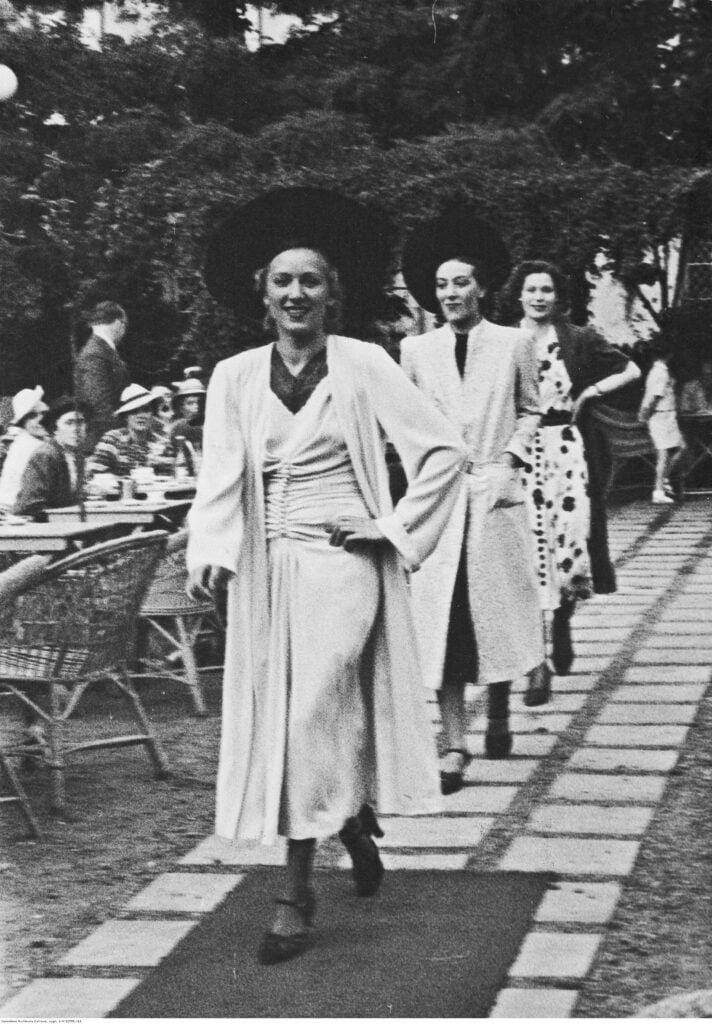
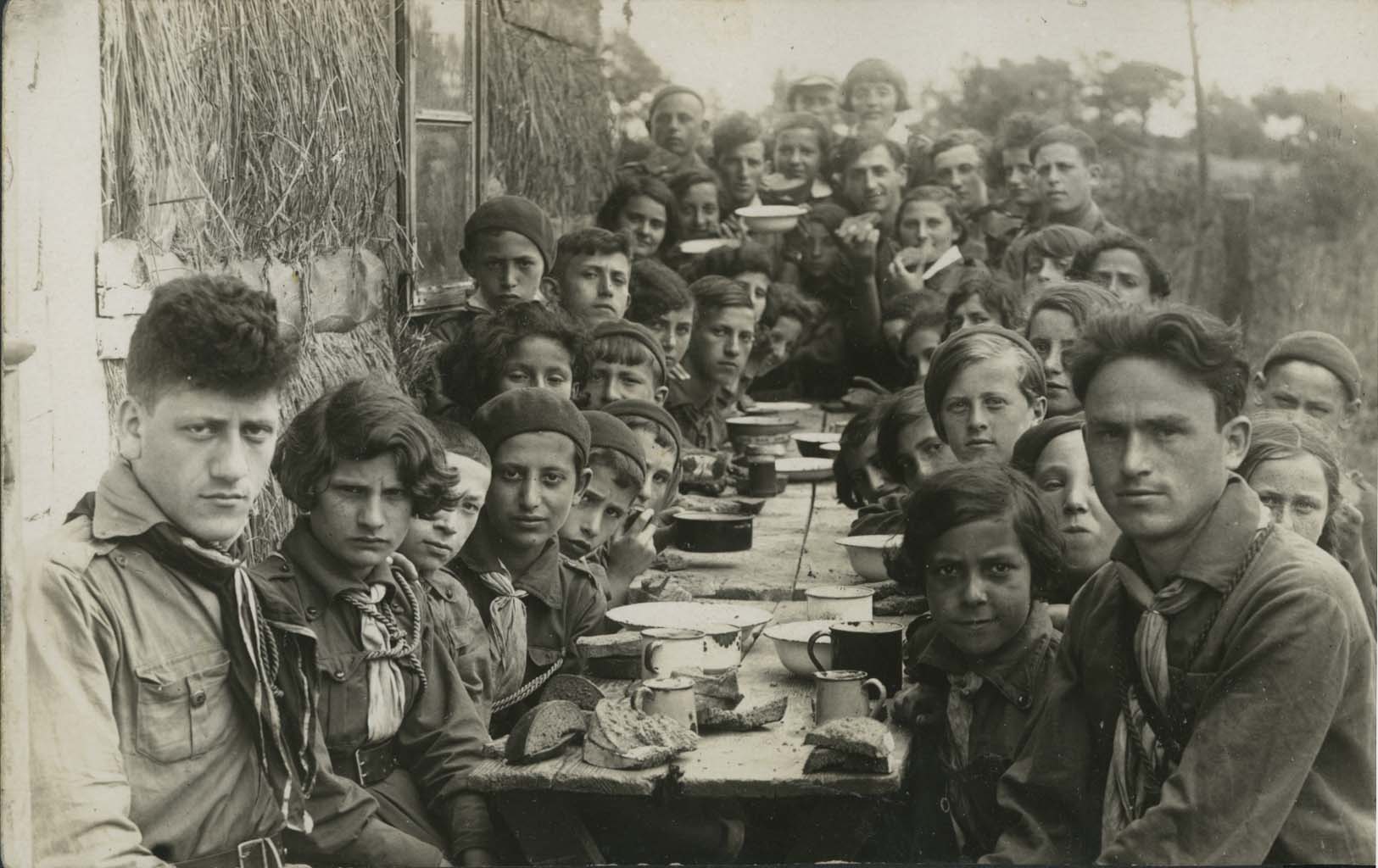
I had Roman Vishniac’s photos and “Fiddler on the Roof” in my head. I had this picture that all the Jews were religious and that they lived in the countryside. It’s not true. Some Jews were religious, and many did live in shtetls, but many Jews lived in the cities, and many were assimilated. They were cultural Jews. The Jewish community was very diverse politically, religiously, and class-wise, which I didn’t know and felt was important to share.
Ten percent of Poland’s prewar population was Jewish, as was 30% of Warsaw’s population — those are enormous numbers. Warsaw was a very layered, complex urban center. Jews and non-Jews worked and produced art together. This really excited and interested me. I saw so many parallels to our contemporary world that I felt I had to go back there.
I also learned how complicated Polish politics were at the time. Poland became a new, independent country after World War I, and it was trying to find itself. It was a country looking for its identity, just as the Jews were trying to figure out how they fit into this new Poland [or not].
Why did you decide to write this story as fiction?
I was very interested in Warsaw at this historical time, but [initially] I didn’t have a story, and I wasn’t able to go investigate and access research tools in the same way I would have [had there not been travel restrictions at the time due to the COVID pandemic]. I thought, you know what, I’ll make up a story. I hadn’t published a novel, but I’d written a lot of fiction, screenplays, and pitched TV shows. In fact, even “The Light of Days” started as a novel, and I moved it to nonfiction. The characters in this new novel are all based on real people that I had been researching for years, but fiction gave me room to create composite characters, delve into their psychologies, and make up dialogue.
What challenges did you face in writing the novel?
I had Fanny and Zosia right away. I love this “odd couple” structure. I wanted these two young women to be very different characters, thrown together, and have to learn from each other and change. But there were questions about what would bring them together and what would happen once that happened. How was I going to make this all happen in this setting of this unexpected, dazzling Warsaw that I really wanted to explore? It was a hard process. I ended up repolotting the story 11 times.
The other difficulty was the ethical questions I asked myself. What was I allowed to change and fictionalize? In some projects, it doesn’t matter — you fictionalize anything, and it doesn’t matter; that’s the fun of it. This whole project started because I wanted people to know about this world, which was real and part of history, and I thought had important stakes for our current time. I asked myself whether I could change the dates of certain events or when certain laws were passed. I had to grapple with that, and I discuss this in the author’s note at the end of the book.
Photography plays a significant role in this novel. How did you learn about the photography of this period, especially that of female art photographers and photojournalists?
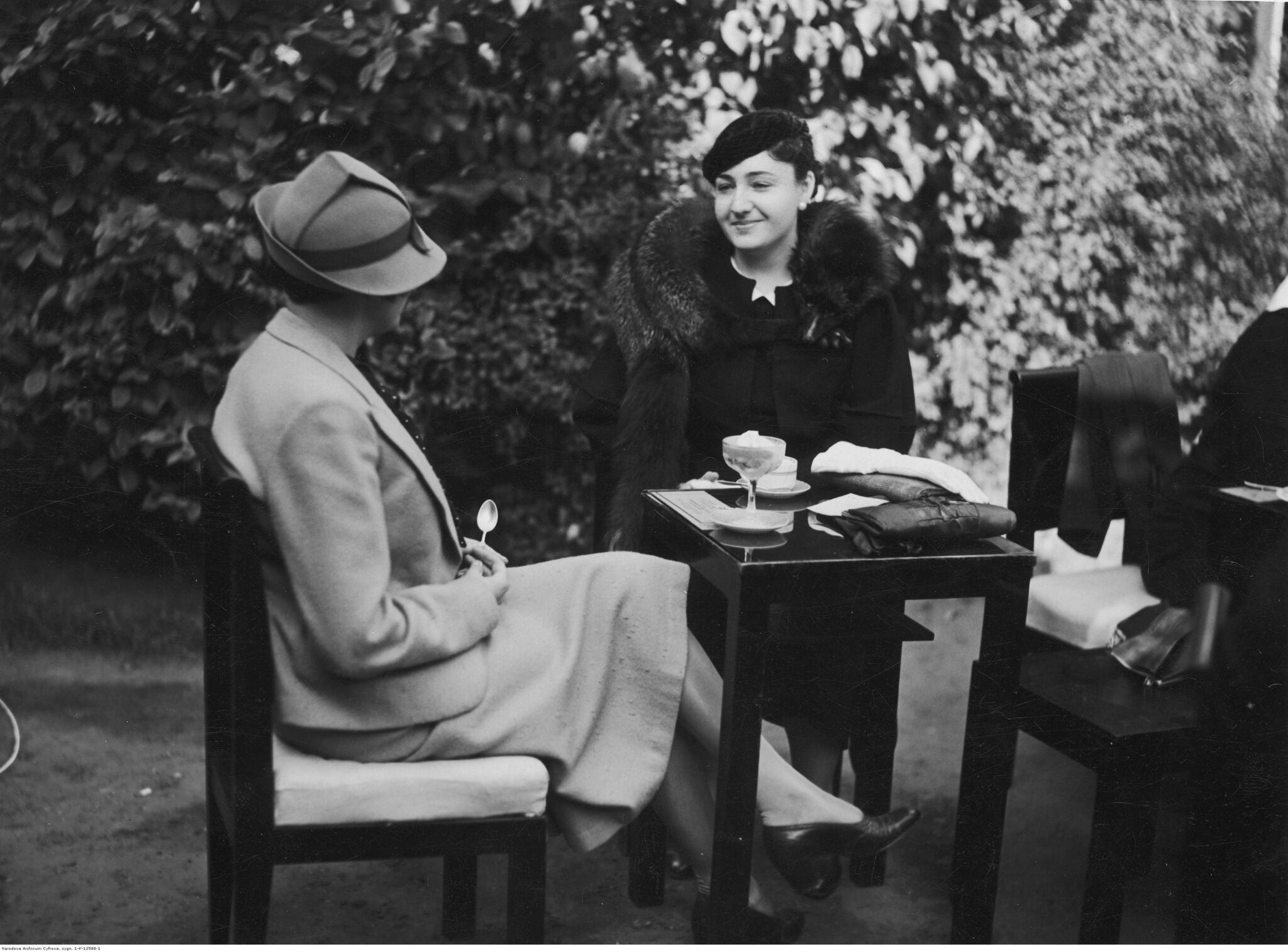
I came up with the idea of including photography early on. I happened to see an exhibition at the Metropolitan Museum of Art about women photographers in this period. I was really influenced by that exhibit, and it taught me so much. First of all, I was very taken by the Leica camera. With it, you suddenly had portable cameras that didn’t require huge amounts of equipment. This was new, exciting, and fresh. Women could buy and own them. You could walk down the street with your camera in your shoulder bag, use a hidden camera, or lie on the ground and take a picture. This exhibit showcased the different ways women captured the world around them. In many cases, it was close-ups, intimate spaces, and strange angles on the world. They gave the impression of a world that felt a little bit disjointed, a little bit abstract. Maybe this speaks to the politically complicated and confusing time.
Which of the two main characters in your novel do you identify with more — Fanny or Zosia?
I thought of myself as being a lot more like Zosia, who’s more cerebral and maybe socially uncomfortable and self-conscious. And then a very close friend of mine read the drafts of the book, and she said, “Oh, you are so Fanny.” So I guess they are both part of me, parts of myself that are trying to learn from each other or get along.
In what way do you identify with Fanny?
She’s someone who ultimately takes a risk. She recognizes that maybe you have to take risks to really find meaning.
Your books deal with Jewish history from the perspective of young Jewish women. Why do you think this is?
I am a Jewish woman, so I tell stories through that perspective. And maybe I’m looking for some kind of ancestry, some feeling of lineage. I’m from a family of Holocaust survivors. A lot of my life, things have felt cut off. Sometimes I don’t always feel a connection to the past. Sometimes I think I am doing this research [and writing these books] as a way of finding a way in, of creating a history for myself.






The Times of Israel Community.