

In Kabul, Taliban’s reign of fear silences a once bustling capital
With fighters patrolling the streets, many Afghans anticipate a repeat of the brutal interpretation of Islamic law that the group implemented when first in power from 1996 to 2001
 Add ToI as a Preferred Source on Google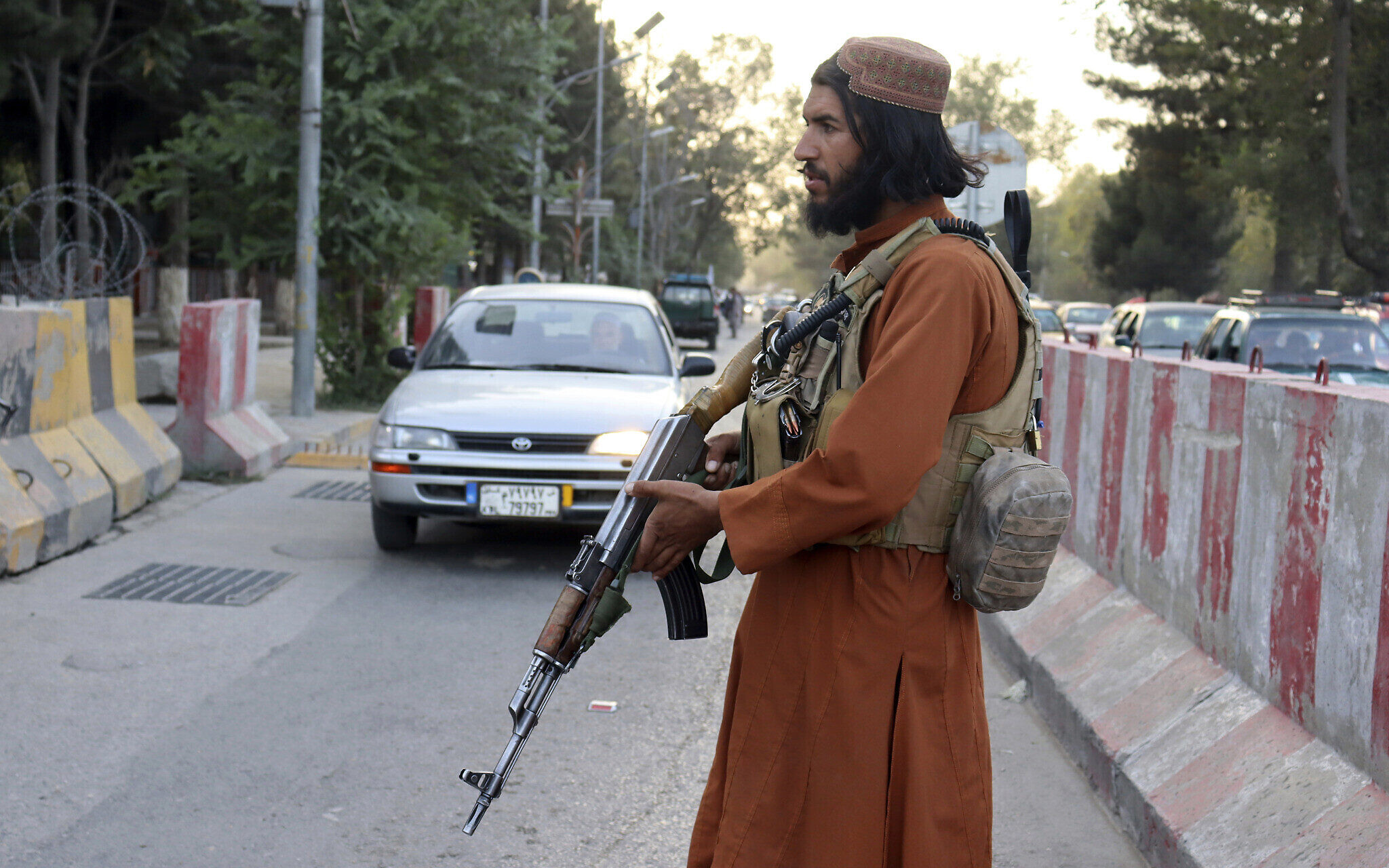
KABUL, Afghanistan — Streets that were once bustling with life have fallen silent. Few women dare to leave their homes. Fighters patrol the neighborhoods.
Welcome to the new Kabul, a city ruled by fear of the Taliban.
“It’s like a zombie apocalypse,” a 20-year-old women’s rights activist told AFP on condition of anonymity.
Around Kabul airport, chaos reigns as thousands of people mass, desperate to flee ahead of the August 31 deadline for the United States’ withdrawal.
But everywhere else, the streets are eerily quiet.
“People almost don’t go outside and [when they do] they are in a rush,” the activist said. “People get home as soon as they can.”
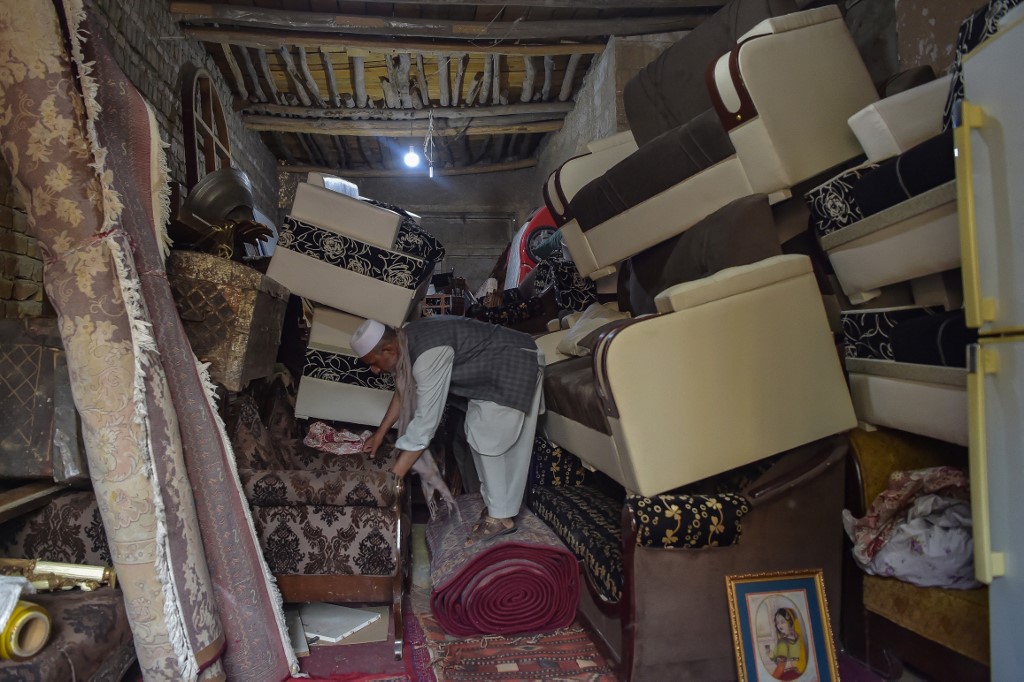
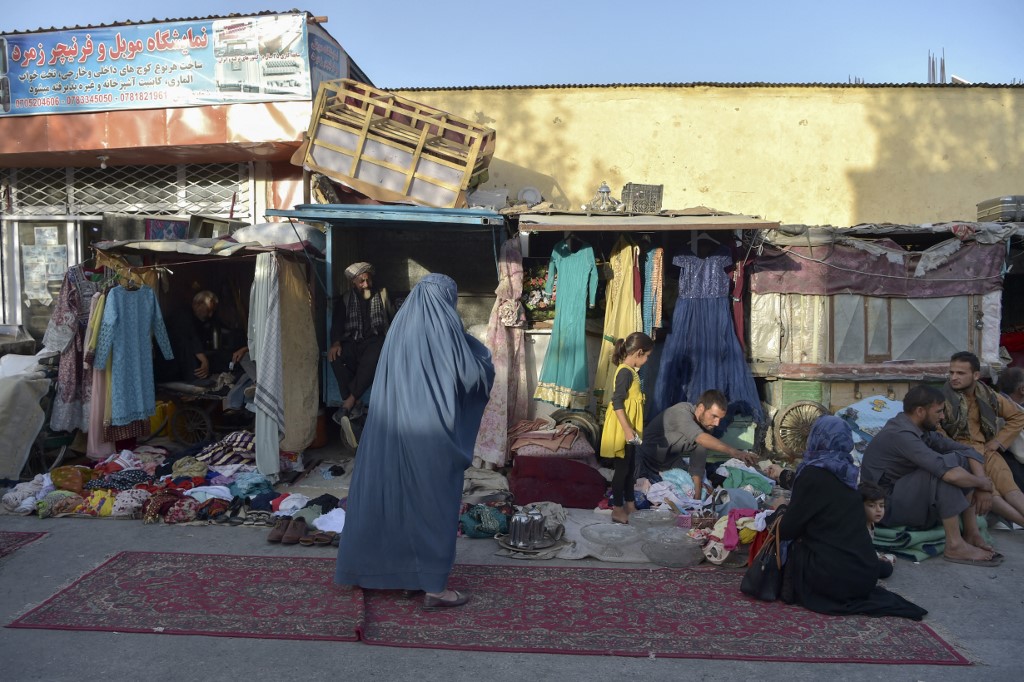
Under the ousted government, an increasing number of women were adopting Western clothing, attending university, and working.
Now, even in Kabul, women hardly venture out of their homes. Burqa sales have rocketed.
Many Afghans fear a repeat of the brutal interpretation of Islamic law that the Taliban implemented when first in power from 1996-2001.
The Taliban have vowed a softer, more inclusive regime this time around, offering assurances of rights to women.
However, the activist said that she has been unable to return to university since the Taliban’s stunning military victory on August 15.
She said that the hardliners do not want women to attend class until they can segregate classes along gender lines.
“I think it’s an idiotic decision,” she said, because there simply aren’t enough female university teachers.
The bank she works for has also barred her from returning, citing fears for her safety.
Reign of fear
On the city walls, advertisement posters featuring female models have either been defaced or torn down.
Pop music, banned outright under the Taliban’s former regime, can no longer be heard in Kabul.
Only the sound of children playing — oblivious perhaps to the depth of the transformation underway in their homeland — breaks the silence.
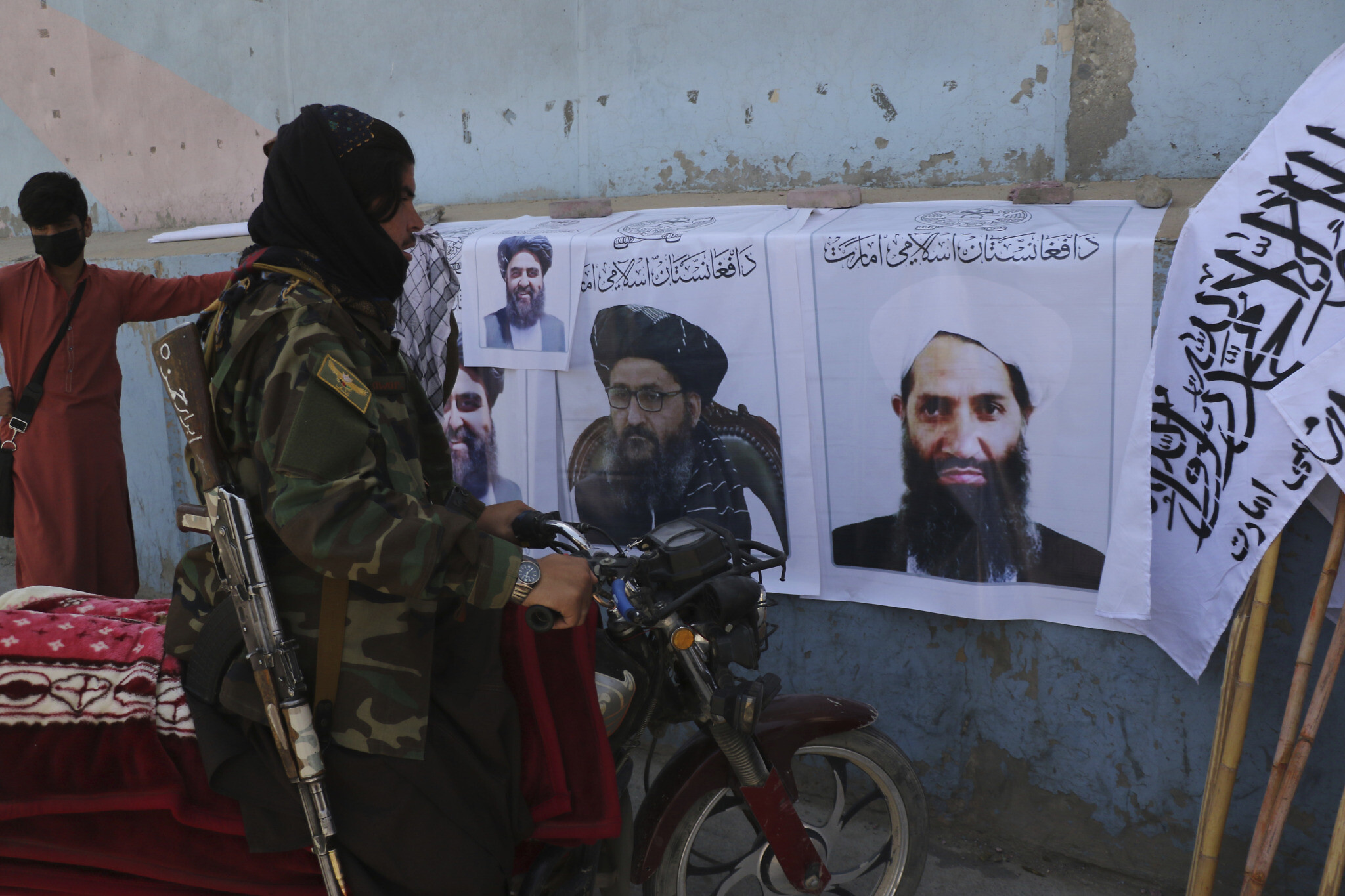
Widespread fear, says a Kabul banker, is working to the Taliban’s advantage as they seek to establish their dominance.
“They don’t have any army to control people but the fear is controlling everyone,” he said on condition of anonymity.
While the Taliban leadership strives to project an image of an organized movement capable of governing, the reality on the ground is that the militants’ behavior varies greatly from place to place.
“Some groups are acting good and nice but some of them go to restaurants without paying,” the banker said.
‘Normal’ in Khost
In the southeastern city of Khost, long a conservative city, seized by the Taliban shortly before Kabul fell, the militants appear to have adopted a softer approach.
“After a few days, the situation returned to normal. The flow of the city has slowed down but many shops and small businesses have reopened now,” a local aid worker told AFP.
“Boys and girls go to school like before,” he said.
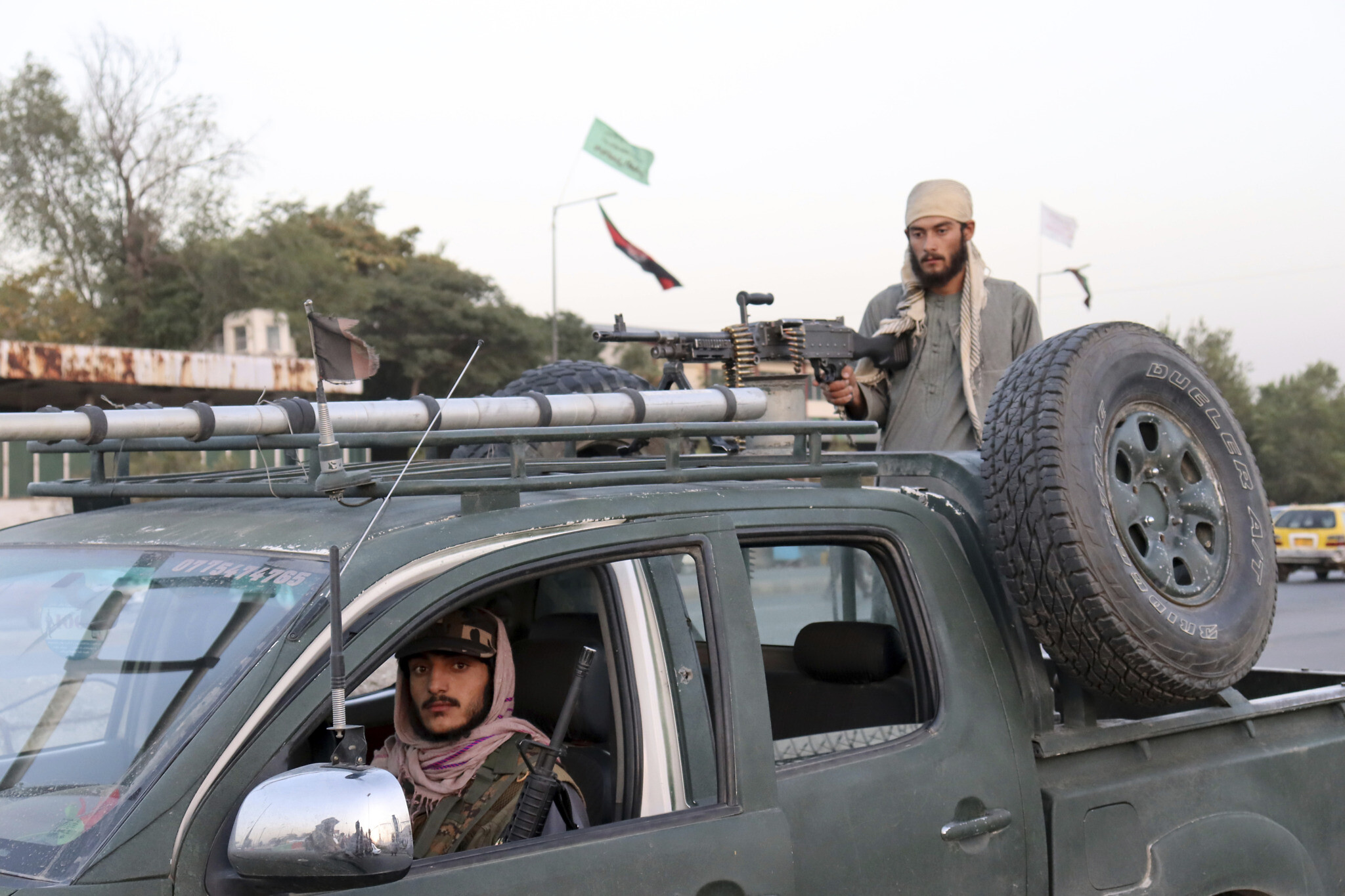
“The attitude of the Taliban towards the people is much softer than what people thought,” he added, noting he danced with friends at a wedding held last week.
However, some residents fear economic woes, particularly with government services halted.
“Many people lost their jobs, they are afraid of a bad economic situation,” he said.
No money to rebuild
At the market in the northern city of Kunduz, Taliban militants use loudspeakers to announce their new rules to residents.
Devastated by weeks of fighting leading up to the Taliban’s win, the city is now starting to see some rebuilding — though progress is slow.
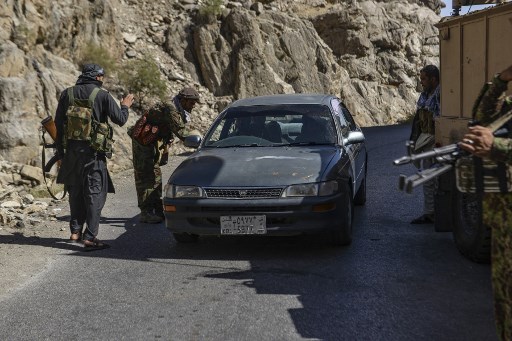
“People started rebuilding their shops but not the homes because people fled and did not return, or don’t have the money to rebuild,” a local business owner told AFP.
Some poorer residents are so scared of the impact the regime change may have that they have stopped buying fruit and even using soap, he said.
“They think they should save because in the future there is no way to earn money.”





The Times of Israel Community.