

Iran, Oman said nearing deal that will restore US truce, give Tehran some control over Hormuz
Some issues remain unresolved in deal, which could reopen strait for 60 days, may include fees; Houthis say they struck 2 Saudi tankers; Iran warned Gulf it would strike if US renewed attacks
 Add ToI as a Preferred Source on Google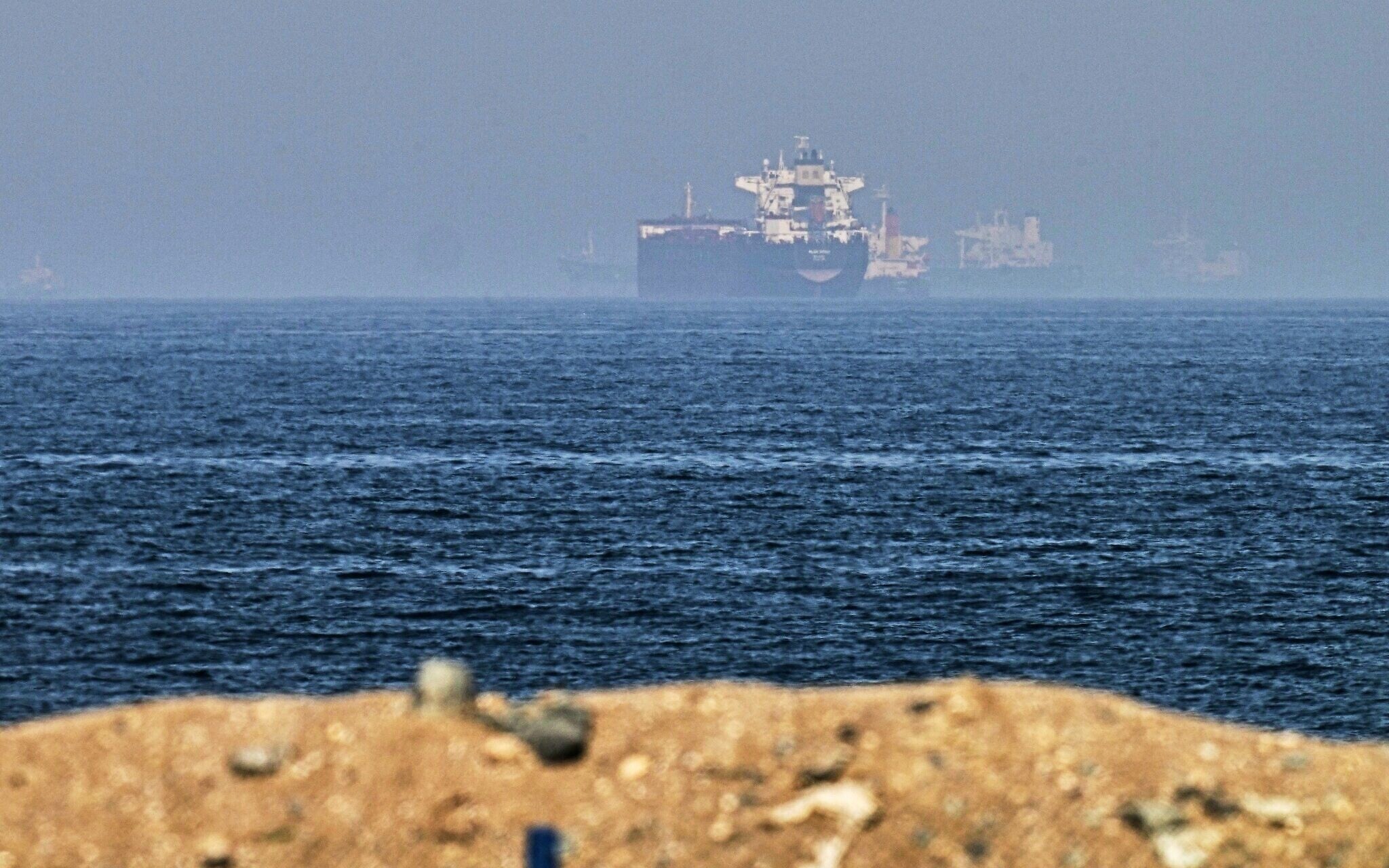
Iran’s foreign ministry said Wednesday that Iran and Oman have agreed on a route for ships transiting the Strait of Hormuz and are putting the final touches on arrangements for jointly managing the waterway.
Reports said the deal, which would renew a US-Iran ceasefire, would preserve Iranian control of the strait’s traffic.
But official sources briefing Iranian media stressed that any reopening of the strait would depend on the United States fulfilling what Tehran sees as a US commitment to end its own naval blockade of Iran’s ports.
The most recent round of fighting between the US and Iran, which began about a month ago, has centered on access to the strait, which Iran has obstructed, and which was a key pathway for the global supply of oil and gas before the war.
One obstacle to a deal may be the uncertain status of Iran’s supreme leader, Mojtaba Khamenei. Iranian President Masoud Pezeshkian said in an interview aired by state TV on Wednesday that interaction with Khamenei is currently “very difficult.”
Mojtaba has not made any public appearances since he became supreme leader, replacing his father, Ayatollah Ali Khamenei, who was killed in a strike launched against Iran by the US and Israel on the first day of the war in late February.
On Tuesday, US President Donald Trump claimed that “all-day” talks were happening between the countries, but also said he’d hit the Islamic Republic “really hard” if a deal is not reached.
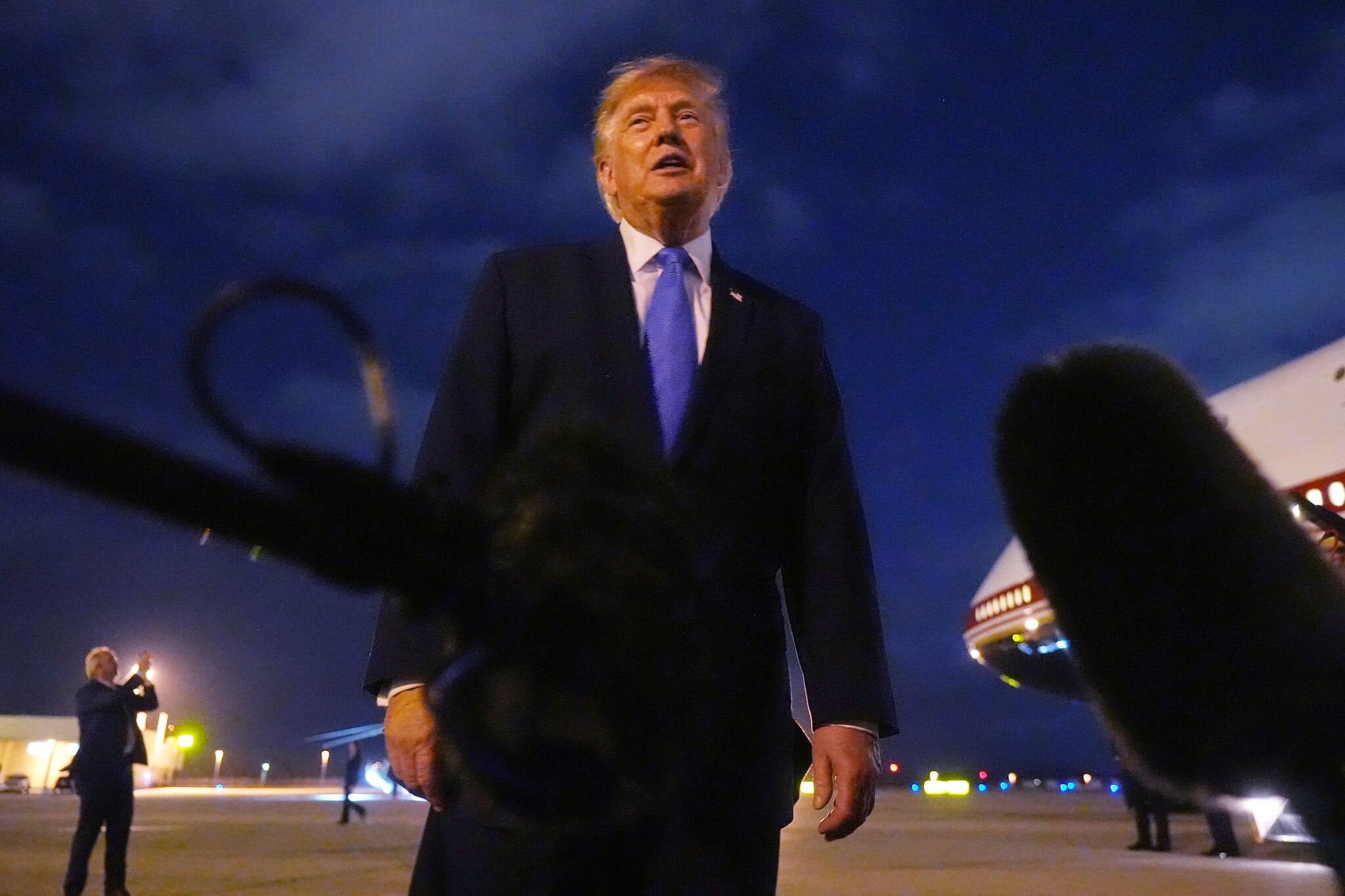
Trump has repeatedly threatened large-scale strikes on Iran but then backed off, citing progress in talks. After one of those threats last week, Iran warned Gulf states that any new US attack on its territory would trigger retaliation against critical energy infrastructure across the region, five sources told Reuters.
Proposed deal said to give Iran some control
The proposed deal between Iran and Oman would give Tehran control over ships entering the Gulf through the Strait of Hormuz, a senior Iranian source and two regional officials told Reuters on Wednesday, one of the biggest concessions yet to Iran.
There were varying reports on the deal. Iran reported “significant progress” in the talks with Oman and said both inward and outward journeys would pass through Iranian waters. Before the war, the strait was freely open to all ships with no fees.
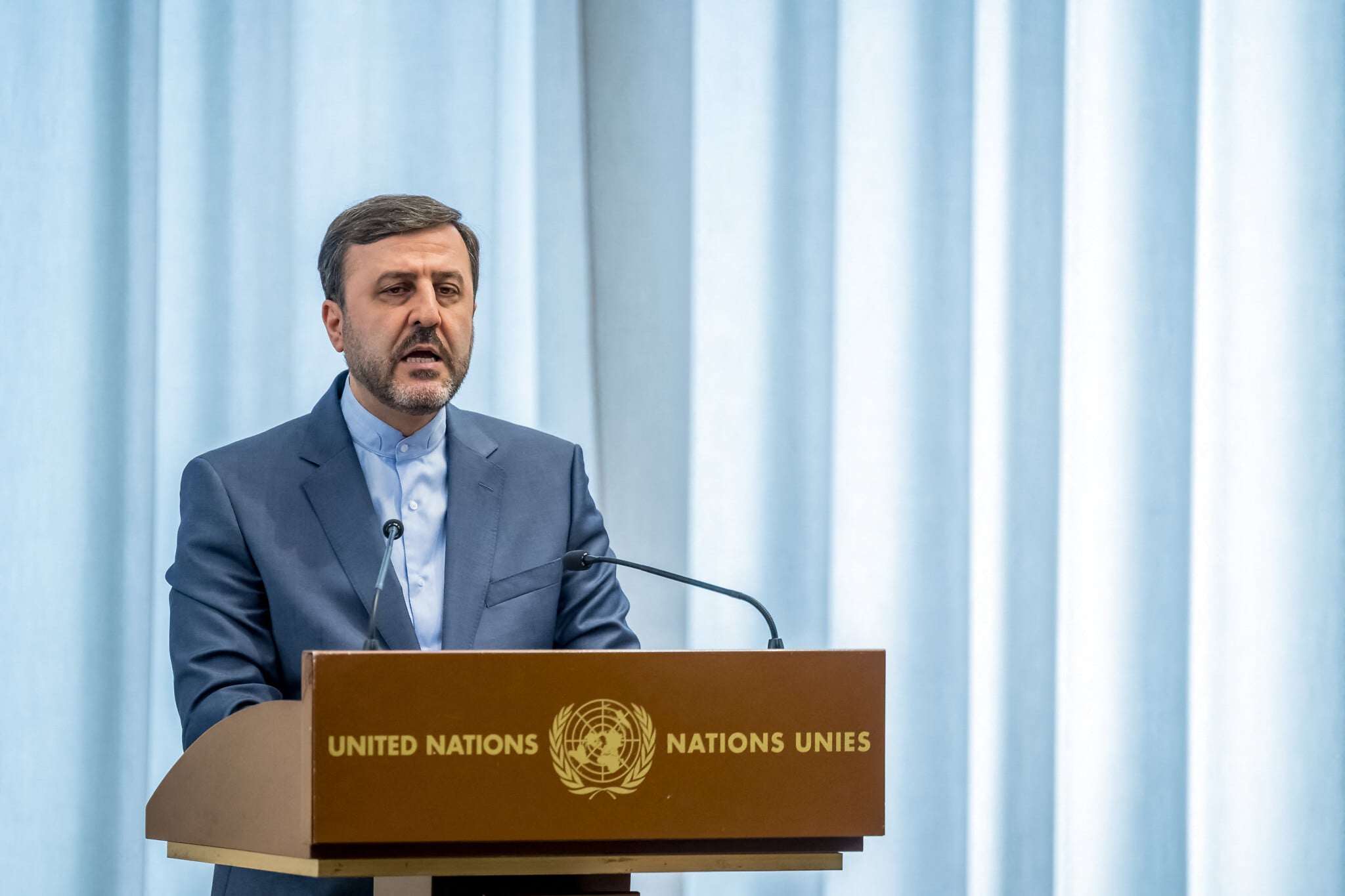
In comments to Iran’s official IRNA news agency, Iranian Deputy Foreign Minister Kazem Gharibabadi said the arrangement was “designed in such a way that commercial ships will pass through Iranian territorial waters, both on the inbound and outbound legs of their journey.”
He said the talks with Oman had “reached fundamental understandings” and added: “This progress is on the verge of being finalized.”
Gharibabadi also said Iran had received messages from the United States indicating that it was “fully prepared to return to its commitments” under a mid-June memorandum of understanding with Iran that provided for immediate cessation of military operations.
He said this was a condition for reopening of the strait, but not enough in itself, while adding that no talks with the United States had been held in recent days.
A Wednesday report on Channel 12, meanwhile, said the strait would be open for 60 days and that vessel traffic entering Hormuz toward the Gulf will pass through the Iranian side of the strait, while traffic exiting the channel toward the Arabian Sea will use the Omani side. During the 60-day period, no tolls will be charged by any side.
During the first 30 days, the parties will work to clear mines from the strait — something that may well take longer, given that there are an estimated 70 to 100 explosive devices planted in Hormuz, the Channel 12 report said. After the main lane of the strait is cleared, it will be used for both incoming and outgoing vessel transit.
The report said Oman and Iran will use the 60-day period to negotiate a permanent arrangement for ship traffic through the Strait of Hormuz.
Issues reportedly remain unresolved
There was no immediate US comment on the proposal, and while Trump has said a deal reopening the strait is imminent, US officials have repeatedly insisted they would never agree to Iran controlling access to the world’s most important trade route for energy supplies.
The regional and Iranian sources who spoke to Reuters cautioned that significant issues remained unresolved and also pushed back against suggestions from Trump that a deal reopening the strait was imminent.
“The concession has already been made regarding some form of control over Hormuz,” one of the regional sources told Reuters.
The other regional source said there were still details to be determined about how “control” would be defined, with Gulf negotiators insisting regional countries supervise inspections of ships, and that any payment of fees be voluntary.
According to the senior Iranian official, Iran is seeking fees of between 5% and 7% of the price of cargoes from ships using the strait. Oman is discussing smaller fees of around 3%, while Washington wants there to be no fees at all.
Making any fees voluntary, at least nominally, could be a way out of the impasse, although an implied threat of Iranian attacks could mean shippers would be unlikely to risk transit without paying.
An Iranian source said, “The devil is in the details. A single tweet from Trump could cause the whole thing to collapse.”
Houthis say they attacked 2 Saudi oil tankers
In addition to the dispute over Hormuz, the Houthis, an Iran-backed terror group in Yemen, has also declared a maritime blockade on Saudi Arabia in the Red Sea.
On Wednesday, the Houthis said they attacked two Saudi oil tankers as part of the blockade. These were the eighth and ninth Saudi oil tankers targeted since the start of the blockade last month, according to figures given by a Houthi military spokesman.
Saudi authorities had no immediate comment on the report.
The group “successfully targeted the Saudi oil tanker Wafa in the northern Red Sea, off the coast of Yanbu, with a number of ballistic missiles,” Yahya Saree said in a video statement.
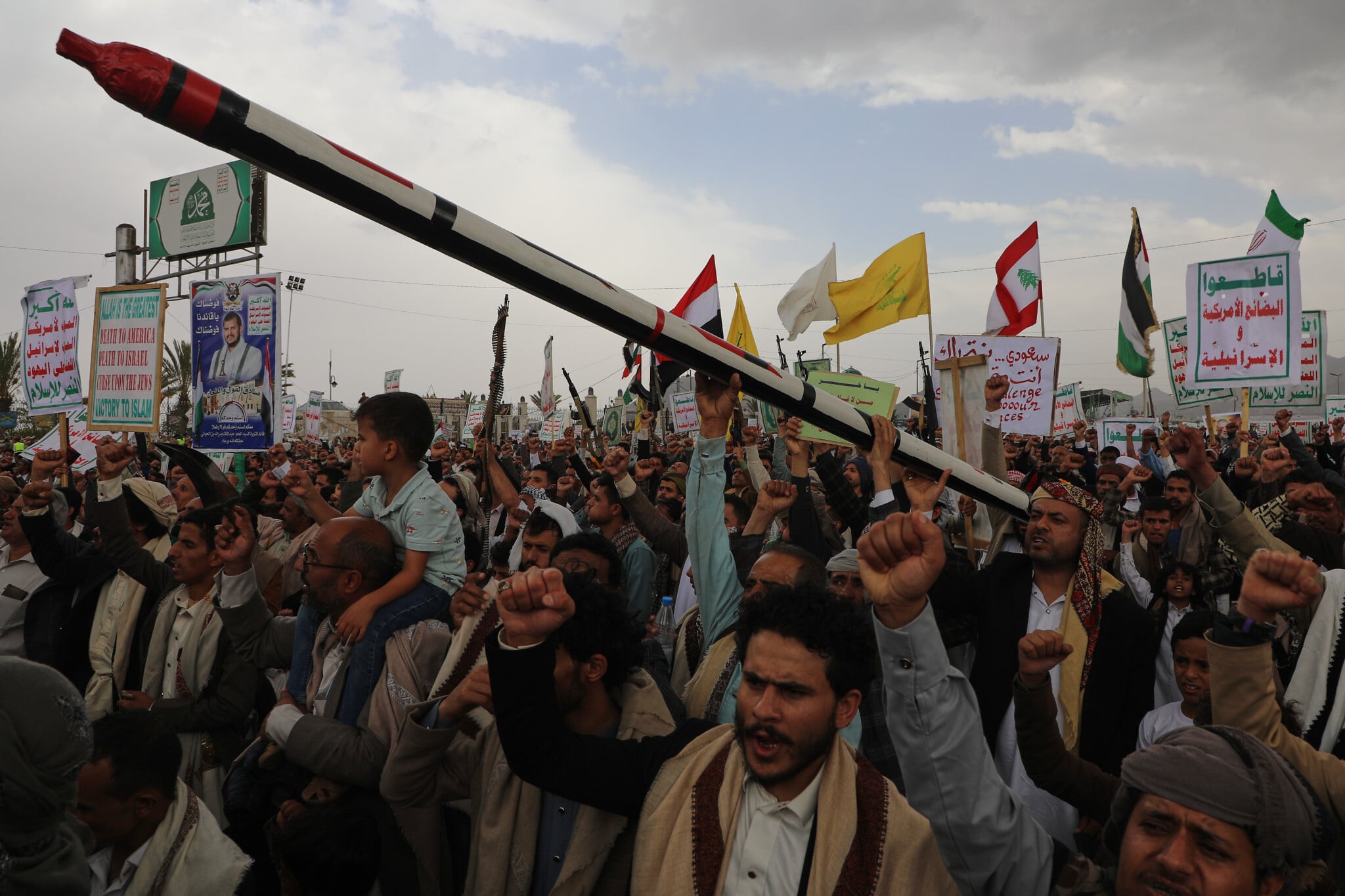
In a later statement, Saree said the rebels targeted the “Saudi oil tanker Daisy in the Gulf of Aden with a ballistic missile,” referring to the waterway that connects to the Red Sea.
The Houthis declared they will escalate attacks in the northern Red Sea because Saudi Arabia is diverting its oil tankers there from the south in response to their blockade.
Ship-tracking data showed that shipping traffic at the Strait of Hormuz and the Bab el-Mandeb was little changed on Tuesday from the previous day.
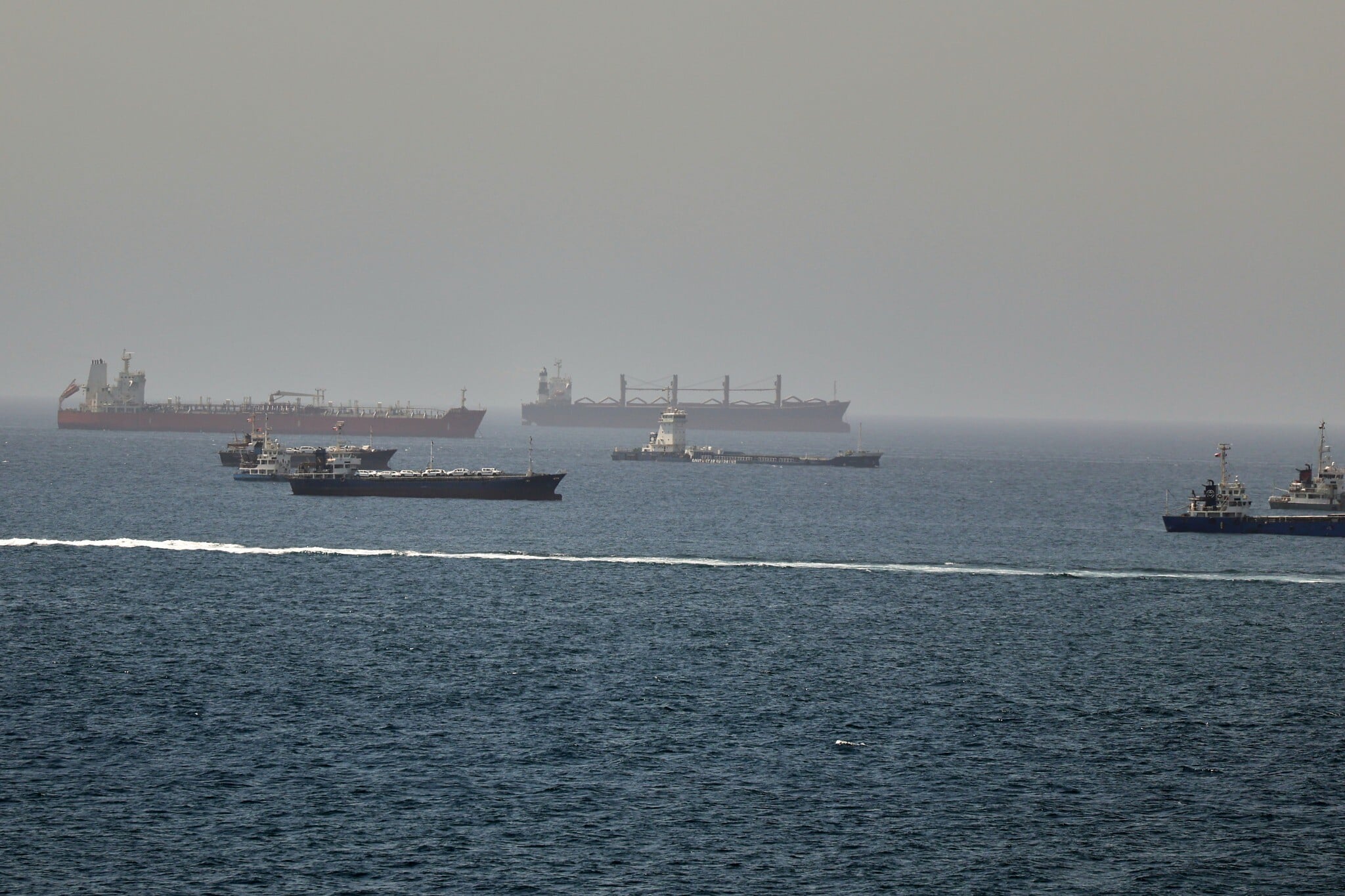
Eight vessels transited the Strait of Hormuz, including five tankers and three bulk carriers, shipping data from Kpler showed, the same as the previous day. Six of the vessels, three tankers and three bulk carriers, were entering the strait, while a gas carrier and a tanker were exiting.
Roughly 130 to 140 ships would typically transit the waterway before the US-Israeli war with Iran began on February 28 and Iran responded by closing the strait.
Araghchi urged Gulf states to dissuade Trump from strikes
Iran has repeatedly struck Gulf states throughout the war, with the United Arab Emirates the most heavily hit. It threatened to do so again following a threat from Trump last week to strike Iran.
The warning was delivered through a flurry of high-level diplomatic contacts after Trump threatened on July 28 to strike Iran’s energy network and infrastructure, five sources told Reuters.
The warning from Iran to the Gulf states came in a conversation between Iranian Foreign Minister Abbas Araghchi and his Saudi, Turkish and Qatari counterparts, as well as Pakistan’s army chief, according to two senior Iranian officials, two Gulf sources and a senior regional diplomat with knowledge of the discussions. All spoke on condition of anonymity because of the sensitivity of the matter.
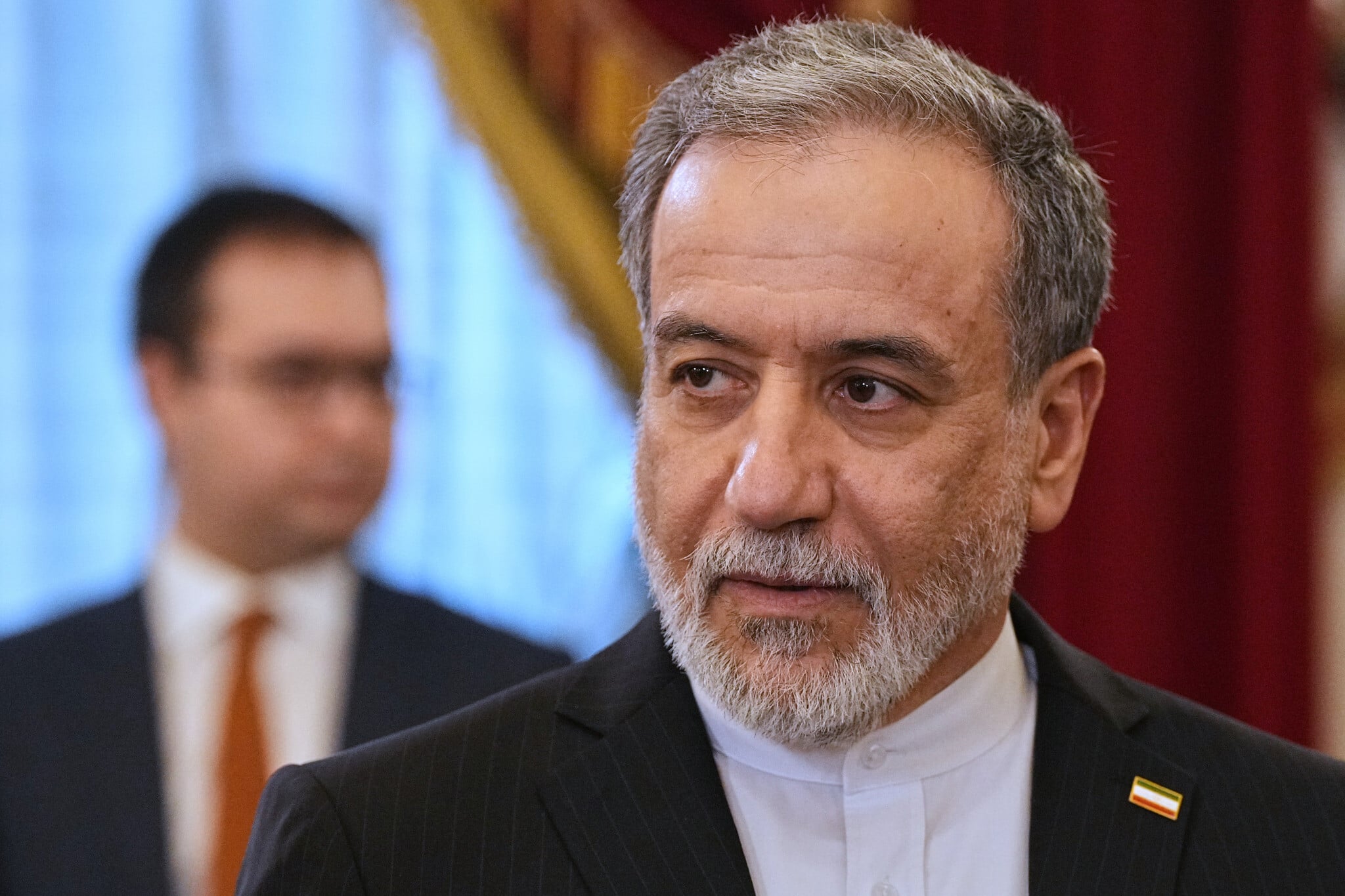
Araghchi urged Washington’s Gulf allies to use their influence with Trump to dissuade him from launching renewed strikes, the senior diplomat said, warning that any attack on Iran would prompt retaliation against US assets and energy facilities across the Gulf.
His message was consistent in every conversation, the diplomat said: “We’re ready to retaliate, but finding a diplomatic solution is the best way to avoid wider escalation and destruction across the region.”
“The Iranian warning was unequivocal: if America targeted Iran’s infrastructure, they would retaliate by striking Gulf energy facilities and other regional targets,” one Gulf source said.
Iran’s clerical leadership has repeatedly demanded the closure of US military bases in the Gulf and called on Gulf Arab states to stop sharing intelligence with Washington, which Tehran believes has been used to facilitate attacks against it.
According to one Iranian official, Tehran’s warning made clear that any new US strike would be met with attacks on energy facilities, refineries, electricity grids, water infrastructure, transport networks and oil fields across the Gulf.
“The enemy continues to threaten Iranian infrastructure. If Iran suffers damage, it will inflict far greater damage in return,” the official said.
MBS reportedly asked Trump to call off strikes
Saudi Crown Prince Mohammed bin Salman subsequently spoke with Trump, urging him to delay military action, return to negotiations, secure a ceasefire and pursue a diplomatic settlement, the senior diplomat and Gulf sources said.
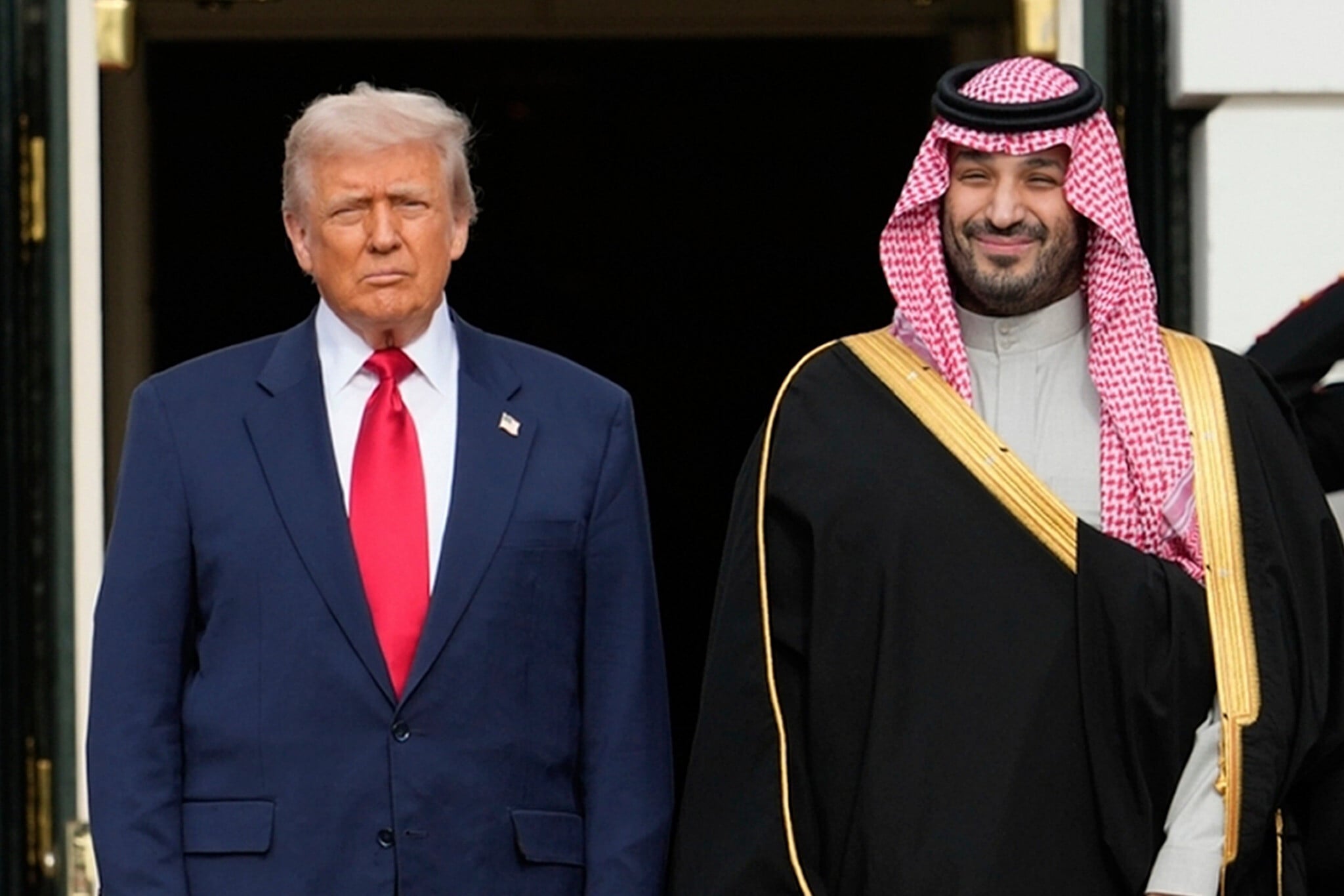
The warning was intended for every Gulf state, another Gulf source said, but was conveyed primarily through Saudi Arabia and Qatar. On August 2, Trump said he agreed to cancel the attack on Iran “subject to being able to rapidly make a deal.”
“Saudi Arabia believes further escalation will only bring more destruction,” the first Gulf source said. “That is why it urged Trump to give diplomacy a chance.”
While urging Washington to pursue diplomacy, Riyadh also made clear it would defend itself if threatened. The second Gulf source said Saudi Arabia warned that any attack on its territory would be met with a military response.






The Times of Israel Community.