

Israel not planning further evacuations from Ethiopia amid fighting, says minister
Ofir Sofer reportedly tells activists there’s unlikely to be a repeat of last week’s extraction of 204 Israelis and Ethiopians eligible for citizenship
 Add ToI as a Preferred Source on Google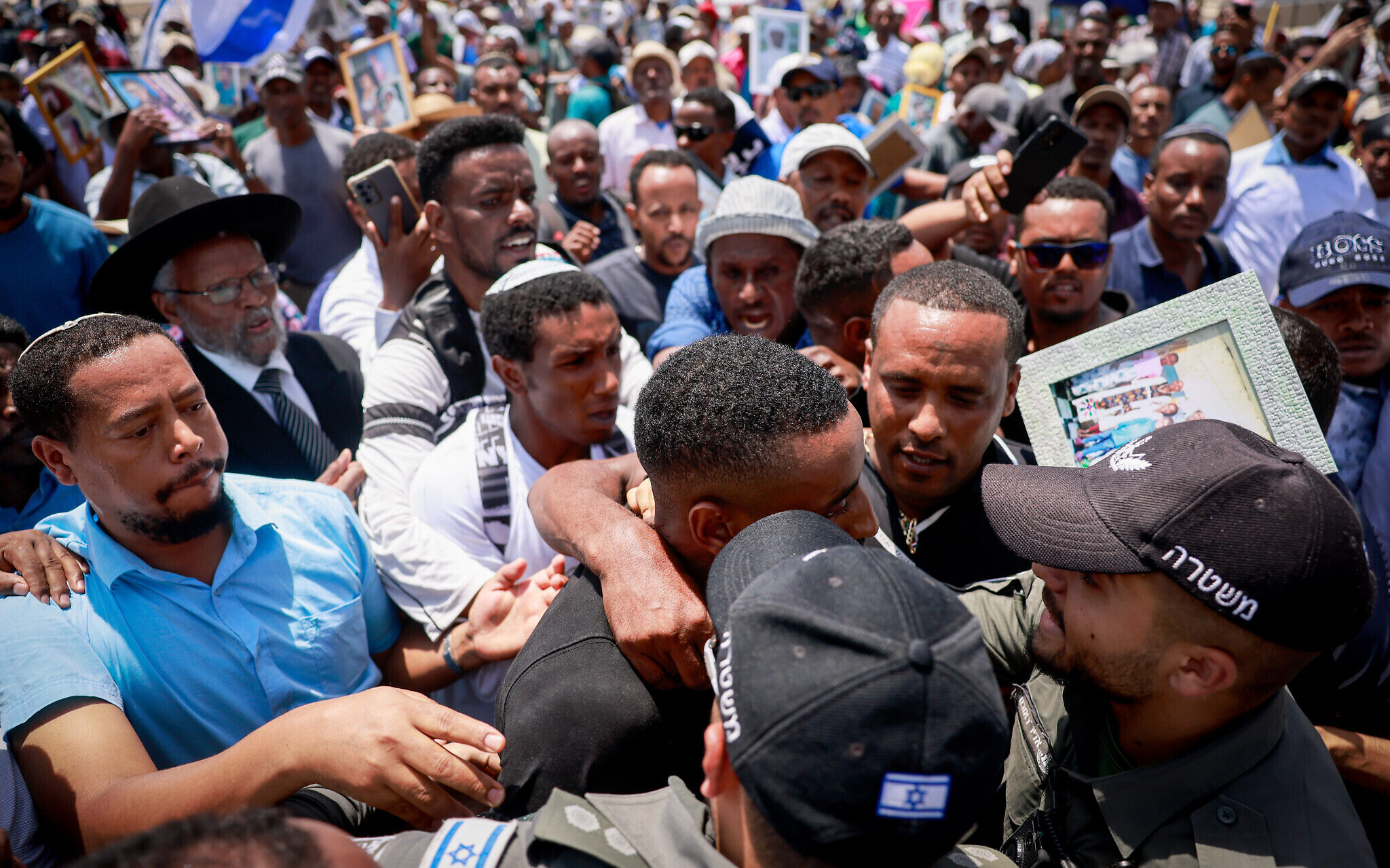
There is no extraction mission being planned out of Gondar, Ethiopia, for locals who say they have Jewish roots, Immigration and Absorption Minister Ofir Sofer said Monday.
According to the Ynet news site, Sofer’s comments were made in a meeting with activists working to increase immigration quotas from Ethiopia following their protest rally on Sunday in Jerusalem, in which hundreds of Israelis of Ethiopian descent demanded that more people be let into Israel from the African country in light of fighting between rival factions in its northern provinces.
“Today proves that we are not brethren,” the Struggle to Bring the Jews of Ethiopia, an unofficial alliance of activists, said in a statement following the meeting. “Those who airlifted 200 Israelis out of Ethiopia while leaving thousands in Gondar, at the center of the inferno of war, are directly responsible for their fates.”
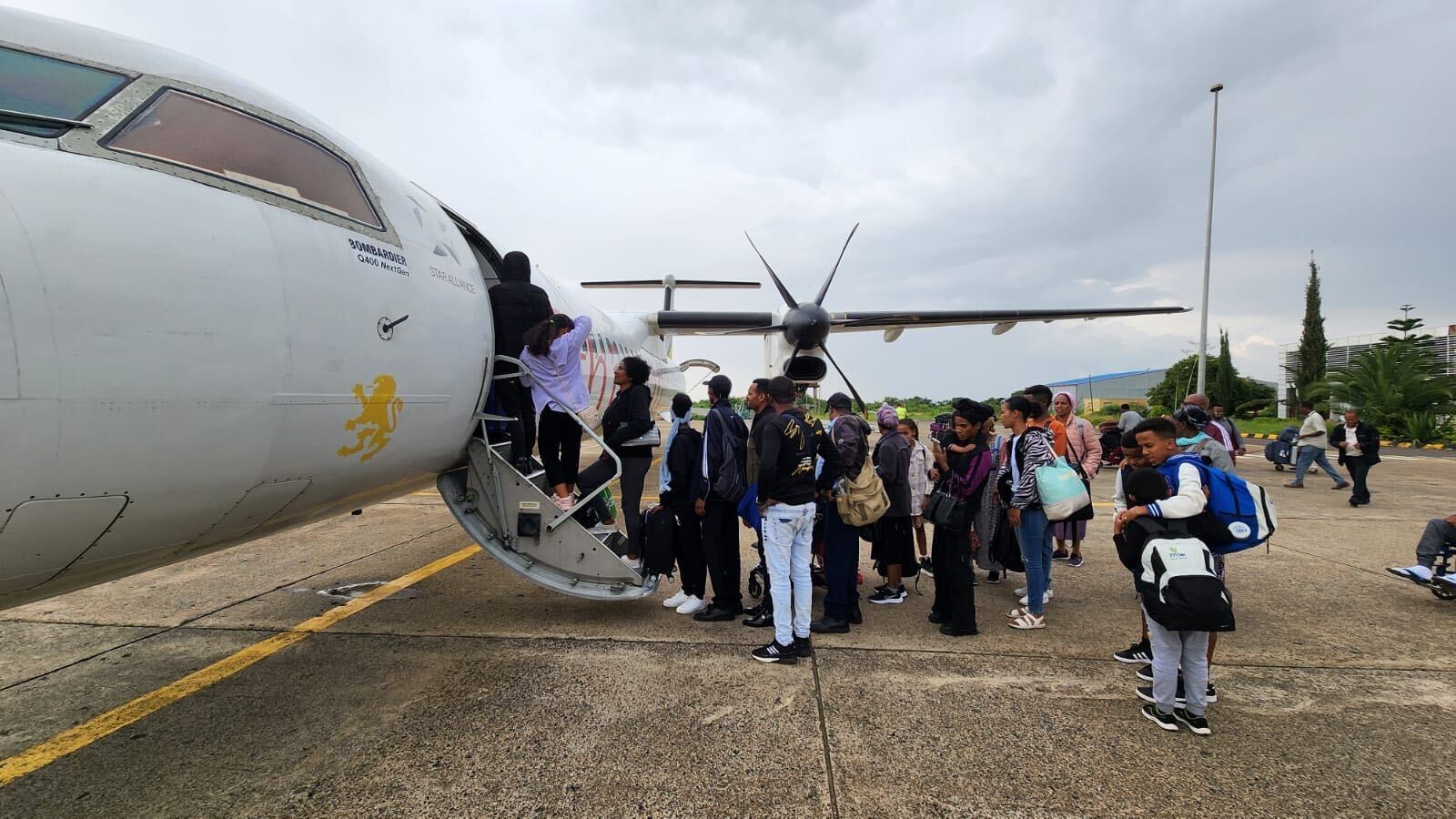
Last week, Israel extracted 204 individuals that the government said are either Israelis or eligible to immigrate to Israel under the Law of Return for Jews and their relatives.
Ethiopia is home to thousands of people who say they have Jewish roots but are not eligible to immigrate under that law. That group, known as Falash Mura, is descended from Ethiopian Jews who converted to Christianity under duress in the 19th century.
The Falash Mura stayed behind in Ethiopia as Israel extracted in the 1980s and 1990s what is widely seen as the main and oldest Jewish presence in Ethiopia, known as Beta Israel. In 1992, Beta Israel Ethiopians living in Israel began lobbying for their Falash Mura relatives who had stayed behind to be allowed to immigrate.
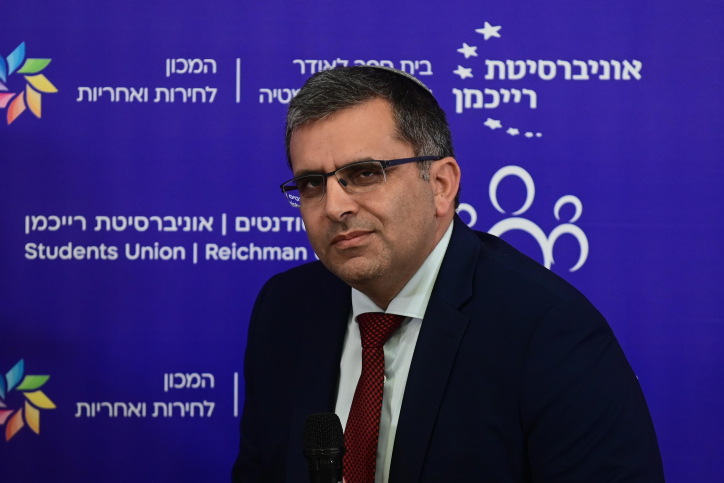
In a statement about Sofer’s meeting, his office sidestepped the issue by referring only to immigration under the Law of Return.
“Any further claim of eligibility to make aliyah to Israel under the Law of Return will be thoroughly checked and handled,” his office says. Sofer heard the issues raised by the activists for Falash Mura immigration “and replied that the subject is being examined seriously and will be treated in an orderly fashion,” the statement added.
The battle to bring over those members of the community remaining in Gondar has been ongoing for years, with subsequent governments repeatedly promising and at times backtracking on plans to “complete” the mission. With each wave of immigration, those in Israel have lobbied to bring over the relatives they left behind, in what often appears to be a never-ending cycle.
Many in the current far right-religious coalition have sought to limit immigration to Israel of those who are not considered Jewish under halacha, although recent waves of Ethiopian immigrants are all required to undergo conversion following their arrival.
According to Ethiopia’s government and residents, the country’s military has recaptured several areas in Amhara from local militia fighters as details of dozens of civilian deaths began to emerge from the region despite an internet shutdown.
The military reclaimed control of six towns, including the regional capital, Bahir Dar, and Amhara’s second-largest town, Gondar, according to a government statement issued Wednesday night. The statement said a curfew was imposed in those areas but flights were set to resume.
The federal government declared a state of emergency in Amhara on Friday after regional authorities lost control and asked for help. The violence erupted over attempts by Ethiopia’s federal government to disband Amhara regional forces after the end of a two-year conflict in the neighboring Tigray region. Amhara forces and militia fought alongside Ethiopia’s military in that conflict.
Residents told The Associated Press there was fierce fighting between military personnel and militia members in Bahir Dar and Gondar until Tuesday. Around 20 civilians killed during clashes with the military were buried Monday in the Lideta area of Bahir Dar, a resident said.
Analysts fear the Amhara militia, known as Fano, may continue its struggle in the countryside using guerrilla tactics. The United States, the United Kingdom and other countries have advised their citizens not to travel to the Amhara region.
The violence is a blow to Ethiopia’s recovery from the Tigray conflict, which killed hundreds of thousands of people and spilled into the Amhara region, causing widespread damage.
Human Rights Watch has said the new state of emergency rules in Amhara, which include a prohibition on protests and increased powers of arrest, undermine basic rights.
Lazar Berman and AP contributed to this report.




The Times of Israel Community.