

Journalist thought her Israeli freedom-fighter mother hid something big. She was right
In ‘My Underground Mother,’ premiering at the SF Jewish Film Festival, Marisa Fox grapples with her Polish-born mother’s motives for keeping secrets and hiding her true identity
 Add ToI as a Preferred Source on Google
Renee Ghert-Zand is the health reporter and a feature writer for The Times of Israel.
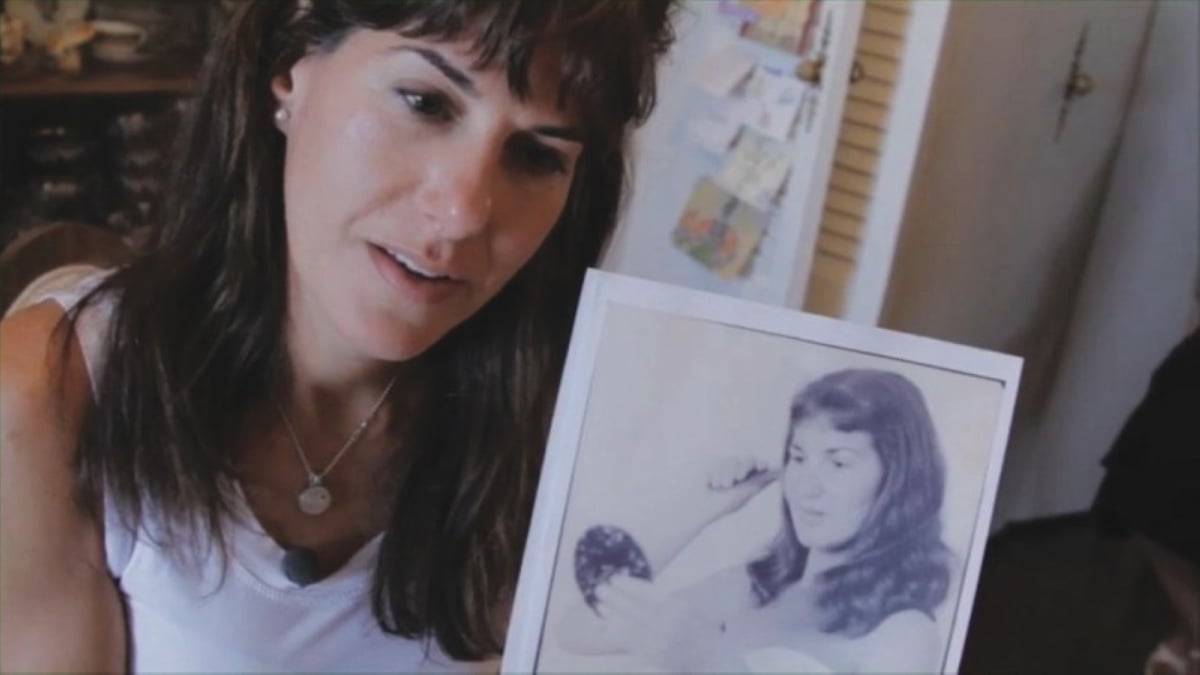
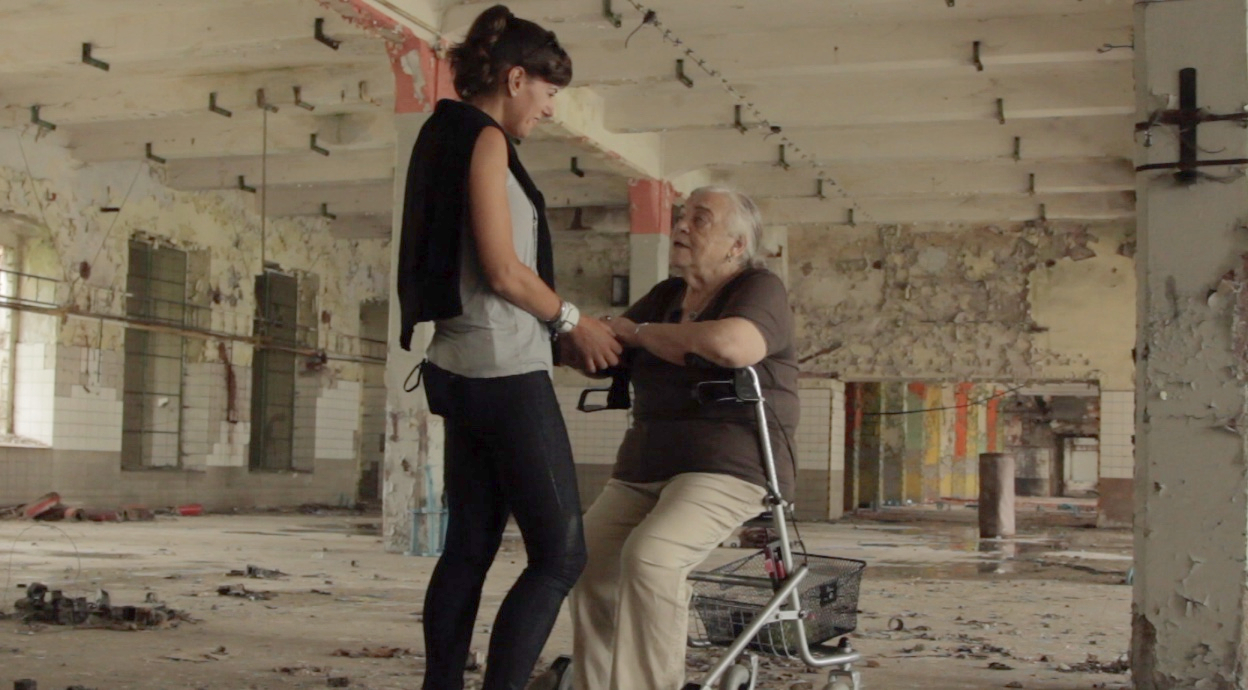
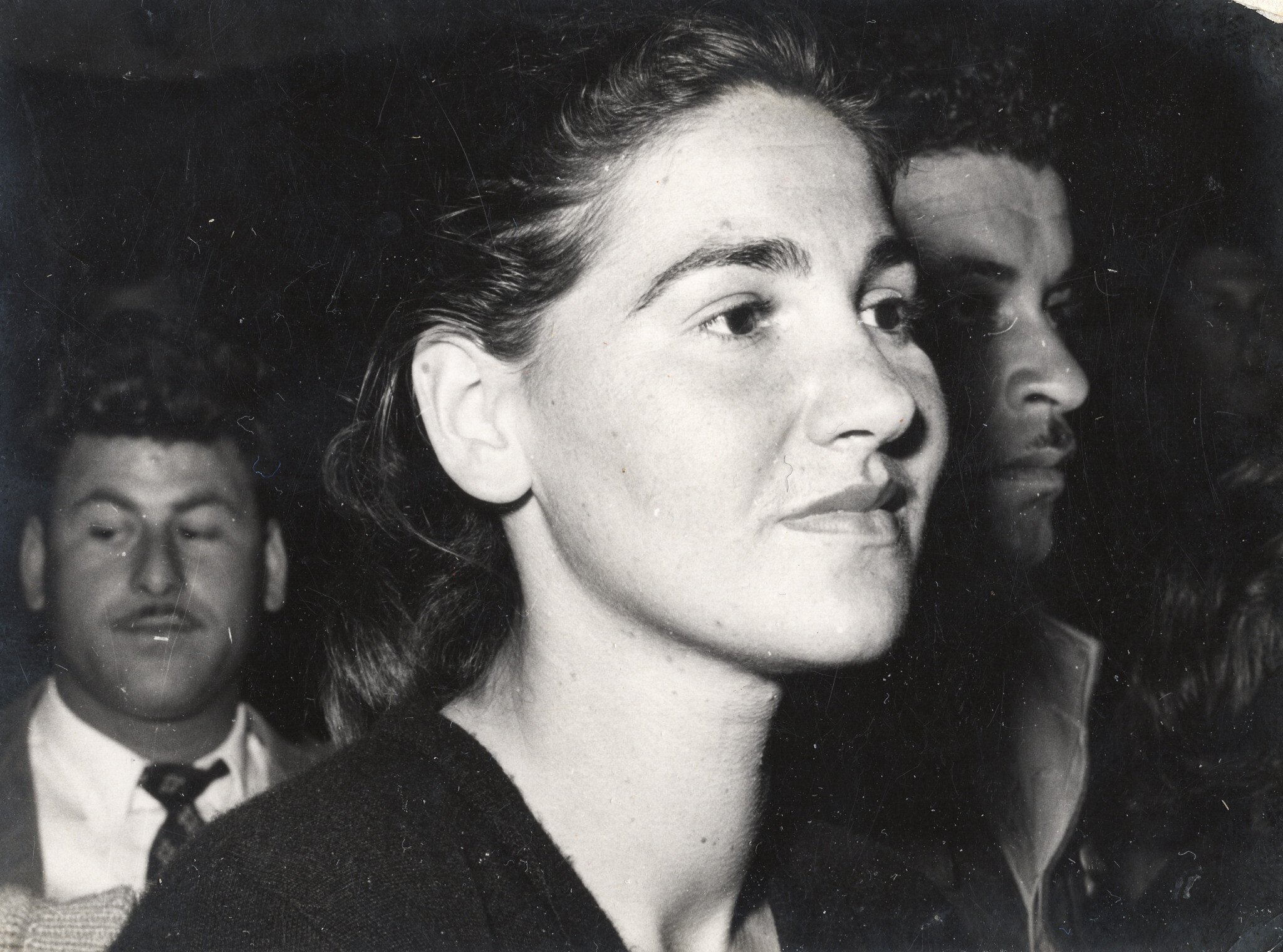
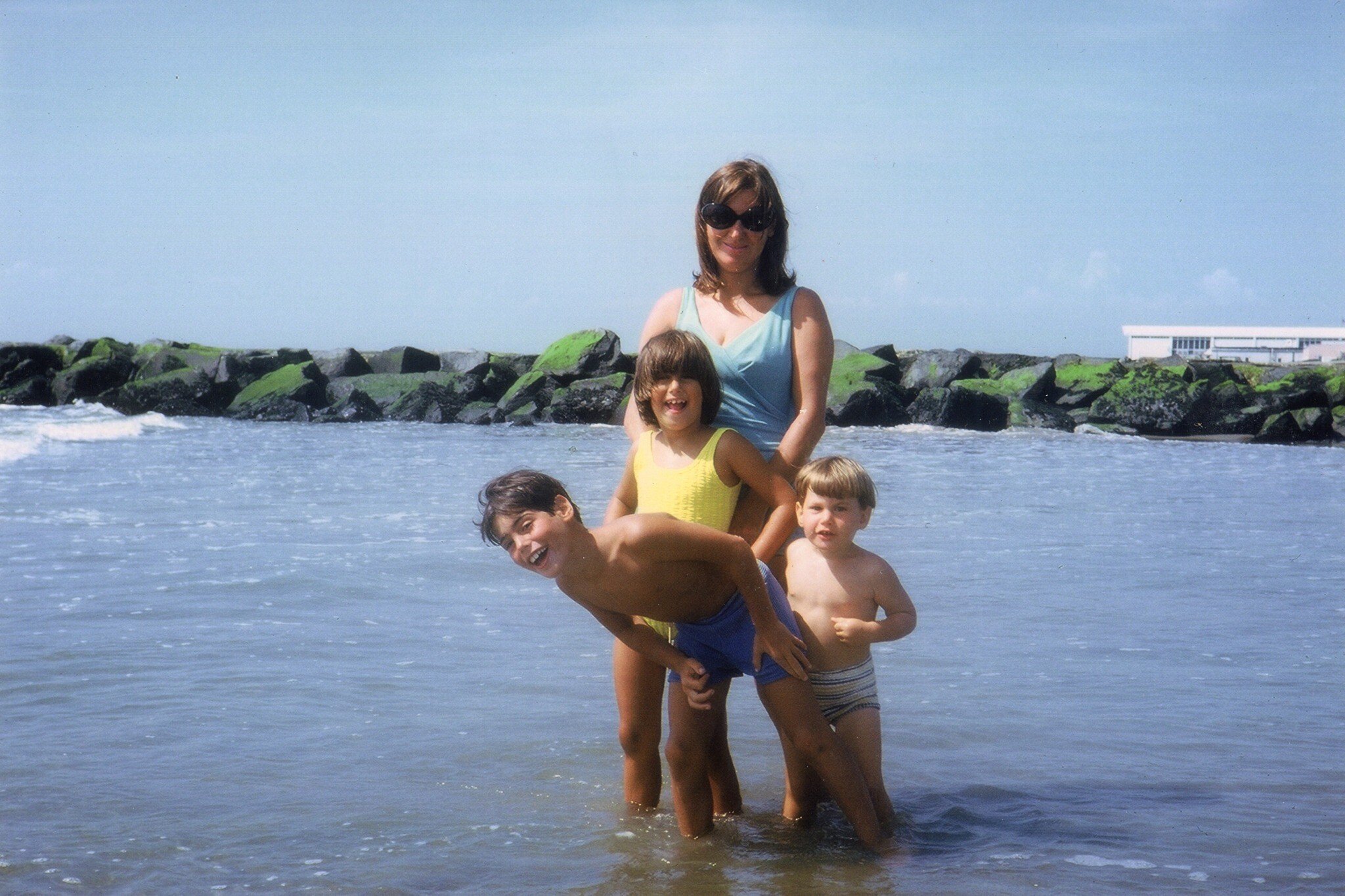
As Marisa Fox was growing up in New York, her mother, Tamar, would take her to double features on the weekends. The movies were full of spies, femmes fatales, action, and intrigue. As she got older, it occurred to Fox that her mother may have been borrowing heavily from these films when sharing information about her past.
“I was a spy, I had love affairs with high-ranking officers,” Tamar would boast. But when Fox asked for details, her mother would end the conversation with, “No more questions.”
Fox, a journalist, felt something was amiss with the little her mother shared about her life story, but she was never able to coax the truth out of her. Tamar died in 1993 at age 58, taking her secrets to her grave.
It was only around 15 years ago, after a great-aunt confirmed for Fox that her mother had a hidden identity, that she began an odyssey to uncover exactly who Tamar was and what she might have kept from her husband and children.
The result is the documentary “My Underground Mother,” which will have its world premiere at the San Francisco Jewish Film Festival on August 2. What started as a story about a mother and daughter morphed into an account about a lesser-known aspect of the Holocaust: The sisterhood of Jewish teenage girls and young women who toiled the entire war in Central European forced labor camps, often subjected to sexual violence.
“I grew up with a mother who talked about being an Israeli freedom fighter, and that was it. I knew she was born in Sosnowiec, Poland, and that her mother was killed in Auschwitz. She had cobbled together this crazy story about how she fled on the cusp of the Nazi invasion and managed to get on a boat to Palestine, but the dates didn’t ever connect,” Fox said in an interview with The Times of Israel.
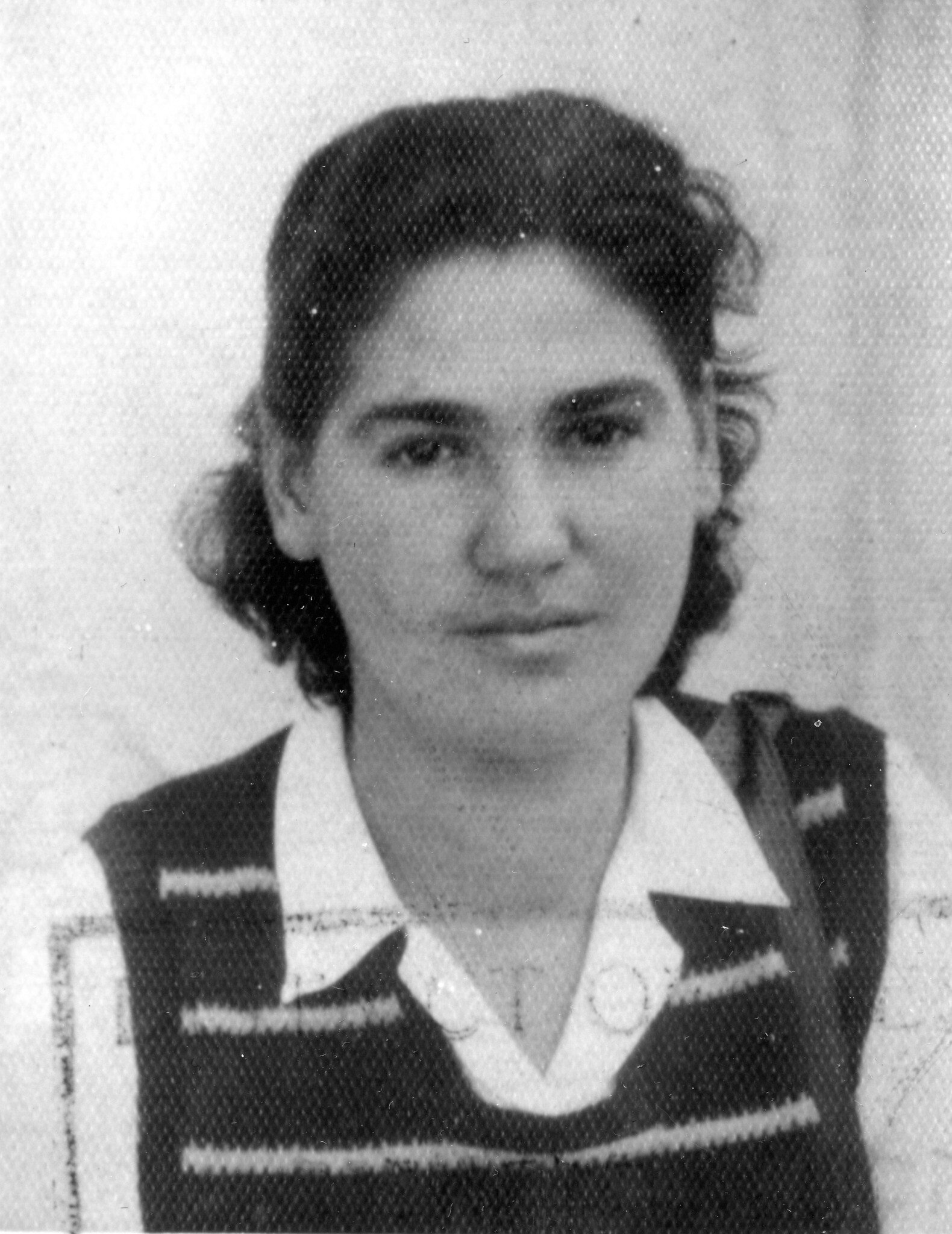
After immigrating to the US in the late 1950s, Fox’s mother gave her year of birth as 1935. That would have made her four years old just before World War II started. It was improbable that such a young child would make her way from Poland to Palestine on her own, but Tamar insisted it had happened, and that her father was already in Palestine, waiting for her arrival.
In truth, Tamar was born in 1926, making her a young teenager at the outbreak of the war. Her father, a Mr. Fromer, was, in fact, in Palestine in 1939, but she had no idea he existed. Additionally, Tamar Fromer was not a name anyone in Sosnowiec recognized.
Tamar was born Hela Hocherman. She was raised by her single working mother, whose husband died just a few weeks after Hela was born. Mr. Hocherman had registered the baby girl’s birth, but didn’t sign the paperwork. Fox surmises that he didn’t sign because he wasn’t Hela’s biological father; Mr. Fromer was. Hela’s mother and Mr. Fromer had had an affair, a disturbing fact that Fox’s mother learned only after she arrived in Palestine in 1946 on an illegal boat from Europe.
For her whole life, Tamar stuck to her story of being in Palestine during the war. She spoke of her glory days as a member of the extremist Jewish underground Lehi (Stern Gang) that fought the British, and later as an IDF soldier during the War of Independence. It didn’t matter that the math didn’t add up; if she had been born in 1935 as she claimed, she wouldn’t have been a sniper and planting bombs just a decade later.
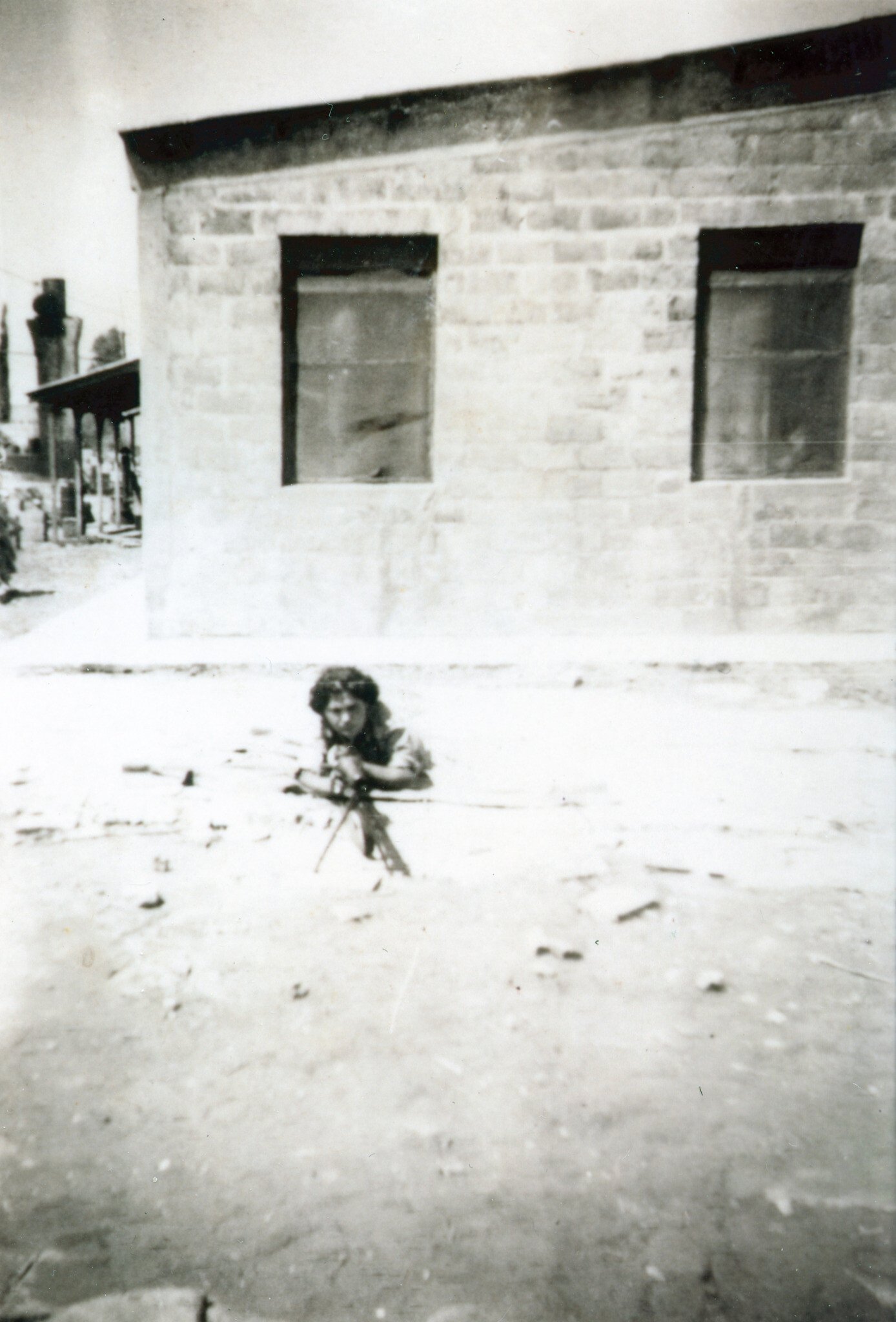
“I was a hero, not a victim,” Fox’s mother would insist, as her daughter recounts in the film.
Indeed, she was a hero in the fight for Jewish independence in pre-state Israel. However, she was also a victim of the Nazis, a fact that she obscured throughout her entire life.
“I have a cousin on my mother’s side in Israel, who is the torchbearer for our family history. His father was my grandmother’s only sibling to survive the Holocaust. My cousin hesitated to tell me that my mother had been in the Holocaust, but he did tell me… I think he was torn between honoring my mother’s silence and his commitment to family history and Holocaust memory,” Fox said.
Digging for roots
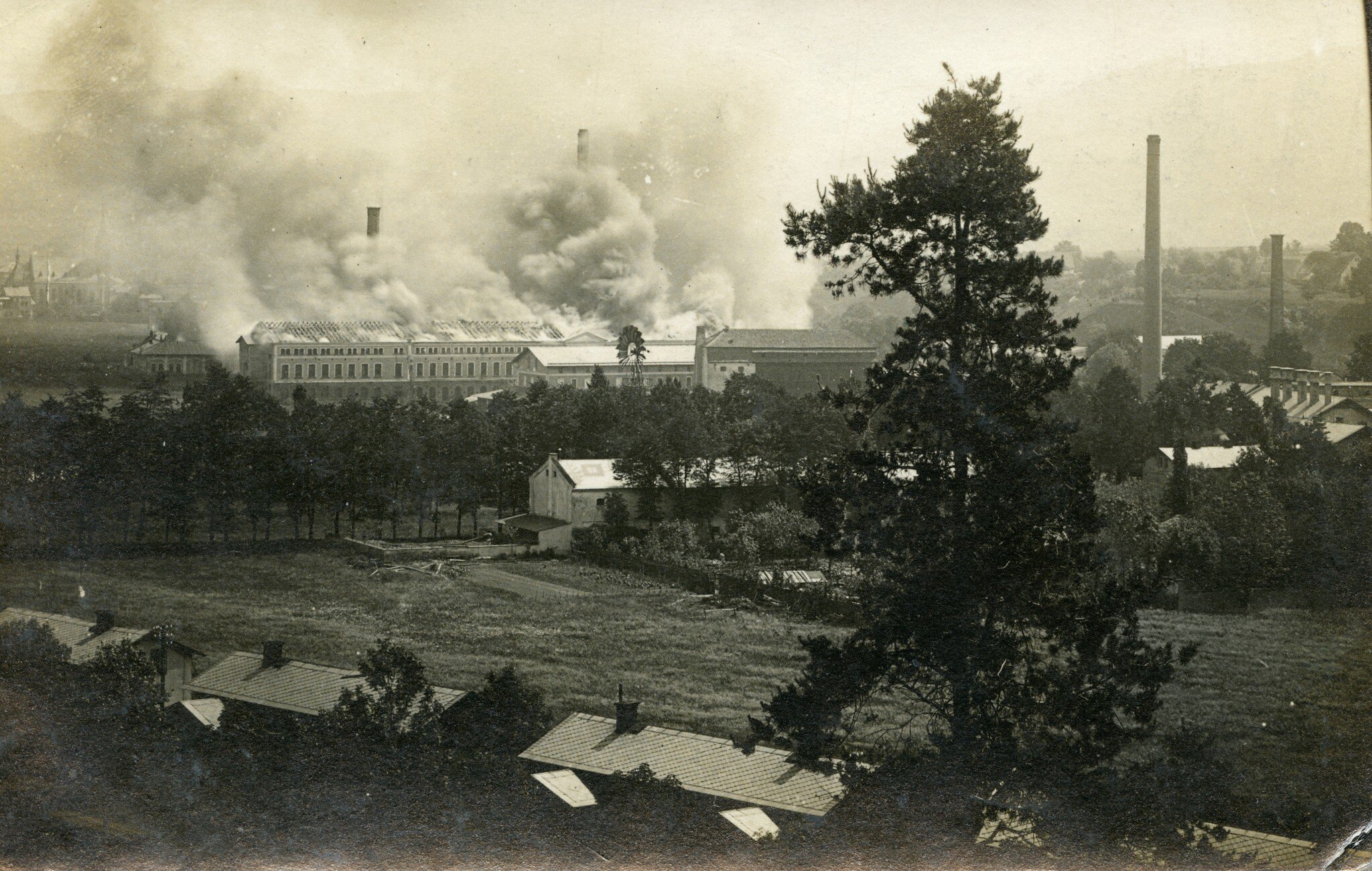
Once Fox had her mother’s original name, she was able to start digging in Holocaust archives, such as those at Yad Vashem and the United States Holocaust Memorial Museum. She learned that her mother and most of the Jewish teenage girls from Sosnowiec and the surrounding area in southwestern Poland were abducted from the local ghetto for forced labor in the Nazi-annexed Sudetenland in what was formerly Czechoslovakia.
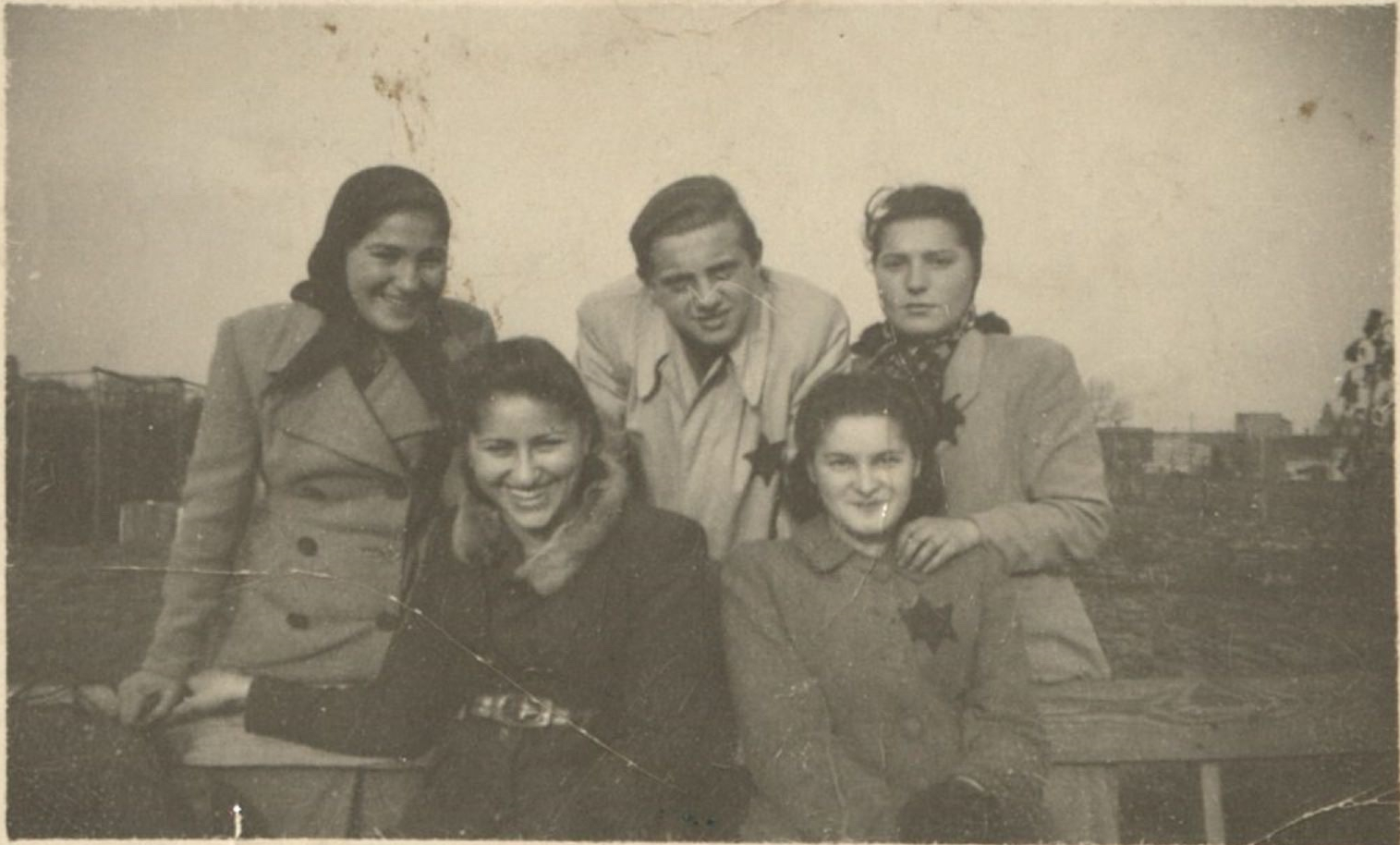
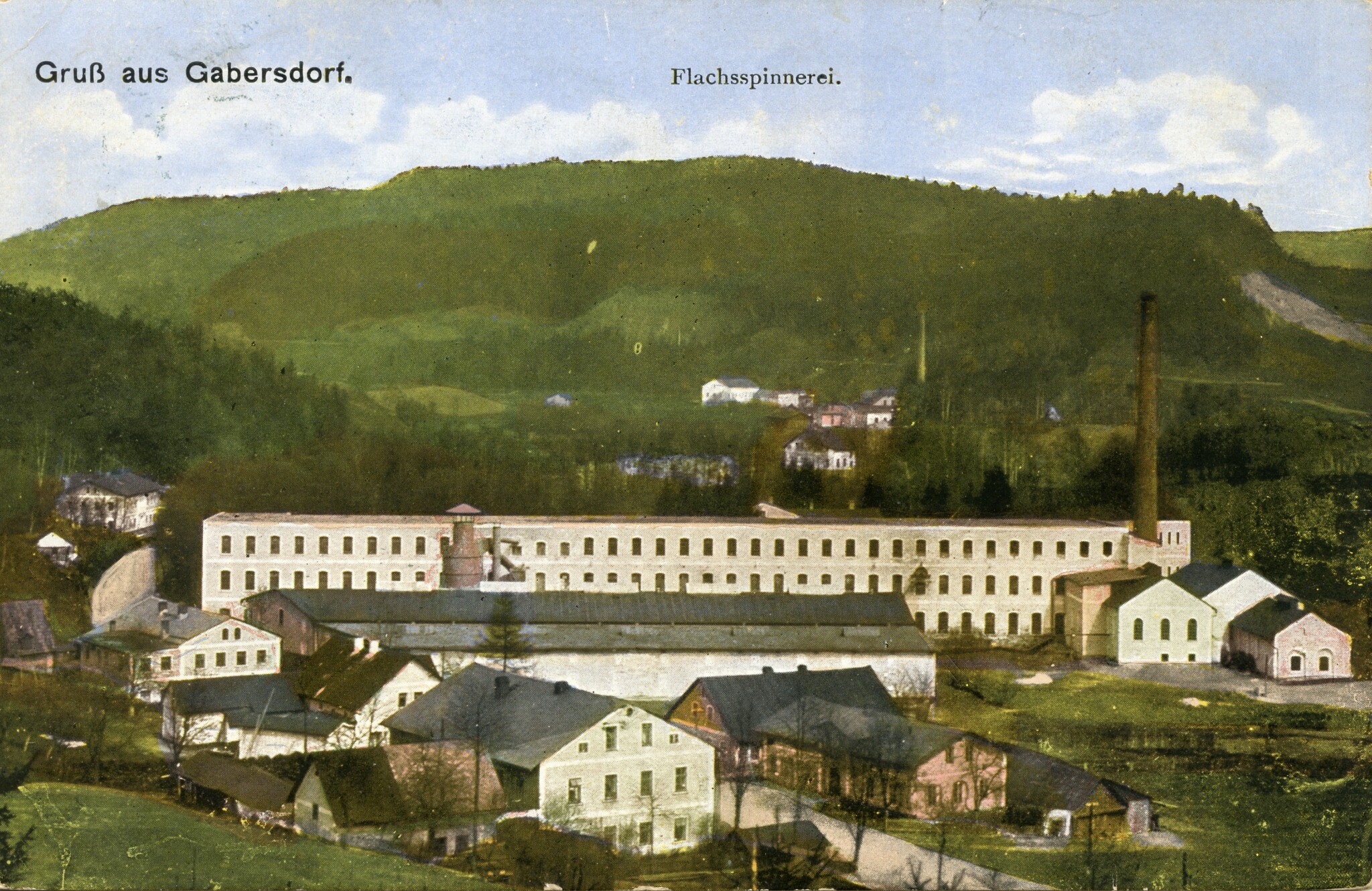
Records showed that Hela was in the Sosnowiec ghetto in 1940, and that by 1941 she was at the Gabersdorf forced labor camp in Trutnov. In all, 4,000 Jewish girls were taken to 10 camps in the Trutnov area. At first, these camps, like the other 170 forced labor camps for Jews in Central Europe, were at the sites of existing private enterprises that had been Aryanized. Hela was assigned to work for the German war effort in a flax spinning mill under harsh conditions. She entered at age 14 and survived until liberation by the Russians four and a half years later.
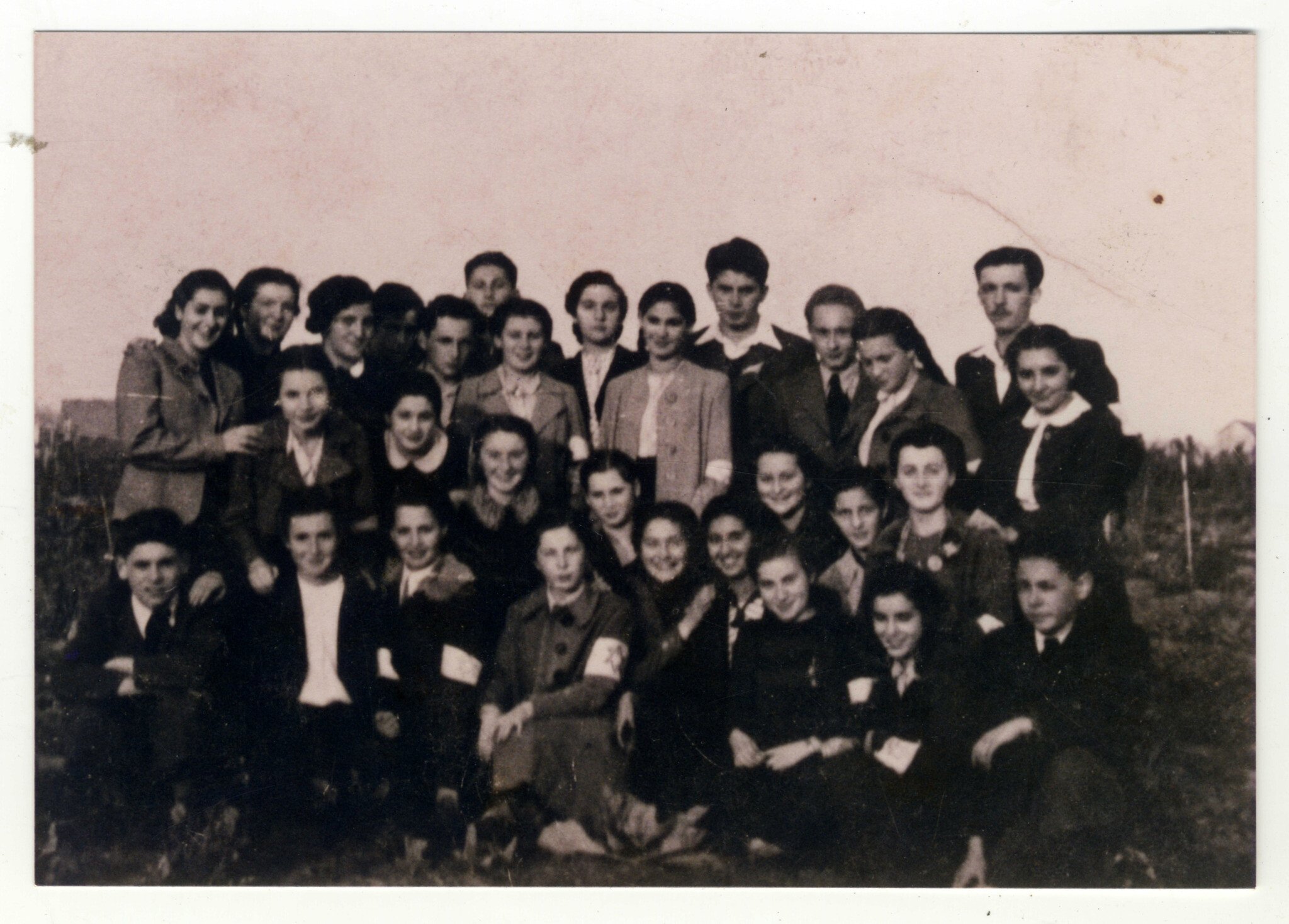
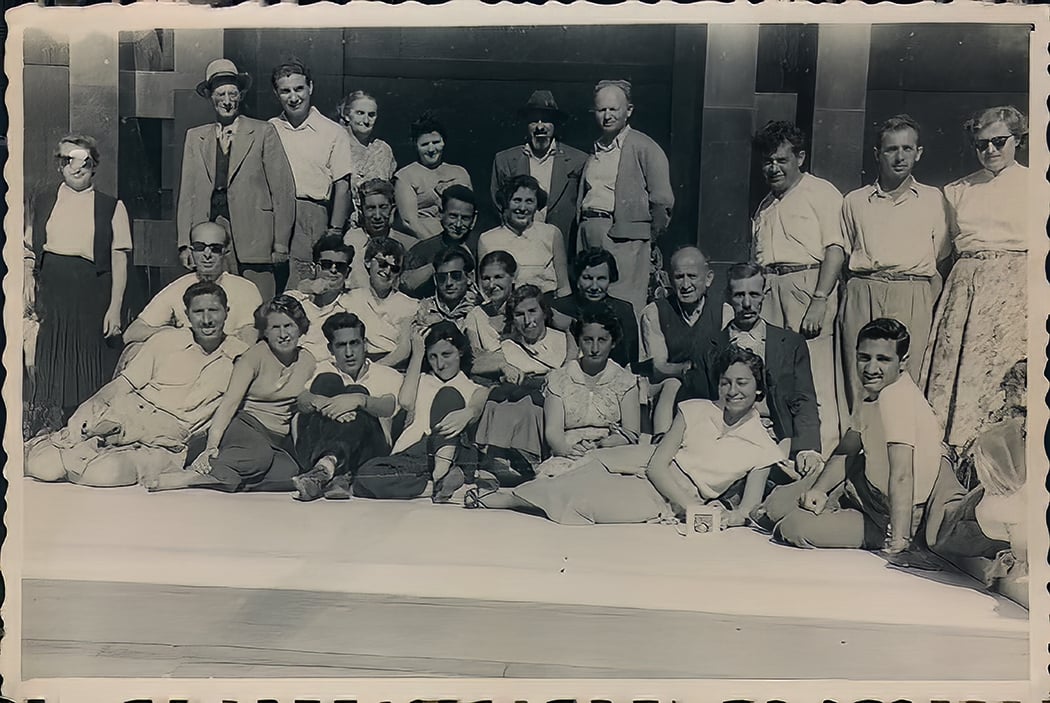
The backbone of “My Underground Mother” is the filmed interviews Fox conducted with a dozen surviving lager schvesters (camp sisters in Yiddish) from Gabersdorf she tracked down in the US, Israel, Sweden, and Australia. Although these women kept in touch and met at reunions, Fox’s mother had severed ties with all of them. Through their memories of what happened in the camp, Fox learned who her mother was before she became Tamar Fromer — and what she endured.
An entry in a collaborative journal written by some 60 of the incarcerated girls held in the Yad Vashem archives also sheds light on their experience. Hela’s entry hints at her defiant nature:
Yes, unfortunately, our reality is grey and grim. We are in a concentration camp… But this will pass just like a nightmare. These thick prison walls will disappear. The smoldering flames of despair will burn out and fade into fleeting sparks. Only these dusty pages will remain and remind you of the terrible, tragicomedy playing out within these bleak camp walls.
In memory of our shared misery,
Hela Behira Hocherman from Sosnowiec, April 27, 1942
Some of the camp survivors Fox located were immediately willing to speak and meet with her. Others were more reticent.
“It took me six years to get [one of the women] to talk to me on camera… It was a real issue of trust,” she said.
Underreported sexual brutality
Some of the women spoke about sexual violence perpetrated against the Jewish teenagers. They didn’t necessarily think of the trysts some of the girls had with British POWs at the camp in this way. Often, the girls offered sexual favors in return for food that the soldiers gave them from their Red Cross packages, which the Jews never received.
“These were women who wanted to be viewed as having agency. So some of them viewed their trysts with the POWs as them having the upper hand and said to themselves, ‘I know what I’m doing. I’m not being taken advantage of.’ On the other hand, others felt that they were. I wanted to let each woman [share] how she perceived those relationships,” Fox said.
“Some of them wanted to be humanized. They felt this aching need to feel like girls, like women. They were adolescents with raging hormones. They were interested in love and sex. One of the women told me that some of the girls didn’t want to die without having experienced love or lust or some human contact. For others, it was humiliating. It varied, and I didn’t want to put on my 21st-century feminist lenses and say, ‘Well, you know, in wartime, any sexual barter is a war crime.’ That wasn’t going to get me anywhere with these women, so I allowed for these divergent narratives,” she said.
Fox makes clear in the film that these quasi-consensual relationships differed completely from the all-out sexual violence perpetrated against the girls once Germany centralized and ramped up war production in 1943. This put the forced labor camps like Gabersdorf under direct SS control and administration and made them satellites of the concentration and death camps.
Some of the women recounted having to line up naked in the mess hall one day. A selektion by drunk, rowdy SS officers took place, with the unlucky girls chosen for brutal rape in the flax fields. Some of the women recalled that girls disappeared from the camp altogether, possibly forced to service German soldiers on the Eastern Front.
“We knew what it is to be a Jew, but we did not feel it on our bodies until Hitler came,” said Natalie (Nacka) Mehlman Scharf, one of the Gabersdorf schvesters.
Liberation by the Russians in 1945 did not spell an end to the horrors. Russian troops raped an estimated two million women as they pushed westward into Germany and its occupied territories. One of the women interviewed recounted how even some Jewish underground members from Palestine working to smuggle Holocaust survivors out of Europe demanded sexual favors.
None of the women admitted outright that they had personally been abused or trafficked. However, the tears the women shed while discussing the subject hinted that they might have been directly affected.
“I think you can read between the lines [as you watch them speak],” Fox said.
Fox told The Times of Israel that as she learned about her mother, she came to recognize that she must have felt a deep shame resulting from a confluence of factors. She suspects that her mother was sexually violated and that that was one reason she wanted to make a clean break from her past.
“With my mother, one lie led to another. She kept redrafting her life, and the more she did that, the more she became somebody so completely different than the woman she had been before. This makes me so sad, because how could she ever have been free? How can you live a whole life if you’re always running away from your past?” Fox said.




The Times of Israel Community.