

Key Knesset defense panel to meet on IDF readiness fears as reservist protest mounts
Defense minister to appear before group in closed-door session as US concerns regarding Israel’s army come to fore; protesters plan fresh demonstration in Tel Aviv
 Add ToI as a Preferred Source on Google
The Knesset’s powerful Foreign Affairs and Defense Committee will hold a closed-door briefing with Defense Minister Yoav Gallant, according to Wednesday reports, as more air force reservists made good on threats to stop volunteering for service following the passage of part of the government’s judicial overhaul.
The meeting, reportedly scheduled for Monday, will focus on the Israel Defense Force’s operational readiness in the face of protests by reservists vowing to quit volunteer service due to the far-reaching changes to the judiciary being pushed through the Knesset by the government.
On Wednesday, some 120 reservists who had already signed a letter vowing to suspend service if the controversial “reasonableness” bill passed, informed their commanders that they were making good on their threat, according to protest organizers. The reasonableness bill passed into law on Monday, despite massive pressure on the government to hold off on the measure.
Around 1,200 air force reservists in all signed the threat last week, and as of Wednesday evening, over 800 had taken themselves out of the pool of volunteers.
The number includes some 260 pilots, according to the Kan public broadcaster, which reported a significant drop in the number of reservists at the air force’s flight school.
On Tuesday, IDF spokesman Daniel Hagari told reporters that military readiness may soon be harmed by the protests.
“If reservists do not report for duty for a long time, there will be damage to the army’s competence. This is a gradual process that will be affected according to the reporting for duty of the reservists,” he said.
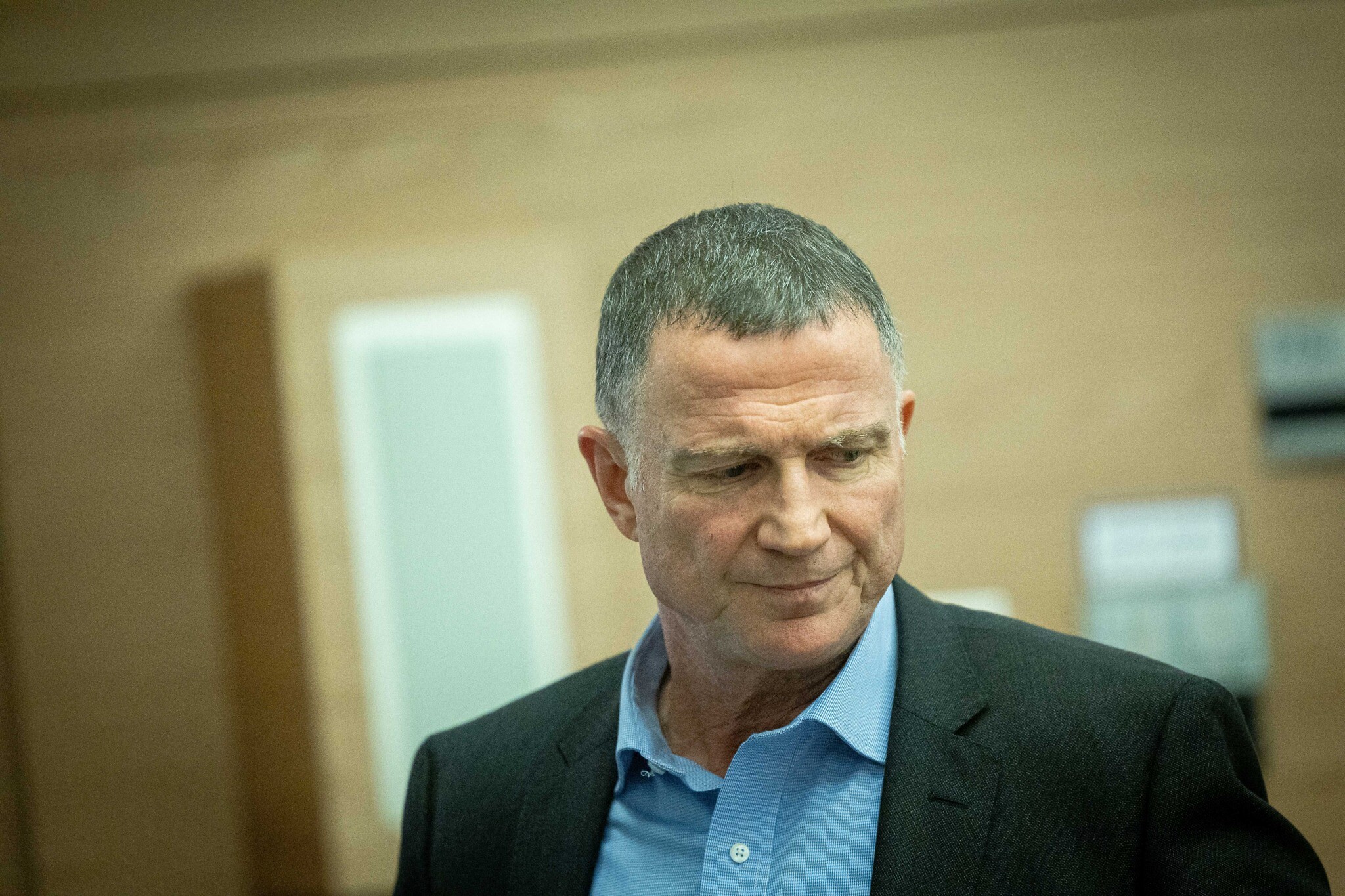
Likud MK Yuli Edelstein, who heads the Defense and Foreign Affairs Committee, on Wednesday called the meeting after holding off for weeks despite pressure from other lawmakers to hold a discussion on how the army was dealing with the refusals, according to Haaretz.
The meeting will be the first by the committee since reservists began their public protest, which has only snowballed in the interim. Protests by reservists and others ramped up in recent weeks as the government advanced the bill restricting the court’s ability to declare government moves unreasonable, culminating in massive nationwide demonstrations earlier this week when the bill passed.
Government figures have been accused of dismissing concerns about military readiness, preferring instead to push ahead with the legislation after compromise talks collapsed.
The IDF has said it has been updating Gallant and Prime Minister Benjamin Netanyahu frequently, sometimes daily, on the military’s readiness amid the protests by reservists.
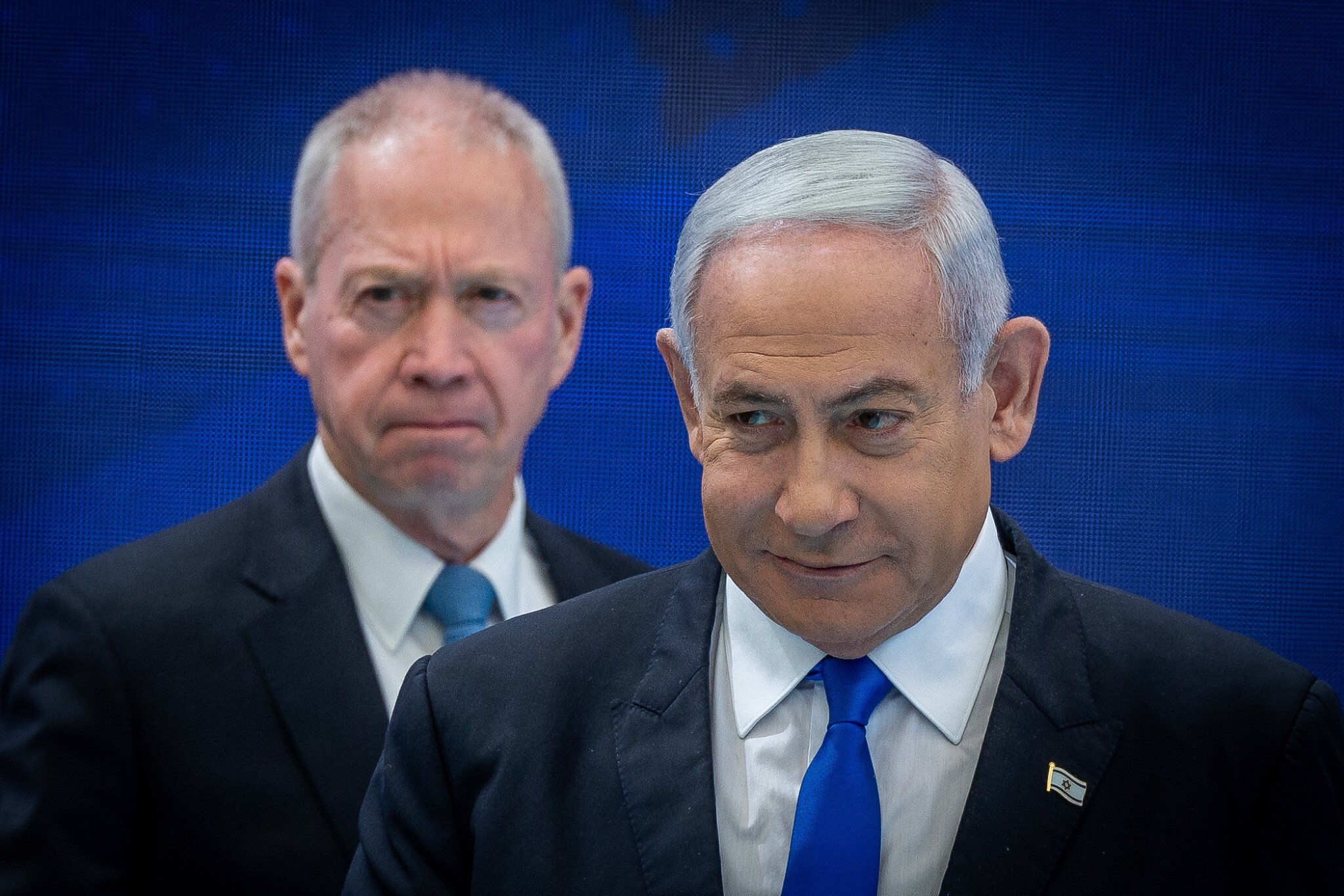
However, according to Haaretz, Netanyahu refused to meet with IDF chief Herzi Halevi on the matter until after the bill passed. The two spoke Tuesday, and Halevi issued a rare video statement pleading for unity in the army’s ranks.
Reservists, especially members of the air force, are a key part of the army’s routine activities. Defense officials have said pilots could harm their competency by taking breaks from their frequent training exercises, and it would take a significant amount of time to restore their flying abilities.
The issue of military readiness came up in talks between US Pentagon chief Lloyd Austin and Gallant Tuesday, according to Channel 13 news.
After Austin relayed American concerns, Gallant attempted to allay his fears but admitted that it was impossible to tell how things might shake out, the channel reported, without citing a source for the information.
The US considers Israel among its most important military allies in the region, with capabilities outmatching its neighbors, billions in annual US military aid, and an army kept on its toes by constant security tensions.
A fall in Israeli readiness would likely affect US military planning in the region, and the issue has been discussed at the Pentagon, the CIA and in the office of National Security Adviser Jake Sullivan, Haaretz reported Wednesday, without providing details or a source.
According to the Kan public broadcaster, US officials have signaled to Israel in recent days that it needs to decide whether it will “waste its energy” on the judicial overhaul or pursue more significant pursuits, such as normalization with Saudi Arabia.
Despite the reports of intense US efforts, the Gallant-Austin call remained the only public contact between Jerusalem and Washington since the reasonableness law’s passage, reflecting US President Joe Biden’s wary stance toward Netanyahu and his government.
“The fact that a conversation like this took place between the Israeli defense minister and US defense chief is a political-security debacle,” said former defense minister Benny Gantz, a leading opposition lawmaker.
Wednesday also saw the European Union weigh in, calling for Israeli lawmakers to seek consensus, and saying it was following events in Israel relating to the judicial overhaul “with concern.”
“It is important to reach a compromise which would be acceptable for the Israeli citizens and political parties,” the EU’s diplomatic service said in a statement. “The ongoing debates and demonstrations are a sign that a considerable part of the Israeli population is concerned about the reforms and that Israel is a vibrant democracy.”
The international reaction to the passage of the law, which also included condemnations from Jewish Diaspora groups, sparked questions Wednesday from opposition MK Idan Roll, who sent a letter to the Foreign Ministry on Wednesday asking if it tried to prepare diplomats for the passage of the law and give them tools to soften the backlash abroad.
According to Israeli reporter Barak Ravid, diplomats said they did not hold meetings or other preparations to deal with the fallout.

The passage of the law has rippled across other strata of Israeli society, sparking a protest strike from doctors and other medical staff Tuesday and leading international credit rating agency Moody’s to warn of “negative” economic consequences in the offing.
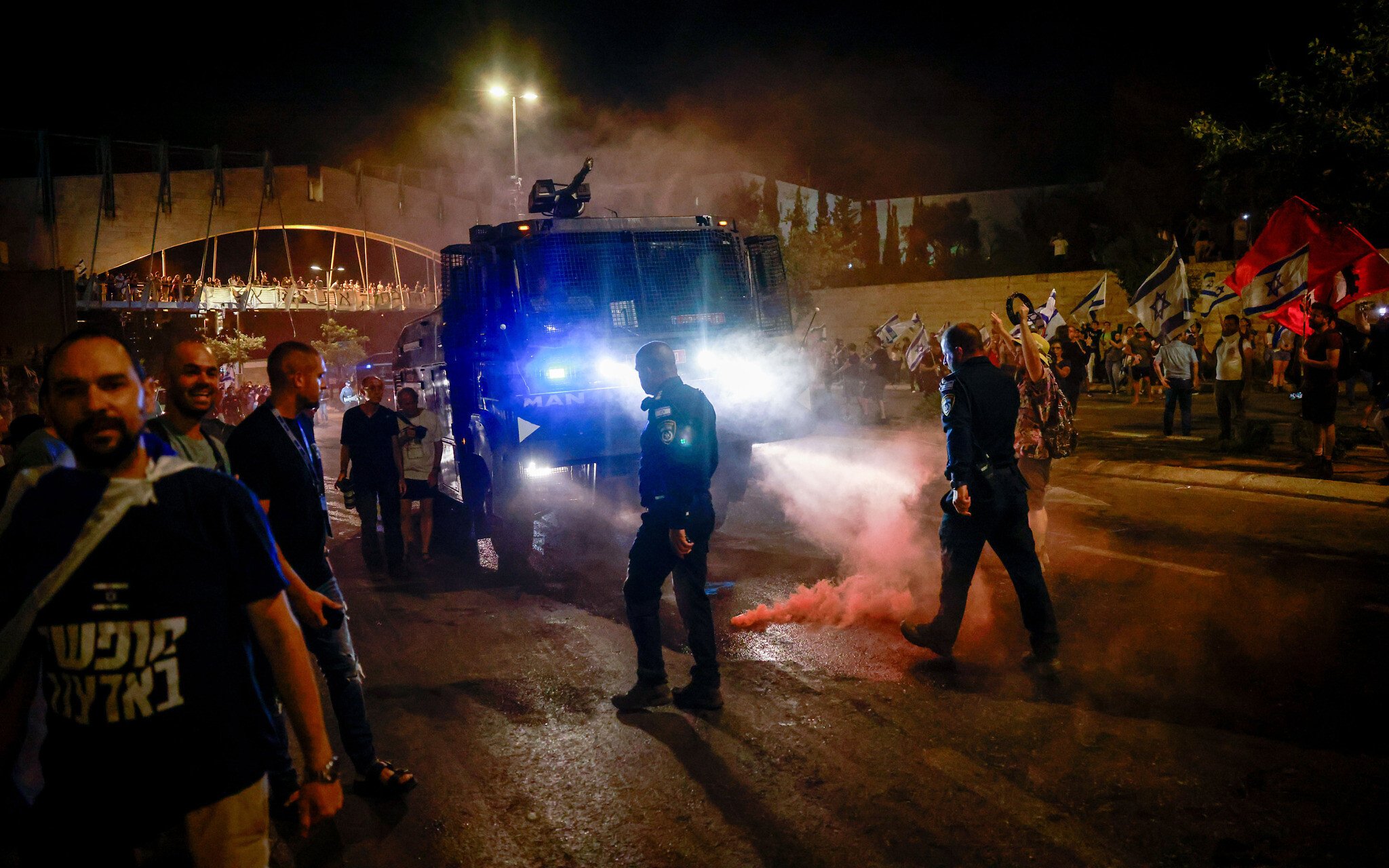
Anti-overhaul protest organizers said they will return to the streets Thursday, vowing to keep up their fight with the government planning to push ahead with more laws that critics charge will shackle the judiciary and fundamentally alter Israel’s democratic system.
“The Israeli government passed a clearly illegitimate law that has a black flag flying above it, and is therefore becoming a clearly illegitimate government,” protest organizers said in a statement Wednesday, urging people to rally outside IDF headquarters at Kaplan Street in Tel Aviv.
Netanyahu called again for compromise talks in a message marking the Jewish fast of the Tisha B’Av that starts Wednesday night, but opposition figures have so far dismissed the public overtures, saying the premier is beholden to hardline partners who will not let him compromise.
The law passed Monday prevents the courts from reviewing the “reasonableness” of government and ministerial decisions, the first major bill of the government’s judicial overhaul to pass into law.
Critics say the overhaul will concentrate power with the governing coalition, removing key oversight roles fulfilled by the courts and leaving rights unprotected. Proponents claim that the absence of legislation has allowed unelected judges to grab power and undermine democratic decisions.








The Times of Israel Community.