

Kibbutz Nir Oz suspends cornerstone-laying event to protest cabinet meeting on Gaza plan
Kibbutz chairman urges government to return hostages as part of agreement, even if price is high, says Nir Oz understands dangers of Hamas better than cabinet members
 Add ToI as a Preferred Source on Google
Sue Surkes is The Times of Israel's environment reporter
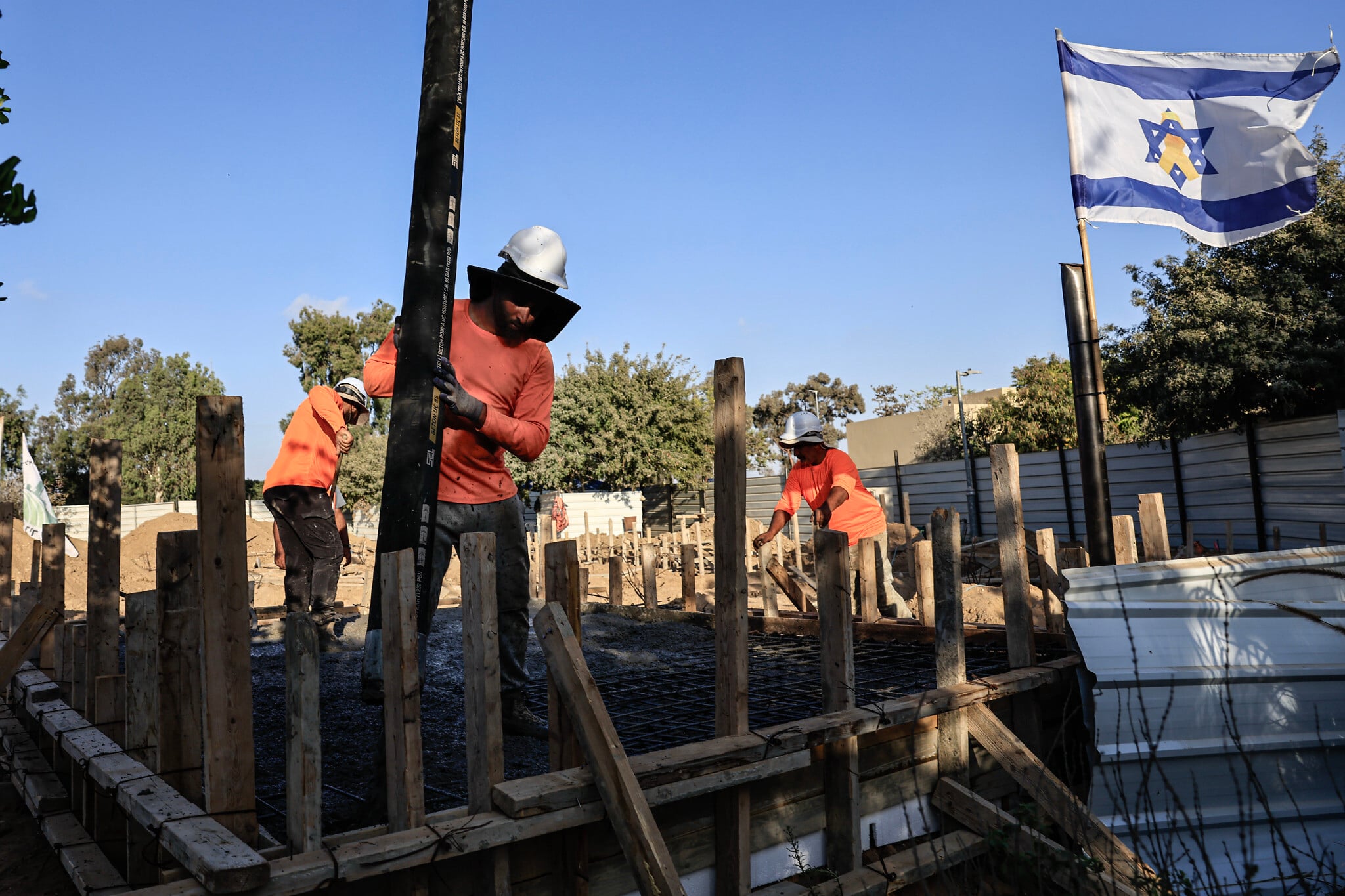
A groundbreaking ceremony for a new neighborhood in ravaged Kibbutz Nir Oz, near the Gaza border, was abruptly curtailed on Thursday evening as the cabinet prepared to discuss whether to move forward with a full-scale military occupation of the Gaza Strip.
The kibbutz was largely destroyed on October 7, 2023, when Hamas terrorists entered all but six of over 200 homes in the small community and either murdered or kidnapped one of every four residents — 117 people out of some 400. Of those abducted, nine are still being held in Gaza, and only five of them are believed to still be alive.
The ceremony for the new Pioneers neighborhood was planned in the presence of released hostages and the families of those still held in captivity.
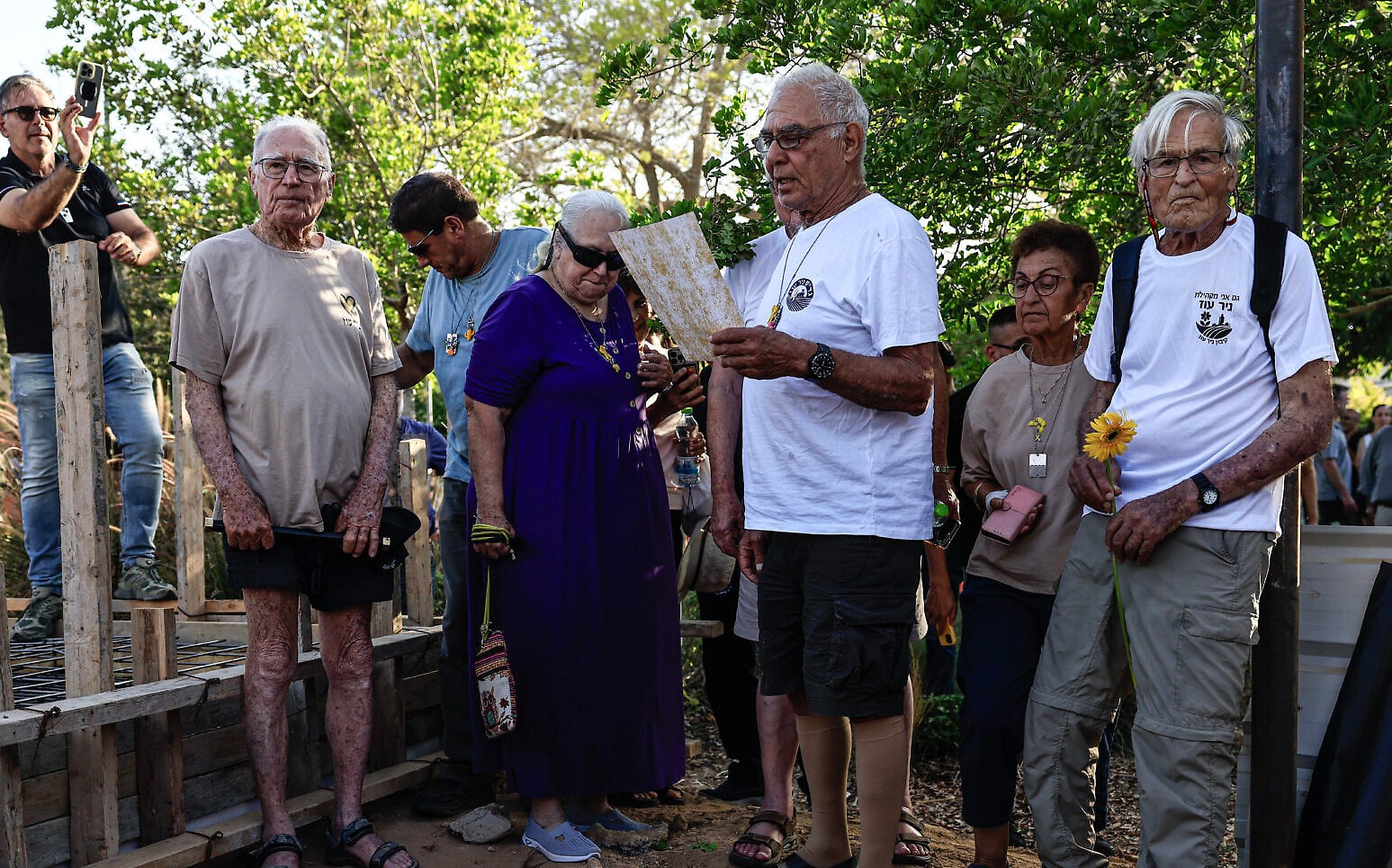
But in the middle of the proceedings, kibbutz chairman Tzviki Tessler announced that “the cabinet is gathering now to discuss the occupation of Gaza. We can’t continue as normal at this time, so we will stop the ceremony as we must. I speak on behalf of Nir Oz and of the hostages and call on the leadership and the cabinet… don’t approve any action that can endanger the lives of the hostages.”
Speaking to those gathered, Tessler demanded that the government “bring the hostages home as part of an agreement, even if the price is high. There is nowhere like Kibbutz Nir Oz, where the dangers of returning Hamas to Gaza are so deeply felt. We know and understand better than all those sitting around the [cabinet] table.”
However, he said, without the return of the hostages, “there will be neither victory nor rehabilitation. We will know how to rise from the ashes, to rebuild a successful, flourishing kibbutz, here, on the border, but we won’t know how to do it without them. The responsibility is on the government and its leader.”
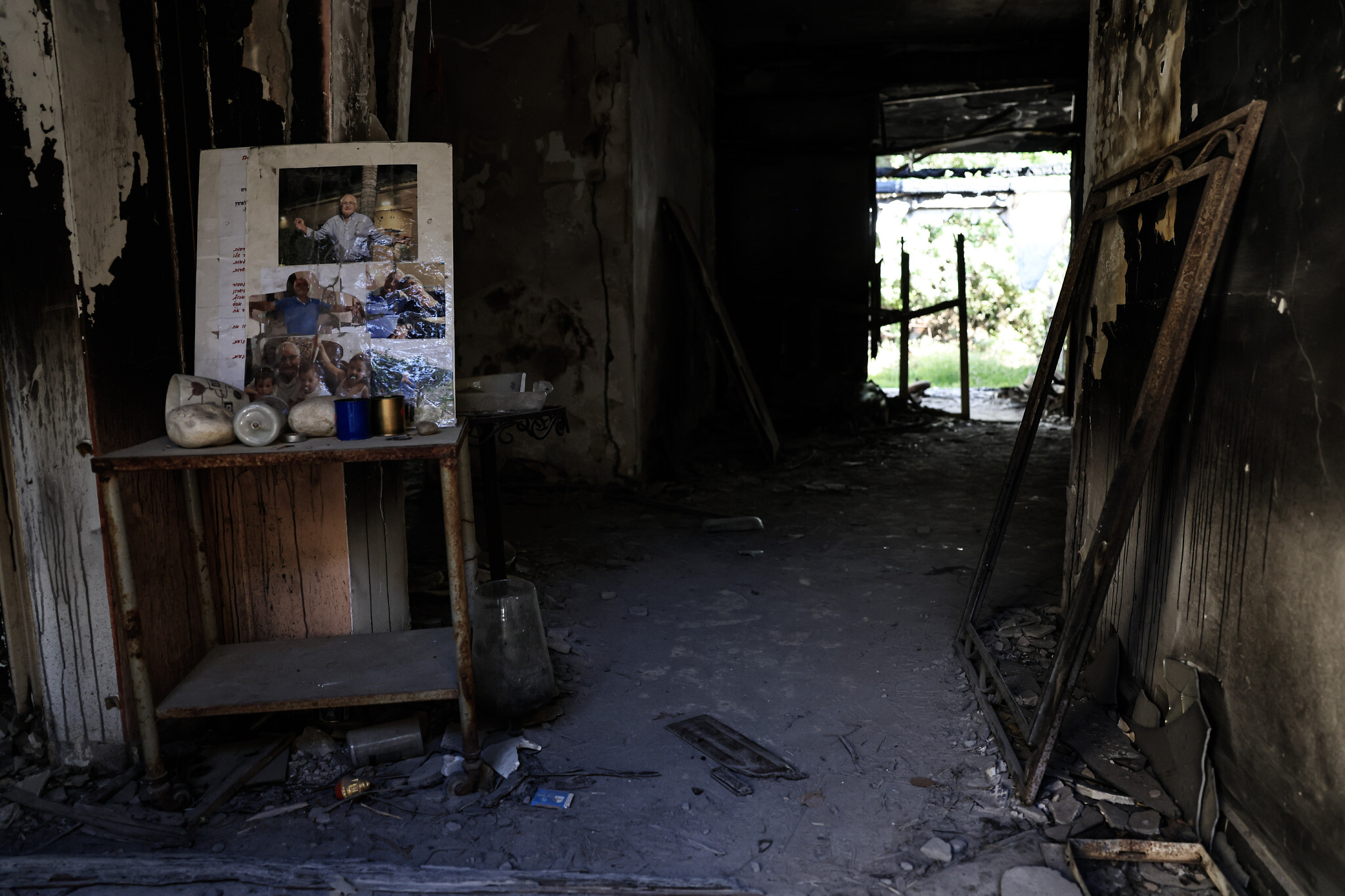
Irit Pauker — whose father Gideon Pauker was shot and wounded in his Nir Oz home by Hamas terrorists on October 7, and bled to death there next to his wife, Orna, who was not hurt — said in an unplanned address that the hostage families had been fighting for a year and 10 months and no longer knew against whom — Hamas or the State of Israel.
She called on the leaders of the economy and any citizens not taking part in demonstrations to head to the streets and bring the economy to a standstill: “Now is maybe the last opportunity to save them… stand by us.”
Before the ceremony was halted, released hostage Gadi Mozes, who was freed in January, said — in a voice breaking with emotion — that with the cornerstone laying, “We are saying in a clear voice that we are returning home, despite the difficulties.”
Ron Bahat, the kibbutz rehabilitation project manager, said that 670 days after the October 7 massacre, Nir Oz was witnessing the “first buds of the flourishing and renewal of Nir Oz.”
Four new educational initiatives were being established in the kibbutz, Bahat explained. A group of young people had already begun sleeping on site as part of a new project by the Hashomer Hatzair youth movement. A pre-army military academy (‘mechina’ in Hebrew) would open on September 1. Shviro College, based in the southern city of Beersheba, was working with the Defense Ministry’s released soldiers unit on an initiative planned to start in November, and Bina Balev was focused on an AI education project.
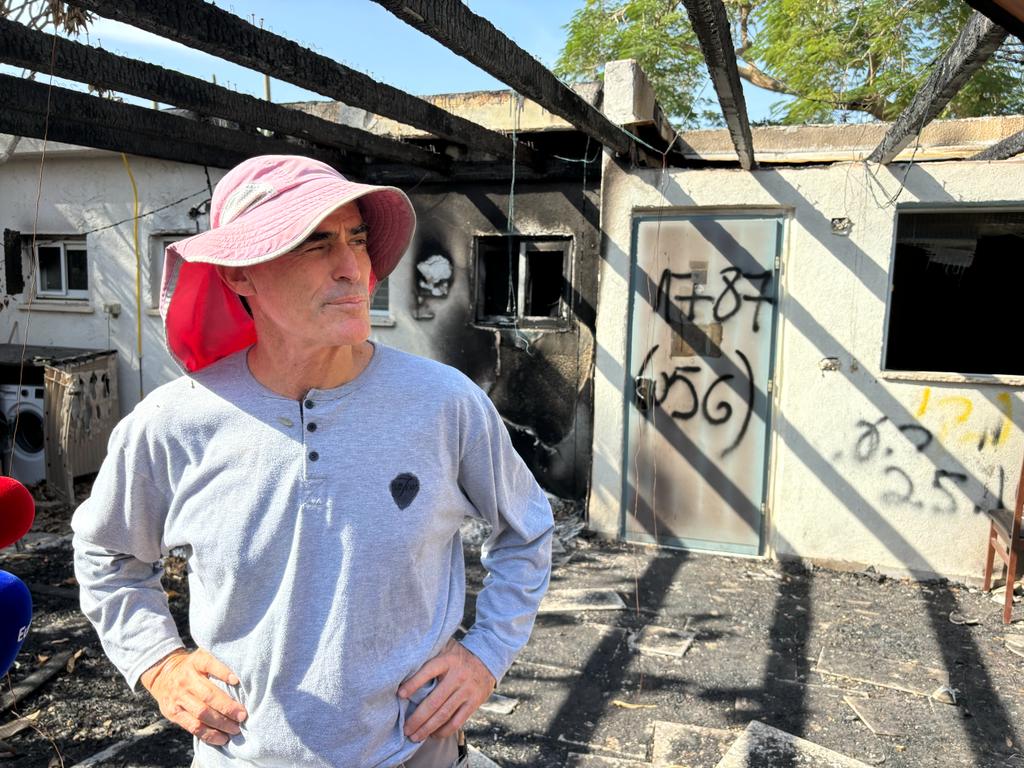
In the Pioneers neighborhood, 30 homes were being renovated, with the first 10 due to be occupied starting next week, and the rest set for completion by the end of September, Bahat said. An additional 10 new homes were under construction — houses that were stronger and bigger than those destroyed. Bahat said the Ackerstein construction company, which was building the prefabricated houses, had pledged to have them ready by December 16.
The cornerstone, he went on, symbolized “our determination and obligation” to rebuild the community as quickly as possible.
The new neighborhood is being built with some of the NIS 10 million ($3 million) raised through a massive Israel Public Broadcasting Corporation fundraising drive, in conjunction with the Or movement, held some two weeks after the Hamas massacre.







The Times of Israel Community.