

Lack of funds to fight waste fires is a ‘death sentence’ for hundreds, group warns
Citizens for Clean Air says state neglecting health of citizens; Environmental Protection Ministry still negotiating with Treasury to obtain funds
 Add ToI as a Preferred Source on Google
Sue Surkes is The Times of Israel's environment reporter
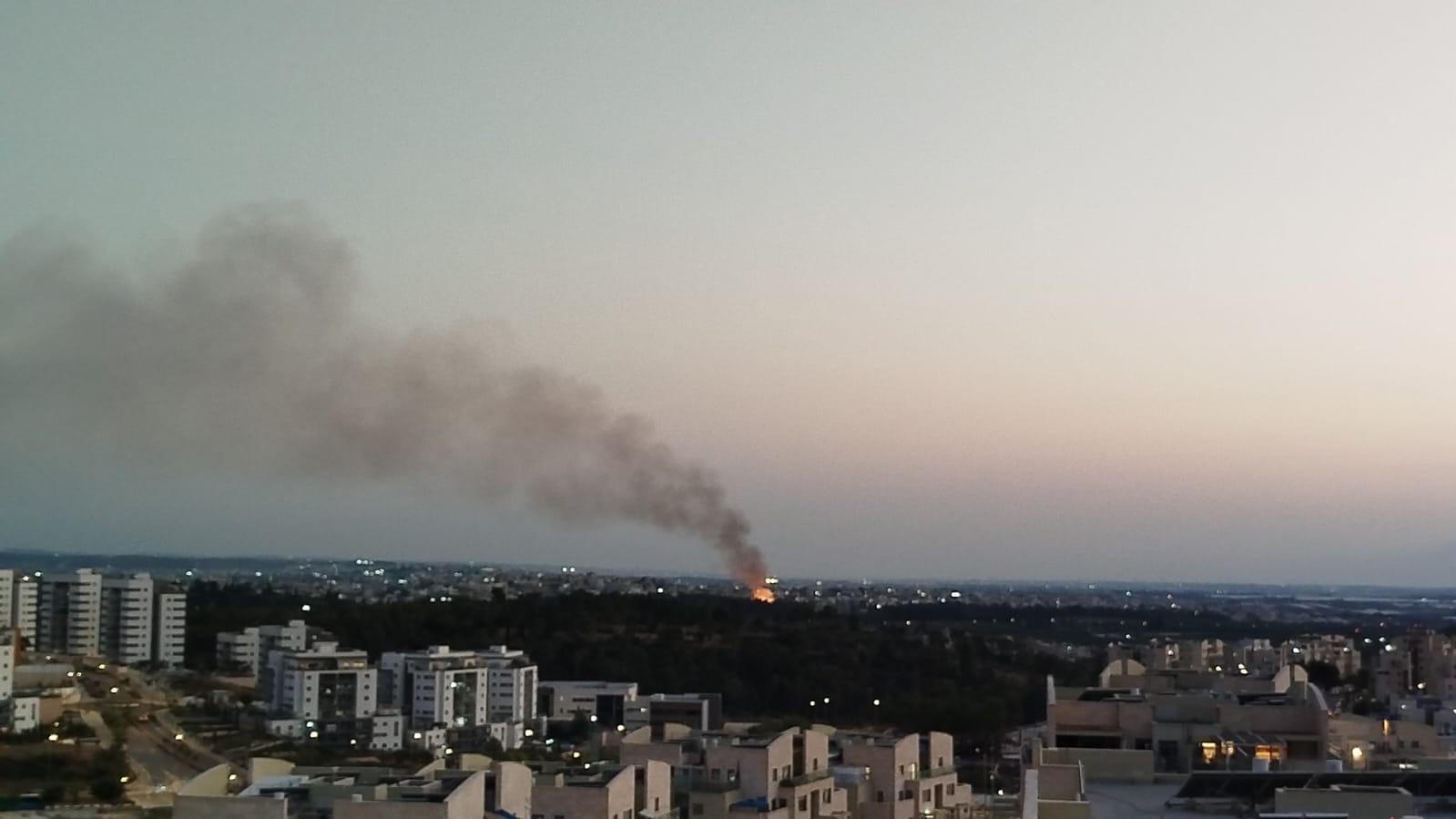
A group that campaigns against air pollution accused the Finance Ministry of issuing a “death sentence” to hundreds of Israelis after Finance Minister Bezalel Smotrich failed to include any additional funds to fight illegal waste burning in the state budget approved by the cabinet on Thursday.
The budget was approved despite a call by the Environmental Protection Ministry for an additional NIS 134.6 million ($41.6 million) to hire more inspectors, investigators, and prosecutors in the West Bank, and boost inspections within the Green Line, where illegal waste burning is also taking place.
An Israel Fire and Rescue Services spokeswoman said that 736 waste fires had been reported in the West Bank so far this year.
Citizens for Clean Air said Thursday after the budget’s approval that “without even a single shekel budgeted to eradicate waste fires, hundreds of thousands of Israelis will continue to suffocate from smoke and toxic substances while the government neglects their health.”
Israelis along the Green Line, and as far as Tel Aviv and Kiryat Ono, have been increasingly complaining about bad odors, headaches, itching eyes, and other pollution-related symptoms.
The pirate waste fires in the West Bank, which the Environmental Protection Minister has labeled “environmental terrorism,” are largely due to a lack of landfill sites and other waste-related facilities, and the resulting high costs of transporting waste to the two dumps that do exist — near Jenin in the northern West Bank and near Bethlehem further south.
The trash includes municipal waste from Palestinian municipalities, as well as electronic waste illegally smuggled from Israel into the West Bank by organizations and individuals determined to avoid paying landfill fees in Israel.
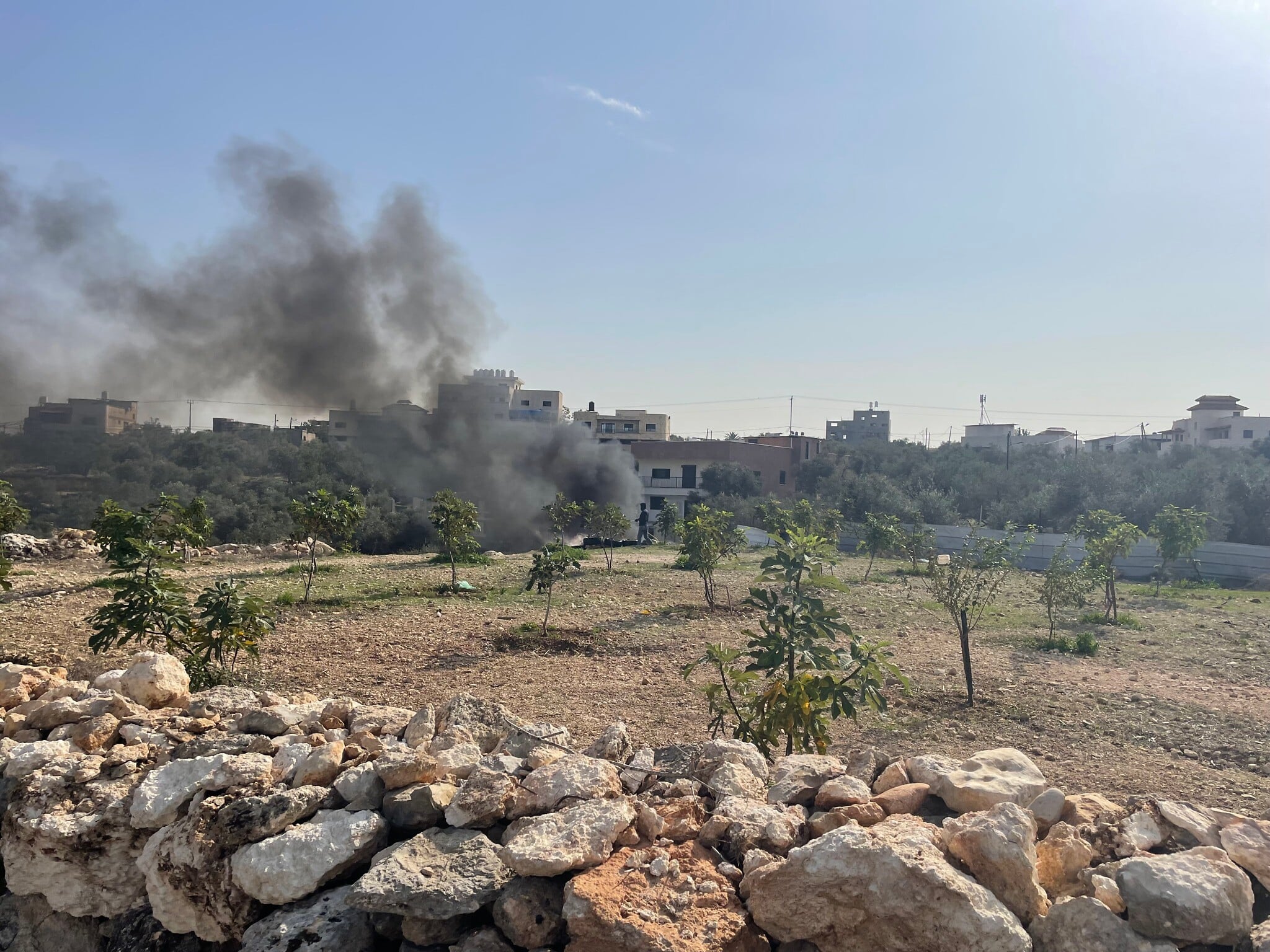
Waste is also burned in some Arab municipalities on the Israeli side of the Green Line.
Environmental Protection Ministry pollution data for 2024 (which does not include information from the West Bank) showed that waste fires were responsible for 75 percent of the emissions of carcinogenic substances into the air in Israel and around 27% of the emissions of particulate matter, an invisible pollutant made of tiny particles of soot, dirt, carbon, and minerals that penetrates deep into the respiratory system and can cause severe respiratory illness.
Data from the ministries of environmental protection and health from 2023 estimated that between 4,641 and 6,166 premature deaths were caused by exposure to the pollutant between 2015 and 2023.
The Environmental Protection Ministry said it would continue discussions with the Finance Ministry in the hope of reaching an agreement.
The budget will be presented to the Knesset in January.
The ministry is also hoping to reverse a treasury decision to weaken the powers of the Committee for the Protection of the Coastal Environment. This committee helps to determine coastal development plans, taking into account environmental and public benefit considerations. It helps prevent massive construction close to the sea’s edge.
It is continuing to negotiate the terms of a possible new Waste Authority.
The Finance Ministry dropped a controversial plan to replace ministry environmental experts with private consultants on planning committees, having also raised it and abandoned it in the run-up to the 2025 budget.
Also canceled were plans to allow infrastructure development in national parks and nature reserves, and to reduce the ministry’s role in drafting environmental impact surveys during planning.





The Times of Israel Community.