

As trash burns in the West Bank, NGO sees huge jump in reports of smoke, foul smells
Complaints to clean air NGO nearly triple between August and October; PM urged to intervene, as state agencies point fingers and Palestinian areas lack infrastructure
 Add ToI as a Preferred Source on Google
Sue Surkes is The Times of Israel's environment reporter
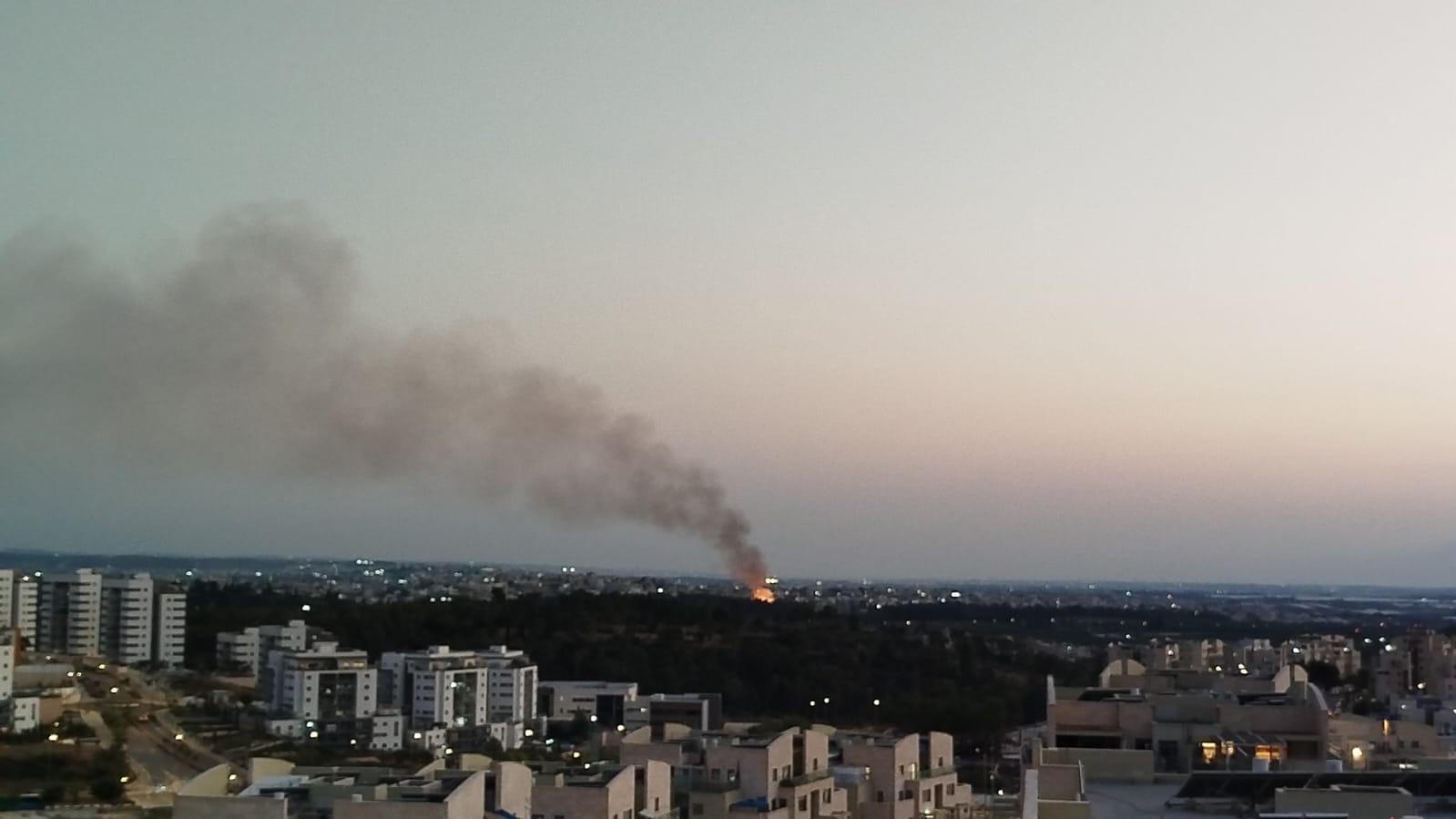
The first time she smelled the noxious air, Shir Bushinsky instinctively swept up her baby and drove from Kiryat Ono, in central Israel, to her parents in the northern coastal town of Zichron Yaakov.
It was October 2023, shortly after Hamas’s onslaught against Israel and the start of the war against the terror group in Gaza, while her partner was serving in the IDF reserves.
“I had this feeling I needed to protect myself and my baby,” Bushinsky told The Times of Israel.
When she returned to Kiryat Ono, located around 15 kilometers (nine miles) from the Green Line, the stench was still there, day after day. In the two years since, her toddler son has been diagnosed with asthma. Searching for an explanation for the odor, she discovered Citizens for Clean Air, whose homepage greets visitors with a giant photo of burning garbage and the headline “Eradicating the pirate trash fires.”
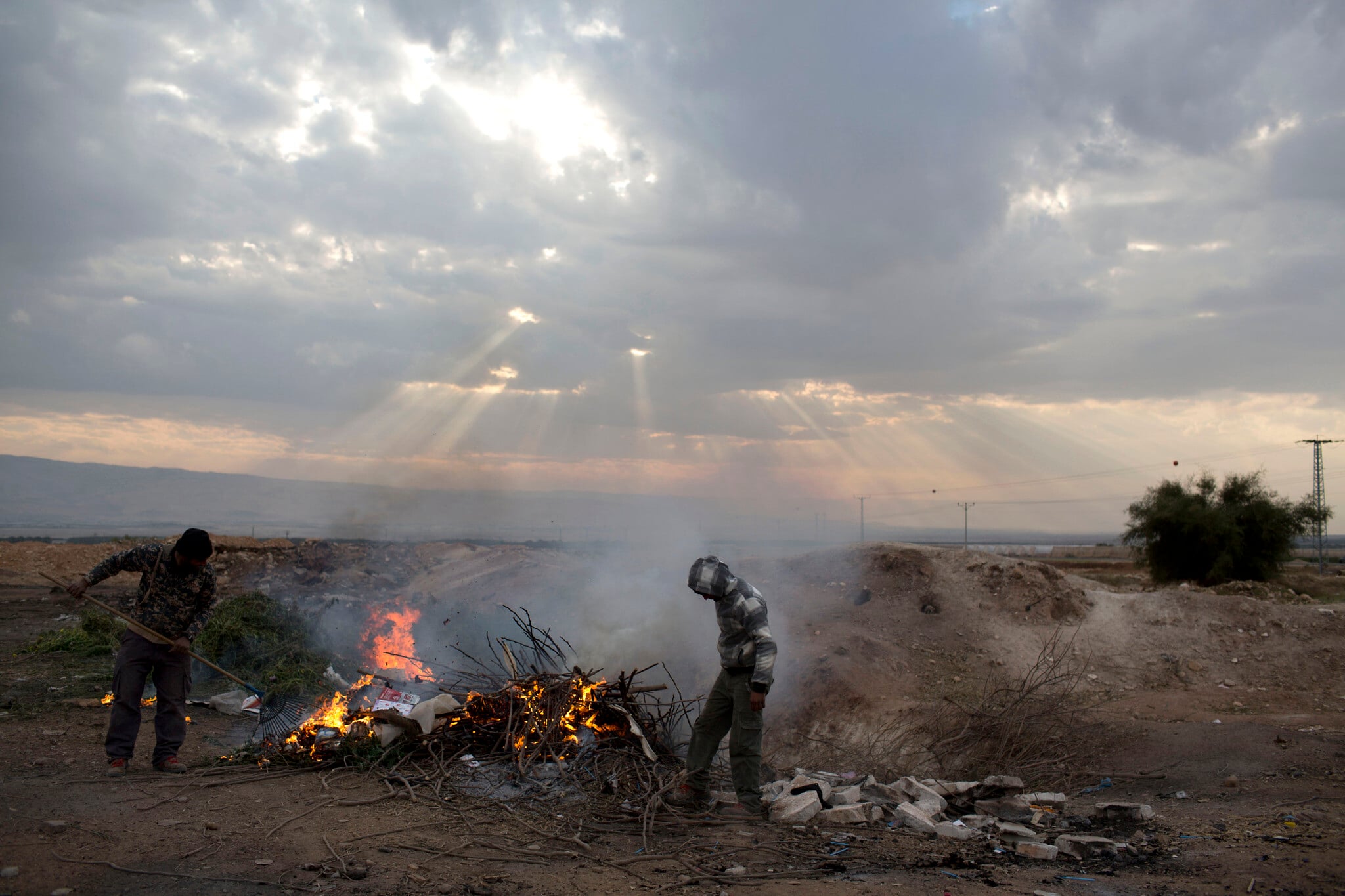
The problem Bushinsky encountered was a common one, and according to Citizens for Clean Air, it has been getting worse. For years, West Bank Palestinians, with a dearth of landfills and unreliable public services, have resorted to burning their refuse by the side of the road. Now, complaints from Israelis about the resulting pollution are spiking — and the government is still formulating a coordinated response.
“Over the past two or three months, it’s become impossible,” Bushinsky said. “We have headaches, we’re tired and coughing all day, and my eyes start to sting towards the evening. I’ve noticed that when the fires start, the birds stop chirping and fly away.”
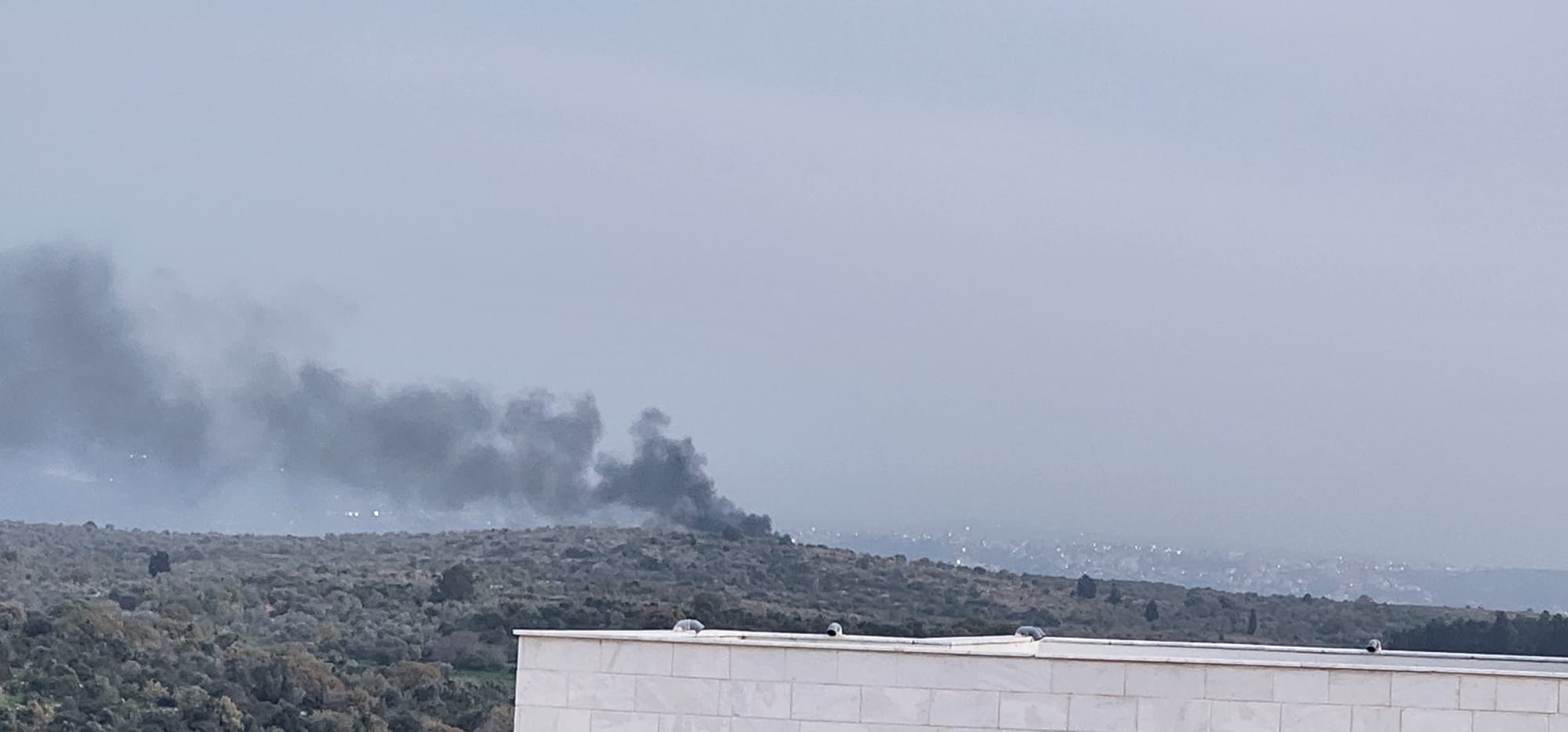
Citizens for Clean Air reports that this month, they have seen a huge jump in complaints about pollution from these fires, logging 1,800 in October. That’s almost triple the 610 complaints submitted in August.
Yaniv Bleicher, who chairs the NGO, told The Times of Israel that while October is usually a bad month for fires, this year is far worse than normal.
“We’re in the olive harvesting period, so more branches are being burned,” he said. “It’s mixed household waste from the Palestinian villages.”
The fires, which he said are also a result of “neglect,” have prompted increasing reports of pollution not just from northern and central towns adjacent to or in the West Bank, but also cities that are a bit farther afield.
“There’s a steep rise in complaints from communities along the Green Line,” Bleicher said. “Furthermore, unlike in previous years, we’re also hearing morning and night from people in Yehud, Kiryat Ono, and Petah Tikva, and even from Tel Aviv when the nights are particularly bad. It wasn’t like this before.”
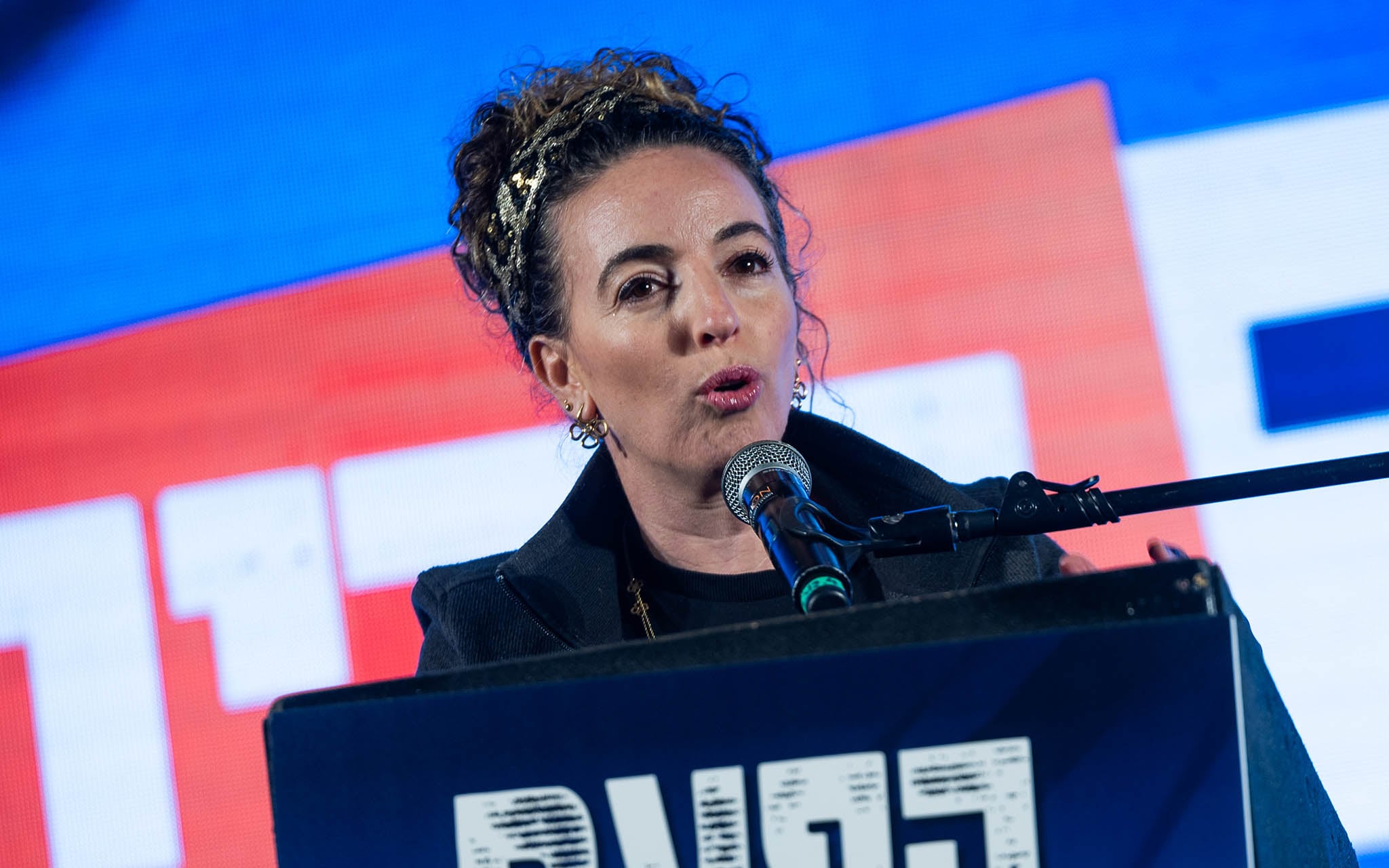
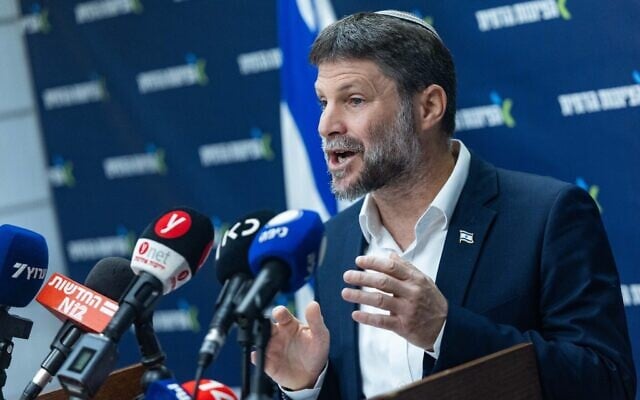
On Sunday, the organization wrote to Prime Minister Benjamin Netanyahu, calling on him to hold an emergency meeting with Environmental Protection Minister Idit Silman and Finance Minister Bezalel Smotrich, who has authority over civilian affairs in the West Bank.
The letter cited the “dimensions of the phenomenon, its severity, and the ongoing shifting of responsibility between the various government ministries.”
The letter also cited Environmental Protection Ministry pollution data (which does not include information from the West Bank), showing that waste fires were responsible for 75 percent of the emissions of carcinogenic substances into the air in Israel and around 27% of the emissions of particulate matter, an invisible pollutant made of tiny particles of soot, dirt, carbon, and minerals that penetrates deep into the respiratory system and can cause severe respiratory illness.
It quoted 2023 data from the Environmental Protection and Health Ministries saying that some 4,700 premature deaths occurred in Israel annually as a result of exposure to the pollutant.
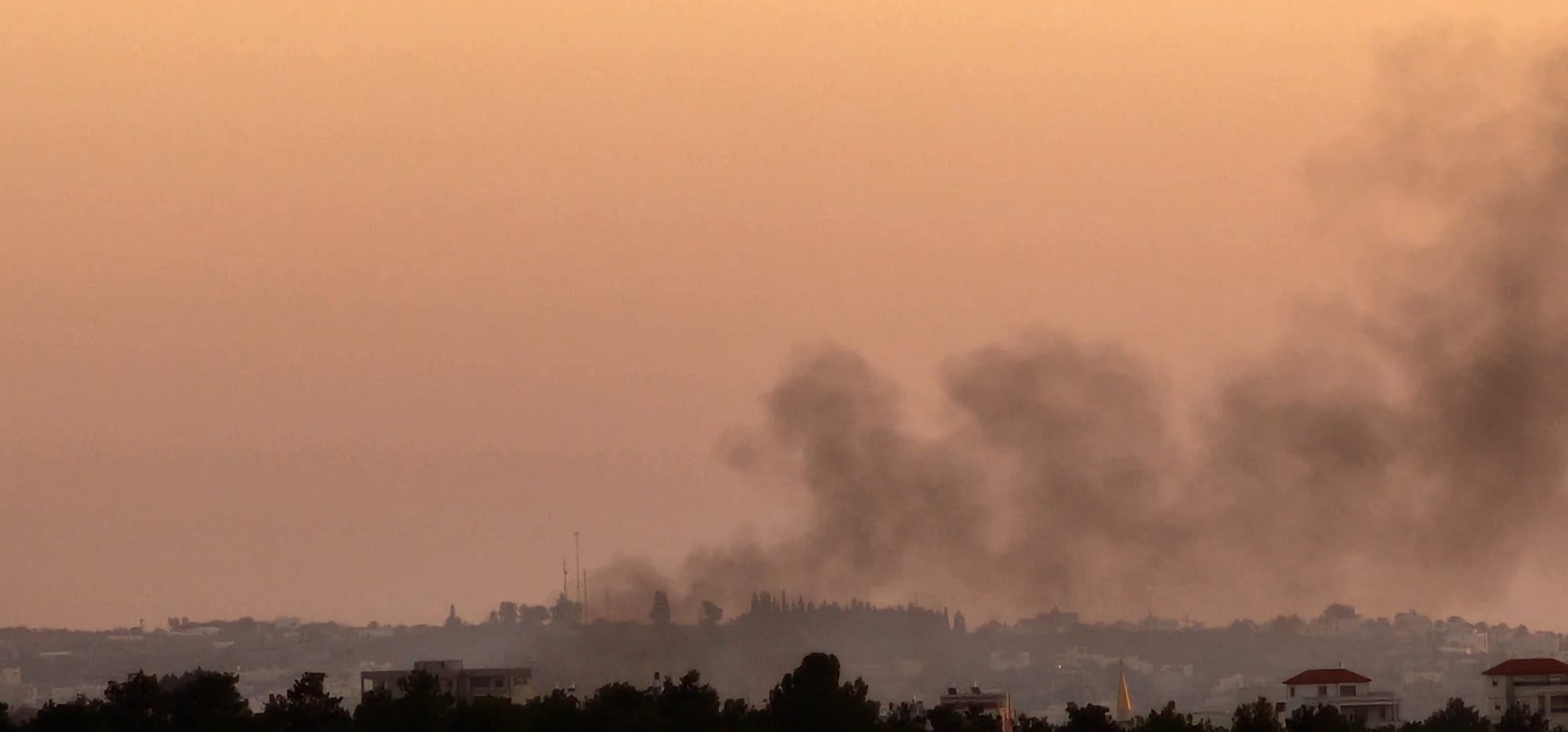
Bleicher said the long-running problem of trash burning in the West Bank is due to a combination of poverty, crime, a shortage of accessible landfill sites, inadequate enforcement, and insufficient government coordination. Serious enforcement and a dedicated body to oversee action on the ground would help reduce the phenomenon, he said.
On paper, local Palestinian authorities in the West Bank are supposed to collect trash from households and contract with truck companies that will transport non-recyclable garbage to landfill sites. But, in reality, to save time and money, many truck drivers dump the trash along the road, without fear of consequences from law enforcement. The piles are burned outside of the Palestinian villages, though it is unclear whether the truck drivers or locals light the fires.
The problem in the West Bank, according to Bleicher, is particularly acute in central Samaria, the northern region of the West Bank that lies due east of the Tel Aviv metro area. There, trash is collected, but not transported in any organized fashion. Just one landfill site serves all of Samaria, near the city of Jenin, while another serves the southern West Bank, near Bethlehem. A new site is being planned near Ramallah, in the territory’s center, but it is only expected to begin operating years from now.
In addition, the West Bank is home to another, related problem — the burning of electronic waste illegally smuggled from Israel into the West Bank. However, this typically happens in the southern West Bank, according to a report by the state comptroller.
Within Israel, there are seven operational landfills, but illegal waste burning is still a problem, mainly in Arab towns. Citizens for Clean Air helped push for the creation in 2019 of a team of 14 government inspectors whose job it is to stop the phenomenon. It is financed from the Cleanup Fund, an independent body funded by payments such as landfill fees. Bleicher said his NGO was pushing to get more inspectors into that unit, and to establish a similar one for the West Bank.
The state comptroller estimated that the cross-border pollution has cost the Israeli economy around NIS 1.3 billion (just under $400 million) per year, accounting for damage both to the environment and to public health. Several agencies bear responsibility, the report said, from Israel’s Civil Administration, a Defense Ministry body that governs civilian affairs for West Bank Palestinians, to the Environmental Protection and Health Ministries, the Fire and Rescue Services, and the Israel Police.
In June 2023, the government ordered the Environmental Protection and Defense Ministries to establish an inter-ministerial team to formulate a comprehensive plan within six months.
The October 7 attack happened several months later. But Bleicher’s letter said that the requested plan was since formulated, but has yet to be approved.
“A draft report has been circulating among government ministries for months,” the letter said. “The completion of the team’s work is being delayed without a plausible reason, and government ministries are blaming each other for the delay.”
Last week, Silman wrote her own letter to the Defense Ministry’s settlement directorate, saying it held the authority to deal with burning waste, and accusing it of foot-dragging.
She wrote, “We ask that you give the issue high priority, with all that this implies, and we expect you to approve the proposed plan so that it can be brought to the government’s approval.”
An Environmental Protection Ministry spokesman said the key points of the plan would be published in the coming days to spur momentum. Silman’s office did not respond to a request for comment.
The Civil Administration responded to her letter that it was investing “significant resources and budgets” to clamp down on the problem, and that its Environmental Quality Unit had extinguished over 80 fires during the last month alone. It did not say what proportion of the total blazes that number constituted.
It said plans had been approved to increase enforcement and, referring to the new landfill site envisaged for the Ramallah area, to create more waste infrastructure throughout the West Bank.
Until that happens, rank-and-file Israelis have been left to search for a solution. Dolev Hilell, 32, bought an apartment in the northern Israeli town of Harish in 2021, but is now reconsidering. His apartment is less than a kilometer from the Green Line.
“It’s sad we should have to live this way, ” he said, adding that his partner, Maor, has wanted to leave for a long time. “Where’s the state?” he asked.
As for Bushinsky, she and her partner have already decided, with heavy hearts, to leave Kiryat Ono.
“It smells of plastic, tires, and electronic material,” she said. “It worsens in the early evening, when the fires start, and the wind blows from east to west, and it can linger up to noon the next day. During those hours, our windows are closed, although not hermetically. It still gets in.”



The Times of Israel Community.