

Environment Ministry slams Treasury attempt to weaken it, roll back green progress
Draft economic arrangements bill would allow infrastructure projects in national parks, nature reserves, set up waste-management authority ‘focused on cost’
 Add ToI as a Preferred Source on Google
Sue Surkes is The Times of Israel's environment reporter

Representatives of the Environmental Protection Ministry lashed out at the Finance Ministry on Sunday for proposals in a draft economic arrangements bill that it said would weaken the gatekeepers who protect the environment and public health.
In the bill, set to accompany the 2026 budget, the Treasury says it plans to allow infrastructure building in national parks and nature reserves, to replace the ministry’s environmental experts on planning committees with private consultants, and to reduce the scope of environmental impact surveys, in the hopes this will help speed up Israel’s development and cut costs for developers.
However, the Environmental Protection Ministry says such moves will unfairly tilt the balance between protecting the environment and public health, and construction, in the direction of the latter.
Senior Environmental Protection Ministry official Rani Amir told a press conference on Sunday that the Finance Ministry was treating his ministry “like a punching bag.”
A section of the bill titled “The removal of legal obstacles to infrastructure initiatives” states there should be no need for permission from the Israel Nature and Parks Authority for infrastructure projects in national parks and nature reserves because environmental impact surveys are carried out before plans are approved, and that should suffice.
But the document also goes on to propose limiting the scope of those surveys in ways that environment officials described as “arbitrary.” For example, air quality forecasts would be limited to a radius of 1,500 meters (just under 5,000 feet) of a plan’s outer boundary, even though air pollution can travel further.
Some of the Treasury’s proposals have been recycled from previous years, having failed to make it into the law books because of public opposition.
One of these is to replace the Environmental Protection Authority’s representatives on national and district planning authorities with private environmental consultants.
Another is to limit the authority of the Agriculture Ministry’s forestry commissioner to refuse permits to fell protected or mature trees.
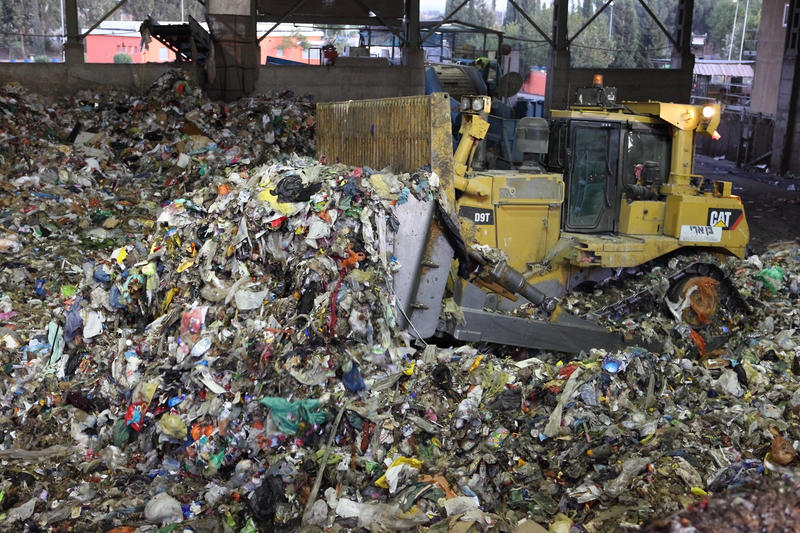
A third — a proposal for a waste-management authority — also appeared in last year’s economic arrangements bill, but did not become law.
At the press conference on Sunday, Environmental Protection Minister Idit Silman and senior officials hit back at these and other proposals, saying it was inappropriate to bury substantial policy changes, at the last minute, in the economic arrangements bill without prior discussion.
Weakening the environment’s gatekeepers?
On substituting private consultants for ministry ones on planning committees, the ministry’s legal adviser, Neta Drori, said in a position paper released to the media on Sunday that every ministry representative was backed by hundreds of professionals with expertise on anything from hazardous materials, waste, air quality, and contaminated soil, to radiation, asbestos, and wastewater. No private consultant could equal this breadth of knowledge, she said.
Amir, a ministry deputy director responsible for natural resources and climate resilience, told the press conference, “We are told we are the biggest obstacle to development in Israel. That is not true. Our job is to bring light to the dark places.”

Silman said that ministry representatives often managed to persuade planners to adopt better alternatives.
The ministry wanted the Treasury to think more strategically, she went on.
“We have so little open space,” she said. “In a country growing so fast [demographically], we need balanced decisions. We are not obstacles. We are the gatekeepers.”
Amir described the proposal to absolve infrastructure projects from Israel Nature and Parks Authority approval as “bloodletting.” He added that a separate proposal in the economic arrangements bill to weaken the National Committee for the Protection of Coastal Environments would put the “super-sensitive” habitats located within 300 meters (985 feet) of the sea at risk.
A spokesperson for the Israel Nature and Parks Authority said in a statement to the Times of Israel that it was “not clear what difficulty the amendment to the law seeks to solve,” and that the proposal would cause delays at the planning stage.
A waste authority that will set targets for 2050
Silman told Sunday’s press conference that just like last year, the Treasury had submitted its proposals for a waste-management authority minutes before the start of the Sabbath, when most officials had already left the office.
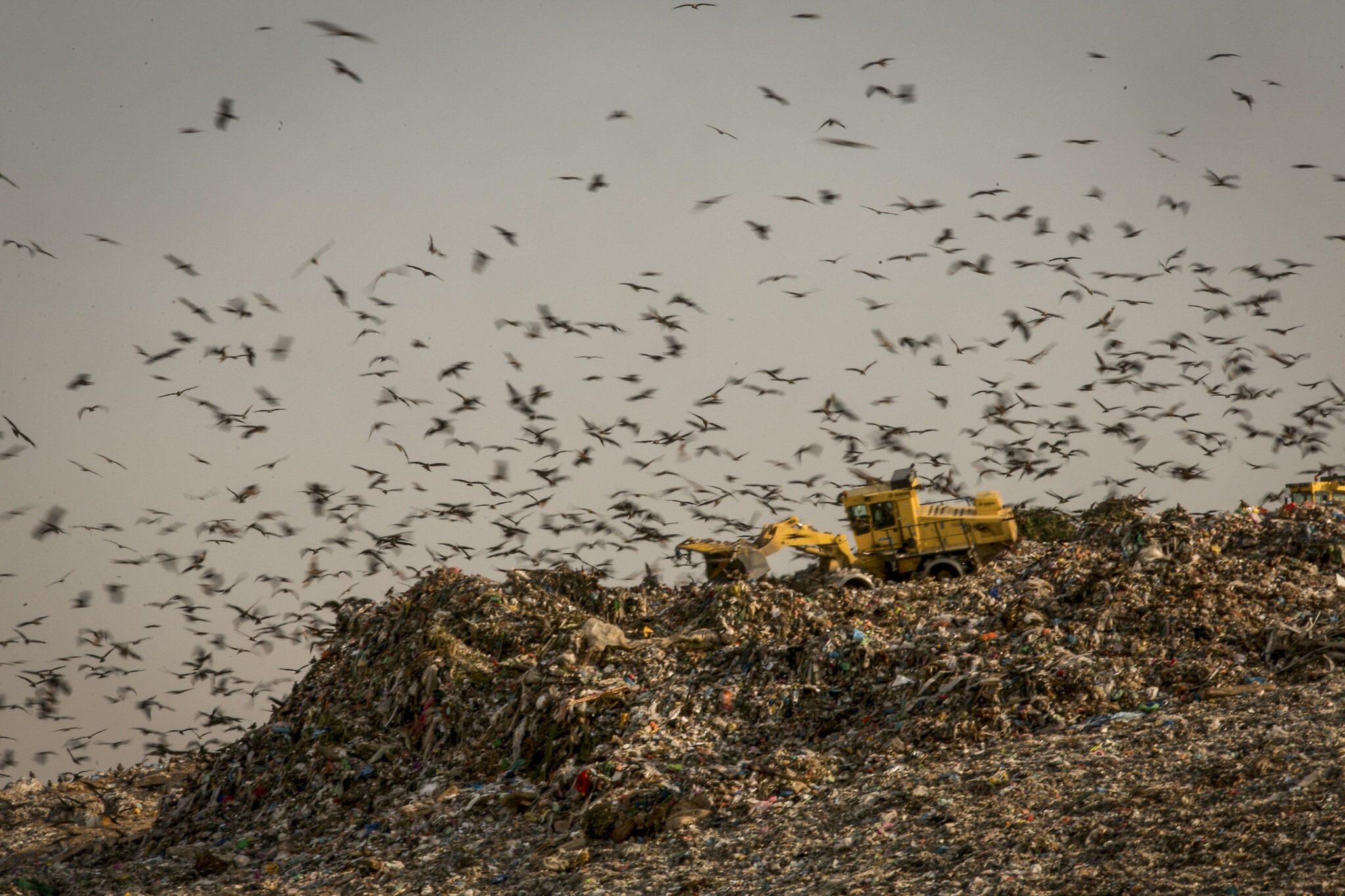
Charging that the Finance Ministry’s real intention was to get its hands on the multi-billion shekel Cleanliness Fund, financed mainly from landfill fees, she said the proposal ignored the complexities of dealing with waste and of involving multiple stakeholders.
Officials at the press conference spoke about the ministry’s efforts to create an improved waste treatment system — Silman’s flagship issue. A waste team set up a year ago was working with professional consultants, had reviewed practices in other countries, conducted extensive interviews with relevant market actors, and held meetings attended by the Finance Ministry’s budget division.
Legal amendments to improve the collection and recycling of various types of waste were in the pipeline, officials said, while dozens of sorting and recycling facilities were at different stages of tenders and investment. Legislation on building waste was moving through the Knesset, despite the Finance Ministry’s efforts to keep asking for amendments, they told the press conference.
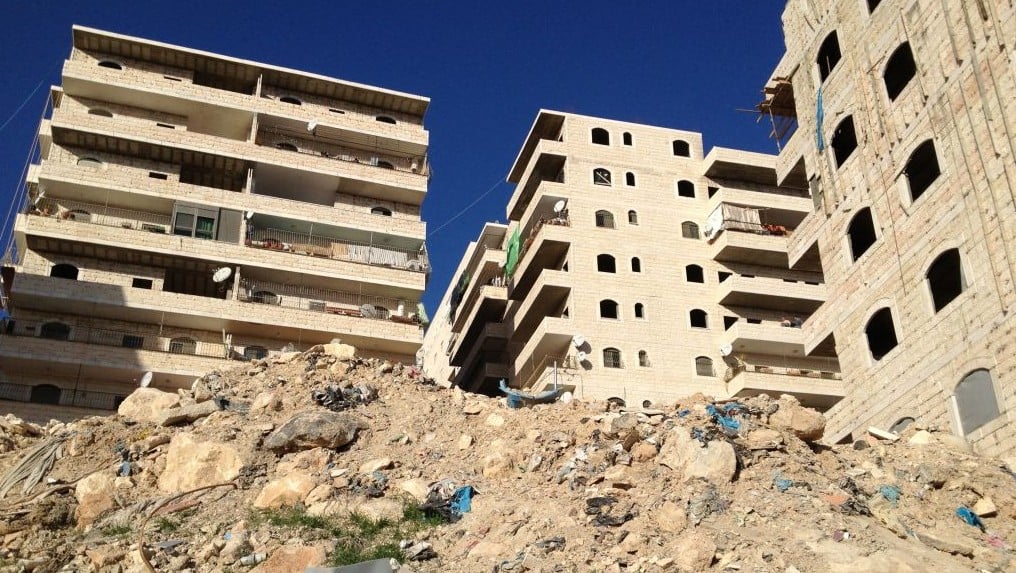
“Investors can’t be surprised like this,” said Elad Amichai, a senior ministry deputy director in charge of local government, education, and community. “We are getting phone calls from important people in the market who are investing hundreds of millions of shekels (in sorting and recycling facilities) and they’re freezing everything until there’s certainty.”
In her position paper, Drori criticized the bill’s proposal for a waste authority, saying it aimed at reducing costs while ignoring progressive principles for waste treatment accepted in the EU and the OECD.









The Times of Israel Community.