

 From the Liveblog of
Monday, December 29, 2025
From the Liveblog of
Monday, December 29, 2025
2,000-year-old Jewish ritual bath discovered under Western Wall Plaza in Jerusalem
 Add ToI as a Preferred Source on Google
Rossella Tercatin is The Times of Israel's archaeology and religions reporter.
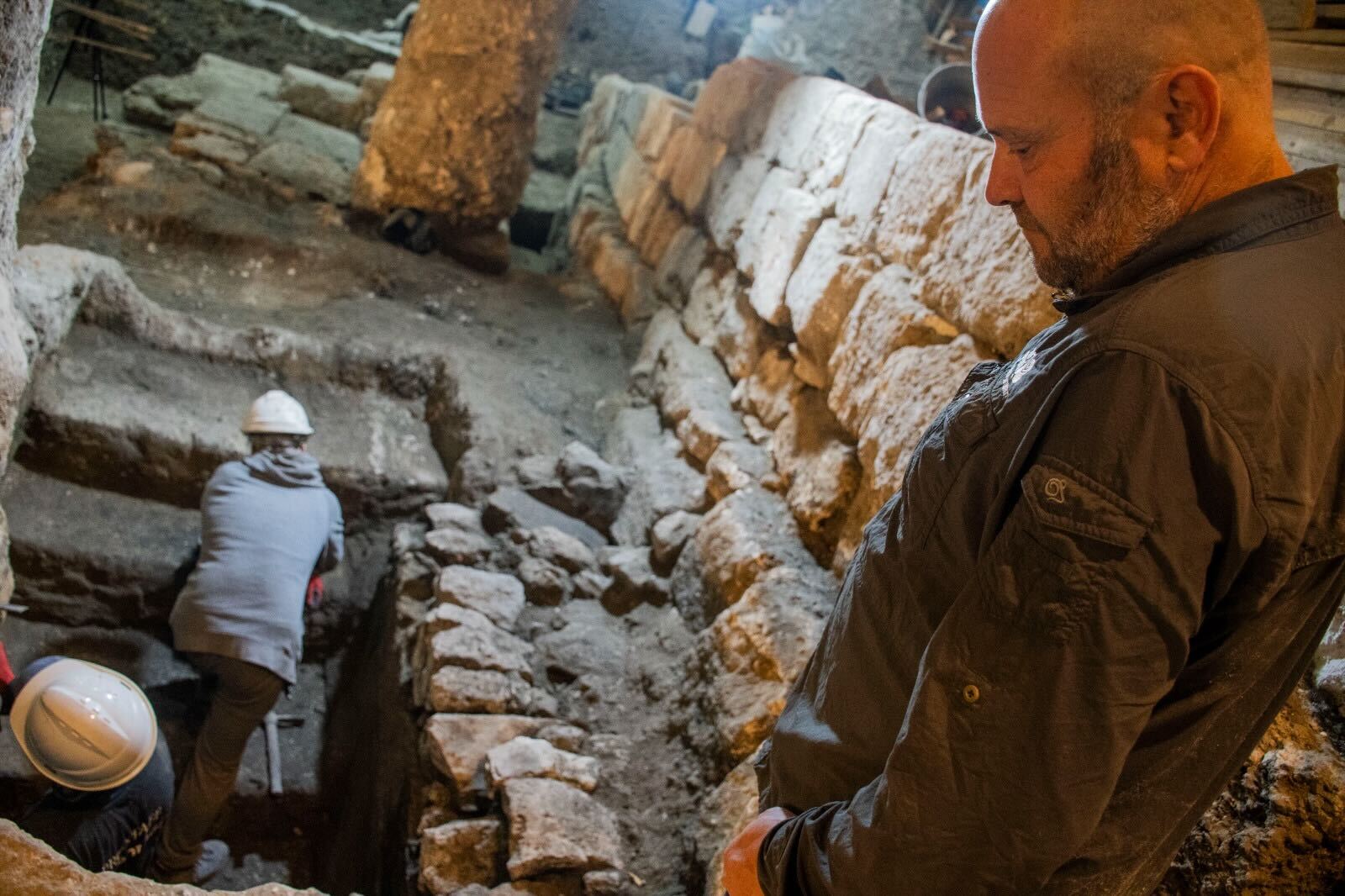
An ancient Jewish ritual bath, known as a mikveh, dating to the last days of the Second Temple, roughly 2000 years ago, has been discovered under the Western Wall Plaza, just steps away from the Temple Mount, the Israel Antiquities Authority and the Western Wall Foundation announce in a statement.
The structure, measuring 3.05 meters in length, 1.35 meters in width, and 1.85 meters in height, has been discovered under a layer of ashes, bearing witness to the last tragic days of Jerusalem when the Temple was destroyed by the Romans in 70 CE.
Those who wished to ascend to the Temple were required to purify themselves in the mikveh before doing so.
“Jerusalem should be remembered as a Temple city,” explains Ari Levy, excavation director on behalf of the Israel Antiquities Authority. “As such, many aspects of daily life were adapted to this reality, and this is reflected especially in the meticulous observance of the laws of ritual impurity and purity by the city’s residents and leaders.”
Several vessels typical of the late Second Temple period have been unearthed around the mikveh.
The discovery is announced on the eve of the Tenth of Tevet Fast, which falls tomorrow and commemorates the beginning of the Babylonian siege that led to the destruction of Jerusalem and the First Temple in the 6th century BCE. The statement does not specify when the mikveh was first unearthed.







The Times of Israel Community.