

 From the Liveblog of
Wednesday, May 20, 2026
From the Liveblog of
Wednesday, May 20, 2026
El Al posts loss in first quarter of 2026 amid airspace closures, rising fuel costs from Iran war
 Add ToI as a Preferred Source on Google
Sharon Wrobel is a tech reporter for The Times of Israel
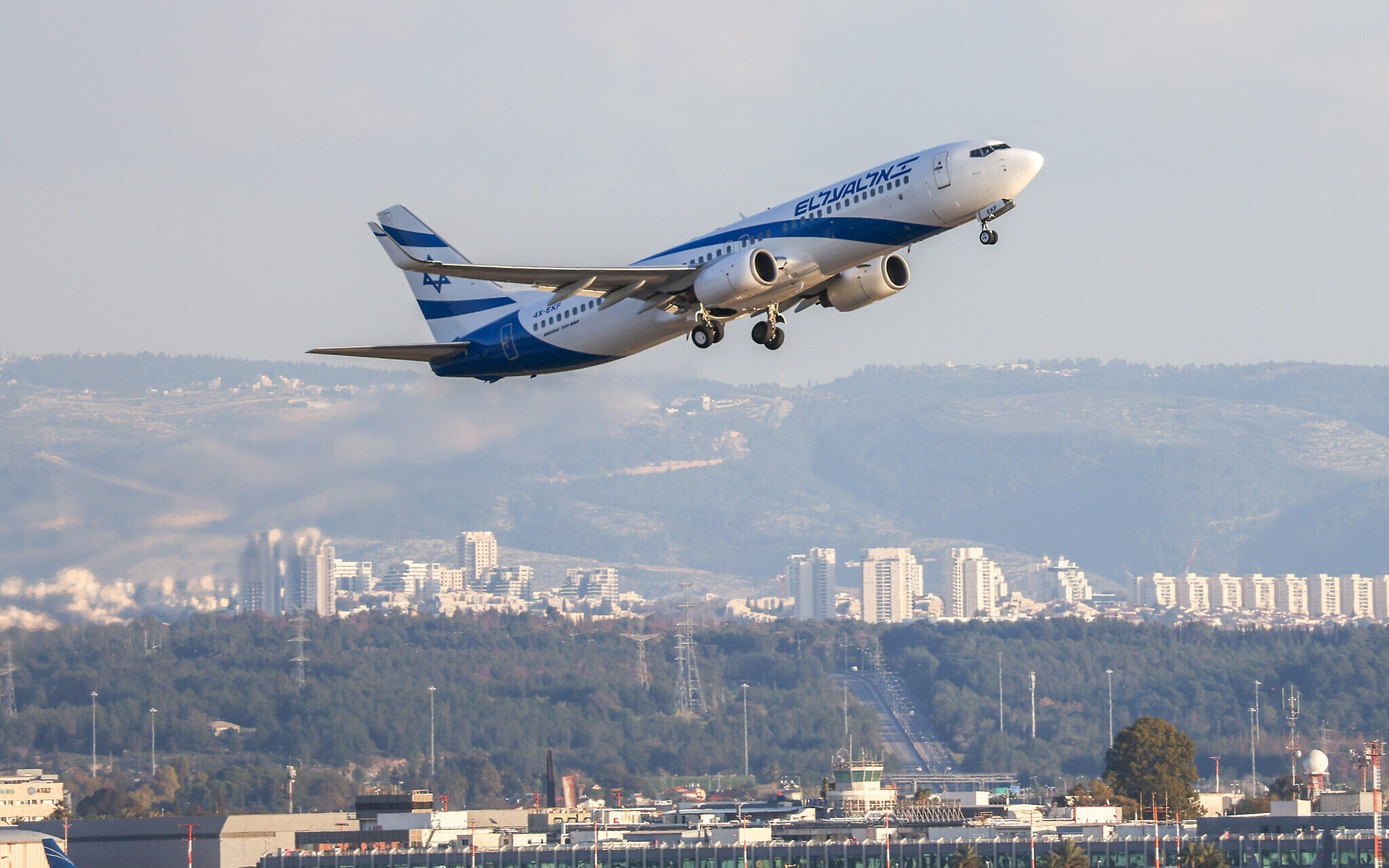
Israel’s flagship carrier El Al posts a loss in the first three months of the year as the US-Israel war with Iran and the closure of the country’s airspace caused severe disruptions to flight operations.
In the January to March quarter, El Al lost a net $67 million, compared with a net profit of $96 million during the same period a year earlier. The airline’s revenue in the first quarter dropped 27 percent to $562 million from $774 million a year earlier.
When the war erupted on February 28, Israel initially closed its airspace to civilian traffic completely, forcing all airlines to cancel their flights.
After a week, it eased restrictions, though operations were still at only a fifth of pre-war levels, and only Israeli airlines – El Al, Arkia, and Israir — were authorized to operate. Since the April 8 ceasefire and the reopening of Tel Aviv’s Ben Gurion Airport to more regular activity, El Al gradually returned to full operations.
El Al says damage from the 40 days of war with Iran amounted to $145 million. A total of about $90 million in losses was recorded in the first-quarter results and $55 million will be reflected in the April to June results. The airline also reports an increase in operating expenses in the first quarter due to rising fuel prices and a strengthening of the shekel against the dollar.
“With the removal of restrictions on aviation activity and the opening of Israel’s airspace, the company began to return to flight activity gradually, taking into account security and operational restrictions, until returning to full activity at the beginning of May 2026,” El Al says. “However, the rate of return of foreign airlines is expected to be slower relative to the rate that was expected prior to the operation.”
“All these are expected to lead to increased demand for the company’s flights, which are expected to be reflected in high occupancy rates in the second and third quarters of 2026,” El Al says.









The Times of Israel Community.