

 From the Liveblog of
Wednesday, March 18, 2026
From the Liveblog of
Wednesday, March 18, 2026
IDF says it thwarted over half of Hezbollah barrage last night, expects more
 Add ToI as a Preferred Source on Google
Emanuel (Mannie) Fabian is The Times of Israel's military correspondent
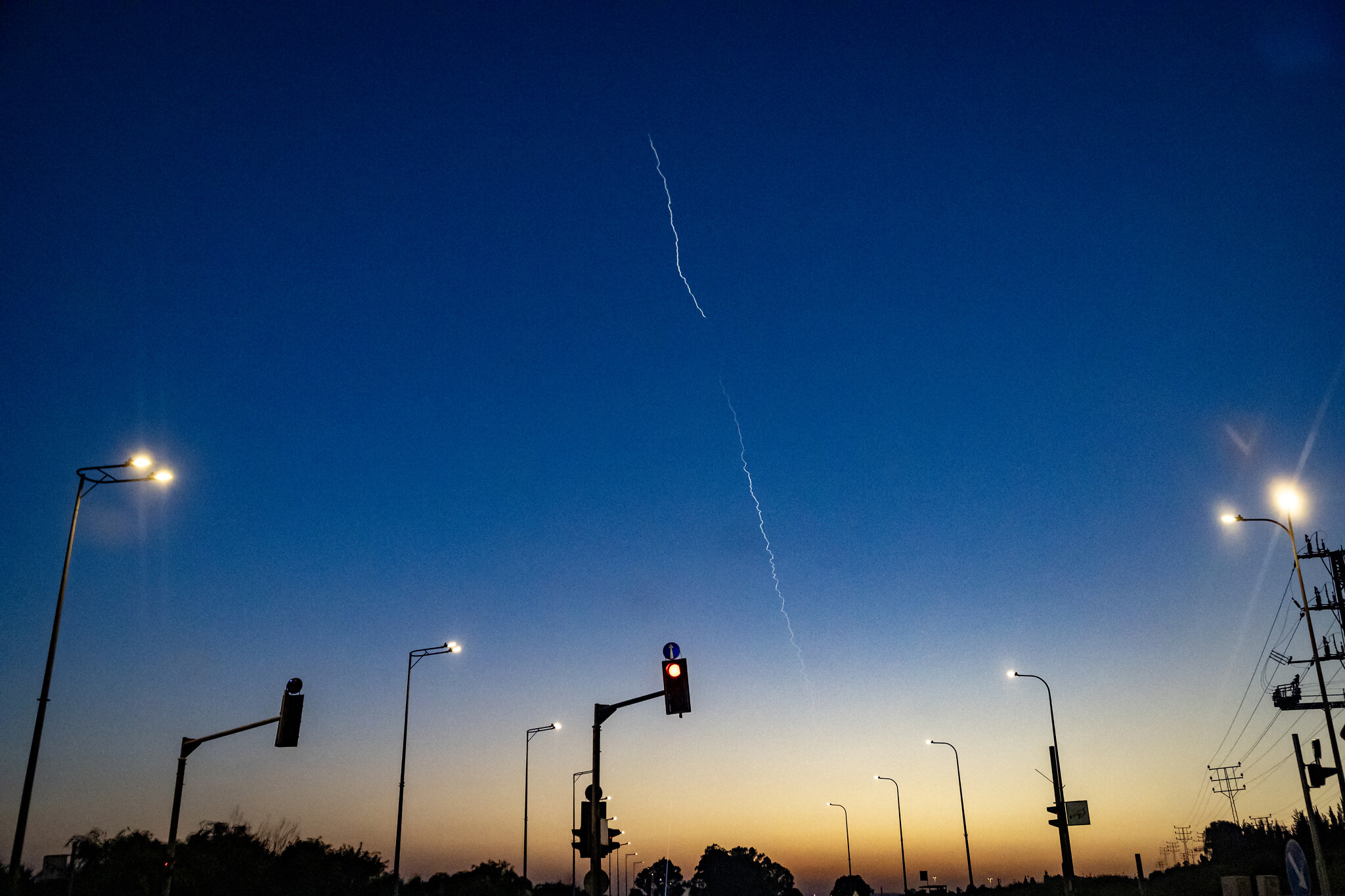
The IDF says it thwarted more than half of Hezbollah’s rocket barrage on northern Israel last night, and assesses that the terror group plans to launch similarly large attacks every few days.
According to military estimates, Hezbollah intended to fire at least 100 rockets. In practice, it mustered around 40 short-range rockets, several missiles, and five drones.
Most of the rockets were intercepted, landed in open areas, or fell short in Lebanon. One, however, struck a home in the northern city of Karmiel, causing damage. All five of the drones were intercepted, according to the IDF.
The Israeli Air Force carried out strikes on Hezbollah rocket launchers, launch teams, and command centers both before and during the barrage, aiming to disrupt it. The military says several launchers were destroyed before they could be used, and at least 10 more were struck afterward.
In recent days, Hezbollah has been firing an average of about 150 rockets per day, according to the IDF, which assesses that the group is attempting to periodically escalate with larger barrages like the one planned last night.
Roughly two-thirds of the daily rocket fire has been directed at Israeli forces operating in southern Lebanon and along the border, with the remaining third aimed at Israel.
The IDF believes Hezbollah still possesses thousands of short-range rockets with ranges of up to 40 kilometers, along with hundreds of longer-range projectiles. However, most of its remaining capabilities are now based deeper in southern Lebanon, including north of the Litani River. As a result, short-range rockets are largely limited to targeting troops in southern Lebanon or Israeli communities in the Galilee, rather than cities deeper inside Israel.
The military also assesses that Hezbollah has decentralized its rocket array, using launchers with fewer barrels spread across more locations. While this makes them harder to detect and destroy, it also reduces the number of rockets that can be fired at once.
In response to last night’s barrage, the IDF has been carrying out strikes across Lebanon, including in the coastal city of Tyre, which it describes as a Hezbollah “center of gravity.” The area had already been partially evacuated, and the military issued a new warning ahead of the strikes.
The IDF has also targeted gas stations in Lebanon that it says are owned by Hezbollah. It says the strikes on the Hezbollah-owned fuel company causes damage to the terror group’s income and mobility.
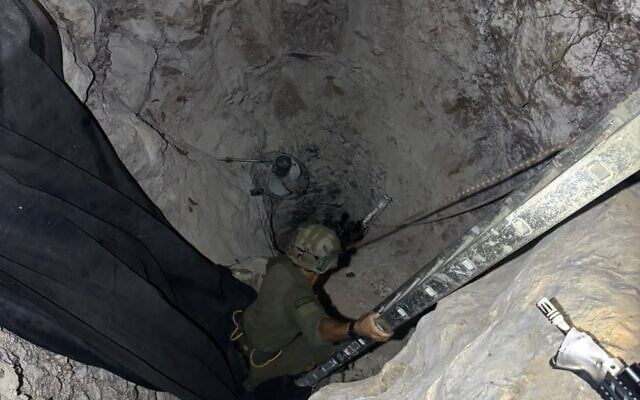
Meanwhile, as Israel’s ground operation in southern Lebanon continues, the IDF assesses that fewer than 1,000 members of Hezbollah’s elite Radwan Force have crossed the Litani River to confront the troops.
So far, the military says it has killed at least 200 Radwan operatives, who it says are deployed in small cells across nearly every village in southern Lebanon and are mostly retreating after encountering Israeli forces.





The Times of Israel Community.