

 From
From In first, Chief Rabbinate opens registration for rabbinical tests to women, but says system will undergo reforms
 Add ToI as a Preferred Source on Google
Rossella Tercatin is The Times of Israel's archaeology and religions reporter.
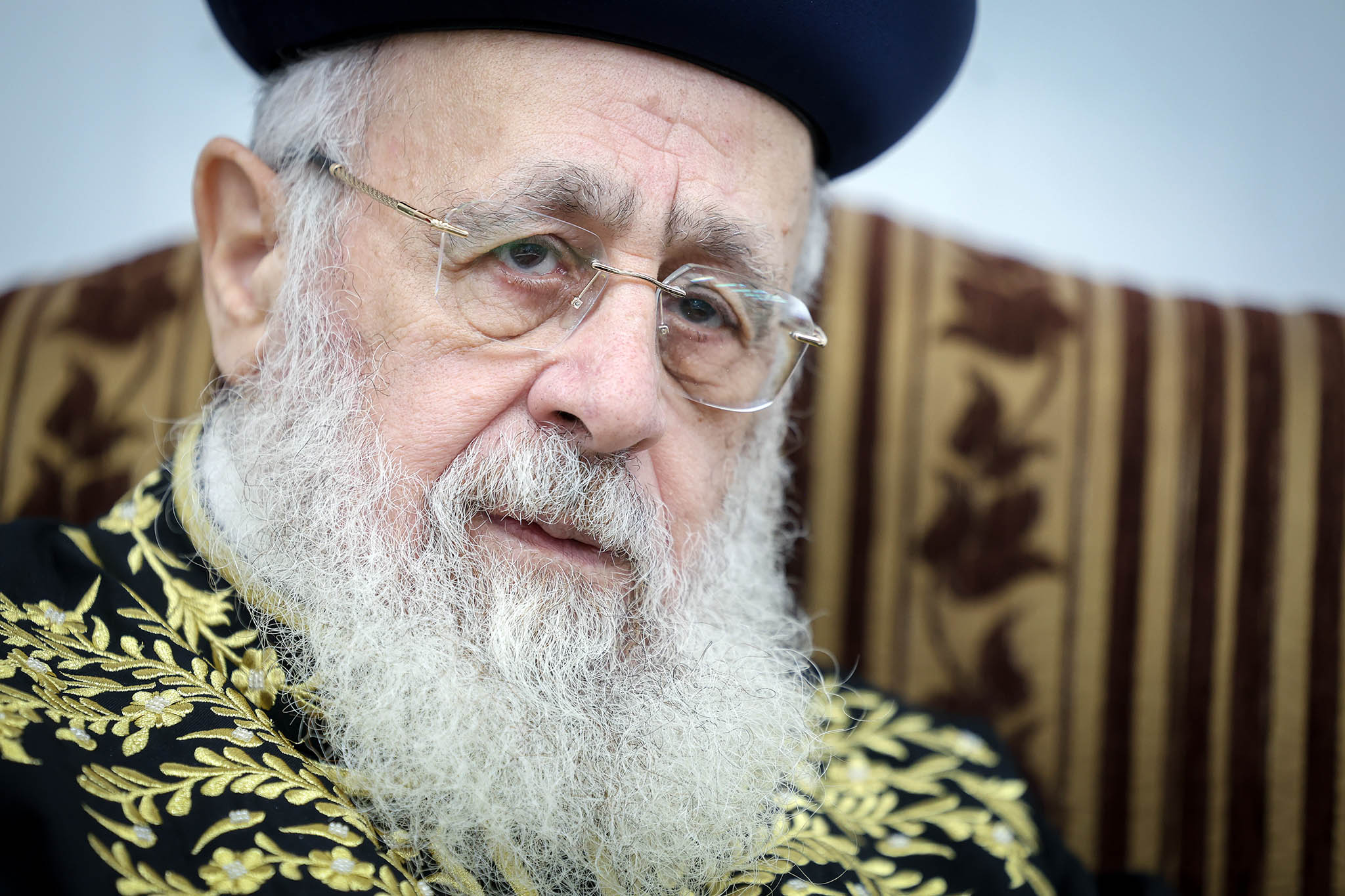
The Chief Rabbinate opens registration for its next round of rabbinical tests, and for the first time, women will be allowed to register and take the tests, a spokesperson for the Rabbinate confirms to The Times of Israel. At the same time, the system is set to undergo a comprehensive reform, according to the Rabbinate’s statement.
“With God’s help, we will stand firmly on guard to ensure that only those who are halachically qualified to bear a certificate signed by the Chief Rabbinate will merit to receive one, and that those who are not qualified will not,” chief rabbis Kalman Ber and David Yosef say.
They do not clarify the meaning of this somewhat cryptic statement, and do not explicitly say women will be eligible to pass the test or receive a certificate.
The rabbinate administers tests in the major areas of halacha (Jewish law). Candidates wishing to be recognized as rabbis must pass a minimum of six tests.
In July, the High Court of Justice found that women suffered discrimination by being denied the right to sit the exams. In addition to serving as a path to being certified as a rabbi in Israel, the certificates also offer social and financial benefits (neither the petitioners nor the court asked for women to be recognized as rabbis).
The tests are normally given three times a year, but following the court’s decision, the rabbinate didn’t open registration for the fall dates.
The statement announcing the start of the registration period did not explicitly mention that women are allowed to register, but the spokesperson confirms to The Times of Israel that they are.
At the same time, according to the statement, the Chief Rabbinate Council has also established a professional committee “to review the criteria for the exams and to lead a comprehensive reform of the examination system, which is expected to be published later this year.”
The tests are set to take place in the Hebrew month of Iyar — April-May.








The Times of Israel Community.