

 From the Liveblog of
Monday, May 11, 2026
From the Liveblog of
Monday, May 11, 2026
Mansour Abbas says Bennett, Eisenkot and Liberman each fit to be PM, predicts coalition deal
 Add ToI as a Preferred Source on Google
Ariela Karmel is a political correspondent at The Times of Israel. She previously reported for Calcalist and Haaretz. She holds an MA in Middle Eastern and African History from Tel Aviv University and a BA in Political Science from the University of British Columbia.
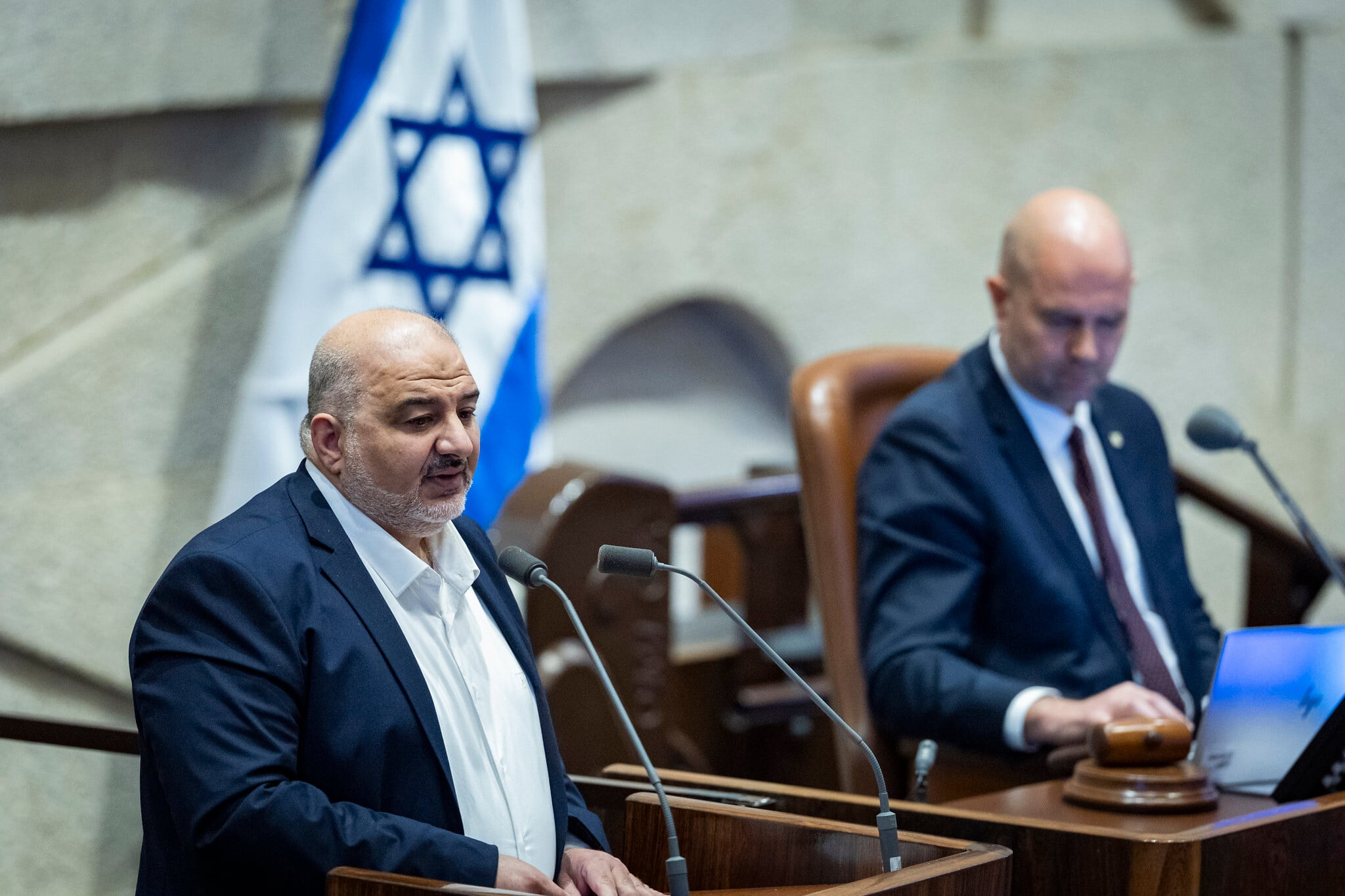
Ra’am chairman MK Mansour Abbas says opposition leaders Naftali Bennett, Gadi Eisenkot and Avigdor Liberman are all fit to serve as prime minister and voices confidence that he will eventually reach agreements with them on joining a future coalition.
“I think they are all worthy and have the experience to lead the next government,” he says to the press ahead of a faction meeting, but declines to endorse a specific candidate.
“I worked with the leaders of the opposition parties. They are responsible and statesmanlike and know how to work together,” Abbas says, adding that “in the end, we will reach agreements.”
His comments come despite all three opposition figures distancing themselves from cooperation with Abbas’s Arab-majority Islamist party, with Bennett and Liberman ruling out sitting with Ra’am, and Eisenkot also indicating he does not view the faction as a viable coalition partner.
At the same time, opinion polls have consistently shown that the Zionist opposition bloc — including Bennett and Opposition Leader Yair Lapid’s Together slate, Liberman’s Yisrael Beytenu, and Eisenkot’s Yashar party — would likely struggle to form a coalition without Ra’am.
Ra’am became the first Arab-majority party in decades to join a governing coalition when it entered the Bennett-Lapid government in 2021, a move that Abbas praises as “a model that can be developed, improved, and upgraded.”
Addressing ongoing efforts to unite the four Arab-majority parties ahead of the next election, Abbas says negotiations are continuing but acknowledges there are still “a variety of issues on which we have no agreement.”
The Islamist Ra’am, communist-majority Hadash, secularist Ta’al and nationalist Balad signed an agreement in January to explore running together, amid public pressure to reunite the fractured Arab political bloc and strengthen its influence. But more than four months later, little tangible progress has been made.
Abbas says the main sticking point remains his insistence that any joint slate function only as a technical alliance that would dissolve after the election, preserving the party’s ability to independently join a future coalition.
“We want to bring practical solutions to Arab citizens, and therefore we cannot commit to a policy of excluding ourselves from [sitting with] Zionist parties,” he says.





The Times of Israel Community.