

 From the Liveblog of
Monday, February 9, 2026
From the Liveblog of
Monday, February 9, 2026
UTJ source says Arrangements Law expected to pass
 Add ToI as a Preferred Source on Google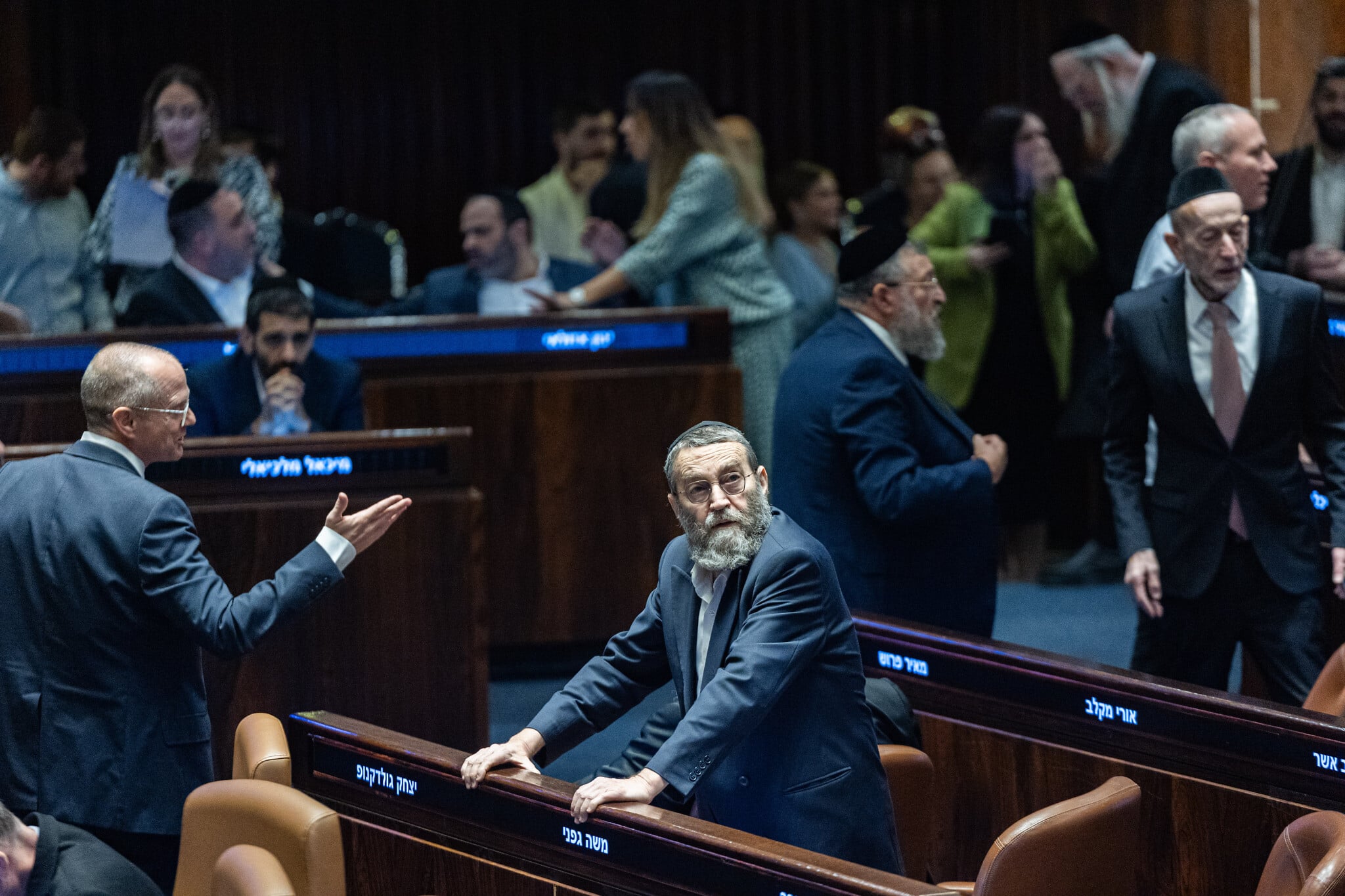
A planned vote to split the annual Arrangements Law from a package of economic reforms being pushed by Finance Minister Bezalel Smotrich as part of the 2026 state budget is expected to pass this evening, a source in the United Torah Judaism party’s Degel HaTorah faction tells The Times of Israel.
According to the source, his party will vote in favor of the motion after the ultra-Orthodox parties closed the gaps in their disagreements on the coalition’s Haredi draft exemption bill with Knesset Foreign Affairs and Defense Committee legal advisor Miri Frenkel Shor.
The Haredi Degel HaTorah and Shas parties have been in intense discussions after the ultra-Orthodox Shas party last week blocked a vote for the split in order to protest the slow pace at which the bill regulating conscription was advancing.
Further delays could complicate the timeline for approving the budget, which must pass three readings by the end of March in order to prevent the dissolution of the Knesset, triggering early elections three months later. Elections are currently slated to be held by late October.
Ultra-Orthodox representatives had been pushing back hard against changes demanded by Frenkel Shor, who has expressed significant criticism of the bill and called for the addition of several amendments to the legislation that are opposed by the Haredim.
She has previously warned that the bill violates the principle of equality and fails to meet security needs. She has also called to reexamine a clause ending sanctions at age 26 and argued that by effectively resetting the status of yeshiva students who ignored call-up orders over the past year, the legislation would grant legal immunity to Haredim but not to non-Haredi evaders.
One of the key sticking points was Frenkel Shor’s opposition to a clause in the bill allowing an advisory committee to lower recruitment targets should its members feel that insufficient Haredi-oriented tracks have been established in the IDF. Haredi lawmakers have also objected to Frenkel Shor’s call to pass the law “as a temporary provision for a maximum period of five years.”
However, according to the source, the Haredim have backed away from some of their demands and agreed to allow the bill to pass as a temporary measure. At the same time, the oversight committee would be allowed to function, but its recommendations would not be obligatory, and it would not be allowed to lower enlistment targets.








The Times of Israel Community.