

New Knesset session set to vote on dramatic reforms
From electoral reform to Haredi draft to peace process, parliament’s winter session likely to deeply impact Israel’s future
- See more Times of Israel on Google - add us as a Preferred Source
Haviv Rettig Gur is The Times of Israel's senior analyst.
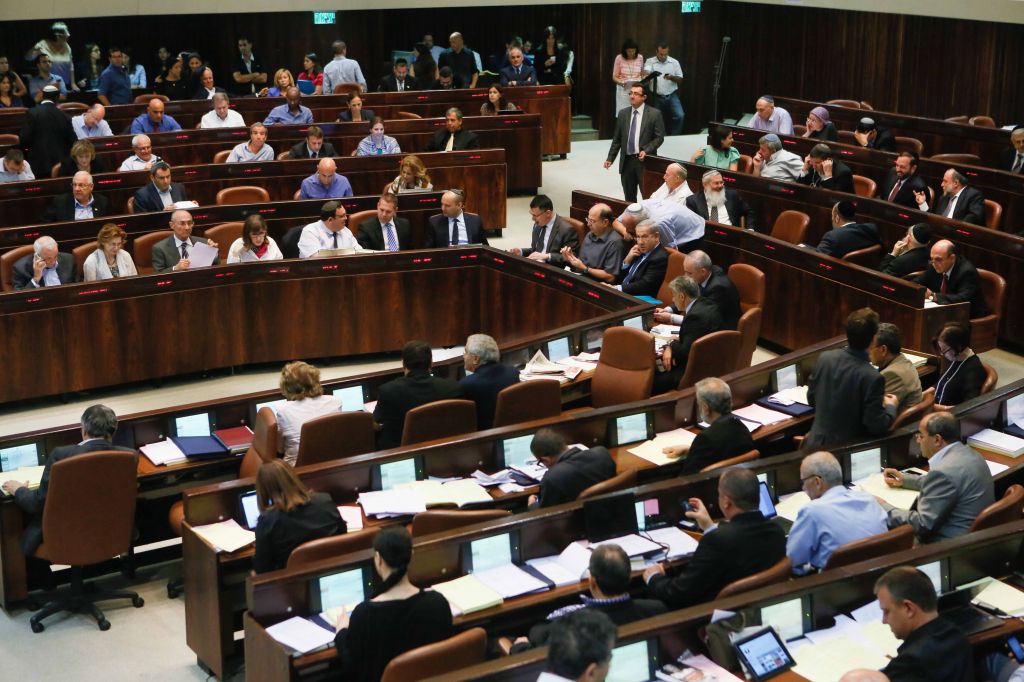
The Knesset returned to its winter session on Monday with speeches about a possible war with Iran — and a possible peace with the Palestinians.
President Shimon Peres, Prime Minister Benjamin Netanyahu and opposition leader Shelly Yachimovich focused most of their Monday speeches on the diplomatic agenda.
But the upcoming session is likely to see drama coming from a very different quarter — and, indeed, is likely to be the most dramatic session in years. The key issues on the Knesset’s domestic agenda could see the ulta-Orthodox public enraged, send Arab lawmakers packing, ease the housing shortages that sent hundreds of thousands of Israelis into the streets in 2011, and, unthinkably, choose Peres’ successor.
In November, the Knesset is set to vote into law the so-called Better Governance Bill, a collection of reforms to the rules for electing and running the government proposed by Yesh Atid and Yisrael Beytenu. The most dramatic of the bill’s stipulations: doubling the electoral threshold — the number of votes a party must win to be eligible to receive Knesset seats — from two percent to four. That figure may well erase any chance of election for Israel’s far-right and far-left parties, who will have to merge with larger, more centrist blocs if they wish to participate in political life at the national level.
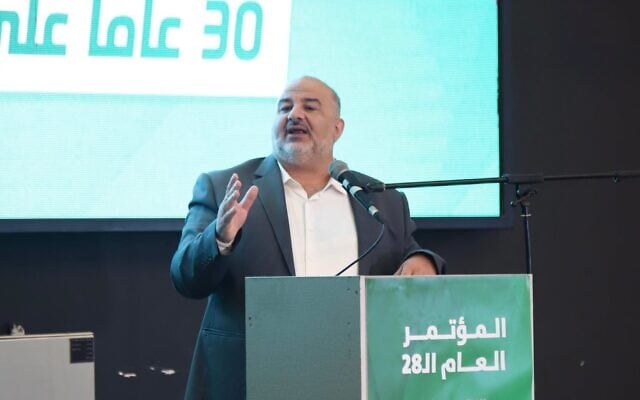
More dramatically, the new threshold may force all three Arab parties, the communist Hadash, nationalist Balad and Islamist Ra’am-Ta’al, out of the Knesset. At the end of the last session, Arab MKs staged a protest in the Knesset plenum in which they used their allotted speaking time during the Knesset debate to stand silently at the podium. “You want a Knesset without Arabs,” one railed at coalition MKs.
Proponents of the threshold increase, which was originally proposed by the Labor Party, argue that far from diminishing Arab representation, it would force the narrow ideological parties based in the Arab sector to pursue broader agendas and alliances in order to attract larger audiences. The result would be a political system that favors compromise and unity rather than the current one, which encourages political differentiation and extremism.
The bill has a majority in the Knesset and so looks set to pass into law by next month, though an effort is underway, led by Hatnua party MKs, to make the threshold increase gradual, raising it to 3% during the next Knesset elections and 4% in the one thereafter.
The next four months could also see the success or collapse of the peace talks with the Palestinians. Besides the diplomatic fallout from either result, there will likely be a domestic political fallout.
Labor has vowed — most recently in Yachimovich’s Knesset speech on Monday — to support the Likud-led government if it seeks to make a peace deal that will be unpalatable to the more hawkish coalition partners. That offer is an acknowledgement of the difficulty Netanyahu faces in bringing any peace deal to a government that includes senior ministers, especially Jewish Home’s Economy and Trade Minister Naftali Bennett and Housing Minister Uri Ariel, who in principle reject any territorial withdrawal from the West Bank.
The Knesset will also resume the contentious debate over drafting ultra-Orthodox men into military or national service. The issue played a part in the collapse of the last government, and is central to the election platforms of two major coalition partners, Yesh Atid and Jewish Home. In the Haredi street, the issue has boiled over into violence on multiple occasions.
The government is also working on legislation to extend new zoning laws instituted during the last government that makes it easier to initiate construction of new housing.
Come spring, and Shimon Peres’s imminent retirement, the Knesset will also vote for the next president. Potential candidates include former Knesset speaker MK Reuven Rivlin, Labor MK Binyamin Ben Eliezer, former Likud ministers David Levy and Natan Sharansky, and others.





The Times of Israel Community.