

Iran says any country cooperating with new US sanctions will be ‘considered an enemy’
US has presented new sanctions as ‘toughest in history,’ is urging China — one of Tehran’s top trading partners — to cooperate; oil traffic through Hormuz still near a standstill
 Add ToI as a Preferred Source on Google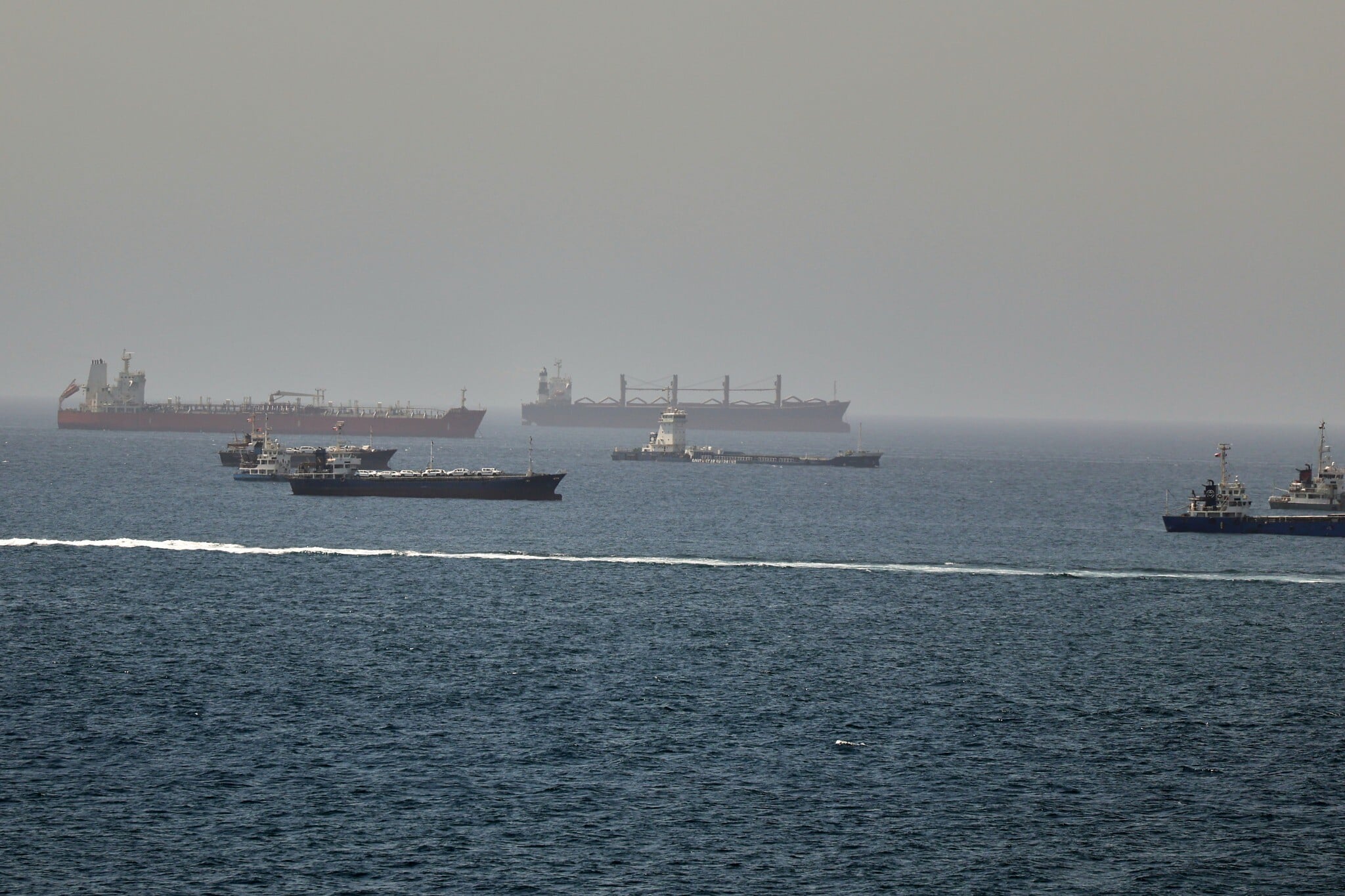
Iran on Saturday slammed US plans to announce new sanctions that could put further strain on the Islamic Republic’s economy, and warned that any countries that take part in imposing these sanctions would be “considered an enemy.”
The sanctions, which the US has branded “the toughest sanctions in history,” could have an impact on Tehran’s most important trading partners, including China.
After nearly six months of war since the US and Israel launched airstrikes against Iran on February 28, the sides were not firing at each other but showed no sign of pursuing peace talks.
Oil shipments were at a virtual standstill in the Strait of Hormuz, with Tehran threatening to strike any unauthorized oil tankers that tried to transit the vital waterway, and Iran’s economy was already under immense pressure from sanctions.
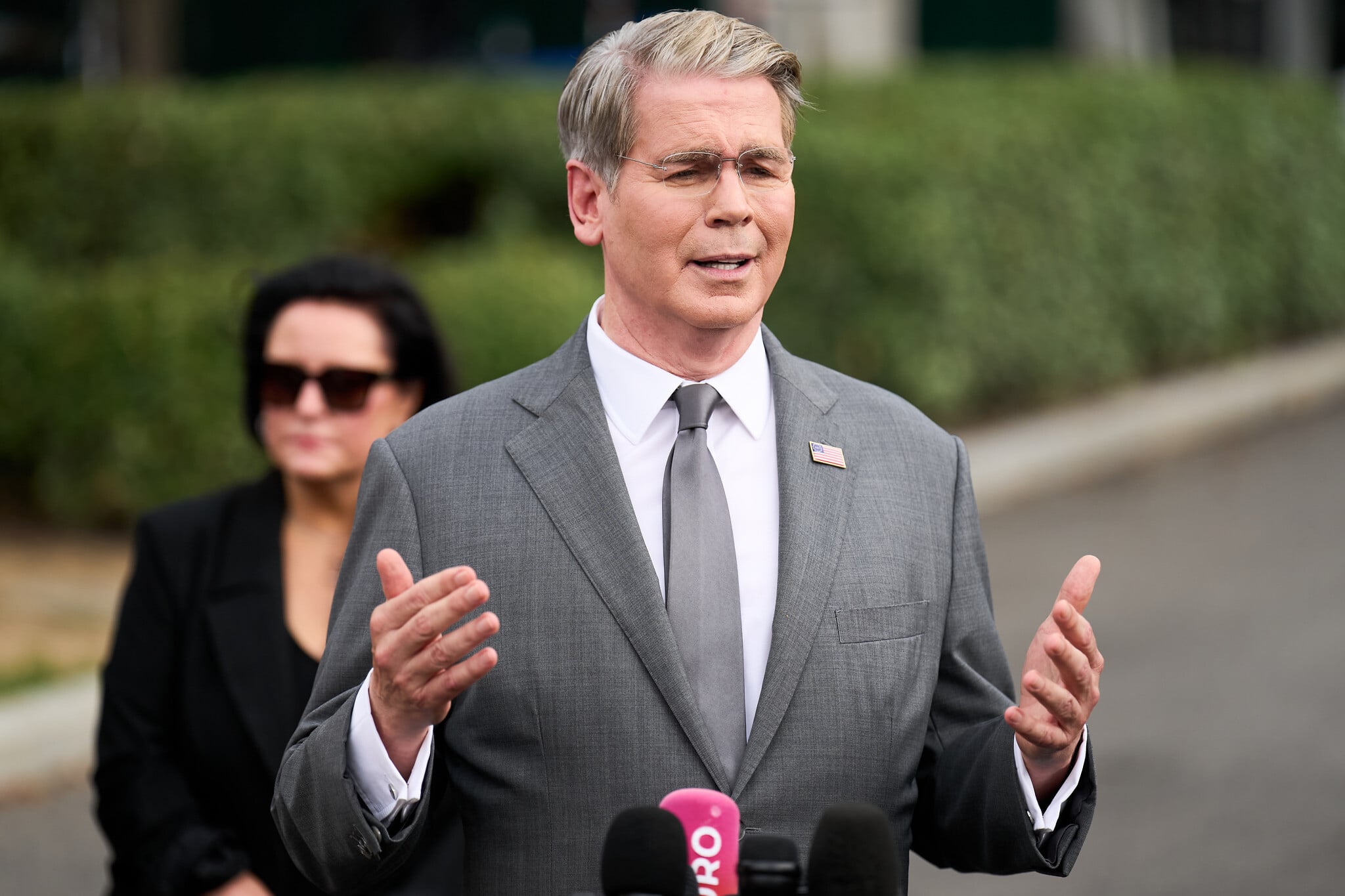
US Treasury Secretary Scott Bessent was due to hold a press conference at 2 p.m. on Monday after threatening “the toughest sanctions in history” on Iran.
Bessent has also urged cooperation with Washington by China, which bought more than 80% of Iran’s shipped oil, according to 2025 data from analytics firm Kpler. Beijing has urged diplomacy.
Iran’s Foreign Ministry spokesperson, Esmaeil Baghaei, said on Saturday the imminent US announcement of new economic sanctions was an “assertion of extraterritorial sovereignty over every independent member state of the United Nations.”
“Such secondary sanctions find no foundation in international law,” he said in a post on X.
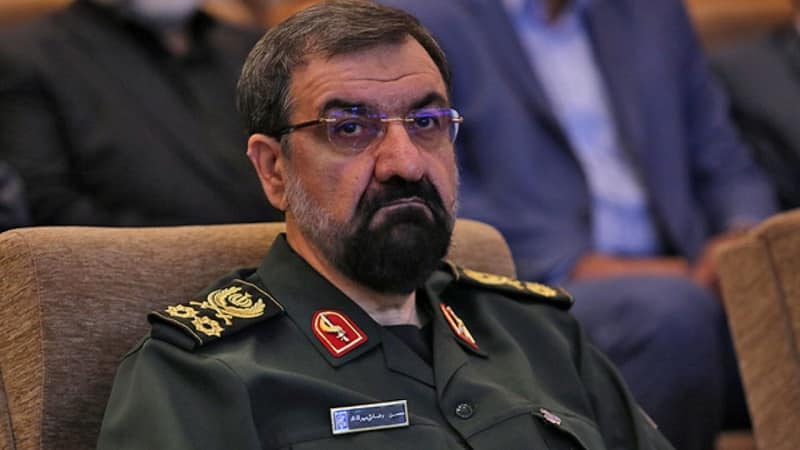
The head of Iran’s supreme national security council, Mohsen Rezai, also warned the international community against cooperating with the US on the sanctions.
“We declare to all countries… do not join the economic war waged by the United States. Any country participating in the imposition of economic restrictions against us is considered an enemy,” he said on state television.
Nuclear rethink
Rezai also hinted that the war could see Iran rethink its stated policy of not building a nuclear weapon.
Rezai slammed US President Donald Trump’s “stupidity” for launching a war aimed at curbing Iran’s nuclear ambitions, saying that the war has actually increased the desire of countries around the world to acquire nuclear weapons.
“The United States said it attacked to prevent the construction of the atomic bomb,” he said, but the war has only increased global ambitions for nuclear weapons.
He noted that Iran was already a member of the Nuclear Non-Proliferation Treaty (NPT) and the International Atomic Energy Agency (IAEA), and said: “Iran was ahead of many countries in terms of adhering to nuclear regulations. Today, the world is asking the question: Why is a country that has fulfilled so many of its commitments being attacked?”
“Then they attack Iran, which has complied with international laws and cooperated so much,” he continued. “Why don’t we build a nuclear bomb so that no one can attack us?”
Stopping Iran’s nuclear program was a key goal of the war.
Iran, which routinely calls for the destruction of Israel, maintains that its nuclear program is for purely civilian purposes. However, it has enriched uranium to levels far beyond what’s necessary for any peaceful application, and consistently obstructed international inspectors from checking its facilities. Israel has also said Iran has taken steps toward weaponization.
Rezai further said that the US attacked Iran first, and that it has been Trump who has pushed for escalations, not Tehran: “If we were war-mongering, would we have gone to three negotiations with the Americans? How many ceasefires would we have accepted?”
“We are not war-mongering, but we will not surrender under any circumstances,” he said. “We will defend our nation.”
The chief of staff of Iran’s armed forces, Major General Ali Abdollahi, promised on Friday that Iran would respond to enemy threats militarily with “crushing, punishing and devastating responses.”
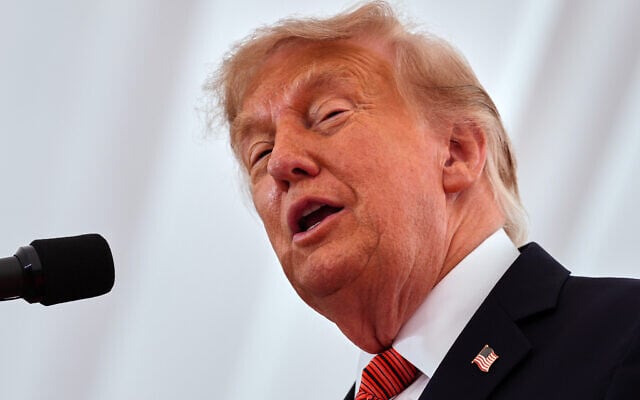
Trump, who had warned of economic consequences for any country that provided “any type of lifeline to Iran,” said Friday that Washington was watching to see what happened in the conflict.
“It just means that we’re seeing what happens,” Trump told reporters when asked whether US military options against Iran were limited.
“We have total control of that entire region having to do with the Strait of Hormuz, and that means well into it, the land areas. So, they would love to make a deal, but they’re not ready to make the right deal, in my opinion,” Trump added.
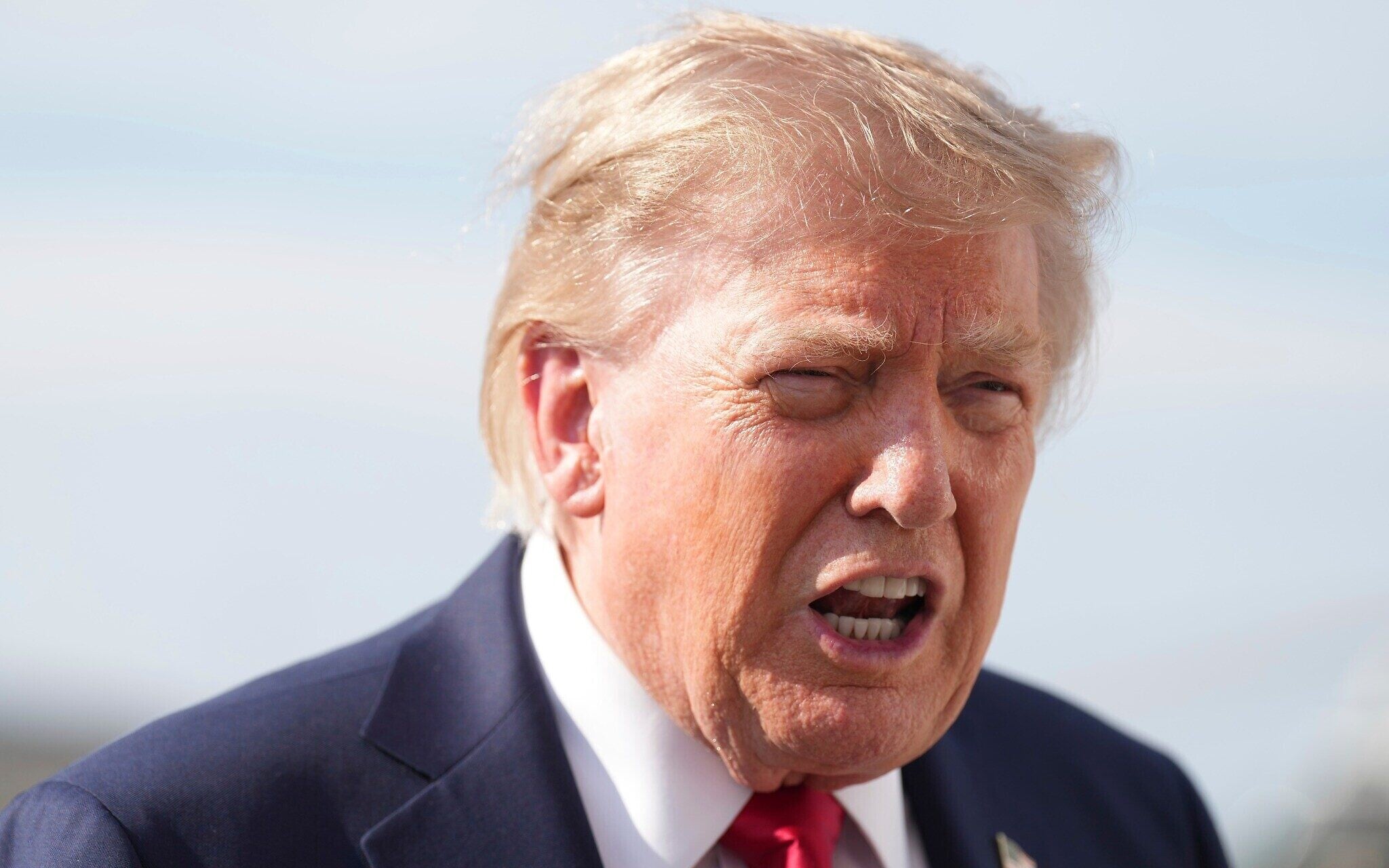
Hormuz traffic halted
While the US had effectively blockaded Iranian vessels in their ports, the Strait of Hormuz remained bottled up with thousands of seafarers stranded on hundreds of vessels.
Only four commodity ships sailed along the strait on Thursday, none of them large crude carriers or liquefied natural gas tankers, ship-tracking data showed.
Iran had granted permission for some Iraqi oil tankers to pass through the Strait of Hormuz following repeated requests from Baghdad, Iranian state media reported Saturday.
IRNA said Iraq had sought passage for its tankers through several channels, including during a visit to Iraq by Iranian parliament speaker Mohammad Bagher Ghalibaf, Tehran’s lead negotiator in talks with the US.
Iran has asserted control over the Strait of Hormuz since the outbreak of the war on February 28, requiring vessels to obtain permission and pay transit fees to use the waterway. Trump, however, said Washington had “total control” over the strait.
Before the war, roughly one-fifth of the world’s oil and liquefied natural gas exports passed through the strategic waterway.
IRNA said Iraqi officials were continuing to seek permits for additional tankers, arguing that Iraq had no viable alternative to Hormuz for exporting most of its crude oil.
Iran and Oman have also been in talks on establishing a new route through the strait, though a deal has not been finalized. Tehran said such an arrangement would not by itself reopen the waterway unless Washington met Iran’s broader demands.
US Energy Secretary Chris Wright said the US military helped move a seven-day average of 8 million barrels a day of oil through the strait. That was down from more than 20 million per day before the war, or about one of every five barrels consumed worldwide.
US attacks have severely diminished Iran’s economy and devastated its navy and air force, but Tehran has maintained enough missile and drone capability to impede oil tanker traffic and attack regional rivals.
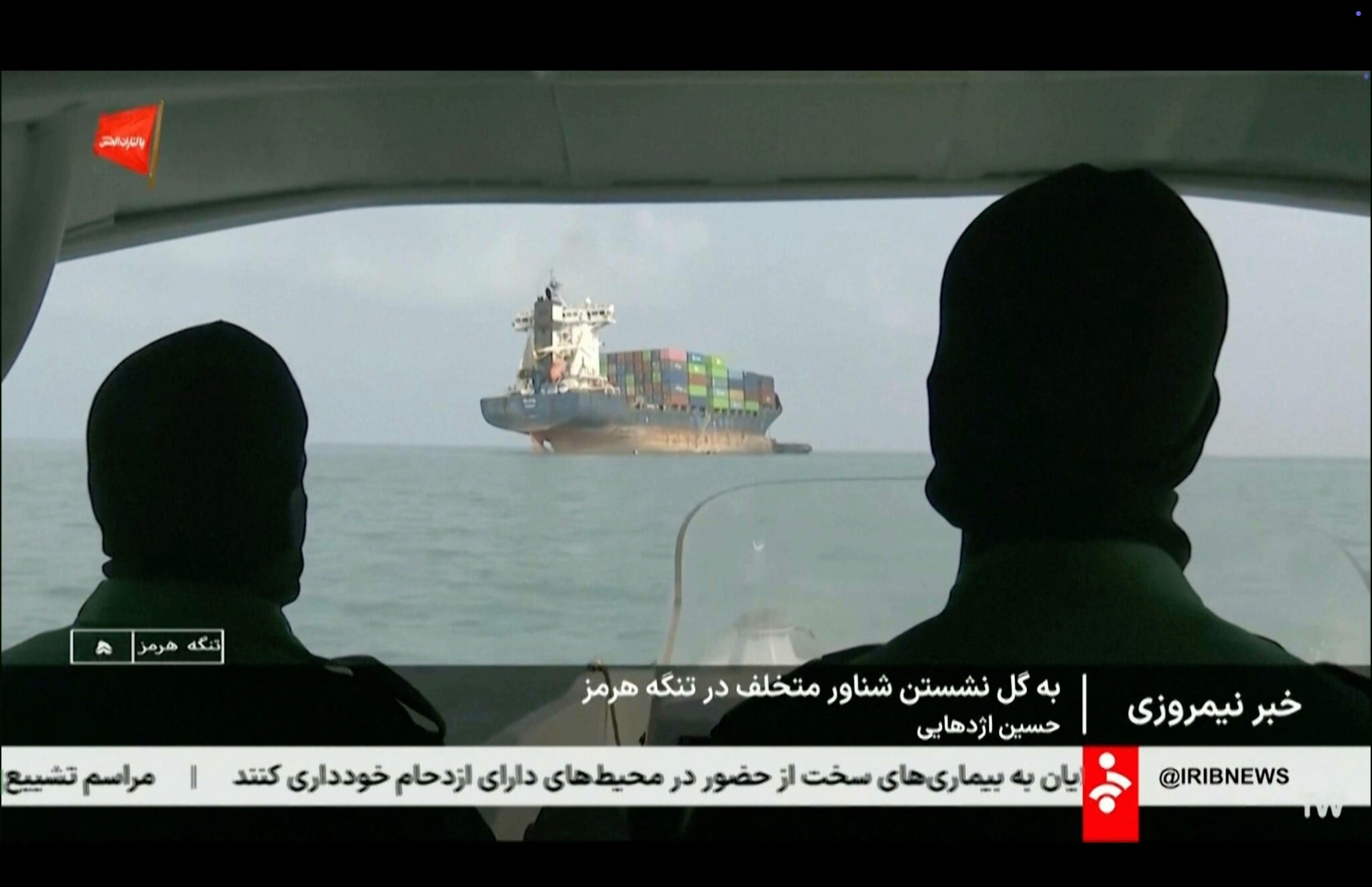
Abdollahi, the armed forces chief of staff, sought to underline Iran’s missile capabilities during a visit to an underground plant manufacturing ballistic missiles that was reported by state television on Saturday.
“This plant has been able, much better than in the past, to produce equipment superior both in capacity and quality and in quantity,” he said.
Trump, meanwhile, has yet to achieve objectives he set at the start of the war, such as dismantling Iran’s nuclear program — the state of which remains uncertain given that UN inspectors have been shut out since 2025 — and creating conditions for Iranians to overthrow their clerical rulers.
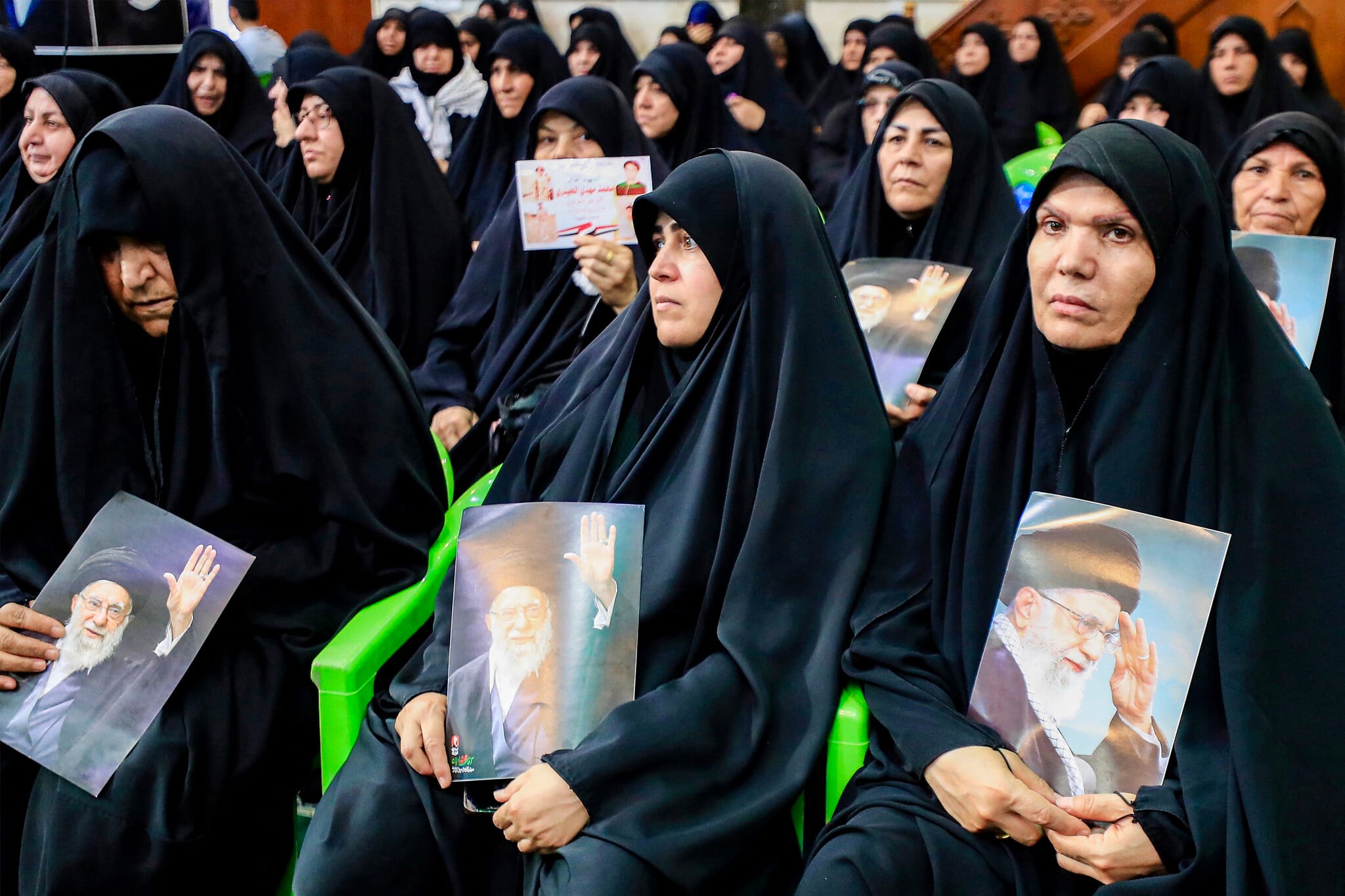
While Iran remains defiant, President Masoud Pezeshkian has also called for a diplomatic solution.
“It would be better to end the war today, when we are powerful and have dignity, and the whole world acknowledges our victory and emphasizes that America, contrary to all regulations, attacked our schools, hospitals, and infrastructure and is hated in the world,” the ISNA news agency quoted him as saying on Friday.
Missing pilots
Separately, an Iranian military official called on Qatar on Saturday to transfer Iranian pilots to a hospital on land, saying they were being held on water and were in “poor physical condition,” Tasnim news agency reported.
Mohammad Baqerzadeh, commander of the Committee for the Search for Missing Persons of Iran’s Armed Forces General Staff, said the location where the pilots were being held was unsuitable and called on the International Committee of the Red Cross to send an air ambulance to Qatar to expedite the return of injured and sick detainees to Iran.
Qatar has denied that it is holding live Iranian pilots, saying they violated Qatari airspace during the war and were shot down. It says it has the remains of one pilot and that the others were not recovered. Doha said it had contacted Tehran to coordinate the handover of the remains and invited Iranian officials to review details of its search-and-rescue operations, but had received no response.
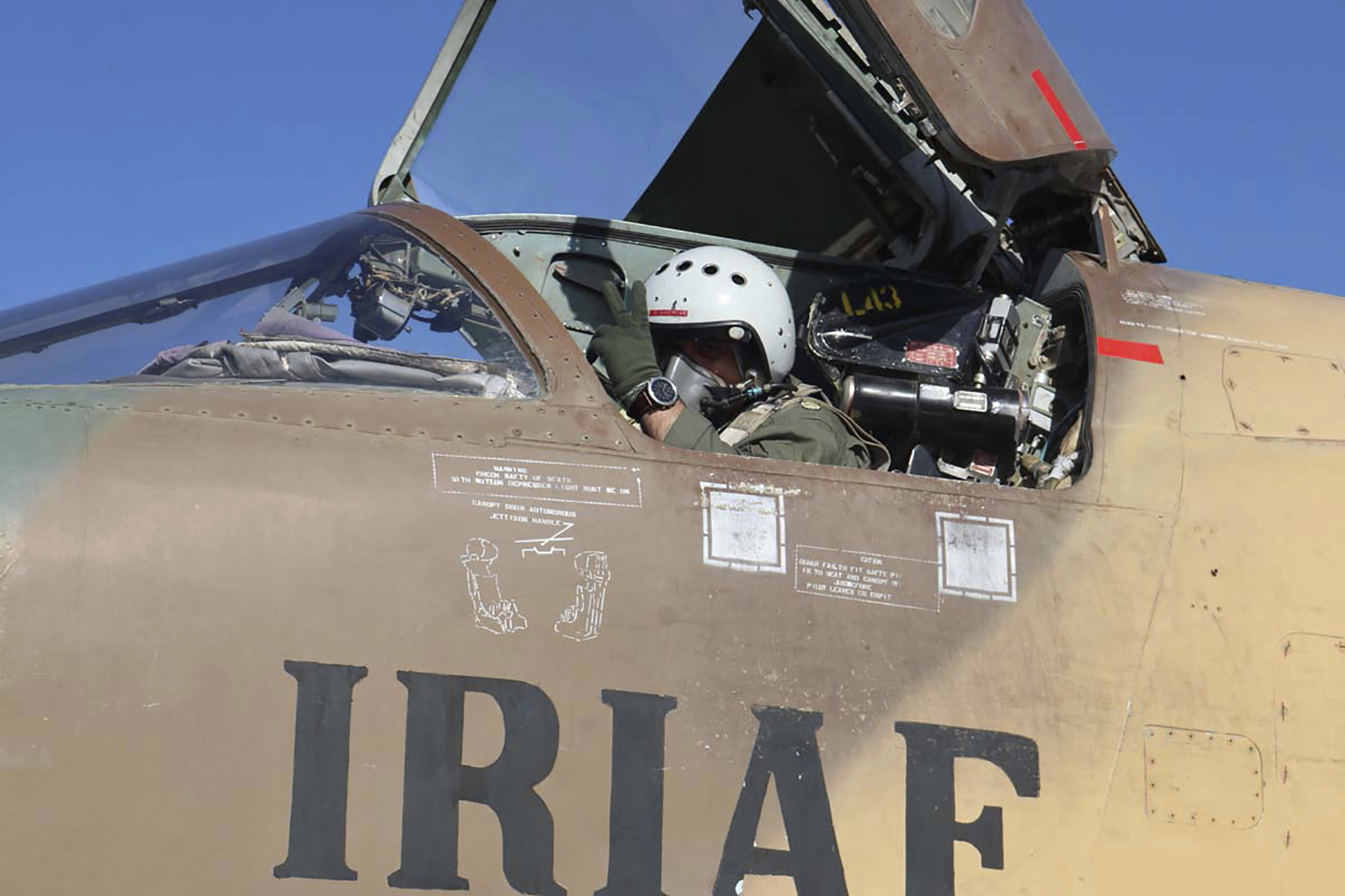
A Qatari Foreign Ministry spokesman said Tuesday that the invitation remained open. Baqerzadeh on Saturday welcomed Qatar’s willingness to receive a team of Iranian experts and called on Doha to cooperate with them.







The Times of Israel Community.