

Mother of Gaza’s Hind Rajab demands independent probe after IDF opens criminal investigation
More than two years after 5-year-old girl was killed in Gaza City, military has acknowledged troops fired at family car, reversing initial account that forces were not in the area
 Add ToI as a Preferred Source on Google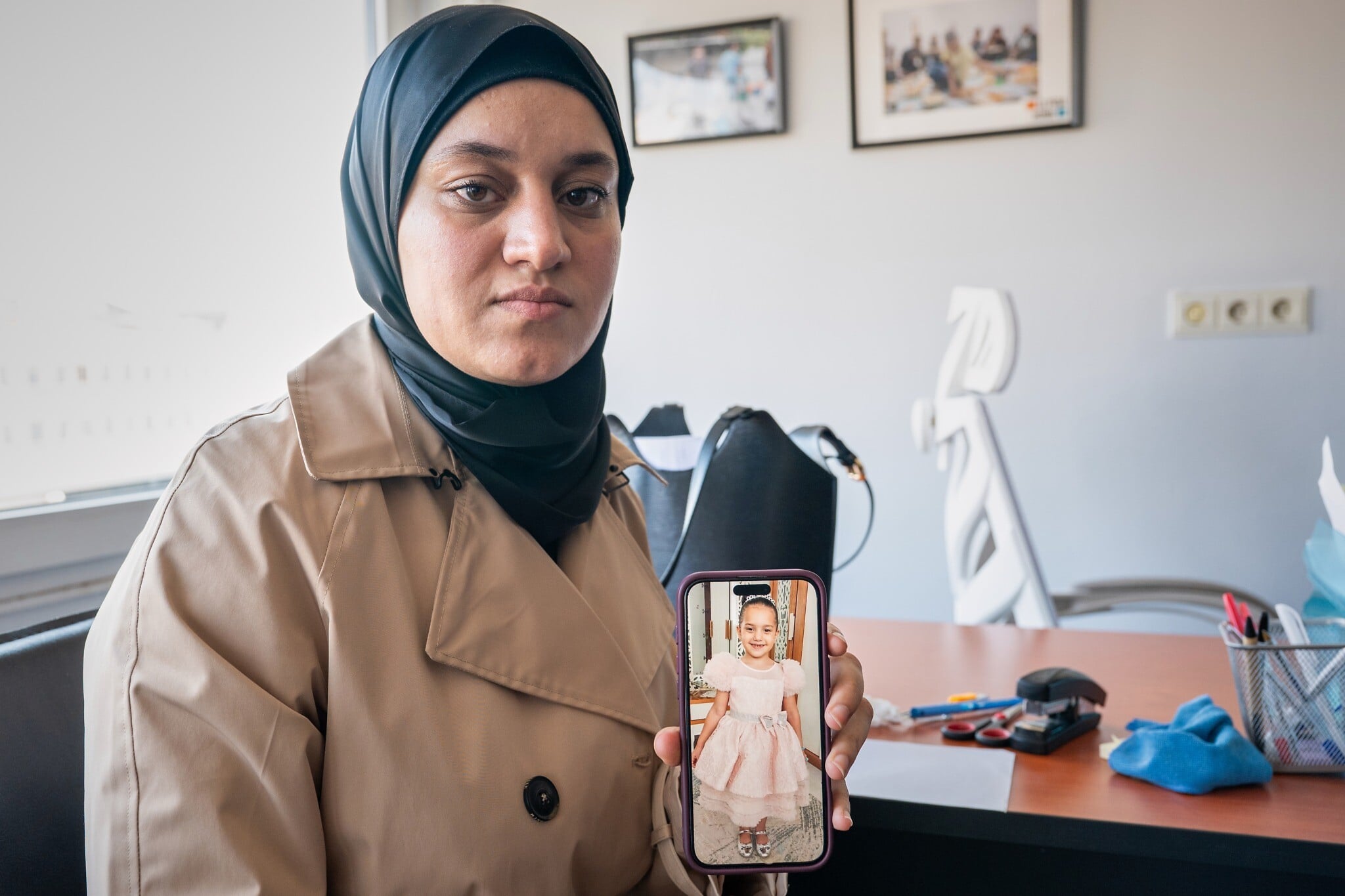
The mother of a five-year-old Palestinian girl who was killed after Israeli forces fired on her family’s car in Gaza City wants an independent inquiry into her death, saying an Israeli military investigation announced this week was insufficient.
Wesam Hamada said her daughter Hind Rajab’s final pleas still haunted her.
“All I remember is her voice pleading, ‘Mama, I’m scared. Mama, I’m hungry. Mama, I’m hurt,’” she said. “Her voice keeps repeating in my ears.”
The widely publicized recording of Hind’s January 2024 phone call with her mother and emergency dispatchers made her one of the Israel-Hamas war’s most prominent casualties.
Another of Hind’s uncles, Sameeh Hamadeh, said the car was peppered with bullet holes.
The Israel Defense Forces this week admitted to firing at the family’s car as it approached forces while “traveling in the opposite direction to an evacuation route” that was published by the army to residents of the area.
The Israeli gunfire reportedly killed five of the occupants, while two initially survived — Hind Rajab and her cousin Layan.
Hind Rajab spent hours on the phone with dispatchers pleading for help with the sound of shooting echoing around her. When a Palestine Red Crescent Society ambulance arrived at the scene, a shell was fired at it, killing two paramedics, according to reports at the time.
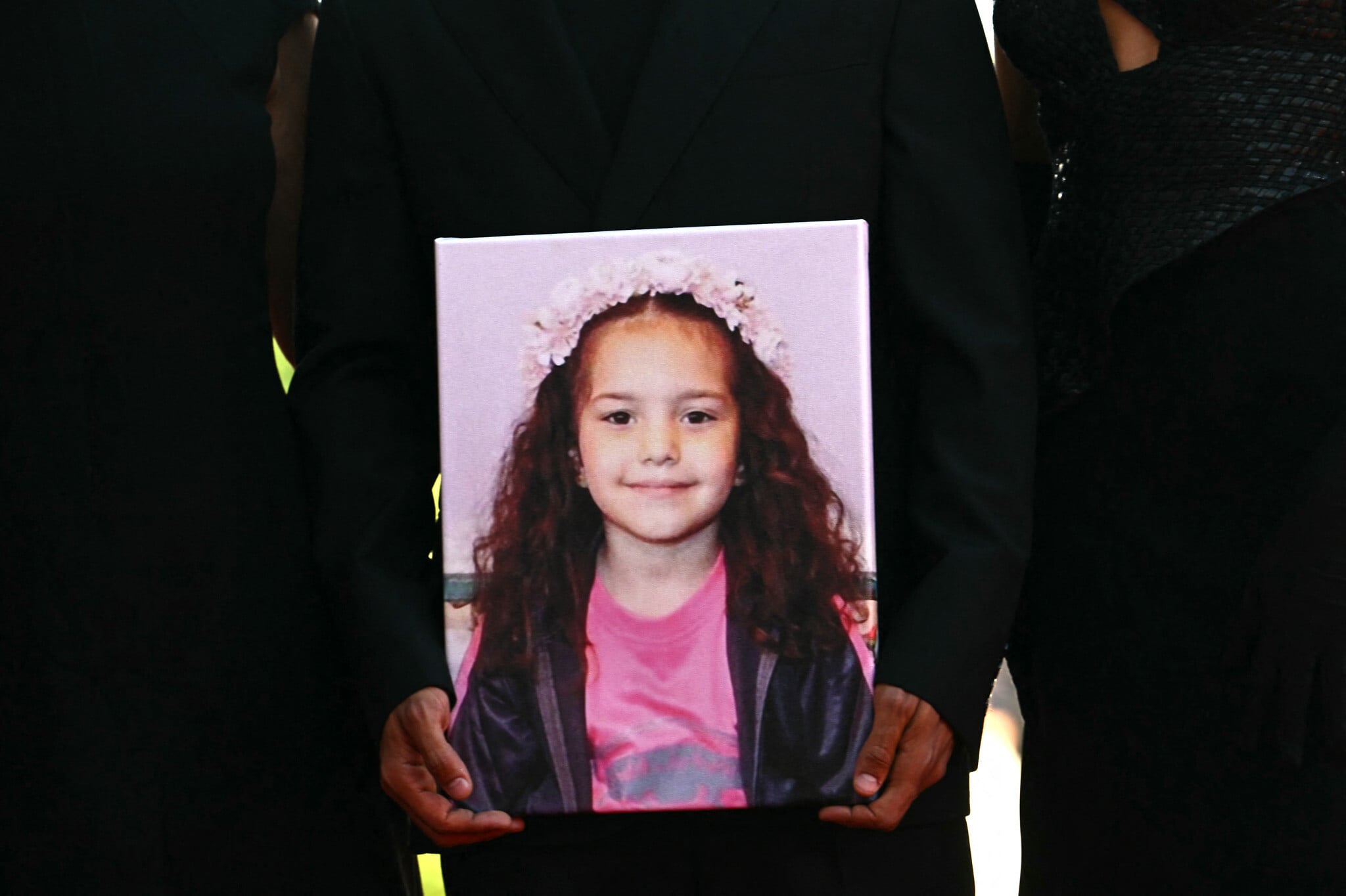
The IDF said it would launch a criminal investigation into its troops’ conduct, but it did not immediately confirm whether the troops’ fire had killed all seven people in the car and the two paramedics.
Both Rajab’s family and emergency responders from the Palestinian Red Crescent Society doubted the Israeli investigation could deliver justice.
“Why did the investigation and the acknowledgment of the shooting at Hind’s car and at the paramedics come only after more than two years?” Hamada said in an interview with The Associated Press. “It’s an attempt to distract from what’s happening in Gaza and improve the [Israeli] army’s image to the world. That’s it.”
A call to paramedics that was heard around the world
The story of the family’s deaths drew international outcry after the Palestinian Red Crescent Society released recordings of Hind and her 15-year-old cousin Layan Hamada calling for help. It was further amplified by “The Voice of Hind Rajab,” a film that excerpted the recordings and was nominated for an Oscar.
On the recordings, as audible gunfire erupted around them, Hamada asked for help and told Red Crescent dispatchers that her family had been killed. Seconds later, more gunshots were heard, and Lian’s screaming stopped.
Ambulance dispatchers called back and found Hind on the other end of the line. She told them Lian was dead and Israeli tanks were advancing. The Red Crescent sent an ambulance and stayed in contact with Hind until the call dropped.
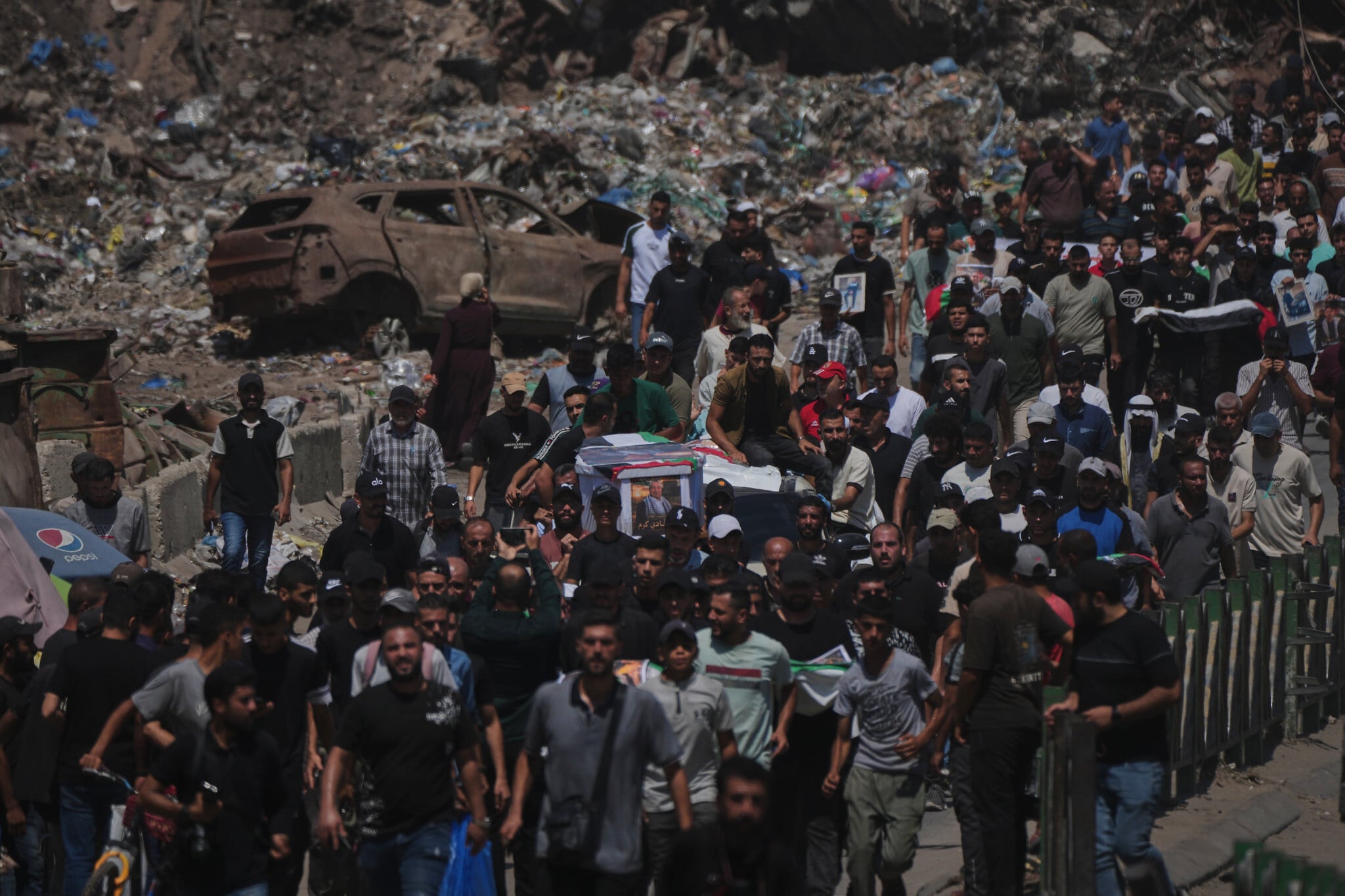
Hind and six relatives were found dead in the family car 12 days later. The two medics sent to rescue her were also found dead nearby, their ambulance blackened and destroyed.
335 balazos le pegaron al coche en el que viajaba Hind Rajab con su familia en Gaza. Las IDF admiten dos años y medio después la ejecución al anunciar que abre una investigación penal contra los soldados que dispararon pic.twitter.com/OIPjTBBegS
— Sandro Pozzi (@sandro_pozzi) August 19, 2026
In February 2024, the IDF told The Times of Israel that its preliminary investigation indicated troops had not been near the family’s vehicle or within firing range. The military also said that “given the lack of forces in the area, there was no need for individual coordination of the movement of the ambulance or another vehicle to pick up the girl.”
But a UN commission of inquiry and an investigation by the research group Forensic Architecture found evidence placing Israeli forces near the car and attributed the attack to them.
The IDF said at the time that the incident had nevertheless been referred to the General Staff Fact-Finding Assessment Mechanism, the military body tasked with examining exceptional incidents during the war.
Two months later, the US sought further clarification from Israel after a Washington Post investigation challenged the military’s account. The State Department said Washington had previously been told that an IDF probe found Israeli forces were not in the area. The US stated it would return to Israel for further information and welcomed a full investigation.
Rana Al Faqih, a dispatcher who was in contact with Hind for more than three hours, said the day remained seared in her memory. She tried to calm Hind and eventually patched her mother onto the call.
“I couldn’t physically reach Hind, embrace her or help her feel safe,” she said in an interview at the Red Crescent headquarters in Ramallah, West Bank. “All I had was my voice. My voice was with her, and it might have comforted her.”
Advocates doubt an Israeli investigation can bring accountability
The investigation was one of two criminal probes the military announced Wednesday after reviewing roughly 150 incidents.
Military Police investigators were to take up the probes and present their findings to military prosecutors. The Military Advocate General can then decide to keep investigating, indict any soldiers, or decline to charge them.
Israeli officials say the country’s justice system could address any violations by its troops. But such investigations rarely lead to indictments. Just 0.17% of incidents reviewed from 2014 and 2022 led to prosecution, according to an analysis by Israeli rights group Yesh Din.
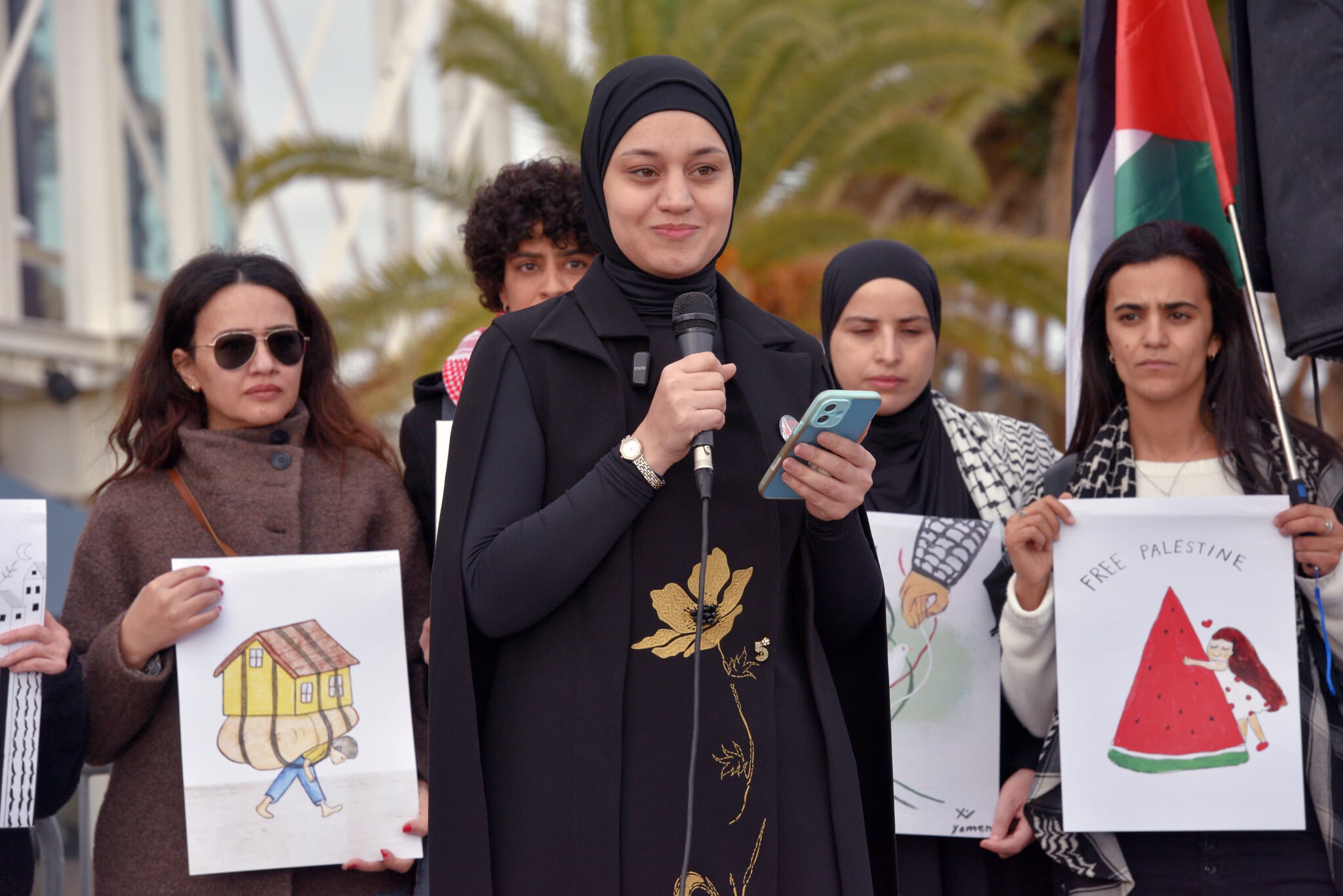
The Belgium-based Hind Rajab Foundation — which campaigns for the arrest of Israeli troops it accuses of war crimes — said in a statement on Wednesday that an Israeli military investigation “should not be mistaken for a genuine step toward justice.”
“Israel’s internal investigations into the criminal conduct of its own soldiers are fundamentally flawed and cannot be regarded as credible mechanisms of accountability,” it said.
The pro-Palestinian group named after Rajab has filed dozens of complaints against Israeli soldiers and officials in countries around the world over alleged war crimes in Gaza. Its efforts have prompted the IDF to introduce measures aimed at protecting troops from being identified abroad.
The group has succeeded in prompting investigations and detentions abroad, though none of the soldiers it targeted had been prosecuted for alleged offenses committed in Gaza.
The Israel-Hamas war began on Oct. 7, 2023, when Hamas-led terrorists killed 1,200 people, mostly civilians, in southern Israel and abducted 251 others. More than 73,400 people have been killed in the Israeli offensive since, according to the Hamas-run health ministry in Gaza.
The ministry, part of the Hamas-led government, does not give a breakdown of civilians and terror operations but says women and children constitute about half the deaths.
Israel insists its forces never target innocents, but acknowledges that many civilians were killed during the war, accusing Hamas terrorists of regularly operating from within the civilian population, fighting from civilian locations including homes, hospitals, schools, and mosques.
Hamada said his pain since the killing of Hind — who had wanted to become a doctor — was not unique.
“The pain is like the pain of every mother who has lost her child in Gaza,” she said. “You wish she were in front of you, growing up and fulfilling your dreams and her dreams, and then you lose her in the most horrific circumstances.”







The Times of Israel Community.