

Nobel Prize-winning Israeli chemist Ada Yonath dies at 87
Noted for her groundbreaking research on ribosome crystals, Yonath was one of the country’s greatest scientific minds, winning numerous awards over her decades-long career
 Add ToI as a Preferred Source on Google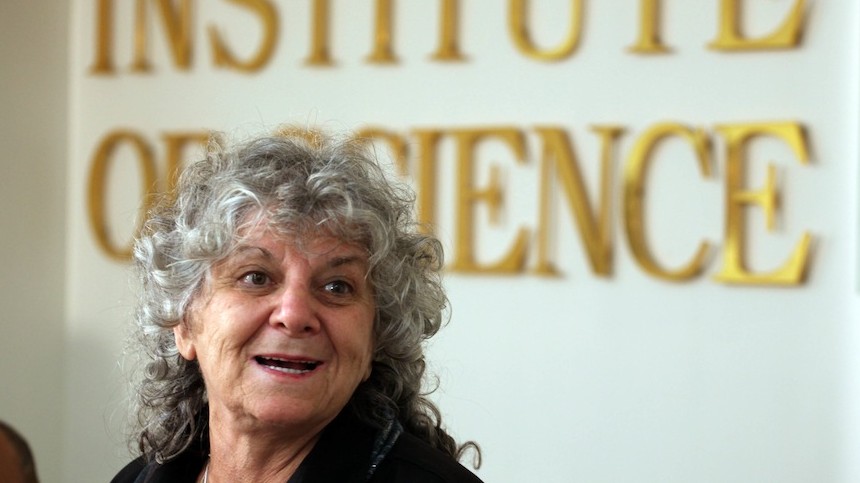
Ada Yonath, the renowned Israeli crystallographer who won the 2009 Nobel Prize in Chemistry and the Israel Prize, died Monday at the age of 87.
Yonath’s death was announced by the Weizmann Institute, Yonath’s professional home for decades, which said in a statement that her work helped “pave the way for the development of more advanced antibiotics and the fight against antibiotic-resistant bacteria – one of the most pressing medical challenges of the 21st century.”
She was born in Jerusalem in 1939, lost her father at a young age and grew up in a poor family in the Geula neighborhood.
Yonath began working before age 12, and when her family moved to Tel Aviv in the 1950s, she gave math lessons to other students in order to afford tuition at the Tichon Hadash high school.
She then moved back to Jerusalem to attend Hebrew University, where she get earned a bachelor’s degree in chemistry and a master’s degree in biochemistry.
She earned her PhD in X-ray crystallography at Weizmann in 1968, before moving to the United States for postdoctoral work at Carnegie Mellon University and the Massachusetts Institute of Technology for several years.
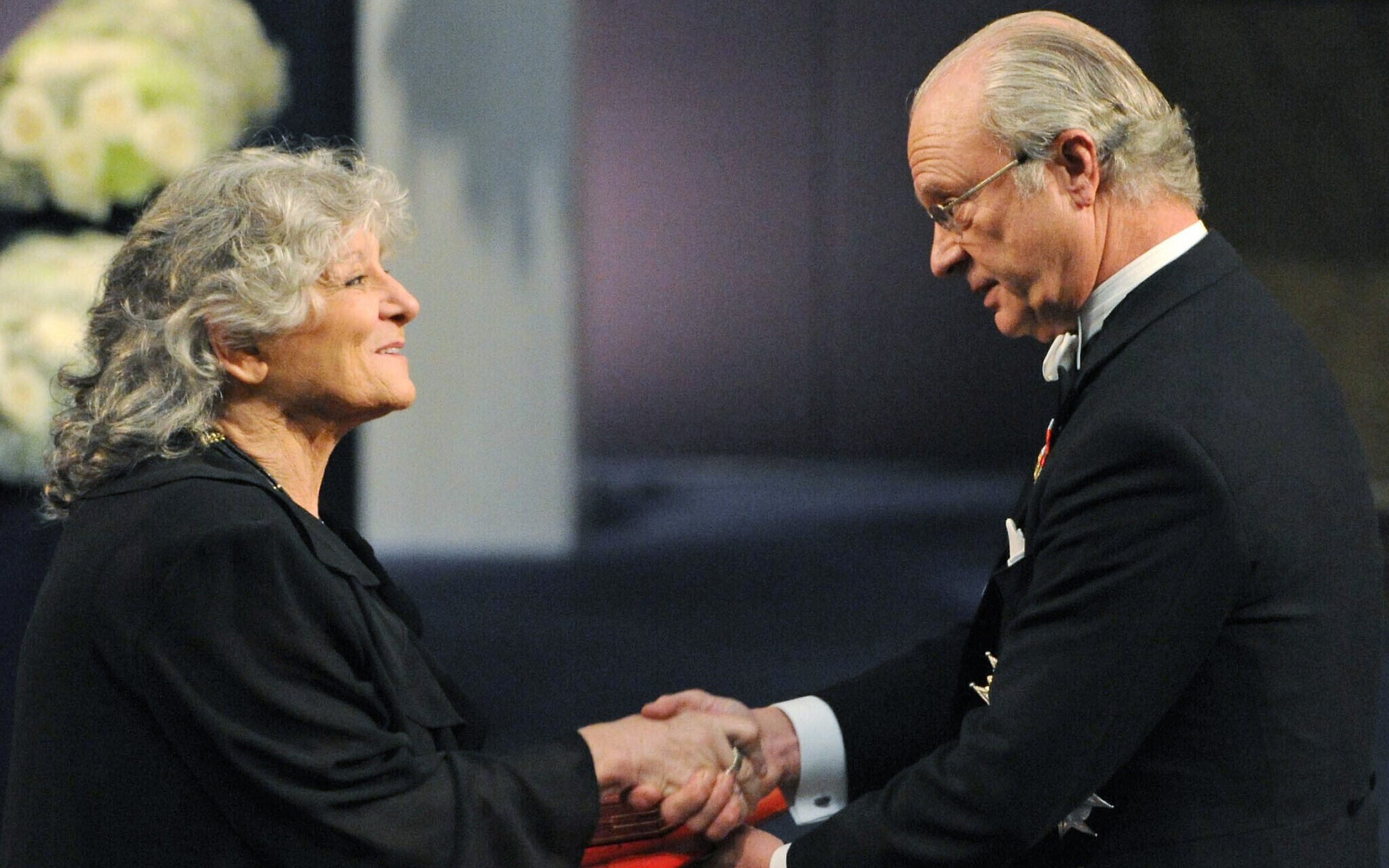
When Yonath returned to Israel in the 1970s, she founded the first protein crystallography laboratory in Israel and became the first to succeed in producing ribosome crystals.
She continued her research into ribosomes over the next several decades, during which she also served in various administrative roles at Weizmann, including as the longtime director of the Mazer Center for Structural Biology.
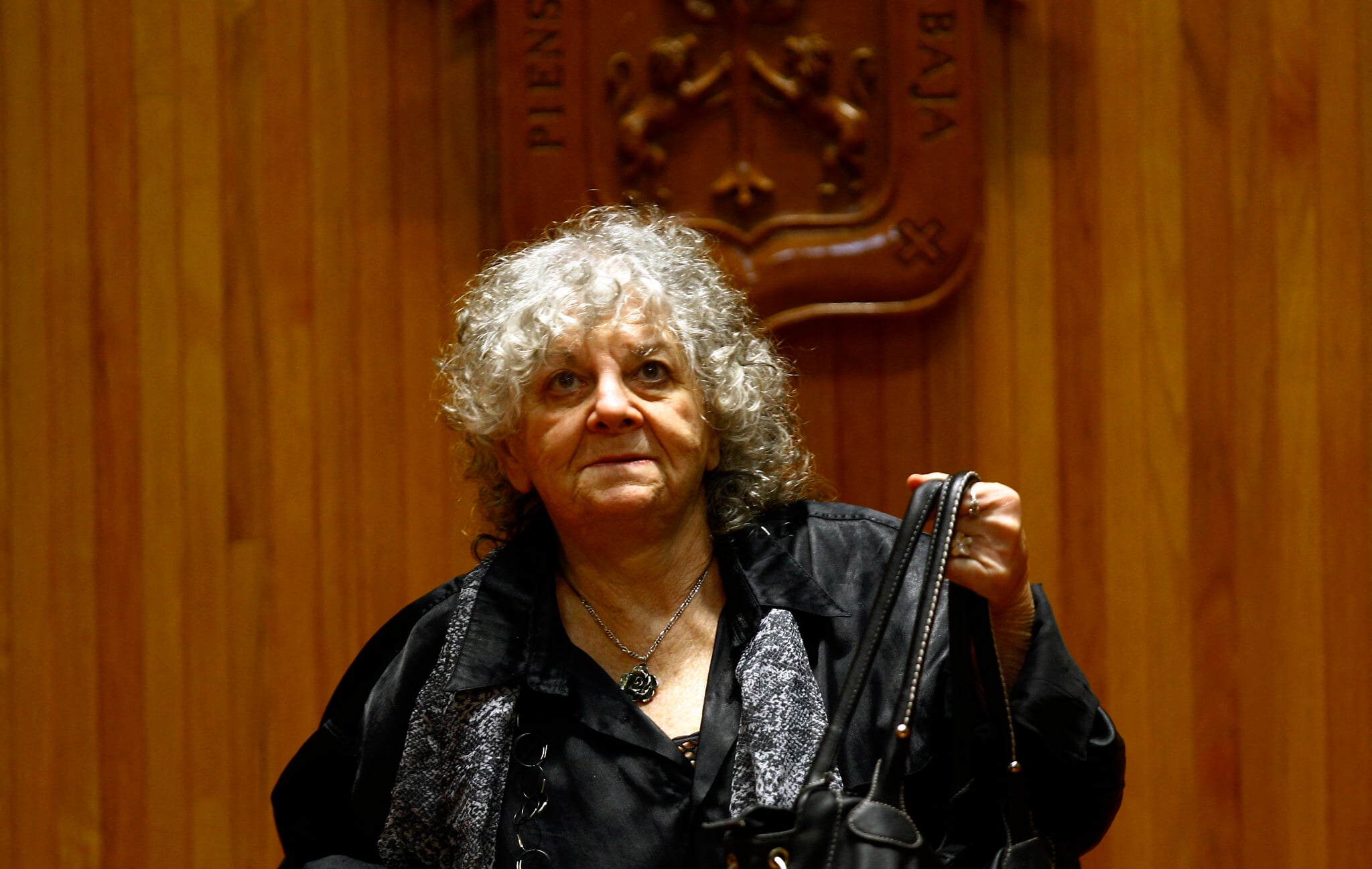
Yonath won numerous prizes for her work and was the first Israeli woman to win the Nobel Prize, winning the 2009 award in chemistry for her studies on the structure and function of the ribosome. She was also the first woman in 45 years to win the prize for chemistry.
Yonath was a member of the US National Academy of Sciences, the American Academy of Arts and Sciences, the Israel Academy of Sciences, and several other international academies.
She also became an outspoken political voice, often speaking out against government moves to politicize the arts and sciences. She was also vocally against the government’s judicial overhaul program, publishing an open letter in 2023 with six other Nobel laureates that warned against “regime changes,” adding that the move would “have clear negative impacts on research and institutions of higher education, which are the country’s economic and security engine and ensure its ongoing existence.”
She is survived by her daughter Hagit and granddaughter Noa.
Mourning Yonath’s death, President Isaac Herzog said she “was among the leading researchers in Israeli scientific history.”
He hailed her as a “globally pathbreaking woman, a pioneer who proved that curiosity, devotion to a goal and uncompromising determination can break the bounds of human knowledge.”
Opposition Leader Yair Lapid also praised Yonath, posting on X that she “was one of those people who proved to the world that Israeli science can go the farthest, and proved to the scientific world that women can break through any glass ceiling.”
“Her legacy is not only her scientific breakthrough, but also a reminder of the state’s responsibility to lay the groundwork for the next generation, and to keep Israel as a country that encourages curiosity, research, and creativity,” he added.









The Times of Israel Community.