

Police chief halts incitement department’s operations, complying with High Court
Danny Levy accedes to decision ordering a temporarily halt to ‘proactive’ social media monitoring by fledgling body founded by Ben Gvir, despite minister’s fierce objection
 Add ToI as a Preferred Source on Google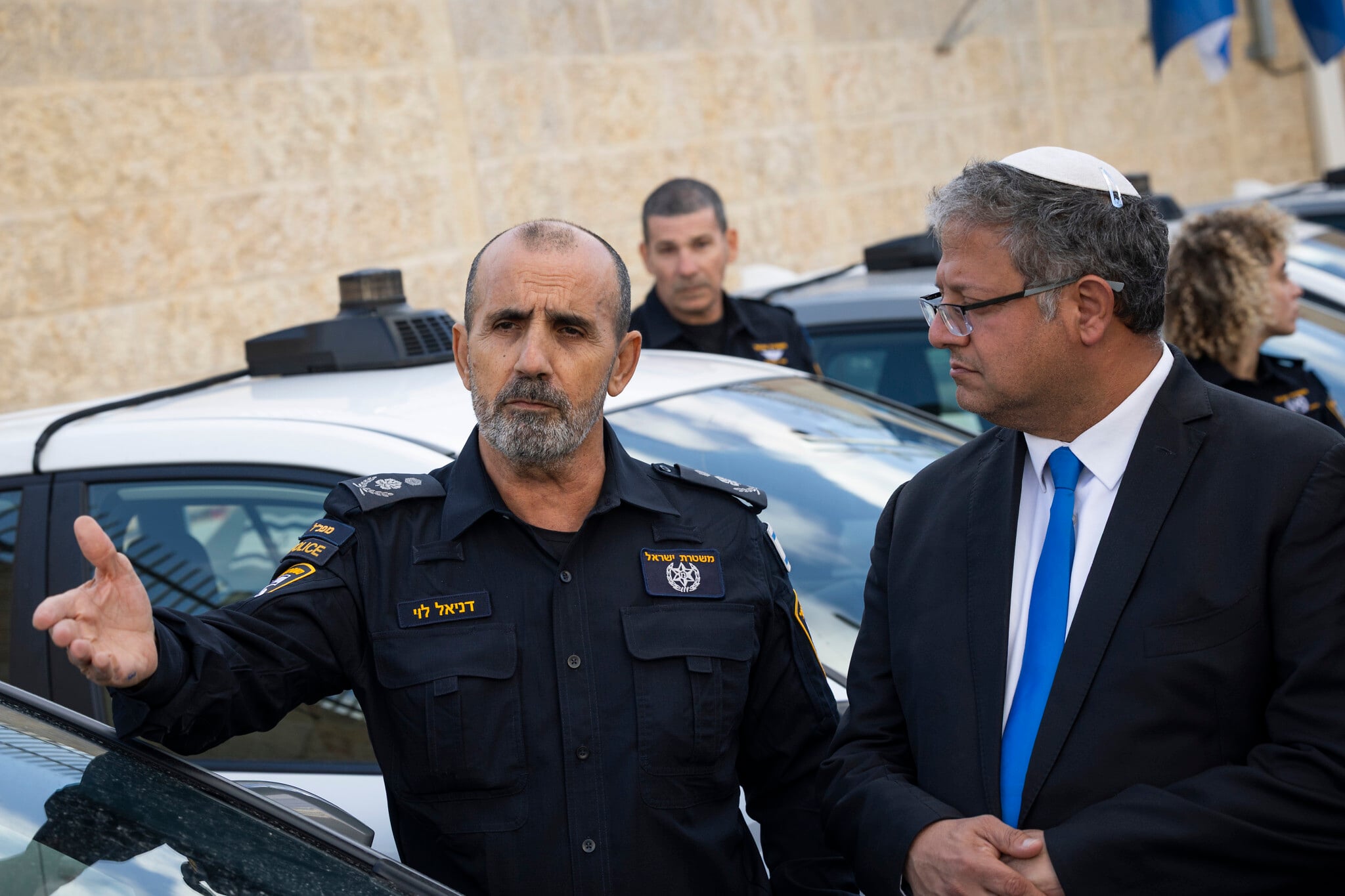
Israel Police Commissioner Danny Levy froze the operations of law enforcement’s new incitement department on Monday, in compliance with a High Court decision handed down the previous day.
The court decision ordered a pause in the fledgling body’s “proactive monitoring” of specific individuals’ social media activity in order to “discover incitement and speech offenses.”
In the brief order, Justice Yechiel Kasher said the practice is forbidden “for any reason without indication a criminal offense has been committed, and in the absence of approval from the state attorney’s office.”
Levy announced that he would adhere to the court decision in a response to Attorney General Gali Baharav-Miara, who had previously sent him a letter warning that the body’s reported activities raised real concern about “unjustified harm to human rights and free expression.”
On March 20, a Kan public broadcaster report claimed the body’s head, Ch. Supt. Udi Ronen, had urged police officers to send him the names of people who “interest or concern” them, with the goal of monitoring their social media and potentially launching investigations.
“Let’s see what, if anything, can be done against them online and through other means. Any name that comes up — just pass it along. What have you got to lose?” Kan quoted Ronen as writing. “Maybe we’ll find an interesting way to take them down and help. Even if you think they’re ‘just’ involved in property crimes, weapons, violence, and not terrorism — you never know.”
He added: “Just send me, as part of your routine, anything you know — anything that comes up. New or old. Even a single name, a few, dozens, hundreds, or thousands. We need to reach all of them using every tool; we’ll try from multiple angles. Every dog will get his reckoning.”
The Incitement Department was established in January by National Security Minister Itamar Ben Gvir, who appointed Ronen and subordinated him to the deputy police chief.
Previously, officers in police’s investigations and intelligence division, led by Deputy Commissioner Boaz Blatt, were designated to handle such cases.
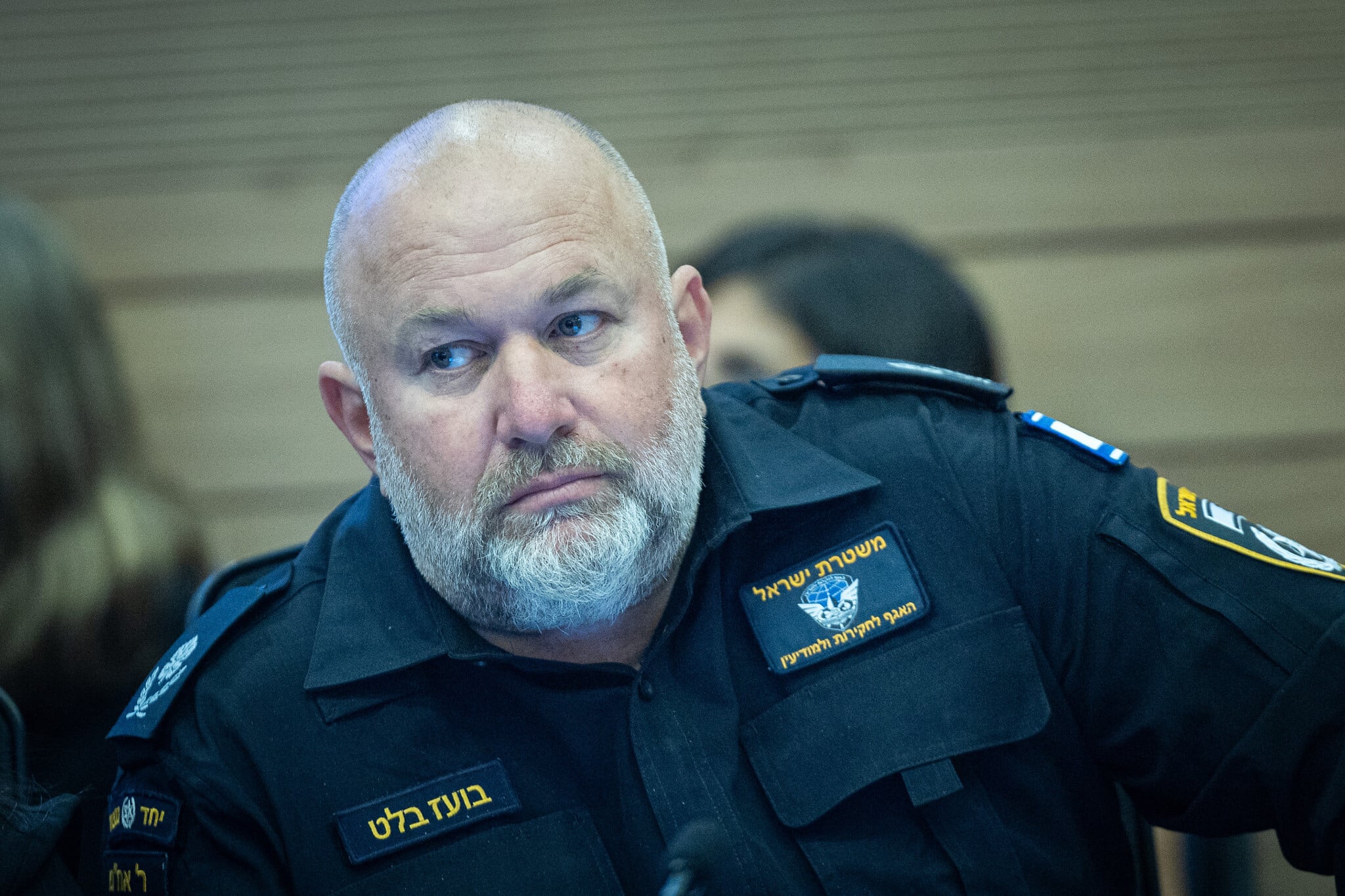
The body’s establishment appeared to be an attempt by Ben Gvir to wrest power from Blatt, whom he reportedly dislikes.
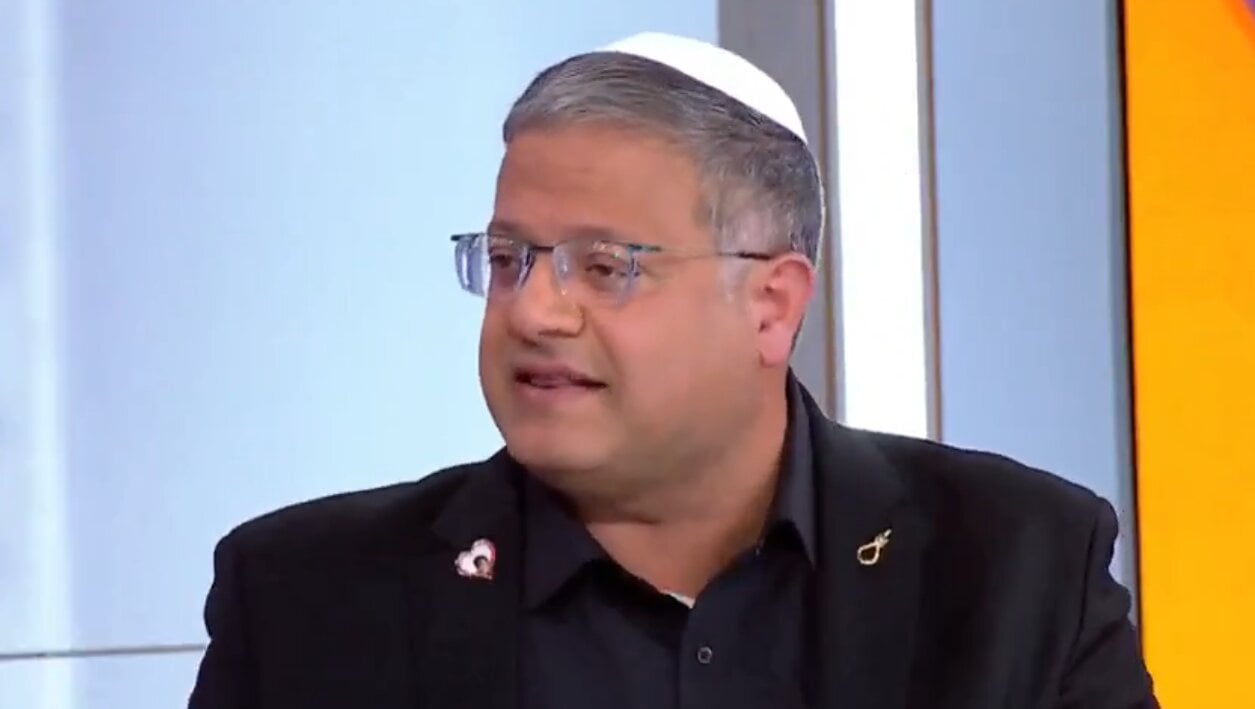
Responding to the court order issued Sunday, Ben Gvir hit out against Justice Kasher, who presided over the case, saying he would bear responsibility for terror attacks carried out following the decision.
“If the incitement comes back, it will be the fault of Judge Kasher and his friends,” he charged in an interview with the pro-government Channel 14. “Will he take responsibility? If there is, God forbid, a terror attack, will he take responsibility?”
Police said in a response to Kan that the department is meant to deal solely with terror-linked incitement, but it currently lacks defined parameters and critics have raised concerns that the body will be abused to crack down on dissent.
Police divulged in November last year that of the 710 incitement cases opened since December 2022 — when Ben Gvir took office — 96 percent were against Arabs, and only 4% were against Jews. The data, published by the Haaretz newspaper, was provided in response to a freedom of information request filed by the Association for Civil Rights in Israel.






The Times of Israel Community.