

Red Cross chief says earlier pressure for hostage releases ‘could have saved more lives’
Spoljaric addresses Israeli criticism, says visiting hostages ‘much more complicated’ than freeing them, notes Israel legally obligated to grant ICRC visits to Palestinian prisoners
 Add ToI as a Preferred Source on Google
More of the hostages may have been freed from Gaza alive if pressure for their release had been applied sooner, the head of the International Committee of the Red Cross told The New York Times in an interview published Saturday.
In a wide-ranging interview, Mirjana Spoljaric also spoke about the ICRC’s efforts to push both Israel and Hamas into prioritizing the release of the hostages, and about the body’s inability to visit them during their time in captivity, an issue that it was heavily criticized by Israel for.
“Visiting hostages is much more complicated than bringing them back,” she said. “And in my opinion, they should have come back unconditionally as of Day 1. But that’s not the reality in which we operate, and so we have to work with the tools we have.”
The 251 hostages seized by Hamas on October 7, 2023, were released in several different deals throughout two years of war, the earliest of them just weeks after the Hamas-led massacre and the last in October 2025.
Out of the hostages who were abducted alive, 40 were killed in captivity, most by their terrorist captors but also mistakenly as a result of IDF fire.
This could likely have been prevented, according to Spoljaric.
“We know how important it is to negotiate them out as quickly as possible. So the objective always has to be to bring the hostages back. And the longer it takes, the more complicated it becomes,” she said.
“I personally think that the pressure should have come earlier in the negotiations,” Spoljaric added. “We could have saved more lives.”
She said that over the course of the war, she met with both then-Hamas leader Ismail Haniyeh and Prime Minister Benjamin Netanyahu, and had “tough discussions” with both of them.

The ICRC, a neutral international body dedicated to aiding victims of war, faced heavy criticism in Israel during the war in Gaza for its failure to secure any meaningful aid for the hostages — whether by monitoring their conditions or providing them with basic humanitarian assistance, including medicine.
In retaliation, Israel blocked the ICRC from visiting Palestinian prisoners in Israeli jails, an issue that is only now beginning to be resolved after the High Court of Justice ruled that the ban was invalid.
Addressing the ban, Spoljaric told the Times that no matter what reason Israel has given to justify preventing access to Palestinian prisoners, it still has “a legal obligation” and “in my opinion also a moral obligation” to allow Red Cross visits, in accordance with the Geneva Conventions.
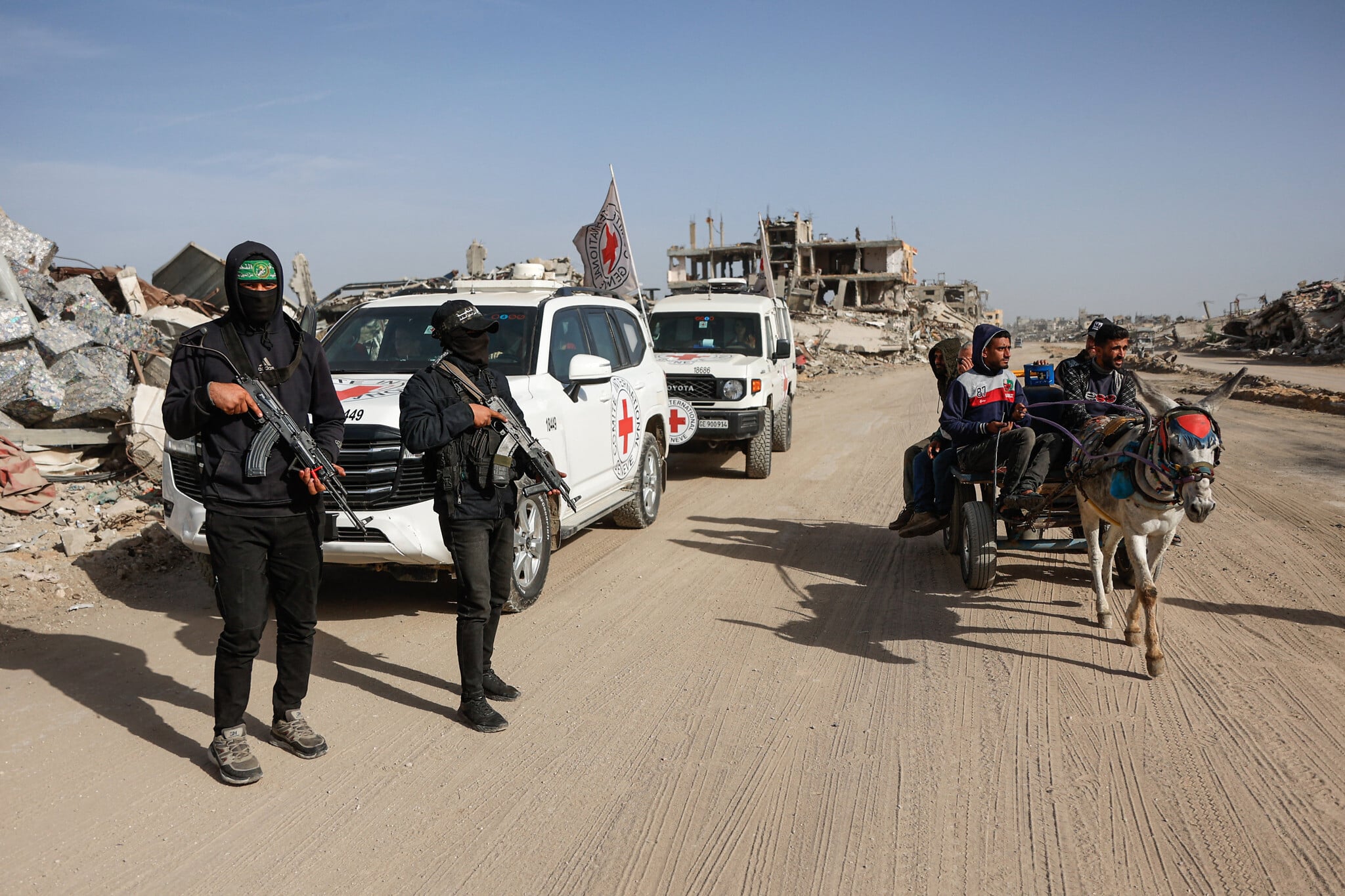
Spoljaric also addressed the current situation in the Gaza Strip, where a US-brokered ceasefire halted major fighting a year ago, but where the IDF has continued to carry out near-daily strikes against those it deems to be a threat.
Referring back to comments she made to the BBC in 2025 when she said that Gaza was “hell on earth,” Spoljaric said her assessment remains unchanged.
What I said about Gaza is still valid today,” she told the Times. “What happened to Gaza and in Gaza to Palestinians and Israelis supersedes every legal, moral and humane standard.”
“The worst now is the fact that people are deprived of human dignity.”









The Times of Israel Community.