

Saudi Arabia stoic amid Iran war, but attacks on Red Sea ports could change that
If Iranians carry out threat to hit Bab al-Mandeb Strait, kingdom’s remaining shipping route for oil exports, Riyadh would likely retaliate immediately, experts say
 Add ToI as a Preferred Source on Google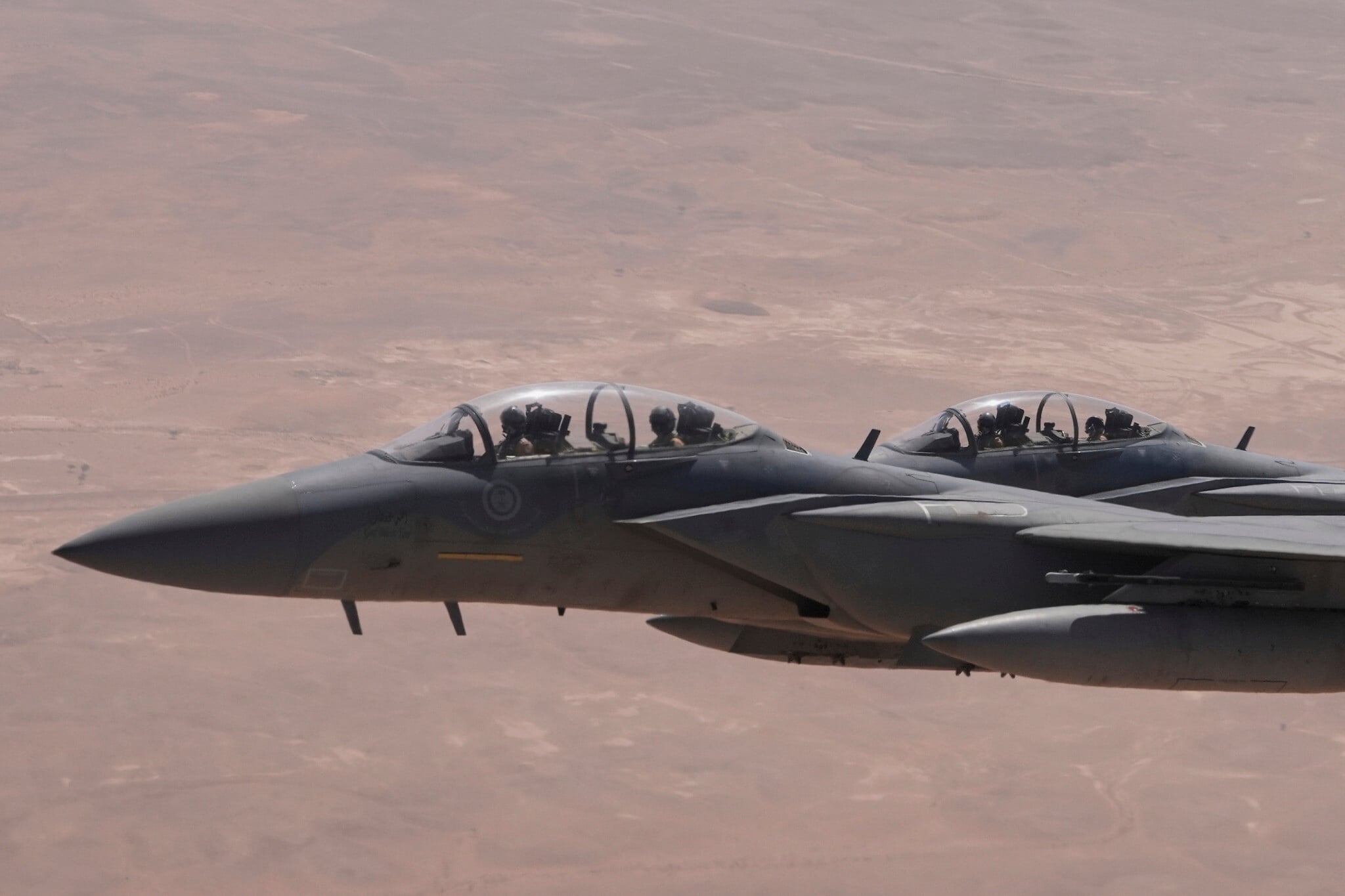
RIYADH (AFP) — For nearly a month, Saudi Arabia has absorbed waves of Iranian drone strikes and missile salvos targeting its cities and energy installations, with the kingdom refraining from hitting back — for now.
But fresh threats from Iran over possible plans to target the Red Sea, Saudi Arabia’s last remaining maritime route for shipping crude, may force the kingdom to consider taking an active role in the conflict.
Late Wednesday, as thousands of US troops were en route to the Gulf, an Iranian official said a new front on the Red Sea would be opened if Washington launched a ground invasion of its territory.
“The Bab al-Mandeb Strait is among the most strategic straits in the world, and Iran has both the will and the capability to pose a fully credible threat against it,” the official was quoted as saying by the Tasnim agency.
Following the outbreak of the war, Saudi Arabia began pumping millions of barrels of crude a day through a massive pipeline connecting its energy installations along its Gulf coast to export terminals on the Red Sea.
The Petroline, as it is known, has helped cushion the war’s blow — allowing Saudi to bypass the now-closed Strait of Hormuz, where roughly 20 percent of global crude and liquefied natural gas supplies passed before the war.
A new front on the Red Sea, the gateway to the Suez Canal, would likely see the Iran-backed Houthi rebels in Yemen enter the fight.
Following the Hamas attacks on Israel and the start of war in Gaza in 2023, the Houthis managed to all but halt maritime traffic in the Red Sea by firing occasional missiles and drones at vessels in the waterway.
The tactic would later be implemented by their allies in Tehran to economically devastating effect in the Strait of Hormuz.
But reprising the Red Sea attacks would likely trigger an immediate counterstrike by Riyadh.
“I believe that Saudi Arabia still maintains cautious neutrality in the Iran-Israel-US war,” Hesham Alghannam, a Saudi defense expert, told AFP.
“If the Houthis strike Saudi assets, Riyadh may shift toward defensive coalition support or limited retaliation.”
Riyadh vs Tehran
The conflict spreading across the Middle East has undercut years of diplomatic moves by Riyadh aimed at maintaining stability in the Gulf and achieving a detente with Iran.
Following years of enmity, Saudi Arabia and Iran announced a surprise re-establishment of ties in 2023 in a Chinese-brokered agreement that saw embassies reopened, regular visits resume and a war of words recede.
The U-turn came at breathtaking speed.
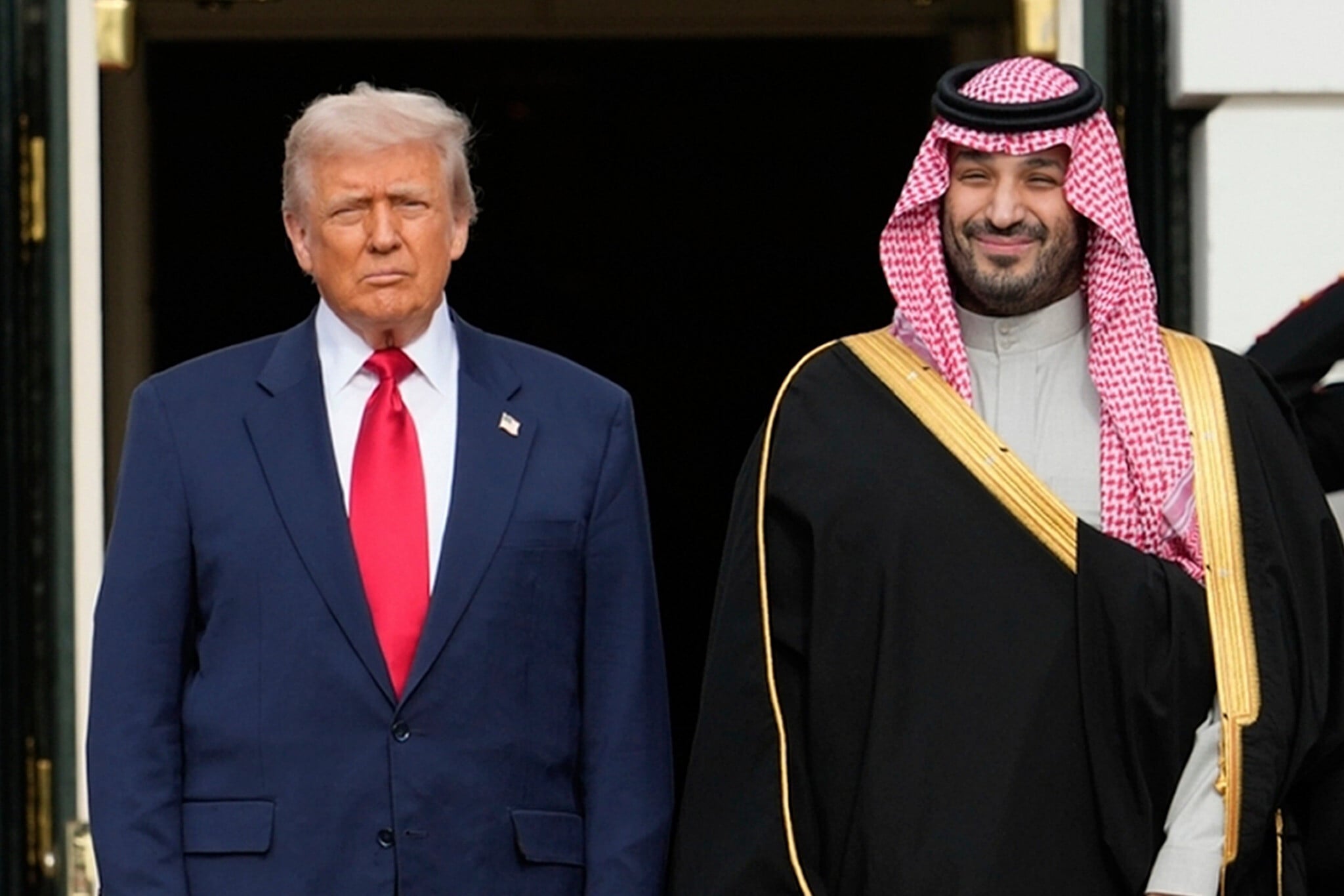
Only years earlier, Saudi Crown Prince Mohammed bin Salman had famously compared Iran’s late supreme leader Ali Khamenei to “Hitler” and launched a devastating proxy war against the Houthis that triggered international outrage from rights groups.
After agreeing to a truce in Yemen in 2022, Saudi Arabia threw its weight behind policies promoting regional stability, as its leaders doubled down on diversifying its economy and courting international investors and tourists — a strategy now jeopardized by the war.
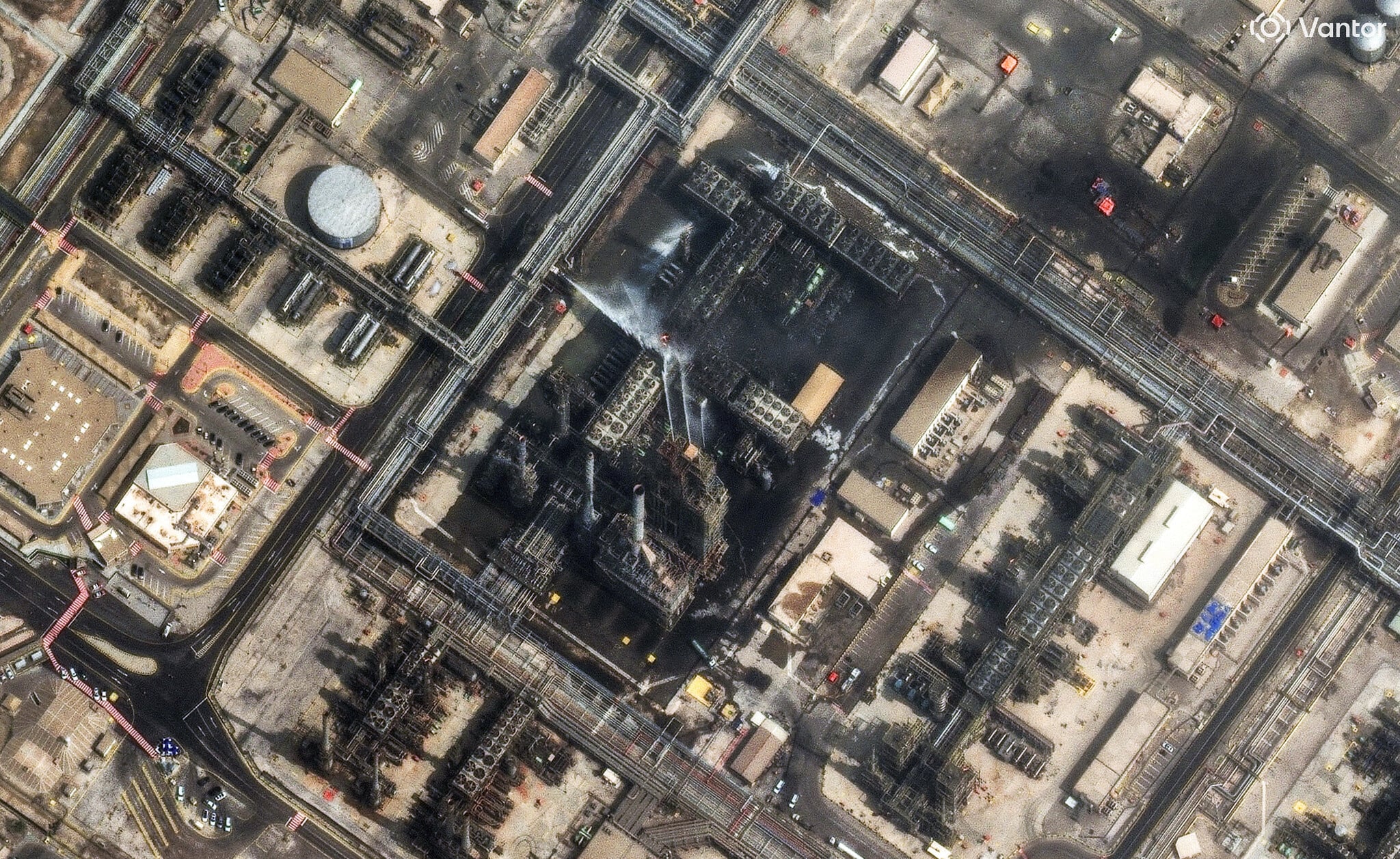
The US-Israel attack against Iran on February 28 saw Tehran unleash a mutli-layered blitz hitting cities and energy facilities across the Gulf and choking off traffic in the Strait of Hormuz.
Ports, oil fields, natural gas processing plants and storage tanks were all targeted, including Saudi Aramco’s massive Ras Tanura refinery along the Gulf coast.
With its vast size, Saudi Arabia has been able to absorb the strikes with greater ease than its smaller neighbors confined to the Gulf coast.
Multiple media reports have suggested that the Saudi crown prince has privately encouraged the Americans to continue the war and bring Iran to heel — a notion dismissed in Riyadh.
“The Kingdom of Saudi Arabia has always supported a peaceful resolution to this conflict, even before it began,” said a senior Saudi official in a statement to AFP.
“We remain in close contact with the Trump administration, and our commitment remains unchanged.”
But as the war drags on, its patience is increasingly running thin, with the daily attacks against Saudi territory shattering what little trust existed between the former enemies.
“We have reserved the right to take military actions if deemed necessary,” Saudi Foreign Minister Prince Faisal bin Farhan told reporters hours after Iran fired ballistic missiles at Riyadh last week.
“And if the time comes, the leadership of the kingdom will take the necessary decision.”









The Times of Israel Community.