

Trump announces Venezuela oil deal, as gas prices still high 6 months into Iran war
Official says deal would let US buy oil at cost from firm formed to tap South American country’s vast reserves, which Caracas opened to investors after Washington captured Maduro
 Add ToI as a Preferred Source on Google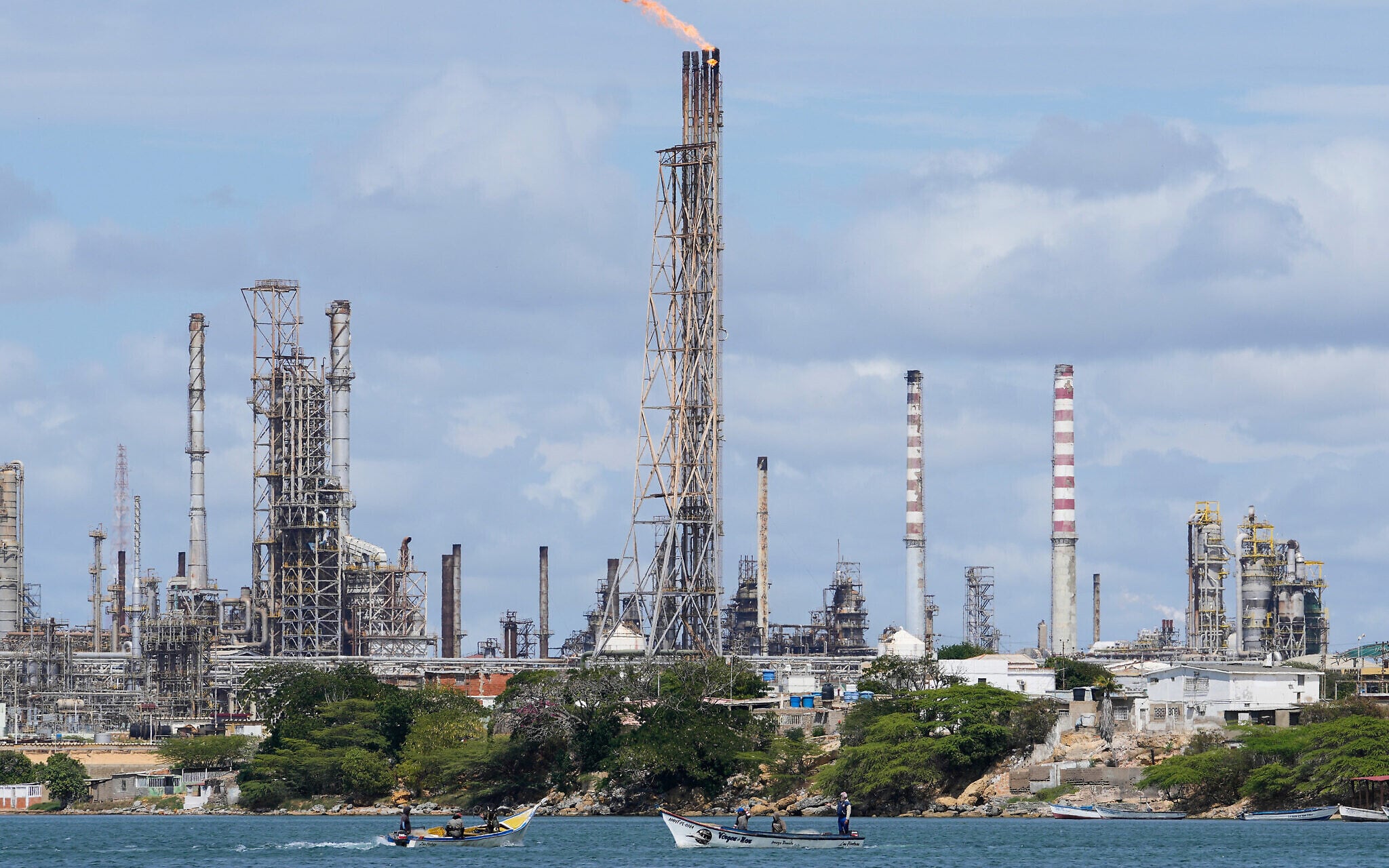
US President Donald Trump on Friday said his administration has entered a sweeping agreement to buy oil from Venezuela at cost, as the White House scrambles to lower gas prices six months into the war with Iran.
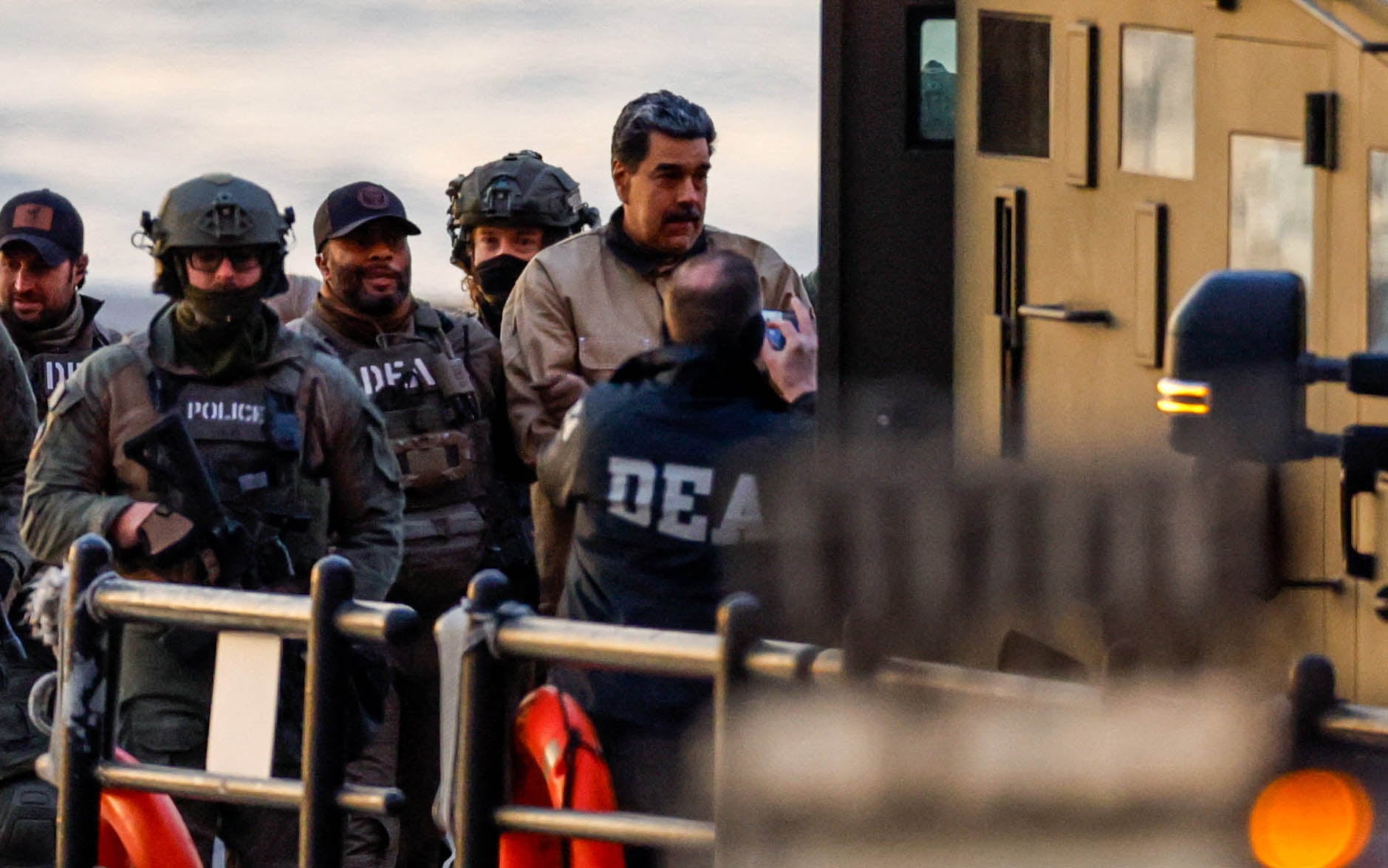
The announcement came nearly nine months after the US military captured Venezuela’s then-president Nicolás Maduro and spirited him to the United States to face federal narcoterrorism and drug trafficking charges. Maduro has pled not guilty, and remains in US custody.
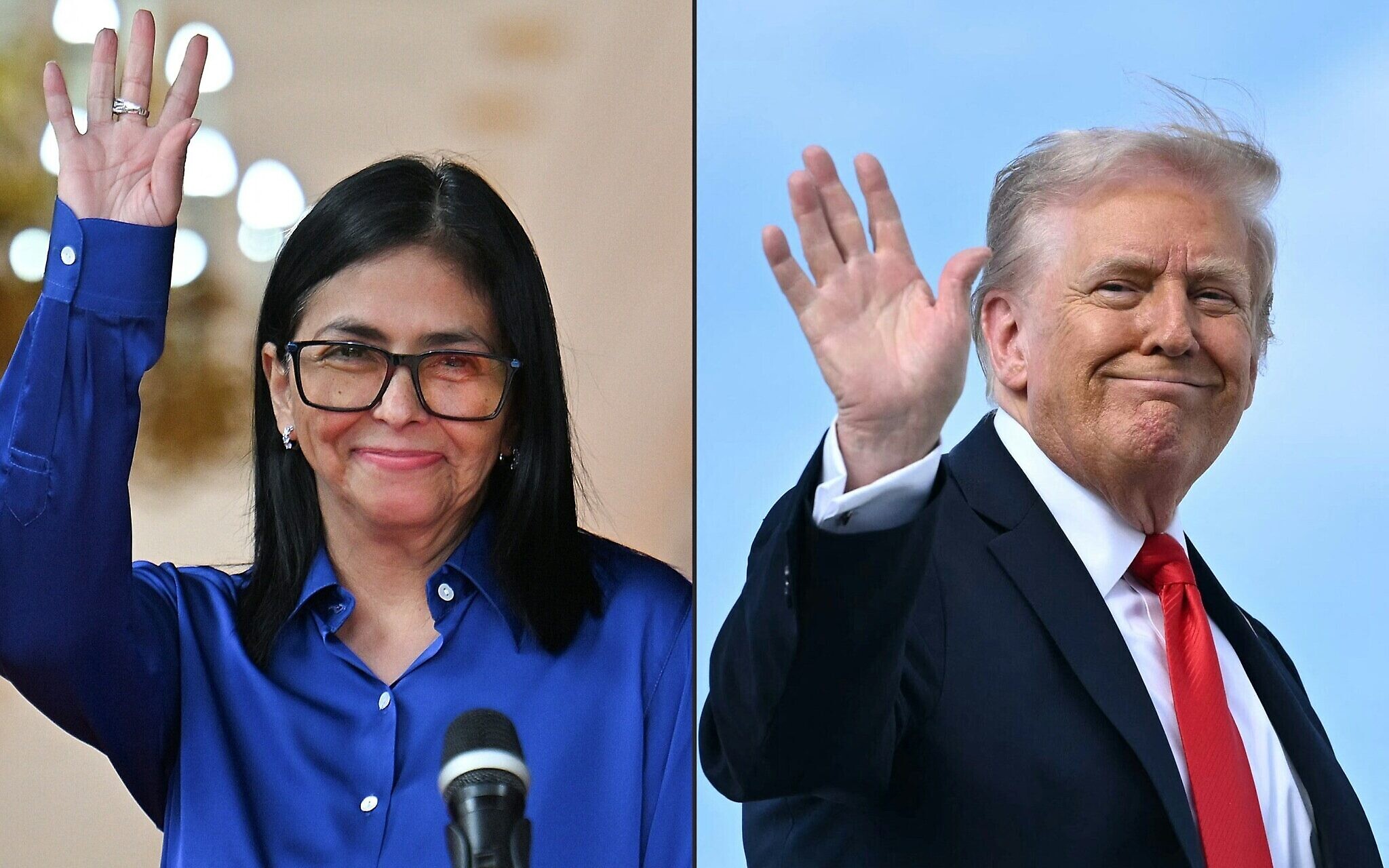
The agreement, which would give the US access to the South American’s countries vast untapped oil reserves, was negotiated by US Secretary of State Marco Rubio, US Defense Secretary Pete Hegseth and Venezuela’s acting President Delcy Rodríguez, Trump said on social media.
“The United States of America has just entered into an Agreement with the Country of Venezuela on, THE BIGGEST OIL DEAL IN WORLD HISTORY!” Trump wrote.
Rodríguez’s government in a statement said the deal involves the development of 17 fields with a proven potential of 65 billion barrels. It said the agreement could draw $100 billion in investment into Venezuela’s oil industry and yield over $209 billion in taxes for Caracas.
Rodríguez said in a Telegram post that the deal “will have a significant impact on our nation’s revival.”
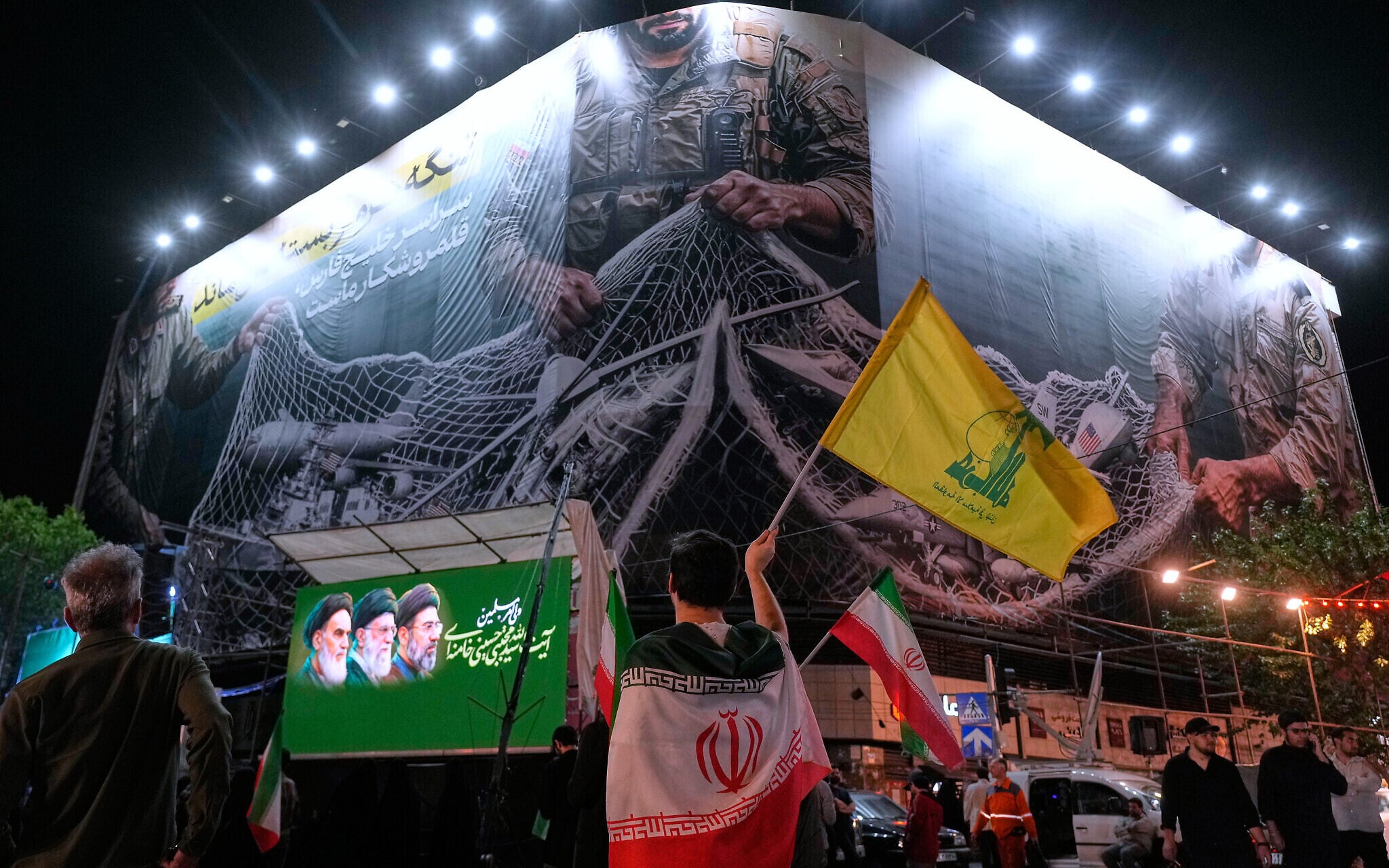
Trump faces mounting pressure to address high gas prices as the US-Israeli war against Iran reached its six-month point on Friday with no end in sight.
Early in the war, Tehran blockaded the Strait of Hormuz, choking off about a fifth of the world’s commercial oil shipments and sending energy prices soaring worldwide.
The US has tapped its strategic petroleum reserves, which in early August fell below 300 million barrels — down by more than 100 million barrels since the start of 2026 — but failed to bring prices down to pre-war levels.
On Friday, the average price of gas in the US stood at about $4.09 a gallon, up from $3.21 at the same time last year, according to the American Automobile Association.
A US official familiar with the contours of the deal said the agreement lets the US partner with an unnamed private operator in Venezuela to create a new private company to take hold of the reserves.
According to the official, who was not authorized to comment publicly and spoke on condition of anonymity, Rodríguez granted the company 100-year rights to develop the oil fields.
The deal gives the United States 55 percent effective output of the new private company — including an ownership stake and rights to buy oil at cost. The company would be the second largest corporate holder of proven reserves after Saudi Aramco, the official said.
The oil bought from the new company would go toward filling the US strategic petroleum reserve and toward military use, according to the official.
Rubio said on X that the agreement would usher in billions in private investment into Venezuela and lead to lower gas prices in the United States.
“This deal is a huge win for both the American and Venezuelan people,” Rubio posted.
Venezuela deal unlikely to immediately decrease prices
The agreement with Venezuela is not expected to immediately bring down US gas prices. Experts have repeatedly warned that a substantial boost in Venezuelan oil production will not happen quickly as repairing and expanding infrastructure takes years and requires billions of dollars.
Persuading big American oil companies to return to Venezuela could also face headwinds given the political uncertainty and decades of badly damaged infrastructure.
Days after capturing Maduro, Trump gathered oil executives at the White House and called on them to rush back into Venezuela. Executives expressed interest in the opportunity but there was also a measure of caution given their past experience in the country.
Darren Woods, CEO of ExxonMobil, the largest US oil company, said at that moment he saw the country as “un-investable.”
But Trump has insisted that his administration has brought a measure of stability to Venezuela.
He has argued that Venezuela stole US oil when former Venezuelan President Hugo Chávez moved decades ago to nationalize hundreds of foreign-owned assets, including those owned by US oil companies.
Rodríguez, in one of her early moves after taking power, signed a law that opens the nation’s oil sector to privatization, reversing a bedrock tenet of the self-proclaimed socialist movement that has ruled the country for more than two decades.
Venezuela has one of the largest oil reserves in the world, with an estimated 303 billion barrels of crude oil in the ground. That’s about 17% of the world’s supply, according to the US Energy Information Administration.
Unlike other parts of the world, where geologists have to search for untapped oil, the reserves under Venezuela’s soil are largely mapped and known, experts say. But because of dilapidated infrastructure, the country only produces about 1% of the world’s oil.









The Times of Israel Community.