

UK government calls urgent meeting with BBC over Gaza documentary scandal
Culture secretary demands ‘assurances no stone will be left unturned’ in review of decision to air film that was narrated by son of Hamas deputy minister, involved payment to his family
 Add ToI as a Preferred Source on Google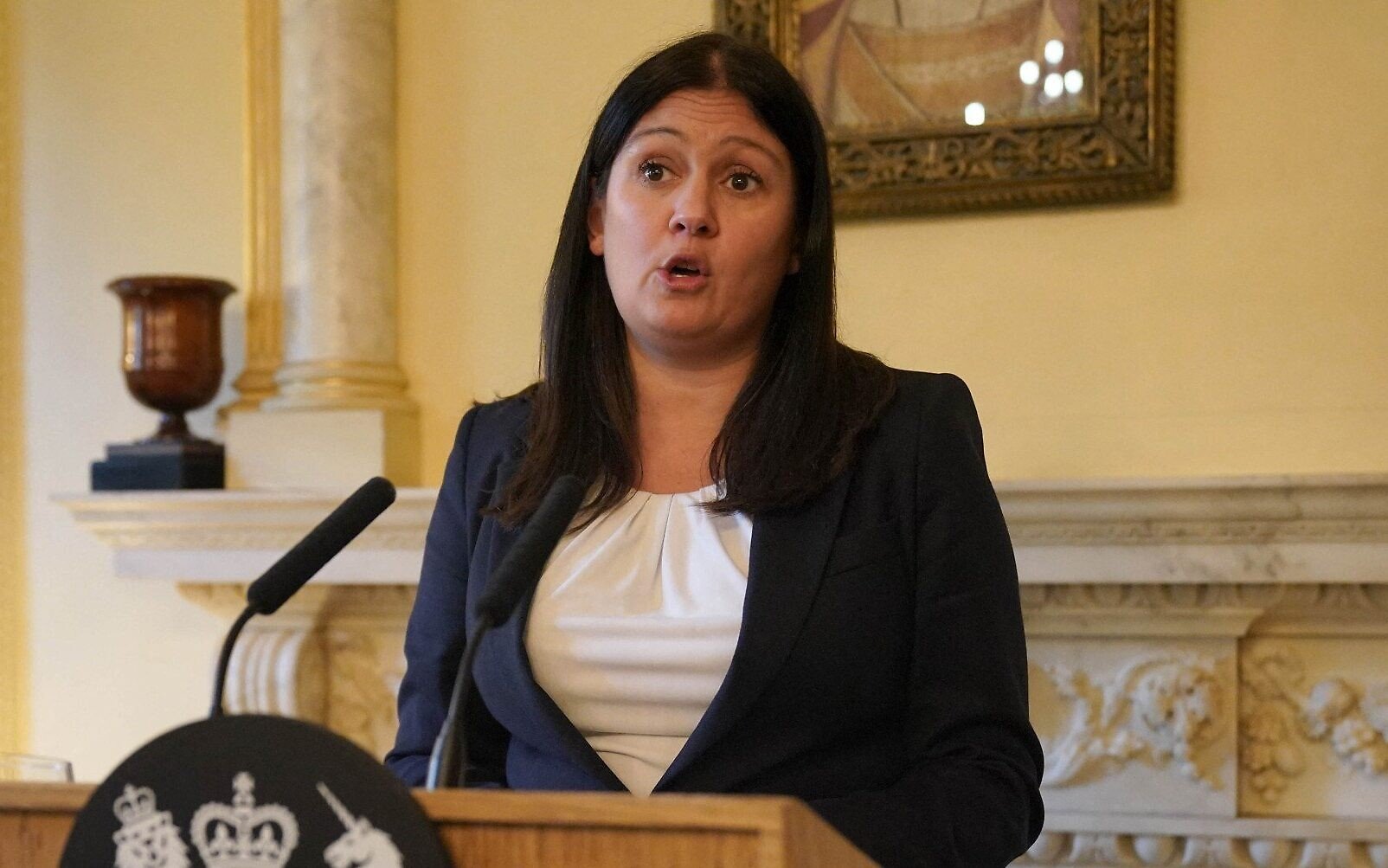
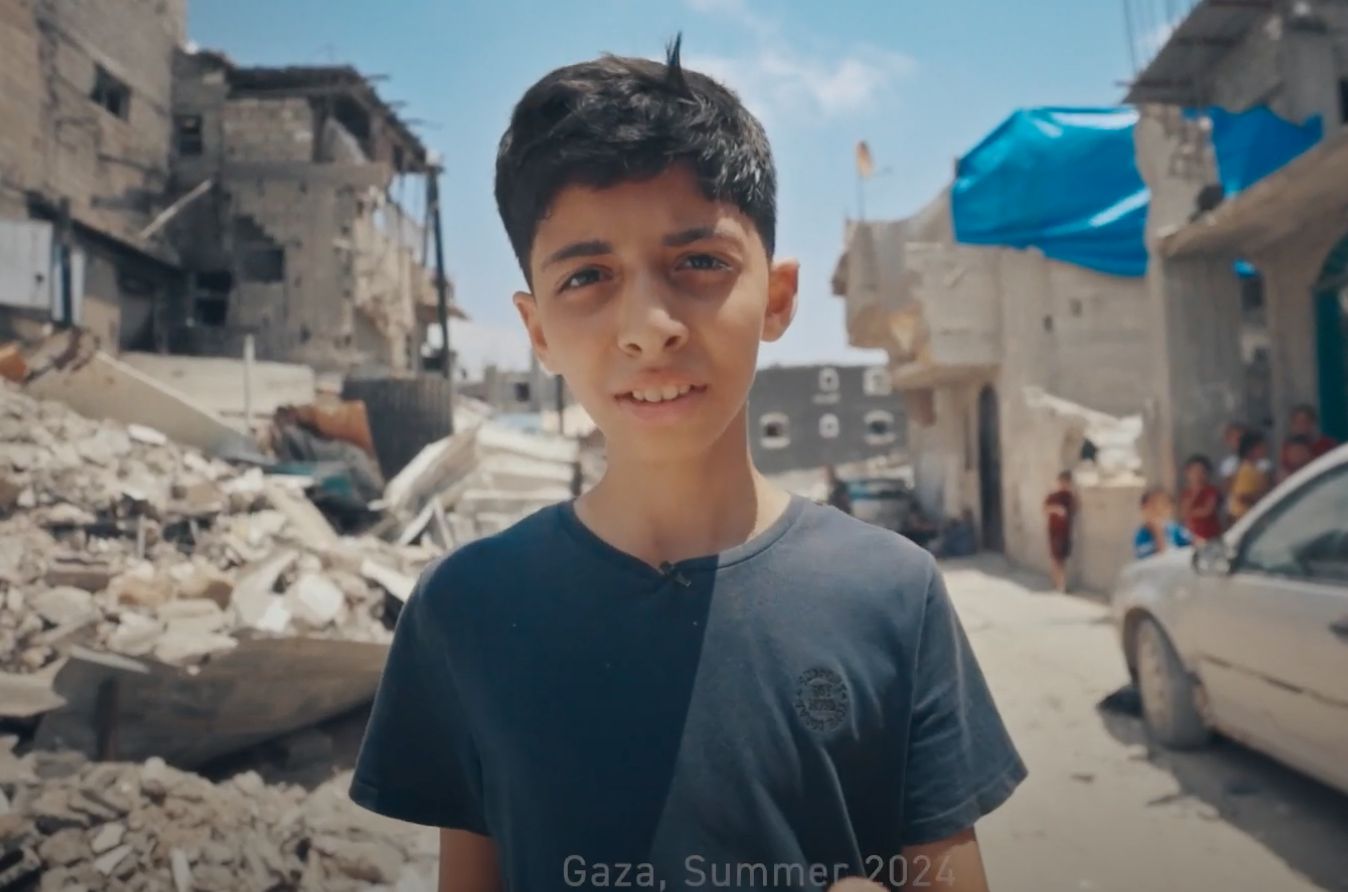
LONDON — The British government called an urgent meeting with the BBC on Friday over the making of a documentary about children’s lives in Gaza that was narrated by the 13-year-old son of a deputy minister in the Palestinian enclave’s Hamas government.
The BBC said on Thursday there had been “serious flaws” in “Gaza: How To Survive A War Zone,” made by an independent production company, and removed it from its online platform, days after it was first broadcast on television.
Hamas is designated a terrorist organization by Britain, the United States and the European Union.
The BBC said in a press release that it had launched an immediate review into the “mistakes,” which it called “significant and damaging,” in the making of the program, which was produced by UK company Hoyo Films.
The broadcaster said that it shared the blame for the “unacceptable” flaws with the production company. “BBC News takes full responsibility for these and the impact that these have had on the Corporation’s reputation. We apologize,” it added.
The independent production company was asked in writing “a number of times” during the making of the documentary about any potential connections the narrator might have with Hamas, it said. “Since transmission, they have acknowledged that they knew that the boy’s father was a deputy agriculture minister in the Hamas government” — Ayman al-Yazouri.
“They have also acknowledged that they never told the BBC this fact,” said the press release. “It was then the BBC’s own failing that we did not uncover that fact and the documentary was aired.”
The production company also revealed that it paid the boy’s mother “a limited sum of money” for the narration. The BBC said it was seeking assurances that no money was paid directly or indirectly to the Hamas terror group.
At a press conference in Washington alongside US President Donald Trump, British Prime Minister Keir Starmer was asked whether he still has trust in the BBC in light of the revelations about the program. “I’ve been concerned about the program in question and the secretary of state had a meeting with the BBC,” Karmer responded.
Announcing Friday’s meeting with BBC Chair Samir Shah, Culture Secretary Lisa Nandy said: “I want assurances that no stone will be left unturned.”
She was referring to a BBC pledge to undertake a full fact-finding review and refer the issue to its editorial complaints unit.
Israeli Deputy Foreign Minister Sharren Haskel said it was “utterly disgraceful” that the BBC had decided to air a “Hamas propaganda film” in the week that the bodies of hostage Shiri Bibas and her two sons were returned from Gaza. She called for a thorough investigation.
The revelations sparked an angry response and led to protests outside the BBC’s London headquarters.
A spokesperson for Campaign Against Antisemitism (CAA) said: “The BBC’s bias and lack of accountability have led it to a new low, where it is a mouthpiece for terrorists and their supporters.”
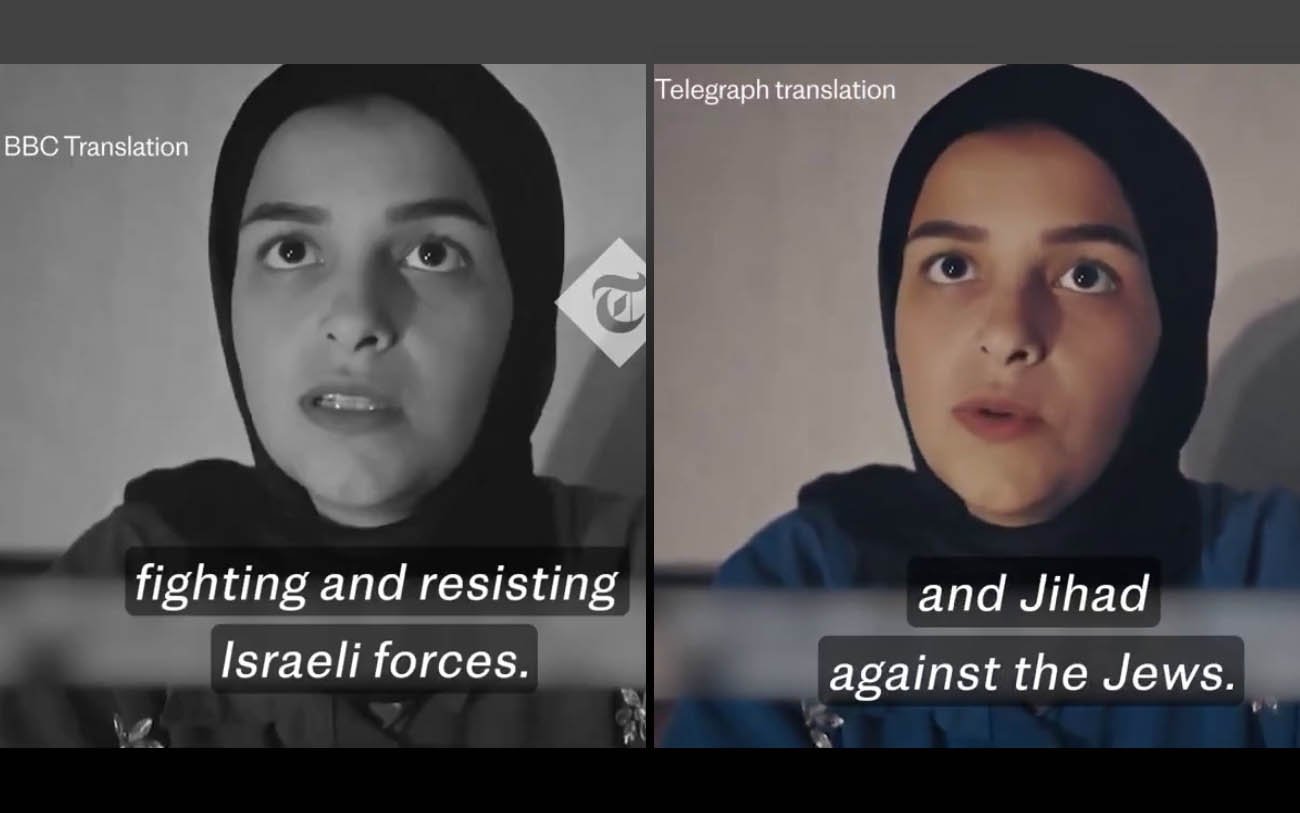
The Telegraph also reported Tuesday that the Arabic words for “Jew” and “Jews” were translated to “Israelis” or “Israeli forces,” and all mentions of “Jihad” were translated to “battle” or “resistance.”
The mistranslations were first highlighted by the Committee for Accuracy in Middle East Reporting and Analysis (CAMERA), a US-based pro-Israel media watchdog, which offered more accurate translations of the film’s original Arabic to contrast the BBC’s version.
The broadcaster is now working to determine whether any disciplinary action is warranted “in relation to shortcomings in the making of this program.”
“This will include issues around the use of language, translation and continuity that have also been raised with the BBC,” it said.
The documentary was initially broadcast on February 17.







The Times of Israel Community.