

After a year of silence, former hostage Shlomi Ziv publicly shares story of IDF rescue
Launching a series of talks Sunday evening, the Hamas captive taken from the Nova festival on Oct. 7 tells a crowd of hundreds about his grueling ordeal and the IDF’s daring extraction
 Add ToI as a Preferred Source on Google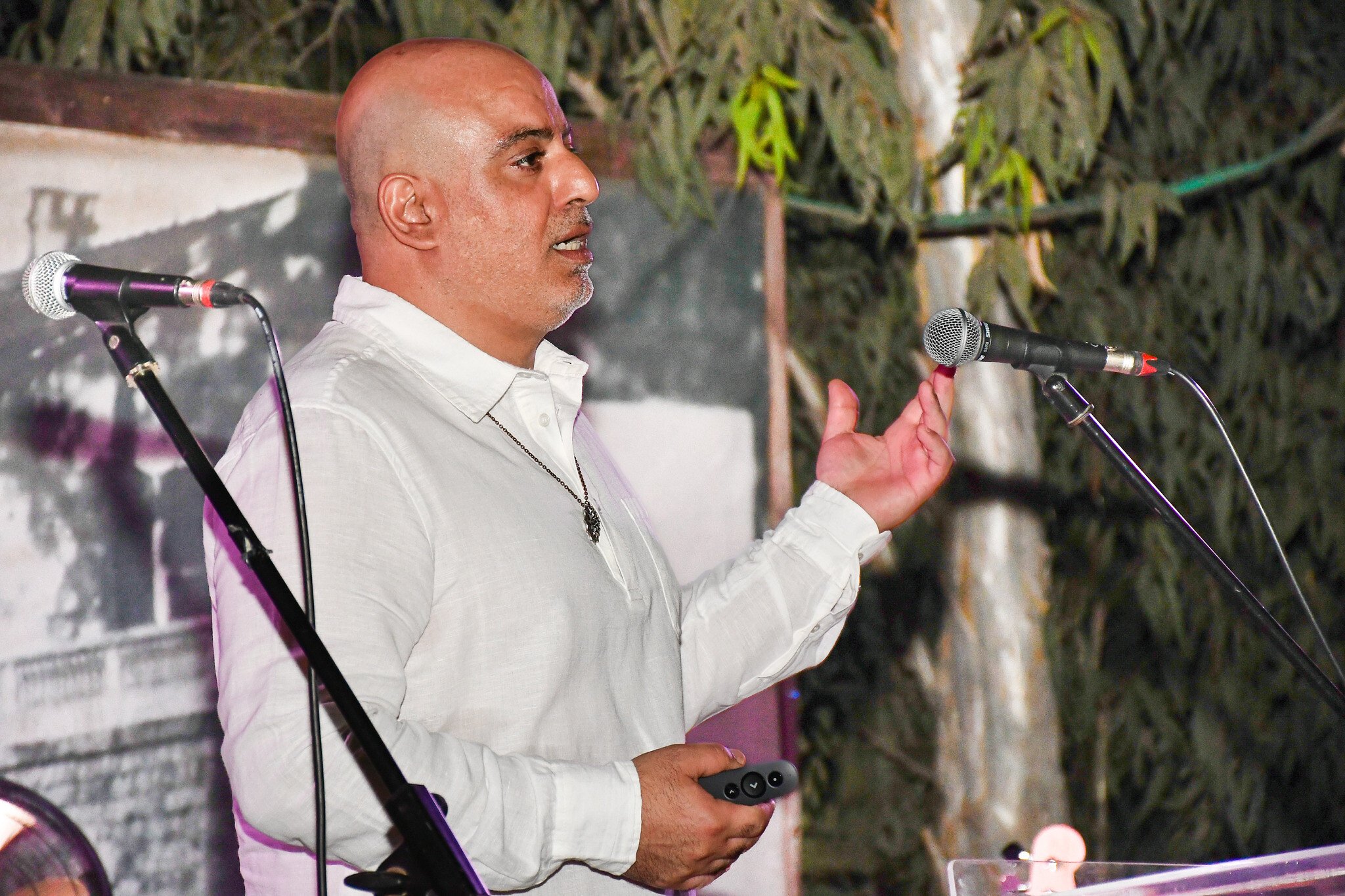
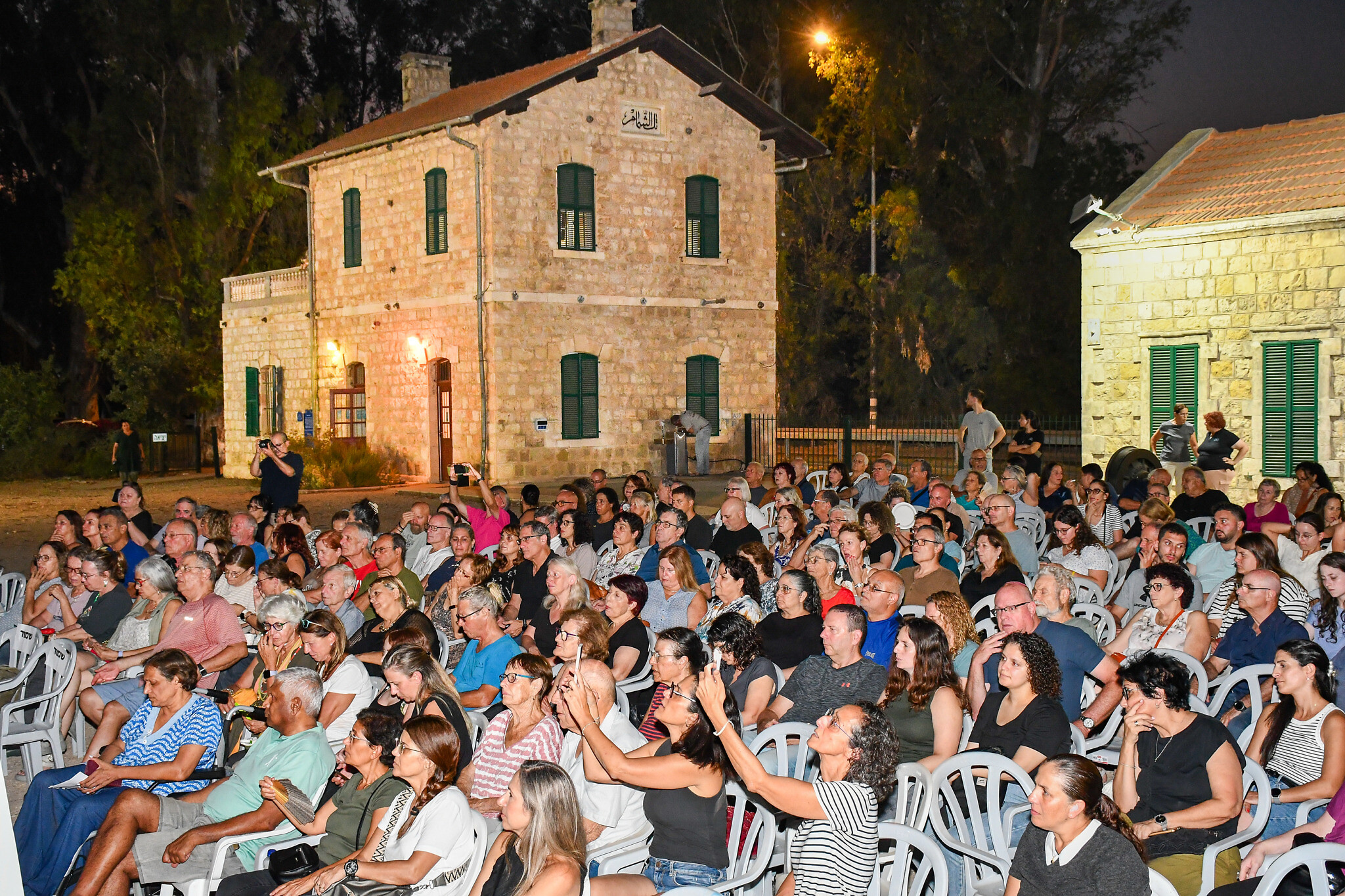
When the gates opened at 7:30 p.m. on Sunday at the Valley Train heritage site in Kfar Yehoshua, the sweltering outdoor temperature on one of this summer’s hottest days didn’t deter the nearly 300 people who came to hear former hostage Shlomi Ziv launch a series of talks telling his story.
Ziv, 42, was one of four hostages rescued on June 8, 2024, in a daring mission carried out by Israel’s Shin Bet, IDF and Border Police’s elite Yamam counterterrorism unit, during which Yamam officer and team leader Arnon Zamora was killed. The operation was later named in Zamora’s honor.
Attendees came from across the Jezreel Valley and beyond, eager to hear the first in a series of Ziv’s public events more than a year after his dramatic rescue.
“We owe it to Shlomi to come and listen,” said a woman who traveled from Kibbutz Yifat in the Galilee. “We’ve come to bear witness.”
Rows of chairs were set up in front of the site’s historic stone buildings, once part of the ticket office for the legendary train line that ran from Haifa down to the Arabian Peninsula. As night fell, the old station was bathed in soft lighting, giving the evening a sense of reverence and reflection.
Quietly but confidently, Ziv stepped onto the stage.
He spoke for over an hour, beginning with a traumatic incident during his military service that left him with severe PTSD. That trauma, he said, ironically prepared him in some ways for what was to come after he was taken hostage by Hamas terrorists on October 7, while working as part of the security team at the Nova music festival near Kibbutz Re’im.
The audience listened in silence as Ziv described his 246 days in captivity, held alongside fellow hostages Almog Meir Jan and Andrey Kozlov.
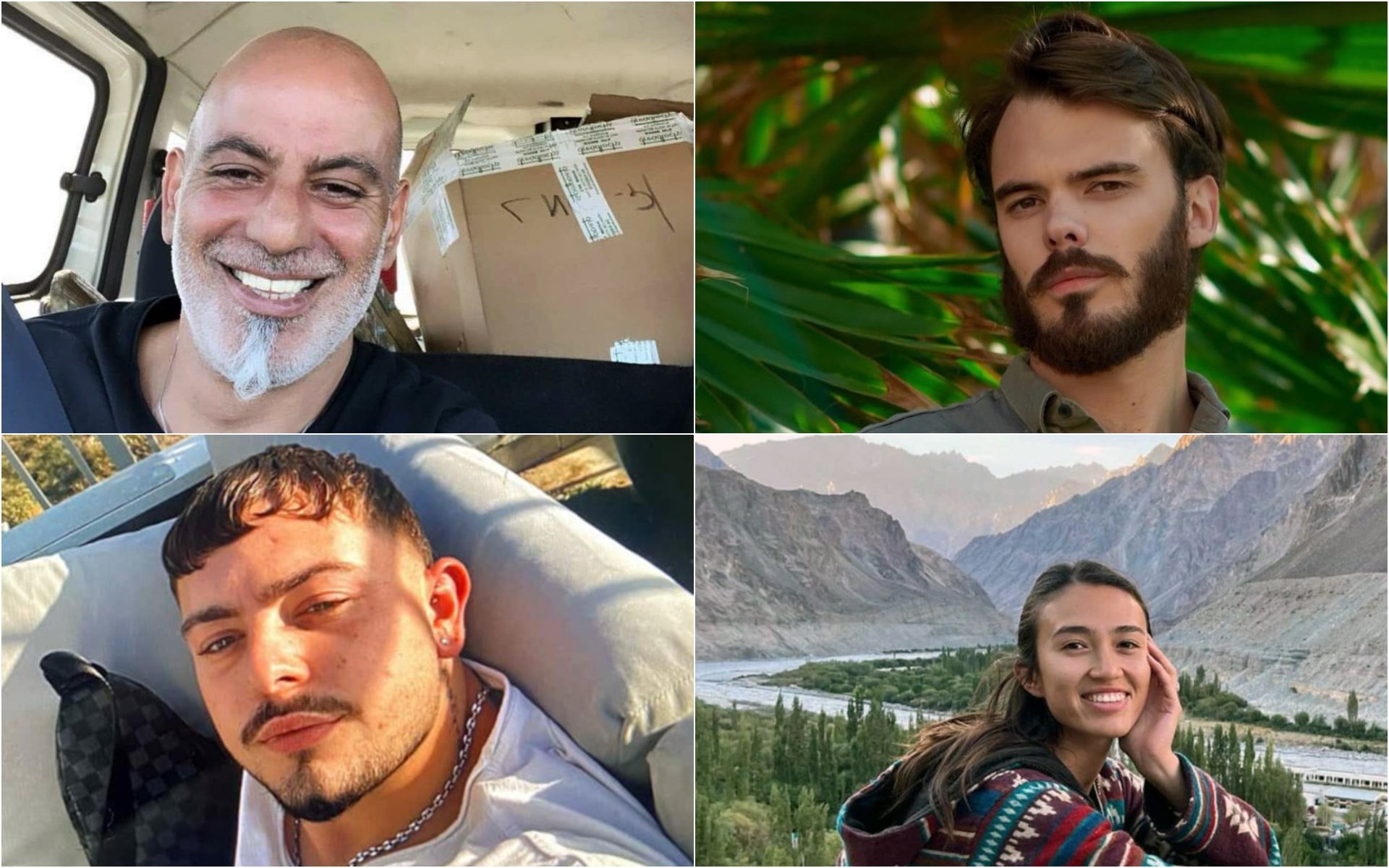
Ziv spoke of the moment he was captured and taken into Gaza: “I prayed for a missile or a combat helicopter to strike the car. At that moment, I would’ve preferred to die.”
He spoke of the cruelty: “I won’t go into more detail than I have to” of the starvation: “One pita a day,” and of the psychological abuse: “They showed us only footage of attacks on Israel and IDF soldiers. Everything was aimed at breaking us.”
In June 2024, Ziv, Jan, and Kozlov were extracted from the seventh house in which they’d been held captive. In a parallel mission, Noa Argamani became the fourth hostage to be rescued that day.
Ziv described the chaos of the escape — rushing under relentless gunfire as they were ushered to the rescue vehicle, the moment that vehicle became stuck in the sand, and the 12 tanks that formed a protective circle around them until they could be transferred to safety.
“At 11 a.m., I was still a hostage in Gaza. By 1 p.m., I was free,” he recalled.

Healing by bearing witness
Ziv was taking his first tentative steps into public speaking through an initiative launched earlier this year by the Society for Preservation of Israel Heritage Sites (SPIHS) called Stories that Bind Us. The initiative invites former hostages, Nova music festival survivors, bereaved parents and others affected by the October 7, 2023, Hamas atrocities to share their stories in intimate gatherings hosted at heritage sites around the country.
Some 1,200 people in southern Israel were slaughtered and 251 abducted to the Gaza Strip on October 7, 2023, by thousands of Hamas-led terrorists amid horrific acts of sexual assault, torture, mutilation and dismemberment. Among them, 378 people were killed at the Nova music festival and dozens were taken hostage.
“This site is a living witness to the stories that built this land, and tonight, with Shlomi’s story, we add a new chapter to the chain of voices that have echoed here for over 100 years,” said Dikla Liani, manager of the Valley Train site. “Stories that Bind Us is exactly what this is about — the moment where a person, memory, and heritage meet.”
The initiative is part of the broader SPIHS Resilience Program, which includes workshops, educational activities and communal gatherings. The program, supported by the Jewish National Fund – USA, draws on SPIHS’s trained educational staff and network of over 200 heritage sites across Israel. It utilizes these spaces of historical memory to help communities process trauma and build resilience.
Last night’s event was held in partnership with the Jezreel Valley Regional Council and the Heritage Ministry, and it marked the beginning of a series of talks Ziv will present titled Homeward Bound.
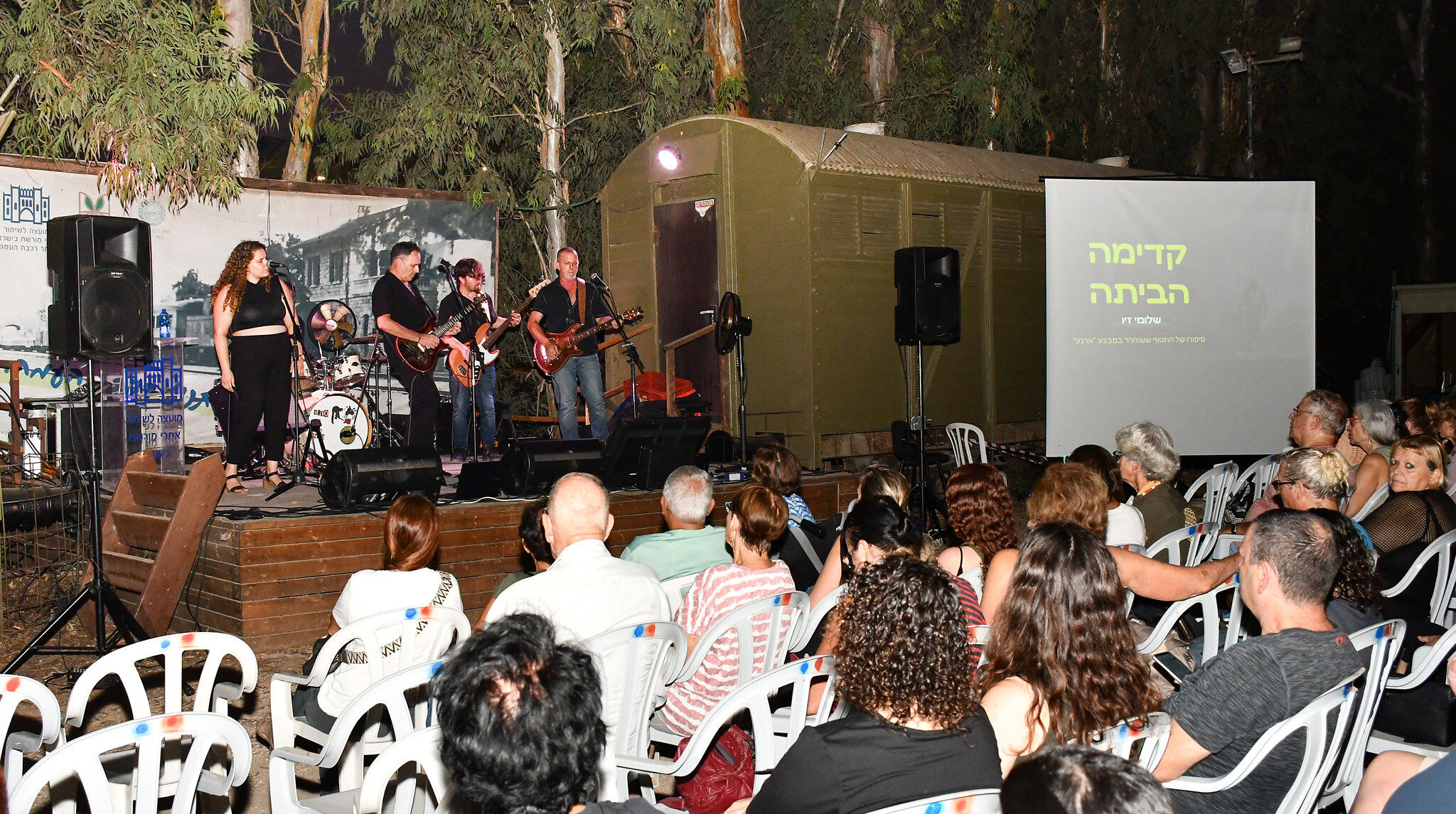
Before Ziv took the stage, a band played a short set of songs he had chosen. The music — intimate, soulful, and at times even upbeat — set the tone for what would be a deeply personal and emotionally charged evening — with enough wry comments thrown in to lighten the mood.
But one of the most powerful moments of the evening unfolded during the Q&A session that followed Ziv’s address, as a man stood up and identified himself as the father of a soldier who had been in the first tank to reach the rescue car.
“My son sends you his love,” the man said, his voice shaking.
Ziv, who had remained composed throughout the evening, seemed visibly moved for the first time.
Later, a woman in the audience asked a question that many had clearly been thinking: “How should we treat returning hostages? What can we do to help you heal?”
Ziv answered without hesitation.
“You’re already doing everything that needs to be done,” he said. “The public has been wonderful. We feel embraced. We feel loved.”
He paused, then added: “Thank you for the opportunity to tell my story. This is how I intend to heal.”
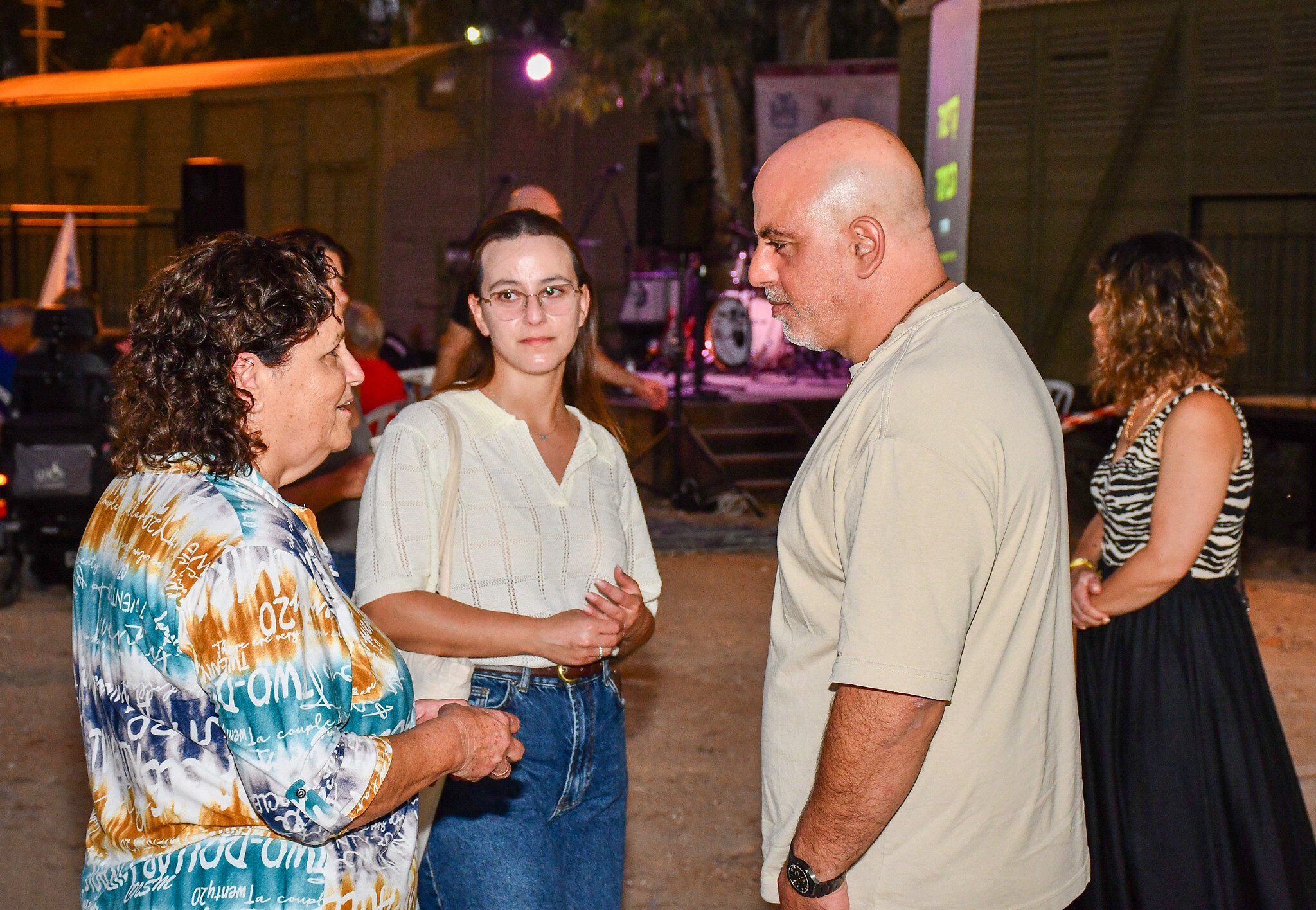
After the talk, the soldier’s parents met with Ziv at the side of the stage. They showed him a short video of their son, filmed right after the rescue mission — dust-covered, beaming, and shouting, “I feel so happy!”
Ziv was silent for a moment, overcome. “Send my love right back to him,” he finally said. “Tell him thank you.”


The Times of Israel Community.