

‘Because of the people’: Two ex-hostages return home from hospital to cheering crowds
Well-wishers waving Israeli flags line roads welcoming back Eitan Horn and Nimrod Cohen; hospital says it will continue monitoring recovery of freed captives
 Add ToI as a Preferred Source on Google
Cheering crowds lined the streets of two central Israeli cities on Thursday as the released hostages Eitan Horn and Nimrod Cohen returned home after being discharged from Tel Aviv’s Sourasky Medical Center.
Both men were released from captivity on Monday, two years after being kidnapped in the Hamas-led October 7, 2023, attack. They and the other 18 hostages who were freed as part of the ceasefire in Gaza then went to hospitals in central Israel for medical examinations and treatment.
Both former hostages will continue to receive medical attention. Health professionals who have previously treated hostages say that the effects of two years in Hamas captivity — during which the hostages reported being beaten, starved and otherwise tortured — can surface after a delay.
“We call on the public and media to continue to respect the privacy of the families during these sensitive days,” the hospital, also known as Ichilov, said in a statement. “We at Ichilov hope for the speedy return of all of the hostages, until the last hostage.”
The bodies of 19 deceased hostages remain in Gaza.
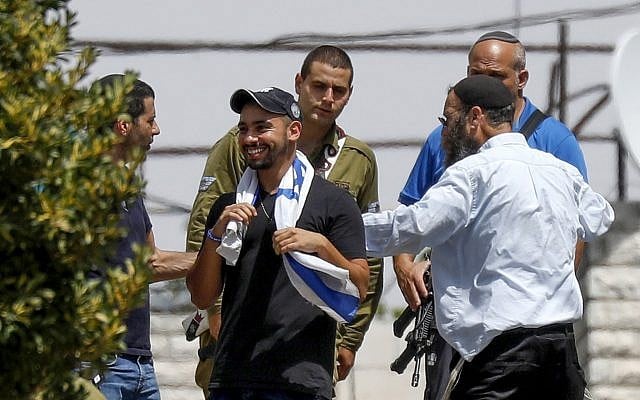
Upon their arrivals, both Horn and Cohen met throngs of well-wishers while driving through their hometowns. Footage on Channel 12 showed Horn, upon returning to the central city of Kfar Saba, sitting in a stopped car as a crowd surrounding him chanted his name.
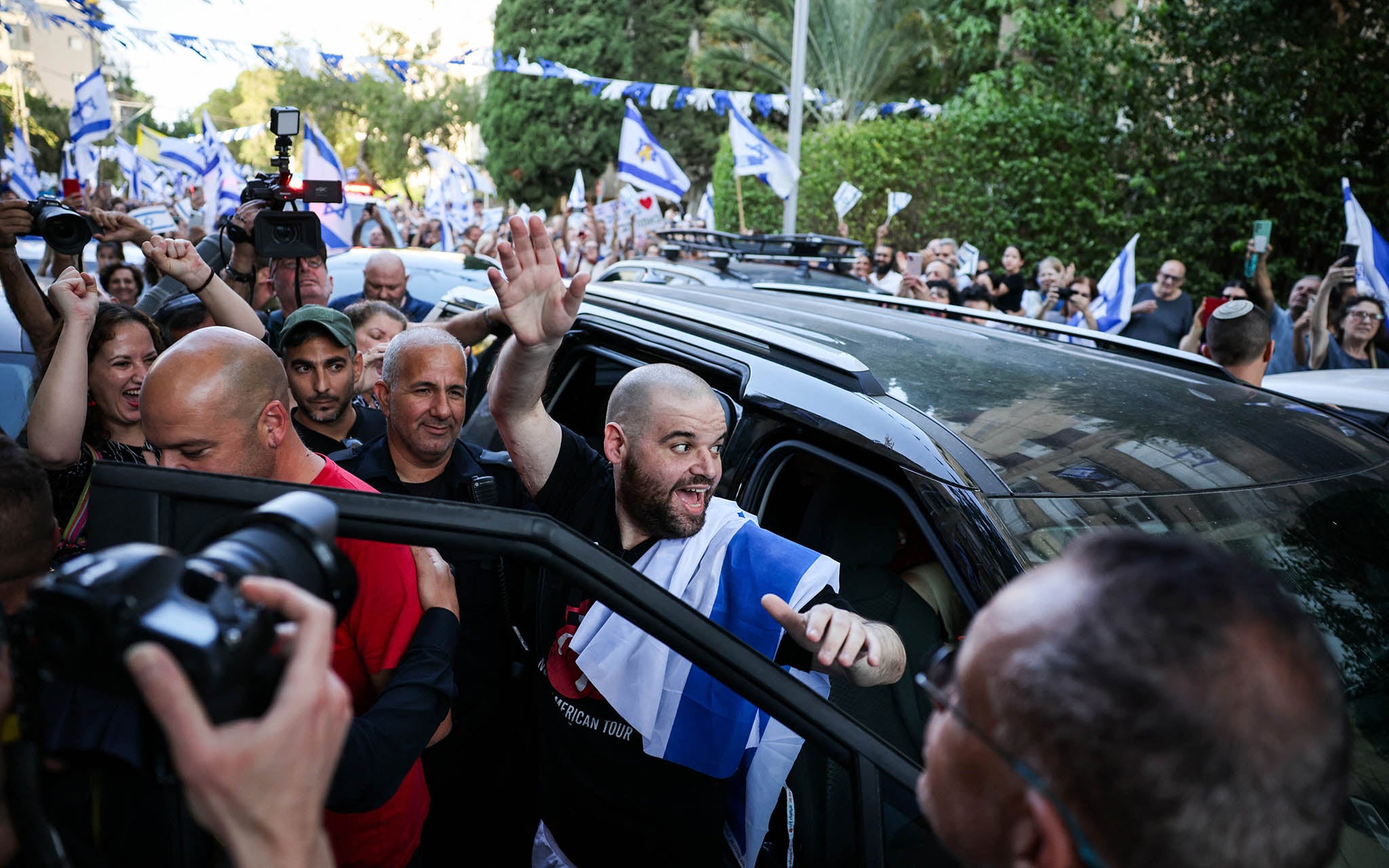
Draped in an Israeli flag and mobbed by reporters’ microphones, Horn repeated, “I have no words” over and over again.
“I have no words to thank all of the people of Israel,” he said. “It’s just because of the people.”
“It’s unbelievable,” he adds. “I’ve been waiting for this moment since October 7.”
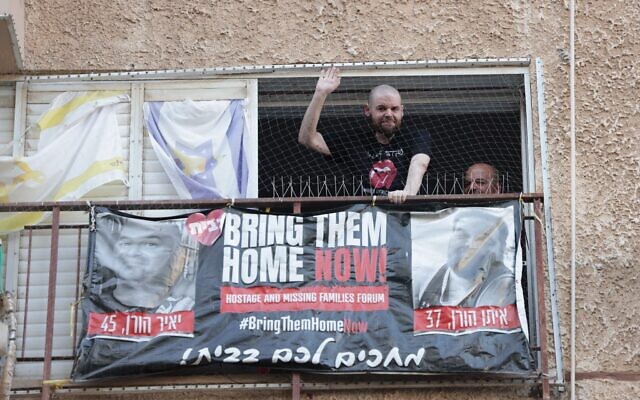
Horn was later photographed waving at his supporters from the window of his home, which displayed a large banner demanding the release of him and his brother, who was also taken hostage and freed during a ceasefire at the beginning of the year.
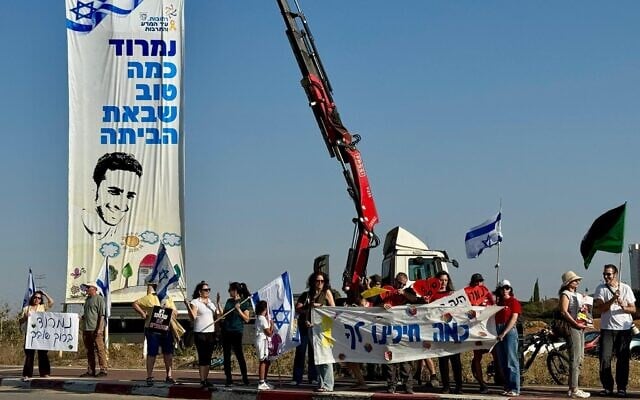
Like the Kfar Saba municipality, the southern central city of Rehovot asked residents to line the streets to welcome Cohen home. Rehovot asked locals to “greet him with hugs, love and Israeli flags.”
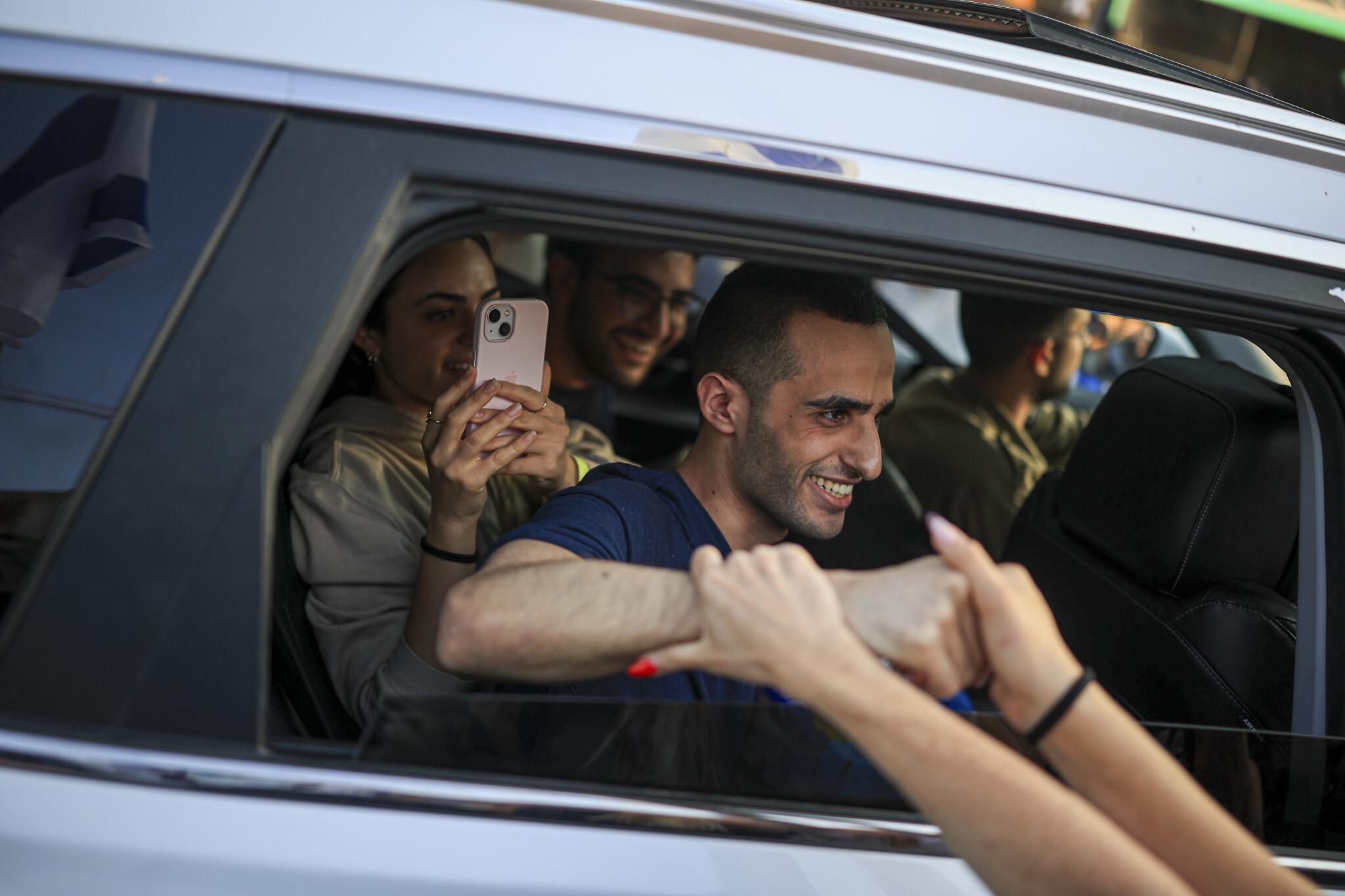
Footage showed Cohen holding an Israeli flag and waving from a slowly moving car as well-wishers shouted “Welcome!”
The municipality said it had replaced old banners it had put up calling for Cohen’s release with new ones reading “Nimrod, it’s so good that you’ve come home.”
Families of other hostages similarly expressed relief as the news of their release settled in.
“Today I can finally breathe. Aloni returned home,” Kobi Ohel, father of released hostage Alon Ohel, posted on Facebook on Wednesday. “There are no words that can describe this moment. The first hug, the first breath together, the quiet that comes after so much internal noise. It’s a miracle. It’s a great light after endless darkness.”
Relatives of other captives continued to describe atrocities that their loved ones suffered, and spoke of challenges that remain after their return. Channel 12 reported that former hostage Yosef-Haim Ohana had to persuade his captors not to kill him multiple times.
“I had to convince my captors through logical reasoning why it was not worth it for them to kill me,” he shared with his family after his return on Monday. “I found myself seconds from having a bullet in my head multiple times.”
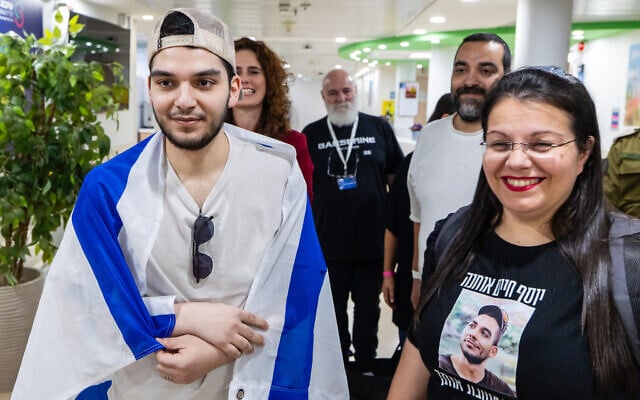
According to his father, Rabbi Avi Ohana, his son learned Arabic while he was held hostage in Gaza and would tell his captors that he was much more valuable to them alive. He also downplayed his position in the IDF.
“Wait a second, before you shoot, what will you get out of it?” Yosef-Haim would tell them, the rabbi explained in an interview with Channel 12. “The State of Israel will give you a lot for me, you will get a lot, I am your human shield.”
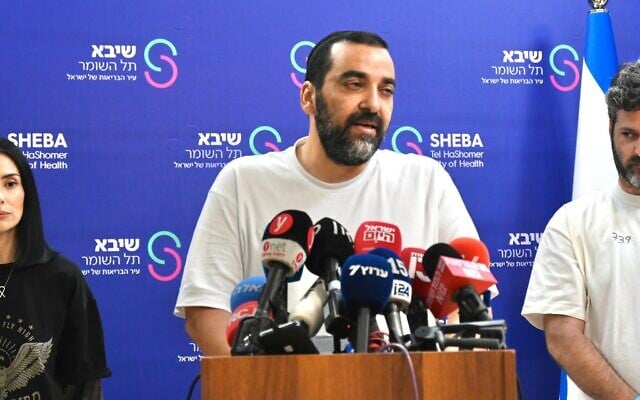
Julie, the mother of released hostage Bar Kuperstein, said her son has not been able to eat as he used to.
“Every day he’s talking and sharing,” she told the Hebrew outlet Ynet. “He’s hardly sleeping because he doesn’t want to miss a thing.”
She added, “He’s not eating normally, he’s allowed only a small amount,” due to the aftereffects of being starved in Gaza.
He retained hope in captivity, she said.
“He heard me speaking on the radio, on his birthday, which gave him strength. He told me, ‘Mom, I knew that you had faith, and that would keep me going.'”





The Times of Israel Community.