

Anti-Netanyahu leaders Bennett and Liberman unveil their parties’ Knesset election slates
B’Yachad head Bennett vows to ‘fix Israel’ with list of former MKs, ministers and senior civil servants; Liberman’s Yisrael Beytenu slate boasts ex-Likud members as he vies for leadership, swipes at Eisenkot
 Add ToI as a Preferred Source on Google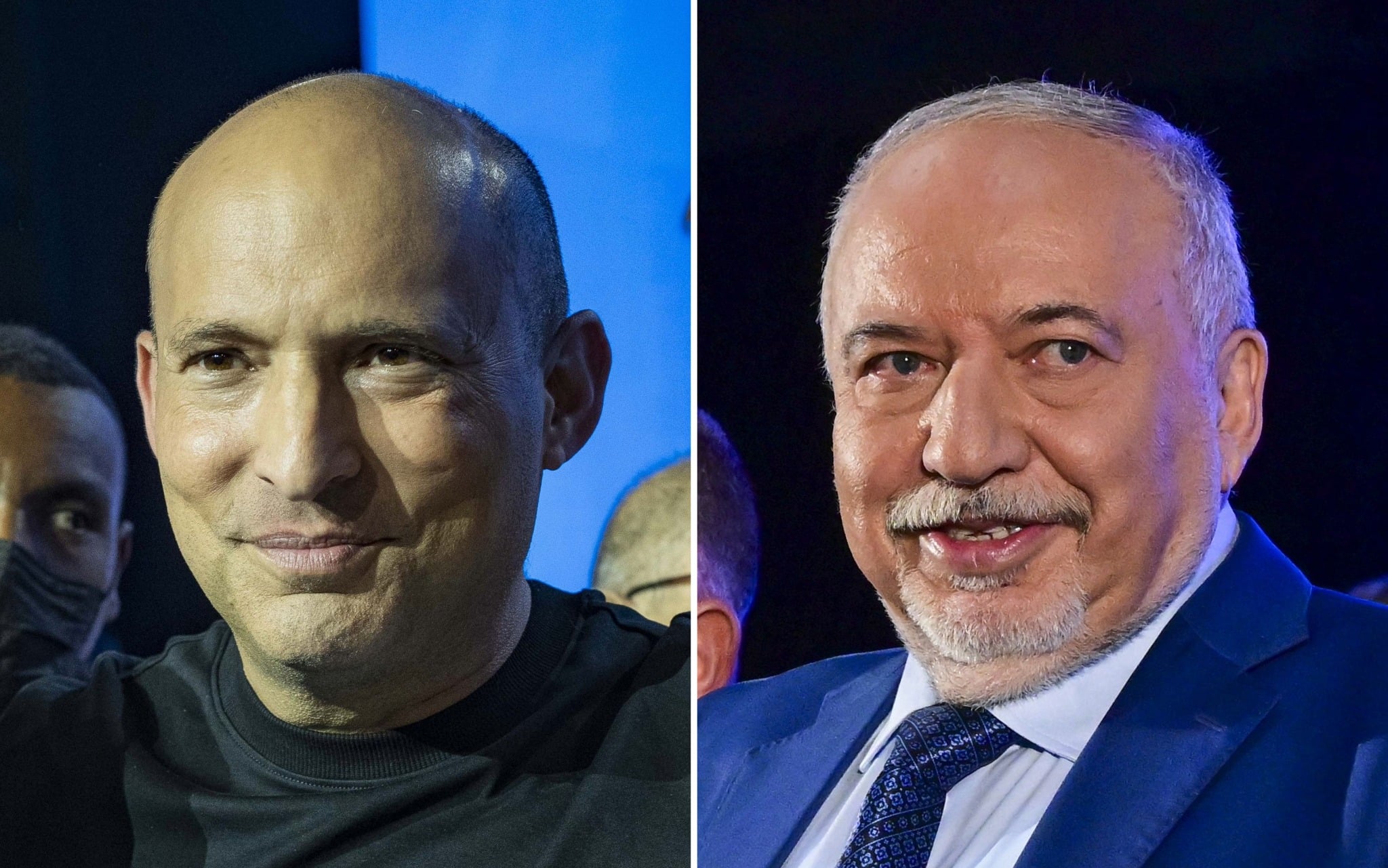
Former prime minister Naftali Bennett presented on Sunday evening the finalized list of candidates for B’Yachad, the party he founded with Opposition Leader Yair Lapid, lauding their combined efforts as “the most talented, results-driven and dedicated slate to run for the Knesset in a generation.”
The B’Yachad list is studded with former lawmakers, ministers and high-ranking civil servants, whose qualifications were extolled by Bennett as he introduced the handpicked slate as “Israel’s team of doers.”
They are, Bennett said, “the most experienced and tenacious parliamentarians, the best directors-general in the country, fighters and heroes of October 7 who saved the country once and are now joining us to save it again.”
Yisrael Beytenu chairman Avigdor Liberman also presented on Sunday evening his party’s candidate list for the 26th Knesset, which boasted former members of Prime Minister Benjamin Netanyahu’s Likud party, highlighting his bid to present himself as a security hawk alternative to the premier, on whose watch the October 7, 2023, Hamas attack occurred.
Both Bennett’s and Lapid’s individual factions announced their lists of candidates on Saturday and earlier on Sunday, but the B’Yachad event in Tel Aviv was the first presentation of their final, combined roster ahead of Tuesday’s deadline for parties to submit their final slates for the October 27 election.
Lapid’s Yesh Atid will receive four of the top 10 spots on the joint list of candidates and around half of the first 15 spots overall, with candidates alternating between the two factions.
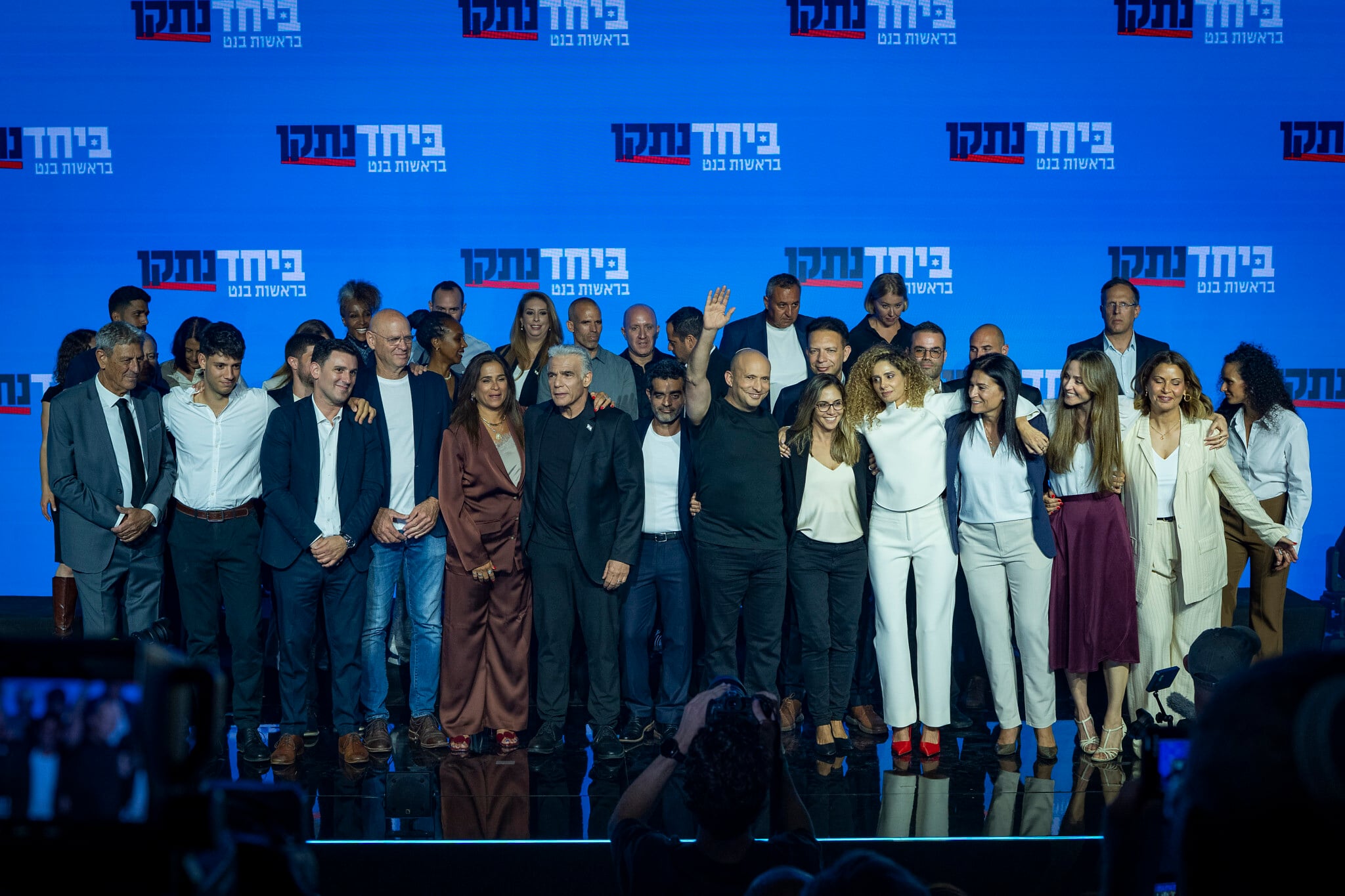
Bennett will lead the joint slate, with Lapid in second place, followed by Keren Terner, former director general of both the finance and transportation ministries; Yesh Atid MK and Opposition Whip Merav Ben Ari; and Liran Avisar Ben-Horin, a former director general of the Communications Ministry.
Rounding out the top 10 are former IDF general Noam Tibon, who joined Yesh Atid last year, followed by former Ra’anana Municipality director general Michal Negri, former Blue and White lawmaker Eitan Ginzburg, Yesh Atid MK and former minister Meirav Cohen, and Yonatan Shalev, a 23-year-old military reservist activist.
Five of the first 10 candidates on the list are women, putting it on equal footing with Yair Golan’s left-wing Democrats party, whose slate was selected in July.

In eleventh place is Bruria Naim Arman, followed by Yesh Atid MK Ram Ben Barak, Amir Strugo, Yesh Atid MK Naor Shiri, Nissan Ze’evi, and Yesh Atid MK Vladimir Beliak.
The party is projected to win about 12 to 15 seats in next month’s election, a result that would make it the Knesset’s third-biggest party.
“Israel is not being governed, and to fix Israel, we need the country’s very best managers and doers — people who know how to begin making repairs from day one,” said Bennett.
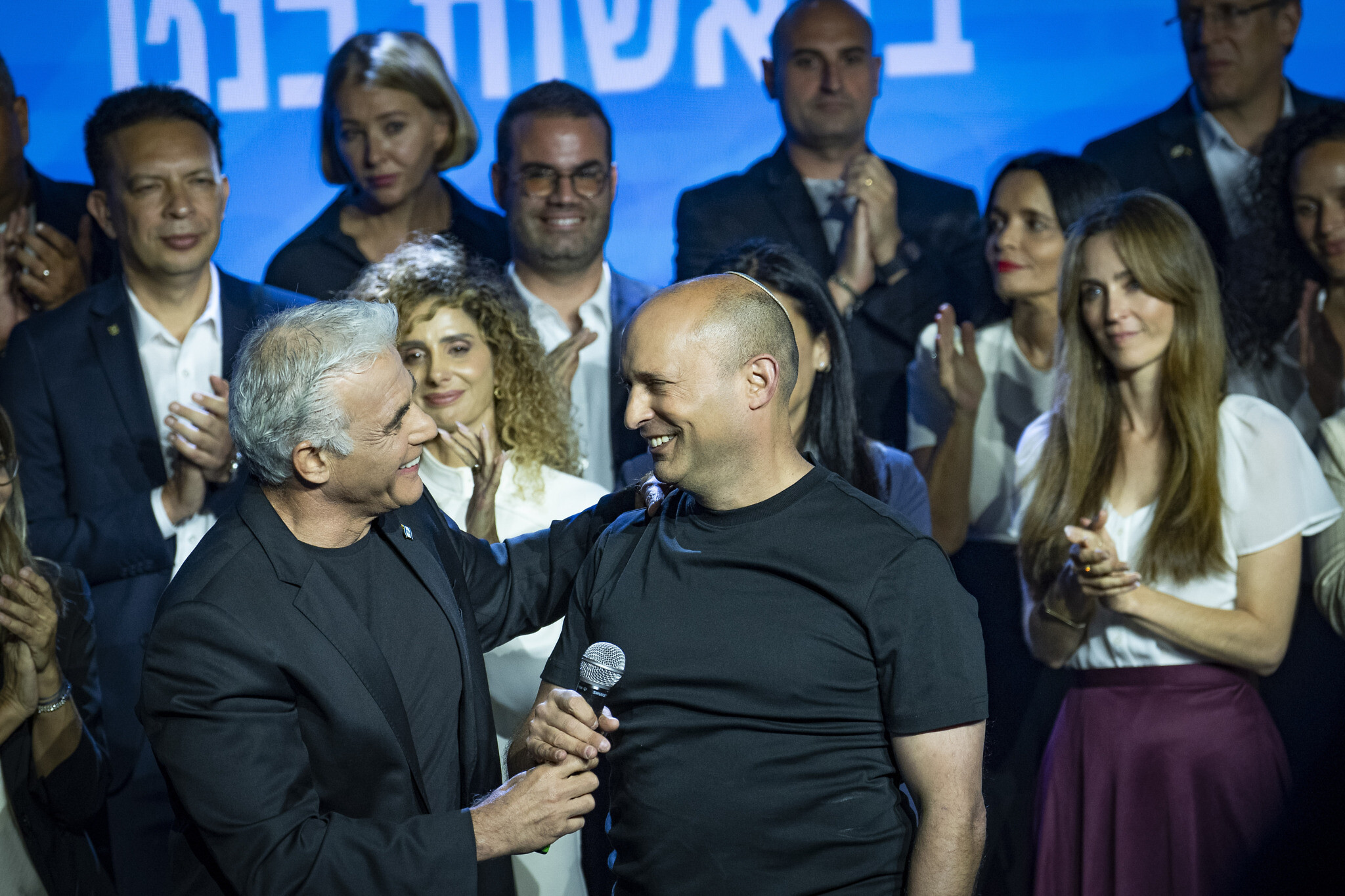
He repeated his campaign pledges to establish a state commission of inquiry into the October 7, 2023, onslaught; draft ultra-Orthodox men into the military; and declare Qatar an enemy state.
Liberman pits himself against Eisenkot
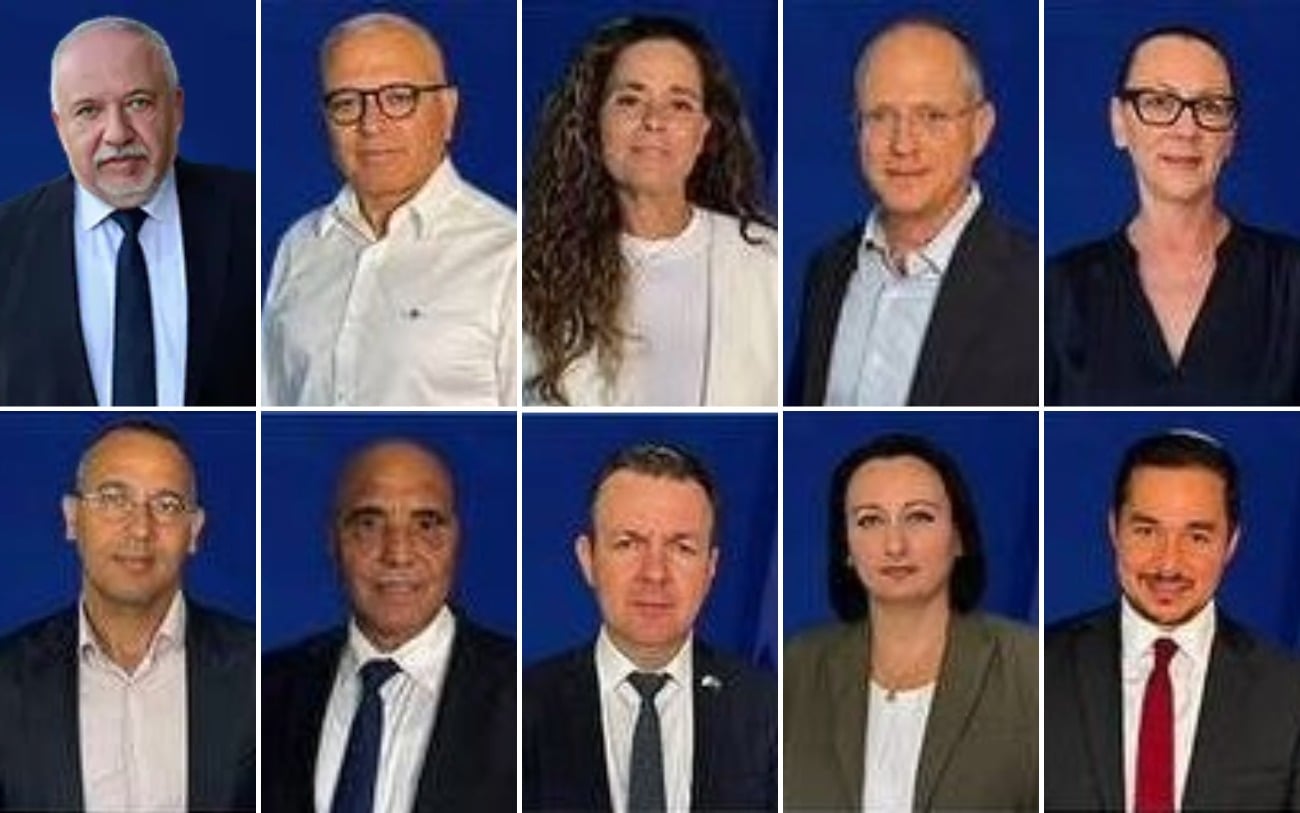
Elsewhere in Tel Aviv, Liberman unveiled Yisrael Beytenu’s 25-member slate for the 26th Knesset, at an event attended by more than 1,000 people.
The Soviet-born veteran lawmaker was introduced at the event as Israel’s “next prime minister,” making clear his leadership ambitions, despite Yisrael Beytenu’s relatively modest polling numbers.
The party is projected to win about 8 to 11 seats, while election frontrunner Gadi Eisenkot’s Yashar party is expected to win some 24 seats, according to recent polls.
Liberman will lead the slate himself, followed by former Beit Shean mayor and ex-Likud member Rafi Ben Shitrit, whose son Shimon Alroy was killed fighting at the Nahal Oz outpost during Hamas’s October 7, 2023, attacks.
Col. (res.) Talia Lankri, a former deputy head of the National Security Council, is placed third, followed by incumbent lawmakers Oded Forer and Yulia Malinovsky.
In sixth place is Sharon Sharabi, the brother of released hostage Eli Sharabi and of Yossi Sharabi, who was murdered in Hamas captivity.
MKs Hamad Amar, a Druze lawmaker, and Evgeny Sova take the seventh and eighth spots, followed by Lod Deputy Mayor Elvira Kolikhman.
Former Likud MK turned vocal critic of Netanyahu’s ruling party Dan Illouz is placed in tenth place.
Others on the slate include Lili Ben Ami, whose sister Michal Sela was murdered in 2019 and who has since worked to combat violence against women; Metula Mayor David Azoulai; Capt. (res.) Israel Ben-Shitrit, who was seriously wounded fighting in Khan Younis; and former MKs Limor Magen Telem and Sharon Roffe Ofir.

Liberman, making the case for why he, not Eisenkot, should be leader of a potential anti-Netanyahu government, accused the Yashar leader of “cannibalizing” the voters of other parties in the bloc.
“I respect and appreciate Gadi Eisenkot; we knew how to get along even when he had differences of opinion,” said Liberman, who headed the Defense Ministry during Eisenkot’s time as IDF chief of staff. “I have no ego, but there is a significant gap between my approach and his.”
“It’s not enough to be the largest party; you have to bring seats into the bloc,” he continued. “Cannibalism within the bloc will harm the chance for a landslide victory.”
The anti-Netanyahu bloc has, for months, been estimated by opinion polls to be several mandates short of the 61-seat majority required to form a government.






The Times of Israel Community.