

Chance discovery gives new life to little-known tale of Shoah salvation
Documentary ‘Into the North’ recounts a forgotten piece of history: How 320 Central European Jewish teens were sheltered by Danish foster families during Holocaust
 Add ToI as a Preferred Source on Google
Renee Ghert-Zand is the health reporter and a feature writer for The Times of Israel.
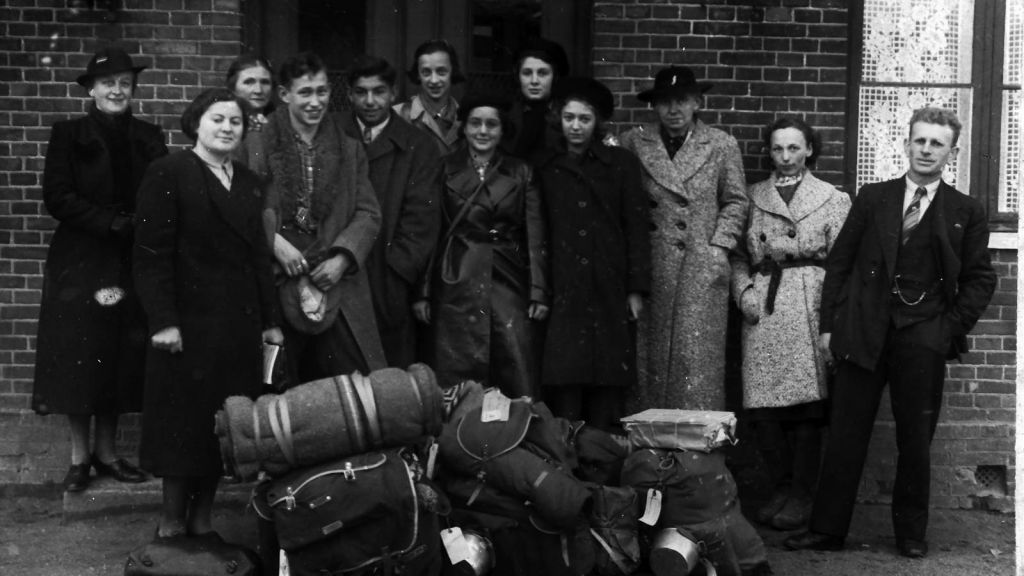
Journalist Judita Matyášová and filmmaker Natasha Dudinski both grew up in Czechoslovakia, but neither had ever heard from their teachers or parents about how a group of Czech Jewish teenagers survived World War II through the risky protection by families in Denmark.
In fact, no one knew of this Holocaust story until the Prague-based Matyášová uncovered it in 2010 through her work at Lidové Noviny, the oldest Czech daily newspaper.
The initial discovery came as part of an initiative to mark the 10th anniversary of a Holocaust education program in Czech schools. But the story grew into a five-year investigative journey, which in turn resulted in a book by Matyášová and a documentary film by the Jerusalem-based Dudinski.
The film, “Into the North,” a Czech-Israeli co-production, is screened this month in Haifa, Tel Aviv and Jerusalem. A screening at the Tel Aviv Cinematheque on January 27, under the auspices of the Czech and Danish ambassadors to Israel, will mark International Holocaust Remembrance Day.
The history of the Kindertransports that brought Jewish children from Czechoslovakia and other Central European countries to safety in England is well known. The same is true of the efforts of the late Sir Nicholas Winton, who organized the rescue of 669 Jewish Czech children on the eve of the war.
What is little-known, however, is the history depicted in “Into the North,” which portrays how 320 Jewish teenagers from Germany, Austria and Czechoslovakia found refuge in Denmark through the Youth Aliya program and thanks to the kindness of hundreds of Danish families.
In a tale that was all but forgotten before Matyášová stumbled upon it, the film focuses on the experiences of the 80 Czech teens among the group. Matyášová, who specializes in investigations related to the Czech diaspora (especially stories of individuals who fled the country either due to Nazi persecution or later because of Communism), highlighted these youth in her work.
Through the testimonies of four elderly individuals, viewers learn what exactly happened between August 1939 and October 1943. Two of them, Dita Persson (née Edita Krausová) from Förslöv, Sweden, and Dov (Oskar) Strauss of Moshava Yokneam in Israel, are shown traveling back to Denmark, either alone or with family, to visit the places where they had lived with foster families. Judith Shaked (née Zdeňka Štiastná) shares her sharp memories and precious artifacts she kept from the period from her home in Haifa.
‘The diary is really key to the story. It provides powerful testimony and conveys raw, unedited emotion’
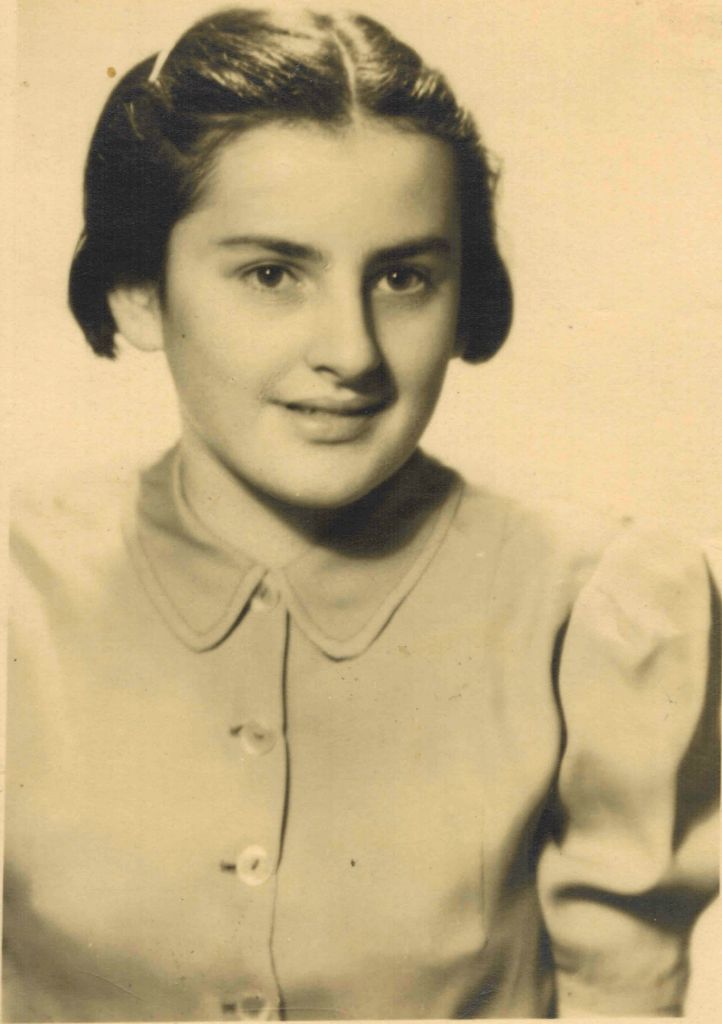
Dudinski chose to tie the film’s narrative together using excerpts from a diary written during the period by Hana Dubová, who ended up in the United States and is no longer alive. “Into the North” includes scenes of her daughter and grandchildren at an emotional reunion with Dubová’s 93-year-old Danish foster mother Jensine Nygaard (who has since died as well).
“The diary is really key to the story. It provides powerful testimony and conveys raw, unedited emotion,” Dudinski told The Times of Israel.
Matyášová agreed about the importance of Dubová’s diary. “Hana’s diary was different from the others I found during my research. She was a very talented girl and her writing was not just teenage ‘blah, blah, blah,'” she said.
By November 1938, when the threat to Jewish life in Nazi-controlled territory was undeniable, Denmark’s borders were already closed to Jewish refugees unless they had obtained a visa to a third country.
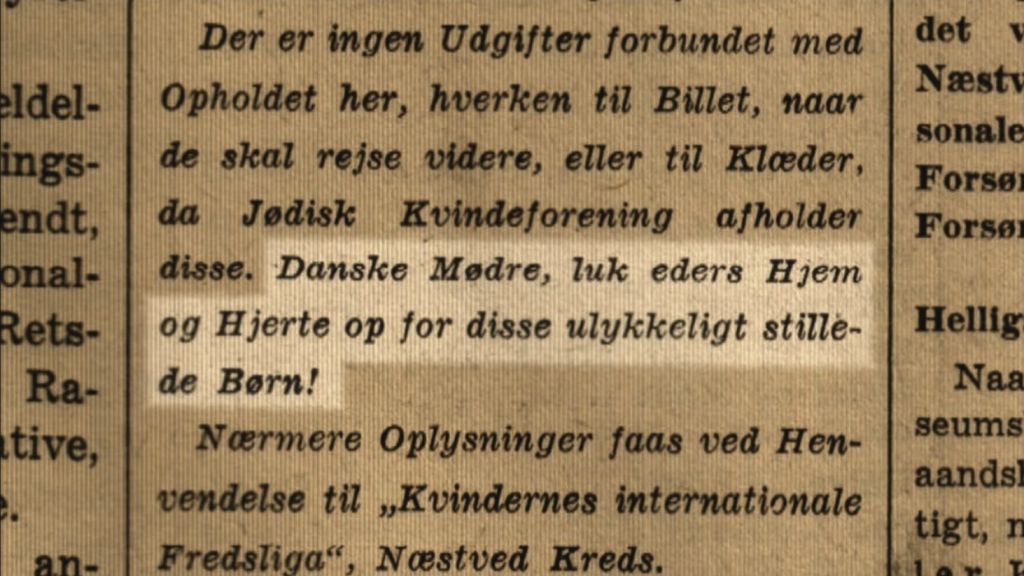
Danish women’s organizations had recruited thousands of families throughout the country to foster the Jewish children
The Danish Women’s National Council and the Danish branch of the Women’s International League for Peace and Freedom were alarmed by the plight of Central European Jews and wanted to take action to at least help the children. They worked closely with the Jewish Women’s Organization in Denmark, and together they lobbied the Danish government to allow in Jewish children who were themselves guaranteed to move on quickly to British Mandate Palestine.
In January 1939, the government granted permission for 25 children — many fewer than the 1,000 the women had hoped to help. Additional pressure from the women, including proof that they had recruited thousands of families throughout the country to foster the Jewish children, resulted in the government granting permission on July 25 for an additional 300 Jewish children (“League Children”) to enter the country. It was stipulated that they must be between 13 and 16 years old, be spread out in private homes throughout the Danish countryside, and leave Denmark for Palestine by their 17th birthdays.
According to research conducted by Lone Runitz for a book on the subject and summarized by him in an essay in the spring 2013 issue of Yeshiva University’s PRISM journal for Holocaust educators, 196 boys and 124 girls found refuge this way in Denmark: 106 from Germany, 80 from Austria, 73 from Czechoslovakia, 44 were stateless and 12 were Polish nationals. Five children who were supposed to arrive in Denmark never made it.
At the time, as a teenager, she hadn’t really grasp how permanent the separation from her family would be
“Into the North” starts with the Czech teens, soon after returning from their Zionist summer camp, receiving notification that arrangements had been made for them to go to Denmark. A few days after the war’s outbreak in early September 1939, they were on trains heading to Copenhagen, where they stayed together overnight before being sent off to their respective foster families.
The elderly Dov Strauss is seen on screen at the train station where he departed from Prague. He tells his daughter and granddaughter, who have made the trip back to the Czech Republic with him, that this departure had been the last time he every saw his mother. Dita Persson, seen in the countryside where she was fostered, recalls that at the time, as a teenager, she hadn’t really grasped how permanent the separation from her family would be.
“After the war, the teens went back to Czechoslovakia to look for their families. Only one of the 80 or so teens found a surviving family member,” Matyášová reported.
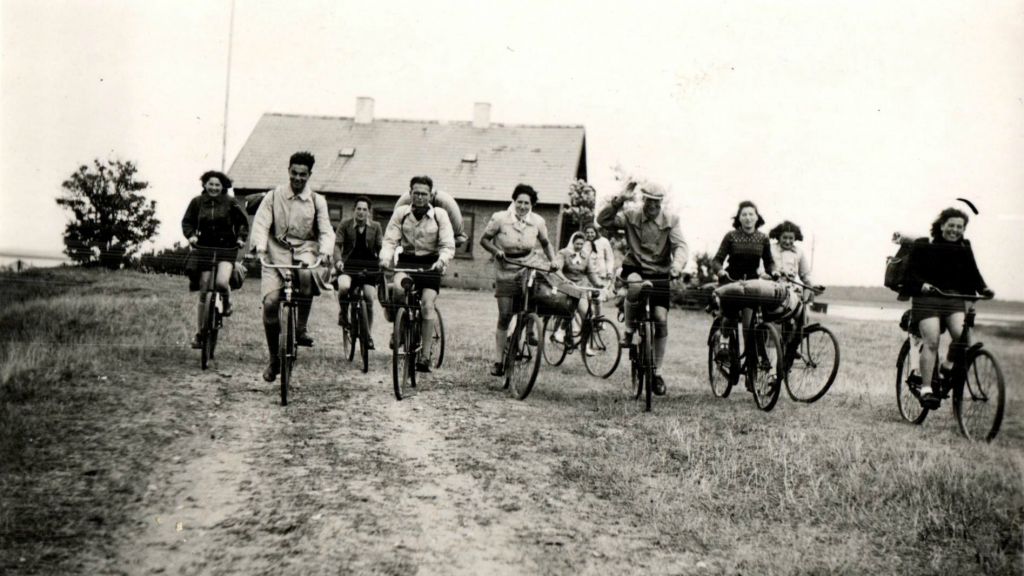
Although farm life was new and initially difficult for the urban Jewish teens (Persson mentions having seen horses and other farm animals only in pictures before arriving at her foster family’s home), most got the hang of it. Some became close with their foster families, while others, like the diarist Dubová, were unhappy and moved from family to family.
For all the Jewish teens, the regional Jewish educational and social activities arranged and led on weekends by Youth Aliya representatives were a crucial lifeline.
The teens in Denmark felt guilt for escaping to safety while their younger siblings had to remain in danger
“Here they could share experiences, positive and negative, about their respective foster families. Here they were able to socialize with haverim (friends) from home, which was essential for their well-being; speak their own language, and communicate news from their parents,” wrote Runitz.
It seems that for the most part, the parents did not share too many alarming details about their deteriorating circumstances at home in order to keep their children’s spirits high.
What does come through in the film, however, is the guilt the teens in Denmark felt for escaping to safety while their younger siblings had to remain in danger.
“The woman from whom I first heard about this whole story told me about she had survived because she was older than her siblings. She had survived due to a ‘Sophie’s Choice’ kind of thing,” Matyášová said, referring to the 1979 William Styron novel about a young mother forced to choose between her children as she enters a Nazi concentration camp.
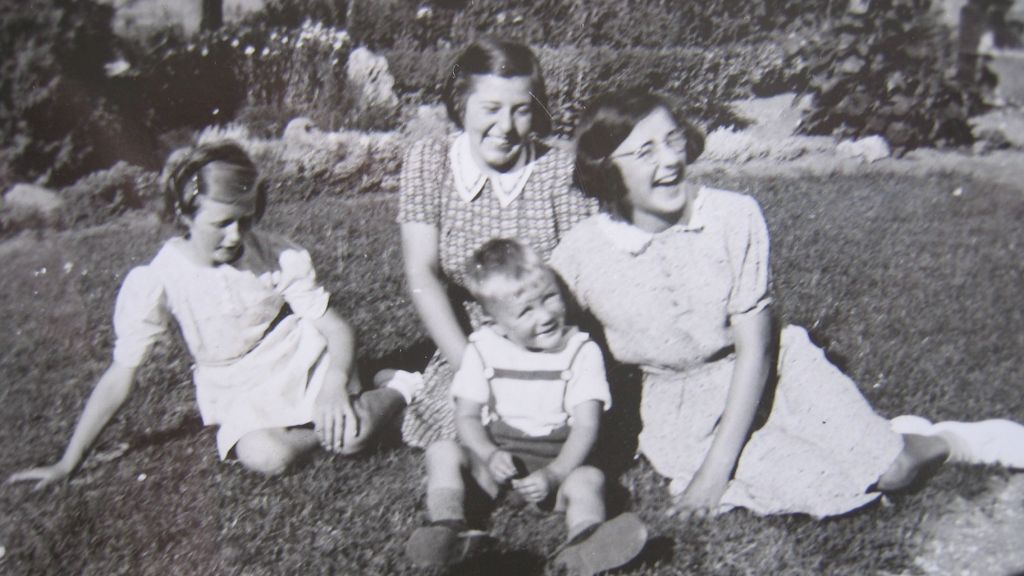
Dov Strauss and Judith Shaked were among two groups of “League Children” who departed Denmark for Palestine in December 1940 and March 1941. There were around 40 teens in each group, but it remains unclear how or why these particular children were chosen.
When the Turks reneged on their promise to issue more transit visas after the Germans attacked the Soviet Union on June 22, blocking the only remaining route from Denmark to Palestine, it became impossible for more teens to get out.
When the Turks reneged on their promise to issue more transit visas, it became impossible for more teens to get out
Further, when the policy of cooperation between Denmark and Nazi Germany collapsed in late August 1943, the situation for Jews in Denmark became more perilous. On October 1 and 2, the Nazis rounded up the Jews and sent 474 to the Theresienstadt ghetto.
However, more than 6,000 Jews in Denmark were forewarned of the Nazi action and managed to escape. Among them were most of the remaining Jewish teens from Czechoslovakia, Germany and Austria. With the help of their foster families, local fisherman and the underground, they were smuggled to Sweden. Unfortunately some 45 of the teens did not manage to escape and were deported by the Nazis.
According to Matyášová, most of the girls found domestic jobs in Sweden. The boys also found employment, and some went to Britain to enlist in the Czechoslovakian army to regain their citizenship. It seems that from this point on, most of the teens lost touch with one another, as they focused on surviving the war and later rebuilding their individual lives.
After locating and interviewing 30 of the 80 or so Czech “League Children,” Matyášová was able to piece together where they had ended up.
“Most went to Palestine either during or after the war. A few returned to Czechoslovakia, about 10 to 12 stayed in Denmark or Sweden, and a handful went to countries like America or Australia,” she said.
Some of them and their descendants reconnected at a number of reunions held in Israel in recent years. A group of children of the “League Children” went to the Czech Republic together, and Dubová’s granddaughter, a photojournalist, visited Europe to do a project following in her grandmother’s teenage diarist footsteps.
‘Once upon a time, there was a small country called Denmark where thousands of people were ready to open their hearts and homes to Jewish refugees’
Although Matyášová has moved on to other projects, she continues to speak about her research about the Jewish teens who escaped to Denmark.
“Just a few days ago I was invited by an educational organization that had been approached by teachers who said they didn’t know how to discuss the current refugee crisis with their students. I was brought in to give the historical perspective,” she said.
Dudinski also believes there is an important contemporary lesson to be learned from “Into the North” and the history it presents.
“Once upon a time, there was a small country called Denmark where thousands of people were ready to open their hearts and homes to Jewish refugees at the time when most other countries closed their borders to them,” said Dudinski.
“Today, when once again European countries and the US, and also Israel, are less and less willing to take in refugees, it’s a story worth telling,” she said.







The Times of Israel Community.