

Chef tears down culinary Iron Curtain to make Jewish-Russian food great again
Though initially embarrassed by her family’s immigrant fare, today James Beard-nominated Bonnie Frumkin Morales sells a surprising amount of herring at her restaurant Kachka
 Add ToI as a Preferred Source on Google
Reporter at The Times of Israel
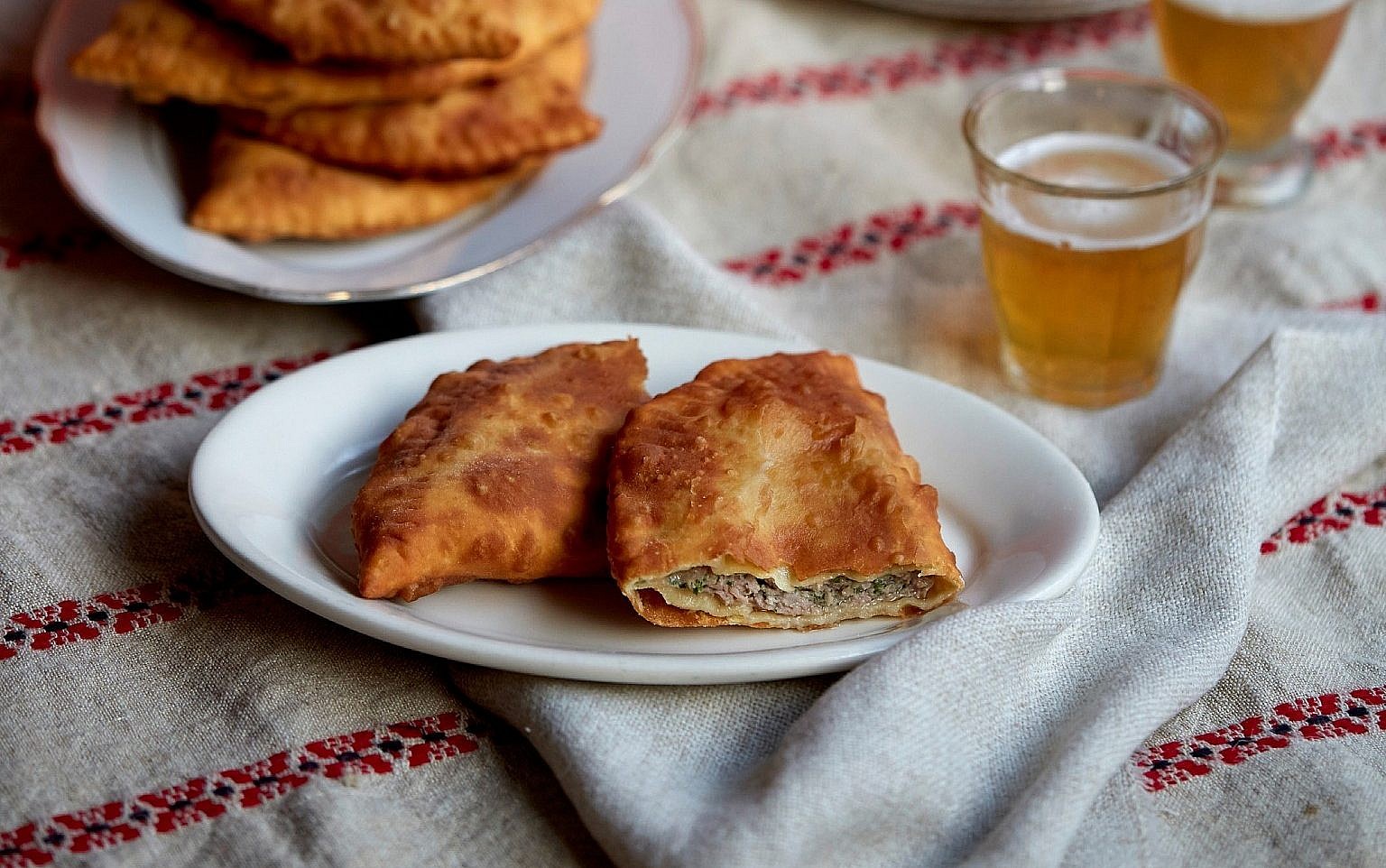
Once, the Soviet Union covered one-sixth of the world’s landmass. Yet its cuisine — including its Jewish cuisine — is relatively little-known in the United States.
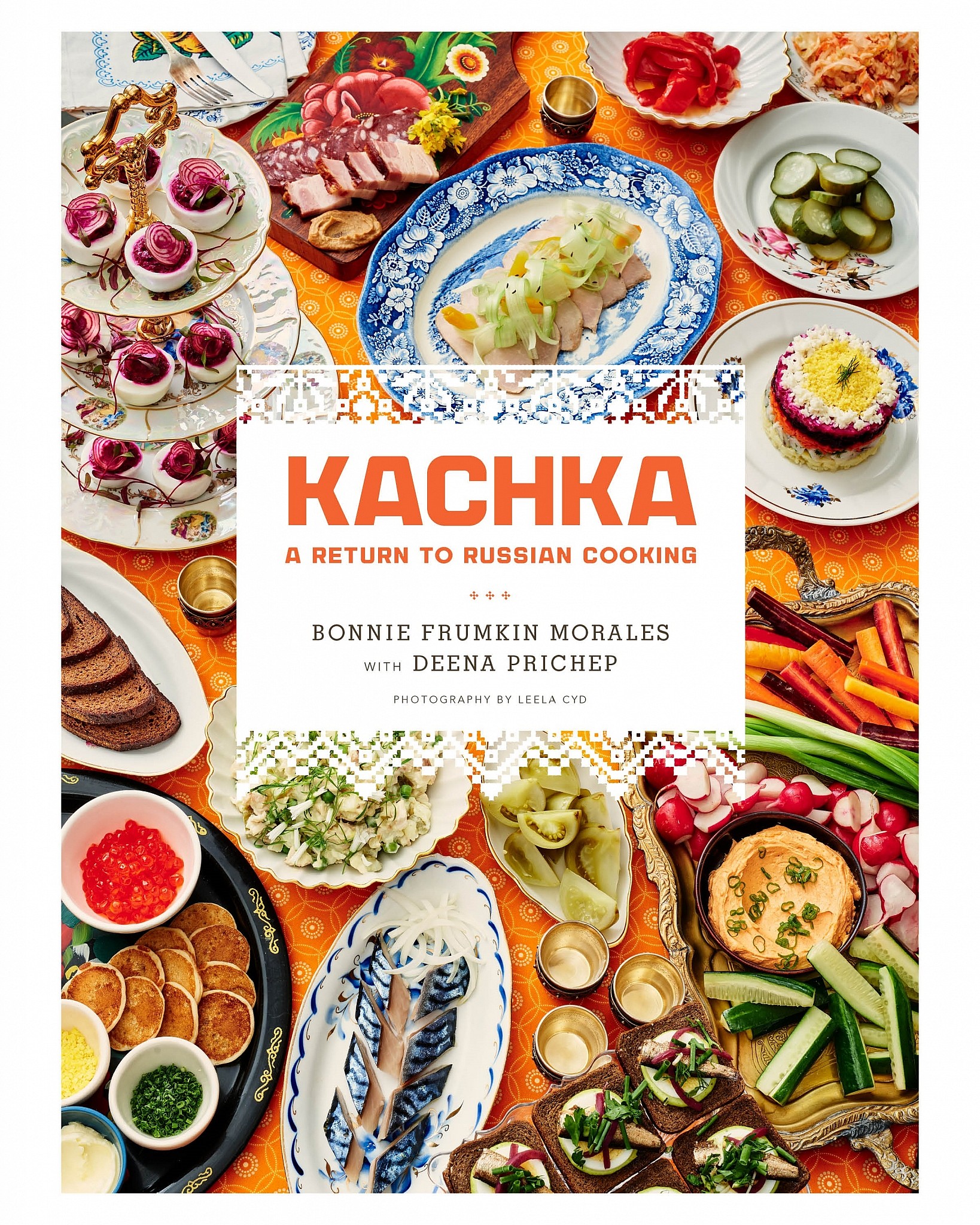
A new cookbook, “Kachka: A Return to Russian Cooking” by Bonnie Frumkin Morales, seeks to tear down this culinary Iron Curtain.
“There has not been anything published by a major publisher in the US on this subject in nearly 30 years, since 1990,” said Morales, who wrote the book with Deena Prichep.
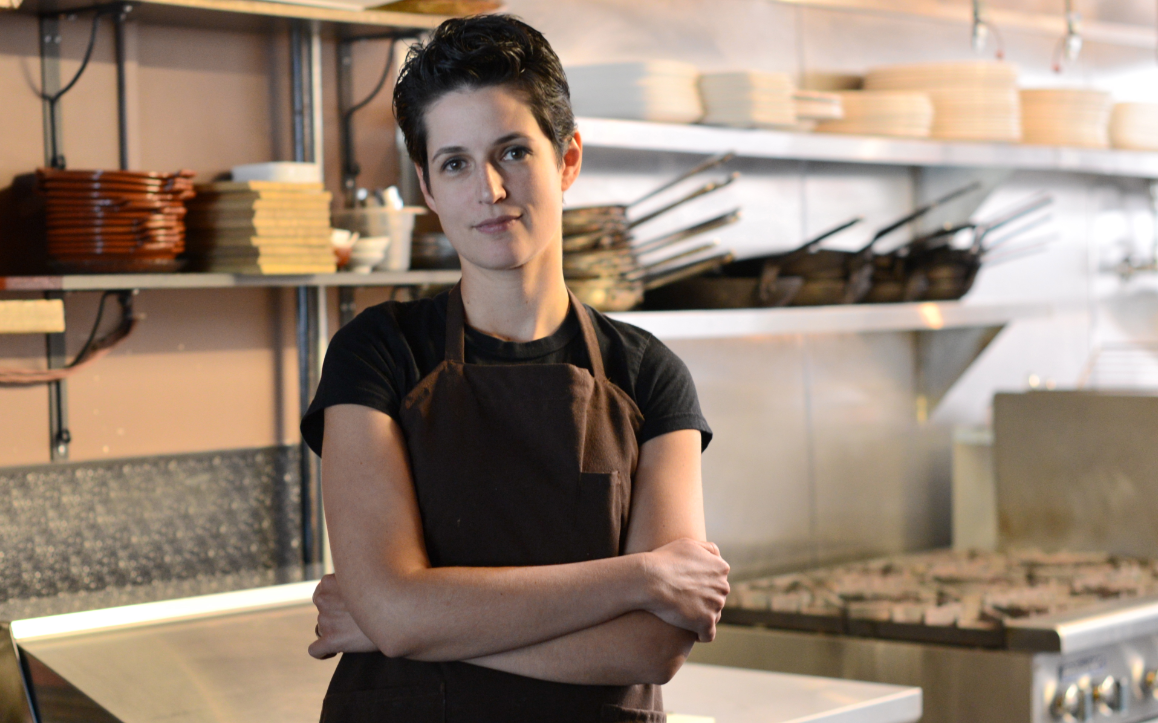
The book was inspired by the restaurant that Morales and her husband, Israel Morales, opened in Portland, Oregon, in 2014. Together, they serve the dishes she grew up with as the daughter of Russian Jewish immigrants to the US.
“The Portland community, they love it,” she said. “We serve a lot of dumplings, the Ukrainian version, the thing I felt was our safety net… We kind of rode in on that.”
The restaurant was recently at the center of a controversy when, on March 13, two groups of customers got into an altercation about a “Luftwaffe” t-shirt one of their members was wearing. The shirt can be interpreted as either referring to the Nazi air force or the current German air force.
The incident, which took place after Morales spoke with The Times of Israel for this story, sparked a social media furor when the main protestor, Deavon Snoke, posted that she was asked to leave the restaurant for confronting the “Nazi.” Others ironically accused the Kachka owners of being neo-Nazi sympathizers.
The Moraleses posted a response in which they requested that people stop making “inaccurate and libelous comments,” and informed customers that they now have the Anti-Defamation League’s list of known neo-Nazi symbols on hand to identify hate symbolism in the future.
But not all publicity surrounding Morales has been controversial: “Kachka: A Return to Russian Cooking” was a finalist for a Julia Child First Author IACF award, and Morales was recently named a James Beard Award finalist. The winners will be announced on May 7.
“I couldn’t be more grateful for this honor,” Morales wrote on Facebook. “The spotlight is finally on Russian food, and that’s what is most exciting to my family and I.”
Morales sent her congratulations to the other finalists, “especially the 38 other women recognized this year.”
“I’m proud to stand with you and next to you,” she wrote.
What’s in a name
That restaurant is also named “Kachka,” which means “duck” in Russian and Ukrainian.
It is a significant word for the author. It saved her grandmother from the Holocaust when a Nazi collaborator doubted her assumed identity of a Ukrainian non-Jew. He asked her to say “duck” in Ukrainian. While she did not speak the language, she guessed — correctly — that the Yiddish and Belarusian word was the same as the Ukrainian.
It was one of the family stories that Morales’s father shared with her on walks when she was a child.
“That one resonated more than others,” she said. “When we would think about opening a restaurant, it would kind of come forward in my mind, an important linchpin in my mind of my life, my family life. It had an importance for the naming of the restaurant, a constant reminder to me of where I came from.”
Now, Morales hopes to share recipes from her family’s homeland.
“Cooks at the restaurant were connecting [with the food],” she said. “They were interested. I had nowhere to direct them. That’s how [the book] started.”
It took three years to finish — two years to write and one year of post-production work.
In the introduction, she notes that “the food that I make is inspired by a place, the Soviet Union, that no longer exists,” and that “to call something Russian is a bit of a loaded gloss, a term I’m still working through.”
She hopes the book will show a Russia beyond headlines of President Vladimir Putin and charges of interference in American politics.
“There’s a lot of negativity around political things — Putin, whoever’s in charge, Russians in our elections,” said Morales, who has gone back to Russia to research its cuisine periodically. “Obviously, they’re all serious things. I don’t want to take anything [away].”
She asked readers to distinguish between the “handful of people in charge” and the Russian people. “They’re a people just like you and me living in other countries,” said Morales.
Warning: The following will make you hungry
There was a lot of overlap between Jewish and Soviet cuisines, said Morales, and some of the recipes in the cookbook might sound familiar — such as chicken Kiev and caviar. Others that may seem more foreign, such as lyulya kebab from Azerbaijan, and can help show the diversity of Soviet-era cooking.
For instance, there is “obviously blinchiki — blintzes in Yiddish,” she said. “Jewish deli [food]. The word blintz is interesting. It’s an American word. In Russian, it’s blinchiki. Ours are filled with chicken.”
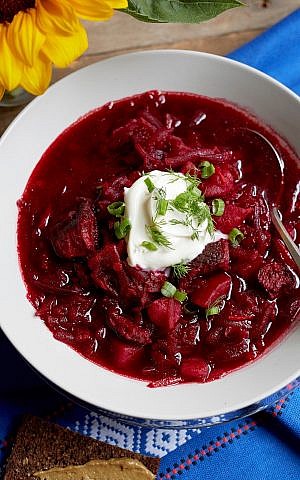
In the cookbook, Morales gives advice about another Russian staple: “Borsch does not have a ‘t’ at the end — somehow the ‘t’ got added on in German… so if you want to pass with the Brighton Beach babushkas, lose the ‘t.’”
Readers will find pickled green tomatoes, “a family recipe,” Morales said. “My mother doesn’t know why, but she feels it’s particularly Jewish… They’re half sour — or half salted — pickles, a kosher deli style. The half sour are really, really familiar, a fresher style cucumber pickles, not as pickly.”
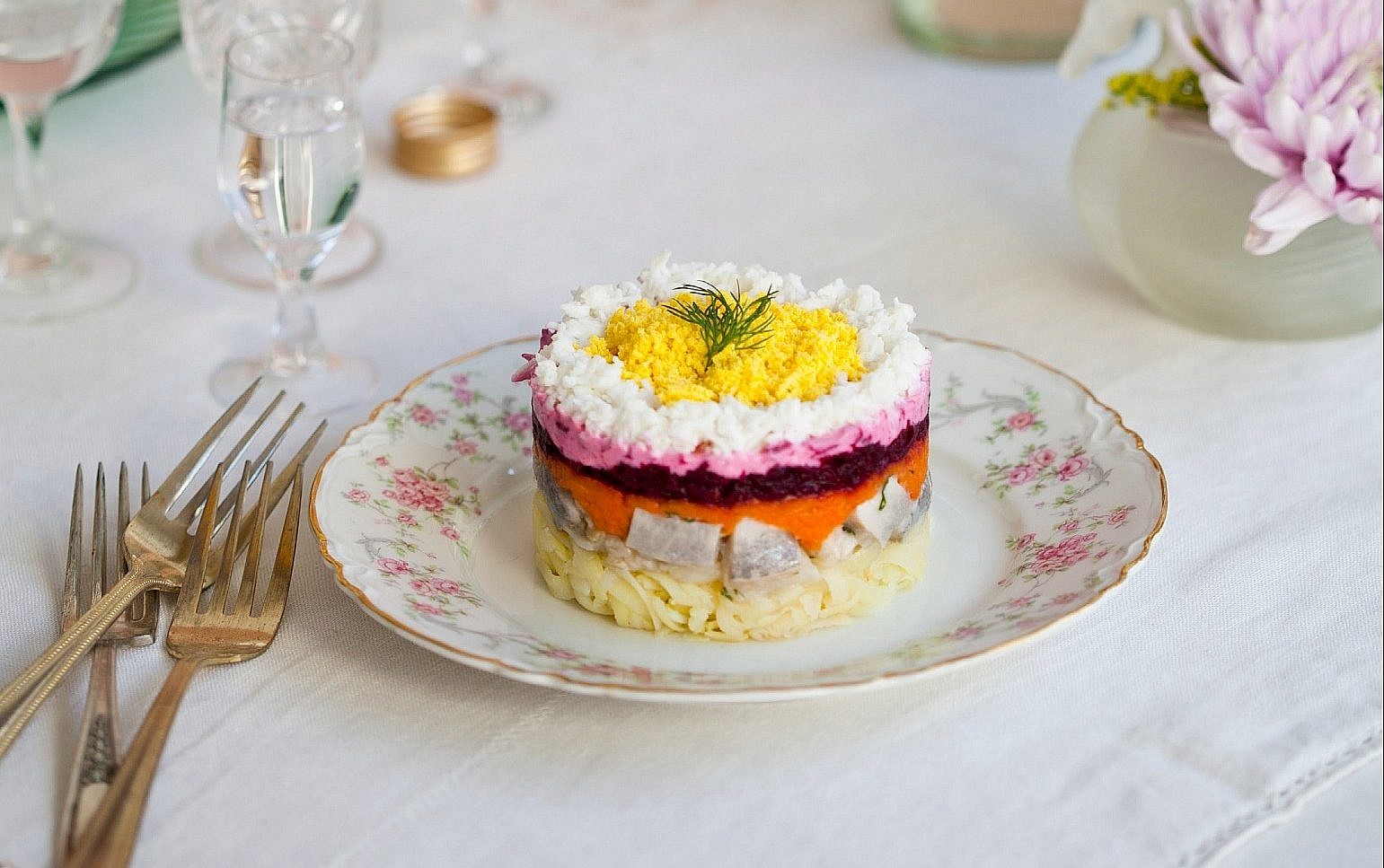
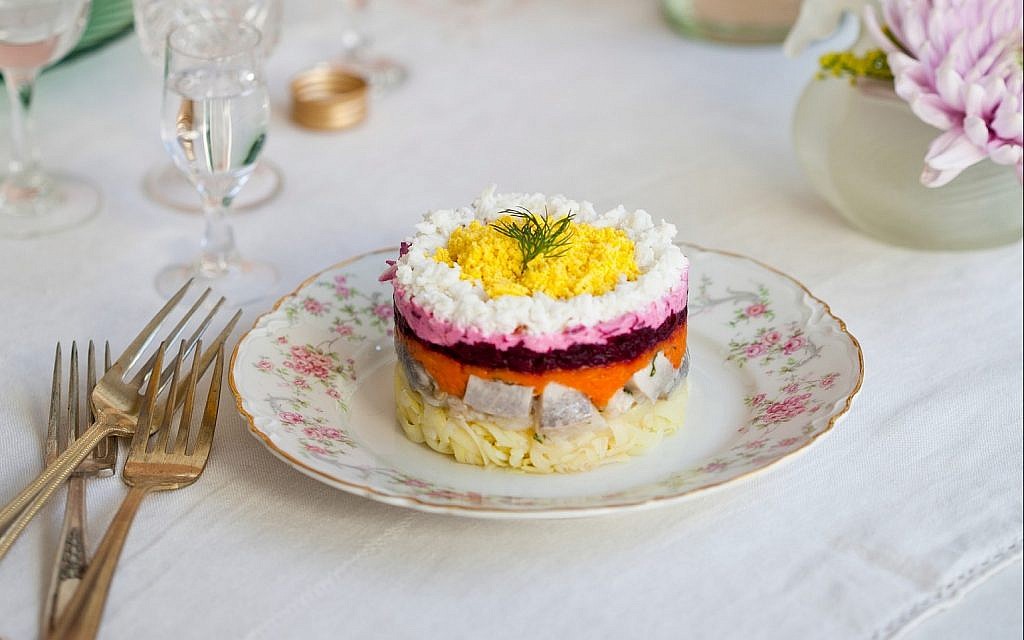
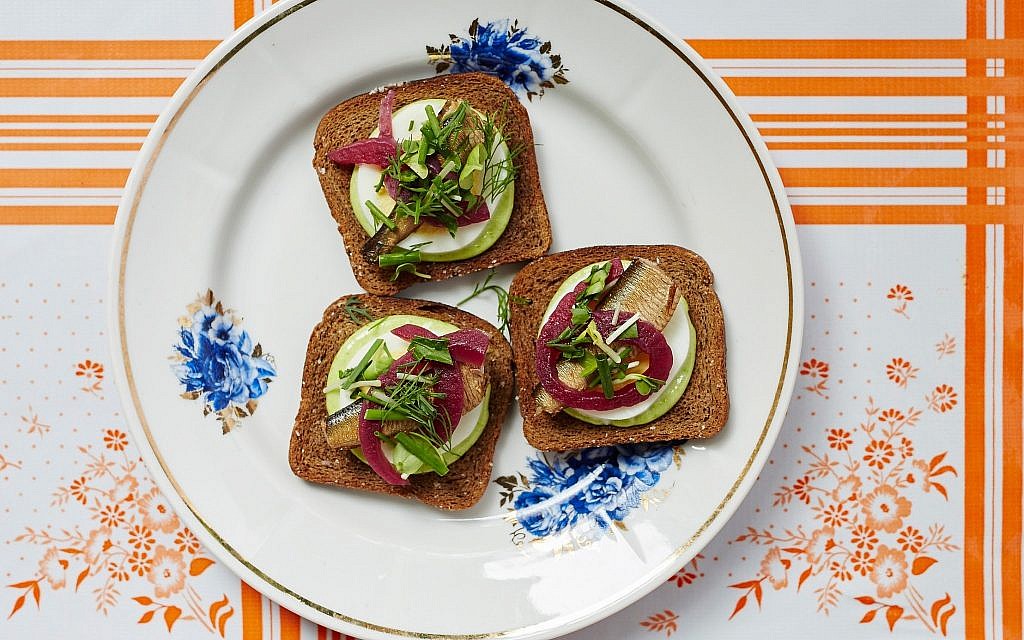
For meat lovers, there’s “a lot of tongue,” she said, describing it as peppery and cooked in beef fat. For seafood fans, there’s “schmaltz herring in some dishes,” she said. One improbably named recipe — Herring Under a Fur Coat — has become a restaurant favorite.
“I was not even going to put it on the menu, I was so concerned about giving a bad impression,” she recalled of the dish that features chopped herring under potatoes, beets, carrots, and onions, topped with a mayonnaise or sour cream dressing.
“It’s probably our most well-known, most-loved dish… It’s not necessarily unconventional, but most people are relatively squeamish about herring, it’s very strongly flavored. We not only serve it on the menu, it’s one of our top sellers. It’s shocking.”
Readers can toast each other with a Jewish Rye cocktail that connotes both rye whiskey and rye bread. The rye whiskey is “infused with caraway,” Morales said, which “elicits the flavor of rye bread.”
Bubbe meises about babushka’s food
Morales said that much of her information about Russian Jewish food comes anecdotally.
“[Some] things I don’t even know if my parents do [them], if my family does [them] because they’re Jewish or because of where they’re from,” she said. “It’s kind of complicated.”
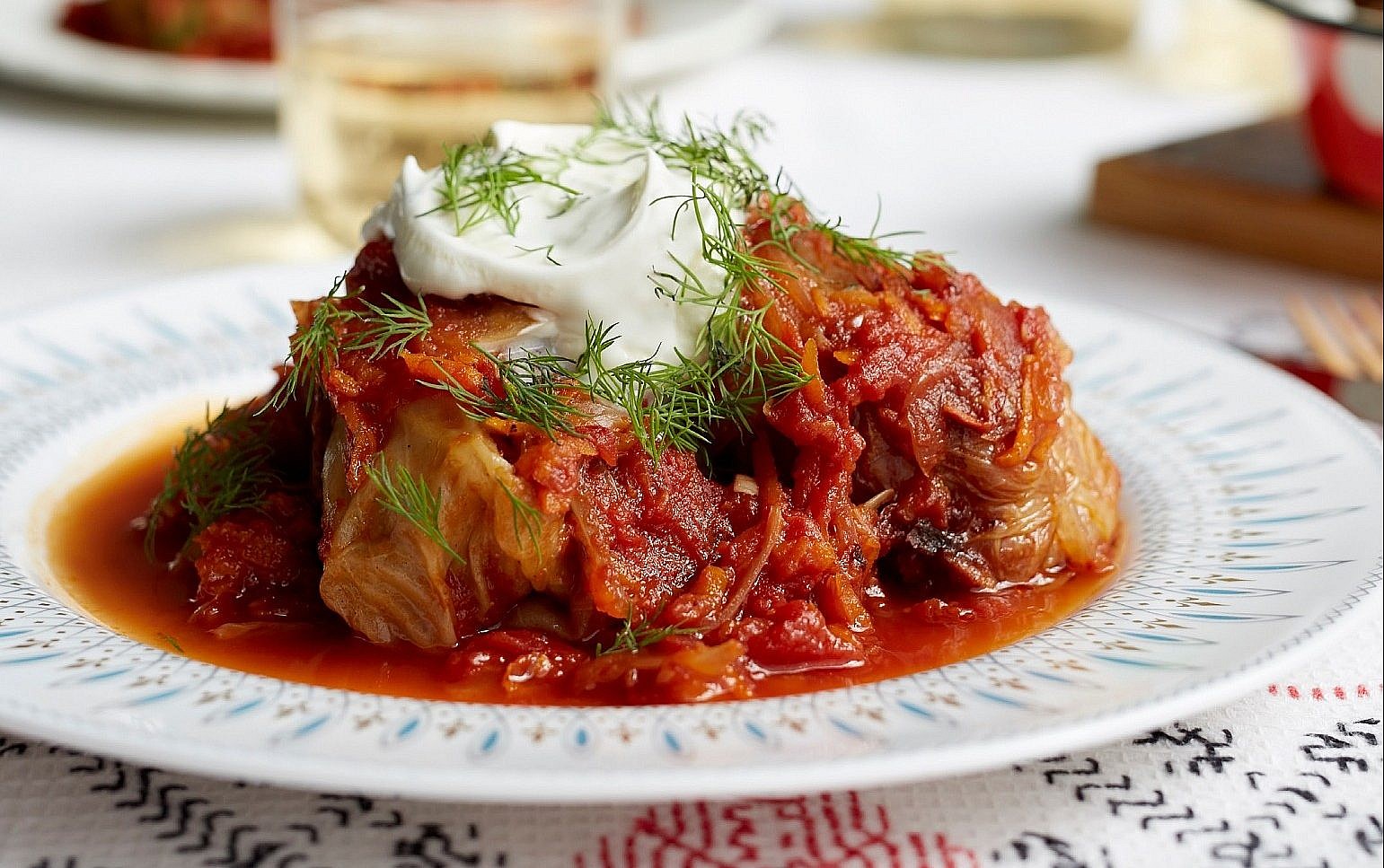
Another complexity is that Jewish cooking from the Soviet Union can feature pork, as is the case with Morales’s cabbage rolls — or golubtsi (there is a vegan version).
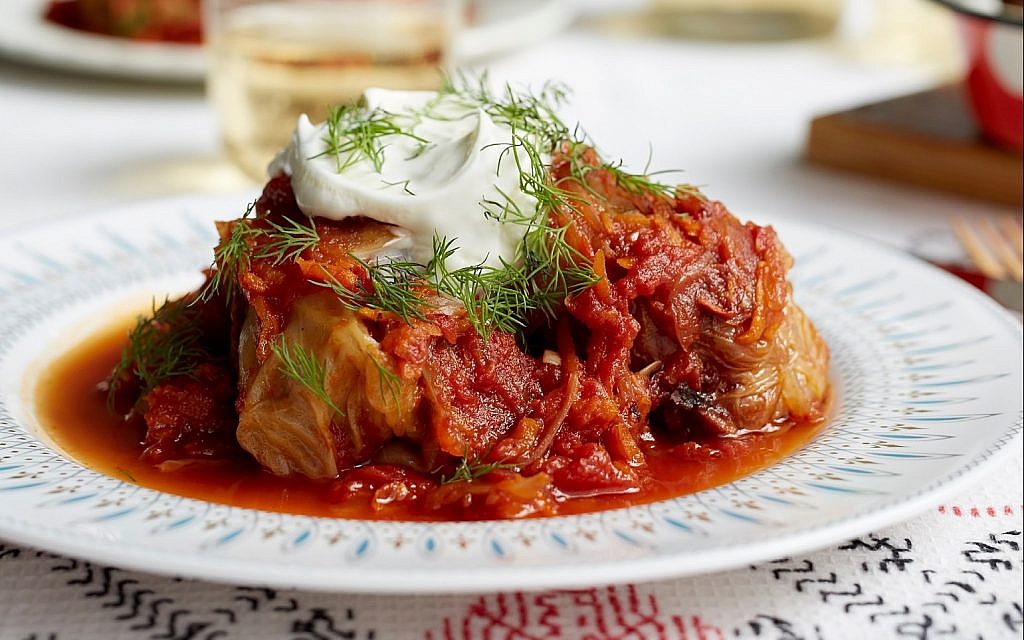
“There are some distinct things about Jewish cooking in the Soviet Union that are different,” Morales said. “Obviously, the use of pork.”
Bacon is an ingredient in the potato and carrot babka recipe, although there is a vegetarian alternative.
“In the former Soviet Union, a lot of Jews did not practice kosher [laws],” Morales said. “A really good example is on my mother’s side. Her grandfather was a kosher butcher in town. He still had pork on the table. There was not the same sort of distinction [between foods]. They had [limited] resources.”
Family is a key theme in the book, especially the wartime ordeal of Morales’s grandmother, Rakhil Altshuler.

In October 1941, the Nazis occupied Altshuler’s village of Bobr outside Minsk in Belarus. They killed all of its 961 Jews. Only Altshuler escaped with her infant son; she could not save her parents.
“Her entire family was shot down in the ghetto, buried, except for her,” Morales said.
Two months later, Altshuler’s baby starved to death and she had to bury him.
Altshuler’s own life was threatened when she was stopped by the suspicious collaborator. In the book, Morales reflects on the miracle that saved her grandmother.
“And with this one little word, this little duck, the key slid in the lock and the gates fell open,” Morales wrote. “My grandmother passed through, and went on to join the partisan resistance.”
Altshuler’s difficulties continued after the war. Returning to Bobr, she visited a neighboring non-Jewish family and noticed her treasured samovar in their home.
“It was not uncommon at the time, when a lot of Jewish families were fleeing, they would bury all of their possessions when they would leave the house,” Morales said. “A lot of possessions were pilfered.”
Distraught, Altshuler left Bobr once again — but a familiar-looking cow followed her, Morales said.
“This cow bulls up to her,” she said. “She looked into its eyes. It was the family cow from before… The whole town gathered and argued about whether she should have the cow back… The town decided that yes, it was, in fact, her cow and she was owed something for it. They gave her money that she used to buy a fur coat for winter. She had nothing after the war. You can’t make it up.”
Altshuler went on to have another son, Vyacheslav (Slava) Frumkin. He would grow up to become a husband and father, and in 1980 he and his wife Lyubov, along with their young son Simon, left the USSR for America through HIAS. The family lived in a Soviet-Jewish neighborhood in Chicago, where Morales was born.
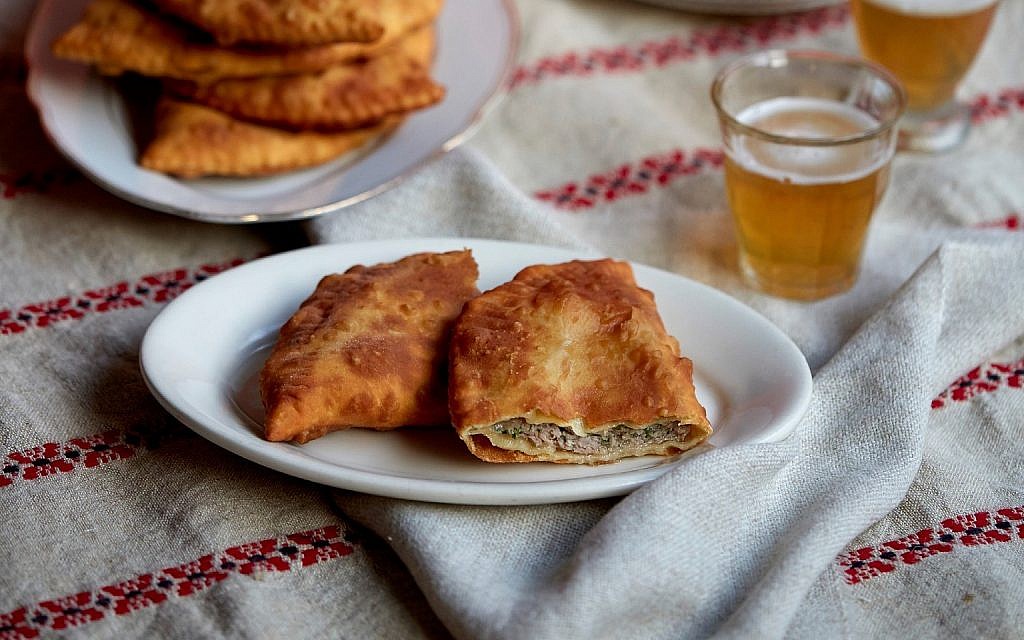
An acquired taste
Morales said that growing up, she disliked her family’s cuisine.
“I wanted nothing to do with it,” Morales said. “I wanted to be like my friends at school. I would be embarrassed if a friend was over playing and we were having boiled beef tongue for dinner.”
This changed after she met her now-husband, Israel Morales; they both worked at a Chicago restaurant. He too came from an immigrant family — his father is from Chiapas, Mexico. She would bring him home for meals.
“He loved it so much,” she recalled. “It was a turning point for me, to think about that food in a certain way, starting to respect it.”
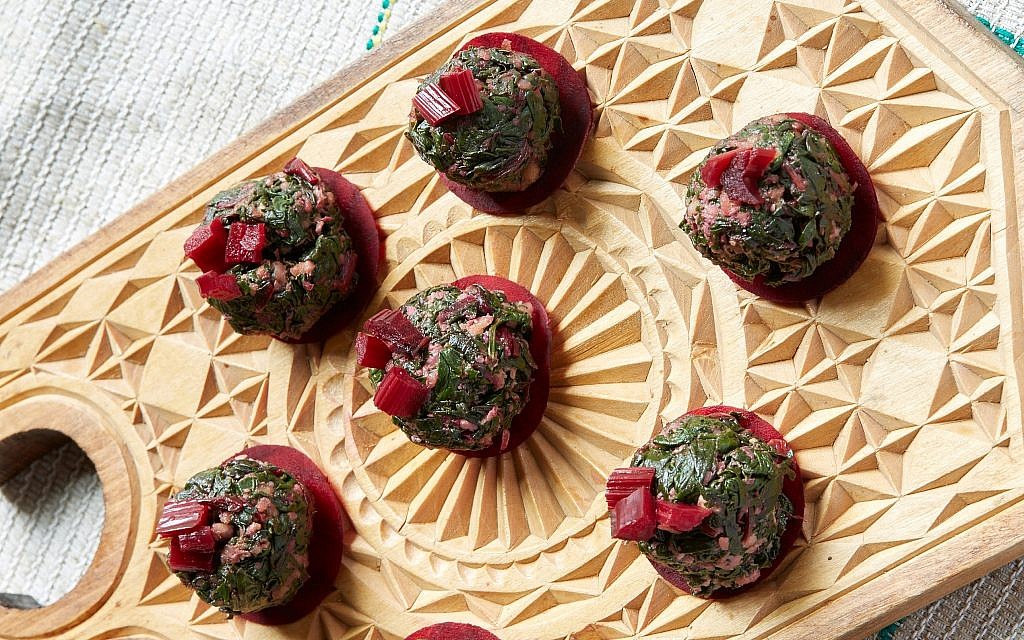
Now parents themselves, the couple relocated to Portland to start up their own restaurant to promote the food of her childhood.
“It was definitely beyond a 180 [degree turn],” she said. “Both of us are people who really, fully understand all the challenges of owning [a restaurant]. Both of us, when we were younger, were adamant about never owning our own restaurant.”
But then, she added, “we became so adamant about exposing people to this food, that it was more important, that we have to open a restaurant if we are to share [the food] with people.”









The Times of Israel Community.