

Court orders state to justify law that allows firing teachers who support terror
Critics charge law empowers ‘political entities’ and deprives teachers of due process; Smotrich says judges ‘trampling Israel’s democracy and the security of its citizens’
 Add ToI as a Preferred Source on Google
Sam Sokol is a former political correspondent at The Times of Israel. He was previously a reporter for the Jerusalem Post, Jewish Telegraphic Agency and Haaretz. He is the author of "Putin’s Hybrid War and the Jews"
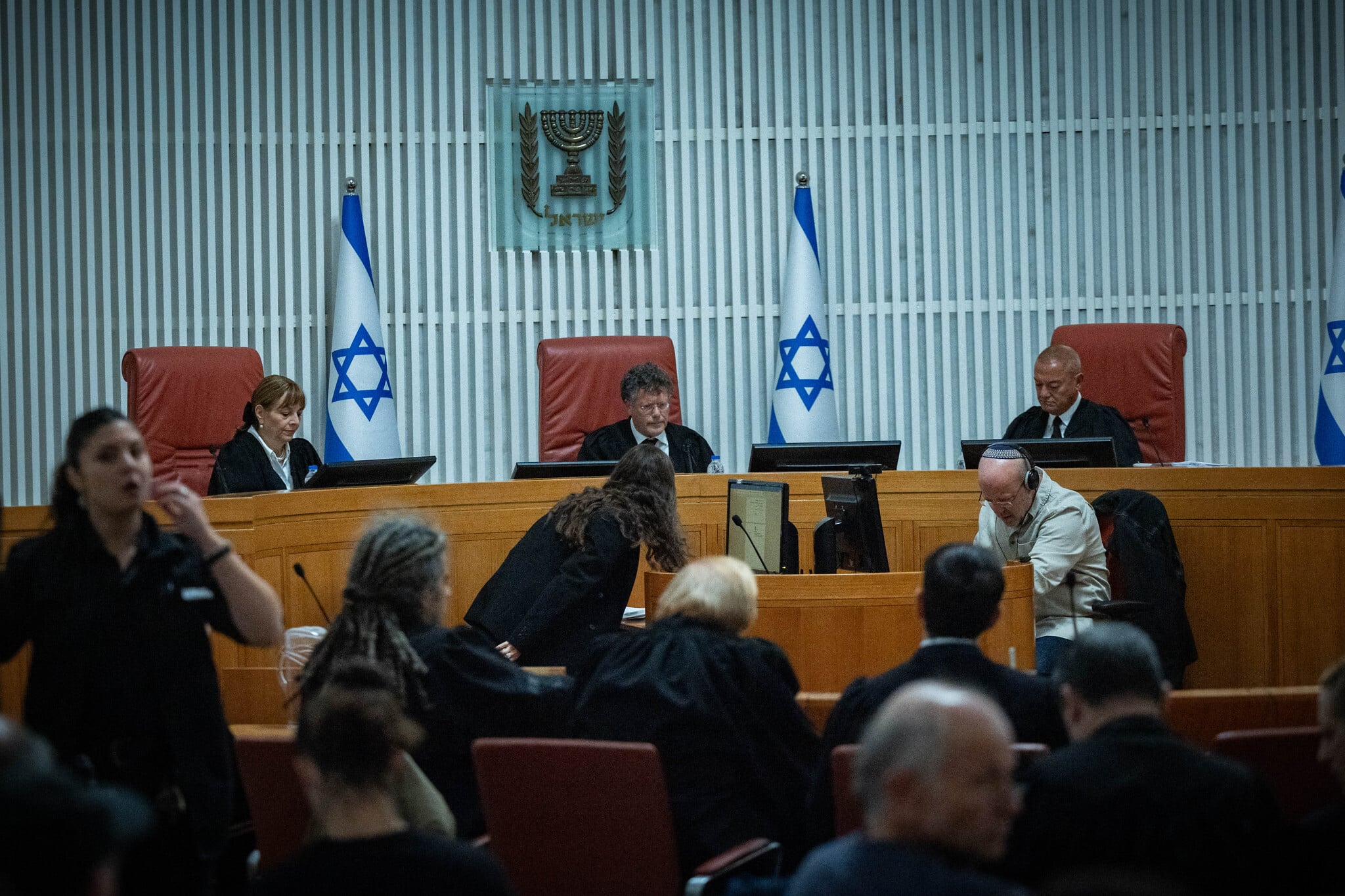
The High Court of Justice on Wednesday issued a conditional ruling ordering the state to explain why a November 2024 law authorizing the Education Ministry to fire teachers who publicly express support for an act of terrorism should not be repealed.
The ruling, in response to petitions by a group of teachers and the Arab Higher Monitoring Committee, gave the government until the end of April to defend the legislation, whose passage drew condemnation from human rights advocates.
The petitioners argued that the law violates the right to due process and grants “exclusive powers of investigation, examination, trial and punishment to political entities.”
Co-sponsored by MKs Zvika Fogel (Otzma Yehudit) and Amit Halevi (Likud), the law grants the director general of the Education Ministry the authority to fire, without prior notice, teachers who have either been convicted of a security or terror offense or have “published a direct call to carry out an act of terrorism or published words of praise, sympathy or encouragement for an act of terrorism [or] support for or identification with it.”
It also allows the ministry to cut or reduce funding for schools in which such expressions have been found, if it has been determined that “the management of the educational institution knew or should have known about their existence.”
According to its explanatory notes, the law was primarily aimed at Arab schools in East Jerusalem where alleged incitement turns minors “against the State of Israel” and terrorists are glorified in a way that has a “destructive and long-term effect [that], among other things, may be expressed in the large number of minors living in East Jerusalem who have carried out or attempted to carry out terrorist attacks.”
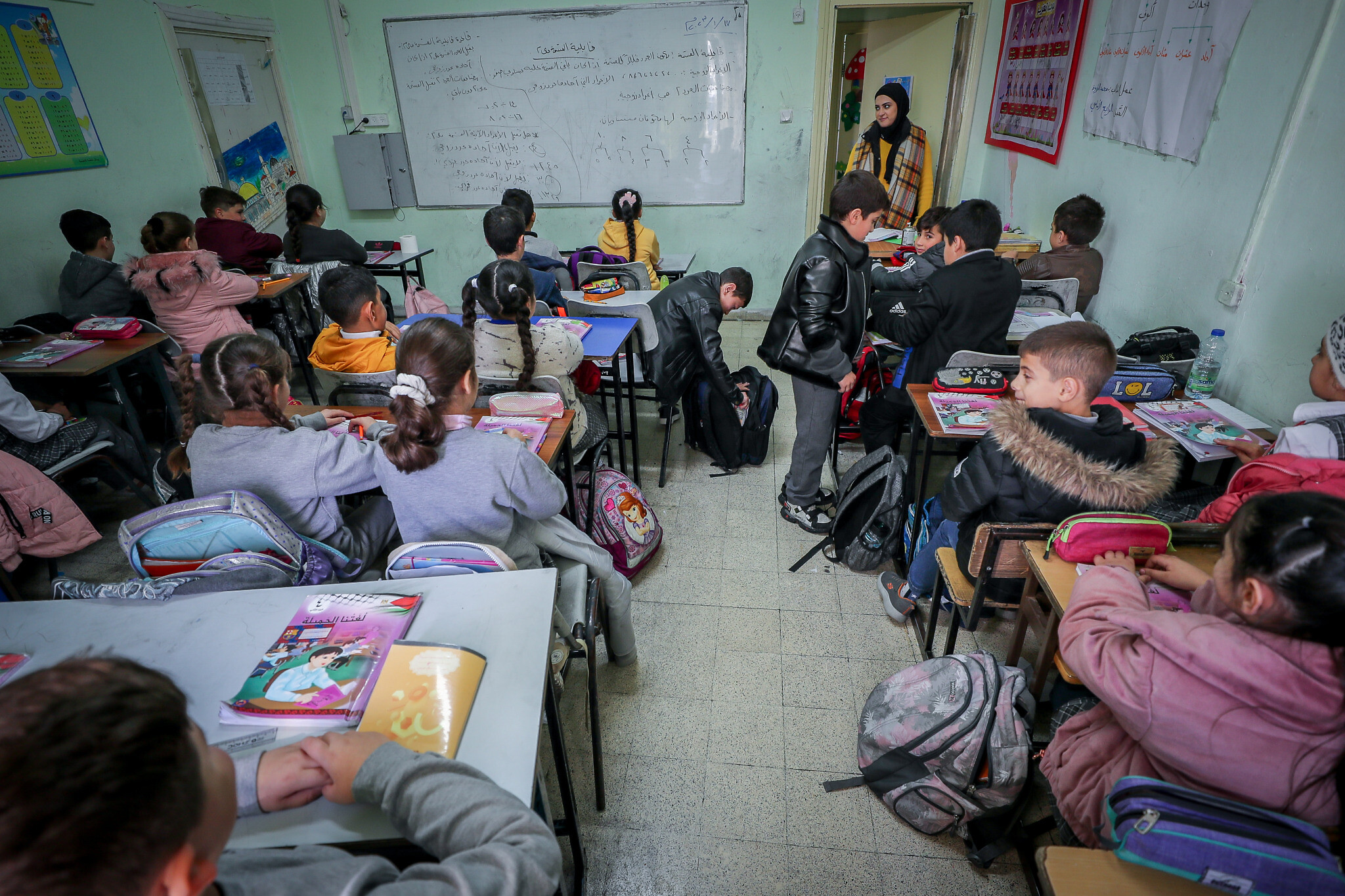
While its passage was celebrated on the right, the law was panned by the Association for Civil Rights in Israel, which said the bill would make Arab teachers a “target for surveillance and persecution,” as well as by opposition lawmakers, who argued that while terror-supporting educators should be fired, the decision should not be made by political appointees.
A similar bill, focused on higher education, passed a preliminary reading in the Knesset last summer but has not yet advanced to its first reading.
That bill would require universities to fire without compensation any instructors who deny Israel’s right to exist as a sovereign Jewish nation, incite terrorism, or express support for a terrorist organization or an armed struggle against the State of Israel.
Responding to the ruling on Thursday, Finance Minister Bezalel Smotrich accused the court of “trampling Israel’s democracy and the security of its citizens,” while recently appointed Knesset Education Committee chairman Zvi Sukkot, a member of Smotrich’s Religious Zionism party, announced that his panel would hold an urgent hearing on the matter, claiming that the court is “endangering the future of the state.”
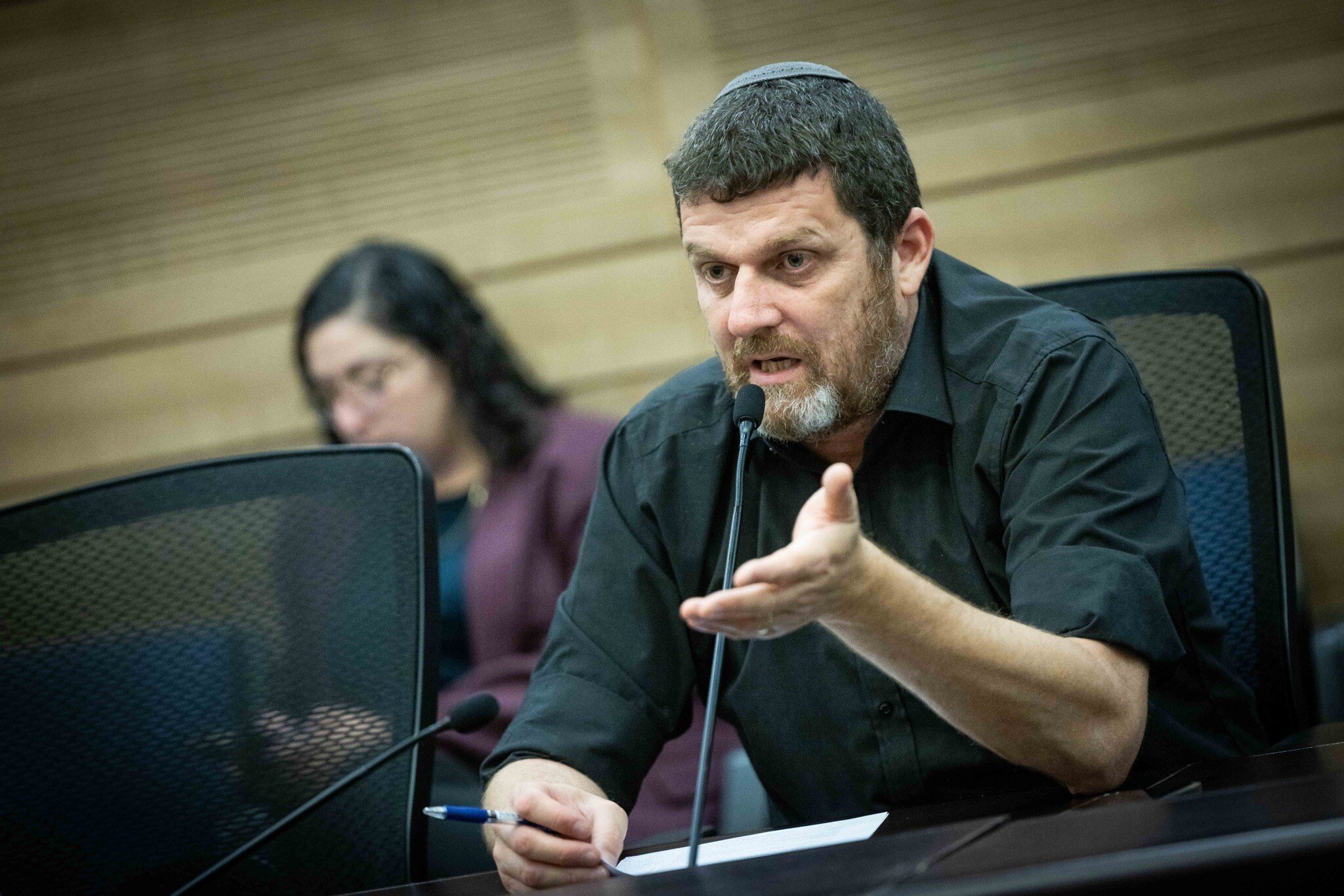
“It is imperative to state things clearly: Those who identify with terrorism cannot and are not allowed to teach students. The High Court that insists on protecting teachers who support terrorism is disconnecting itself from the security reality and from the basic responsibility for the safety and education of Israeli children,” said Sukkot, adding that his committee would work “to ensure that budgets are denied to educational institutions that identify with terrorist organizations.”
In a statement, Halevi said that “the very fact that there is anyone in the world who asks why those who identify with terror should not be prevented from educating children is a morbid tragedy; the fact that these are Supreme Court justices once again exposes the lack of judgment and the lack of public responsibility of the High Court justices toward the safety and security of Israel’s citizens.”
The legislation is a “vital and necessary law, written in the blood of many Israeli victims,” Halevi argued.










The Times of Israel Community.