

Danes to honor terror attack victims amid tight security
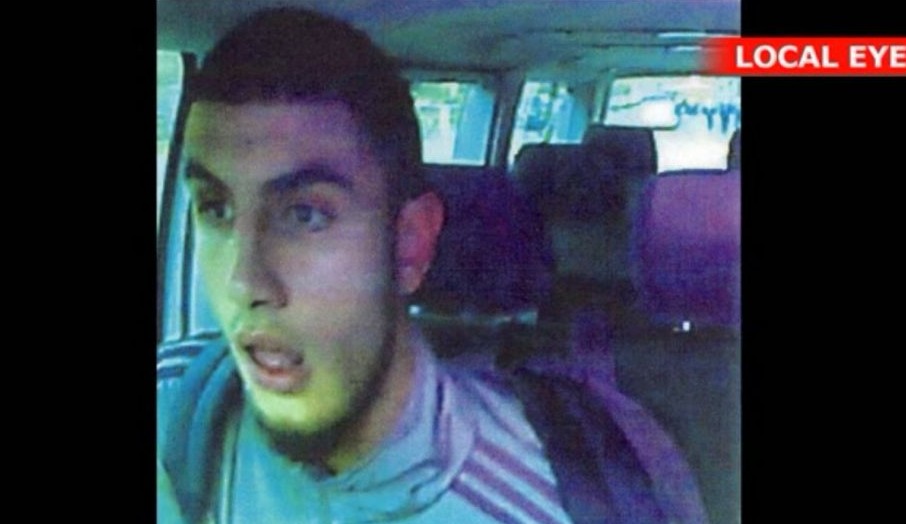
Omar El-Hussein, a 22-year-old Dane of Palestinian origin, last year killed a filmmaker and a synagogue security guard
 Add ToI as a Preferred Source on Google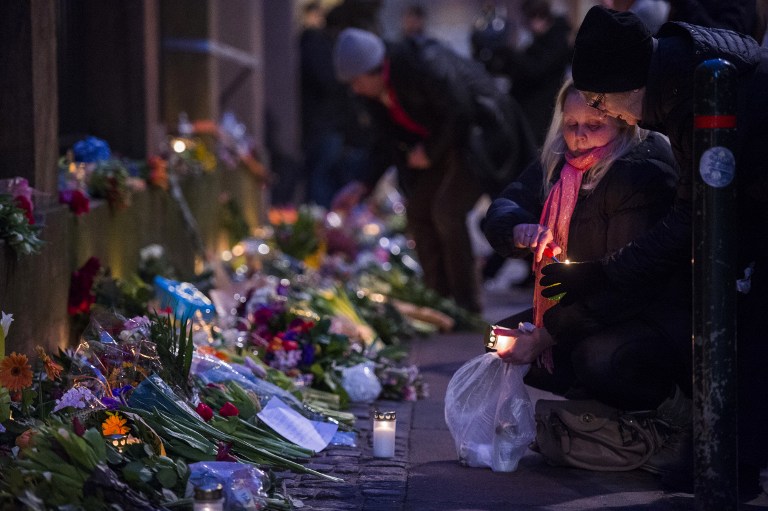
COPENHAGEN — One year after a Danish-born gunman killed a filmmaker and a Jewish security guard in twin attacks in Copenhagen, the country will on Sunday honor the victims amid tight security.
On February 14, 2015, Omar El-Hussein, a 22-year-old Dane of Palestinian origin, opened fire with an automatic weapon on a cultural center where Swedish cartoonist Lars Vilks — reviled by Islamists for portraying the Prophet Mohammed as a dog in 2007 — was among those attending a conference on “art, blasphemy and freedom.”
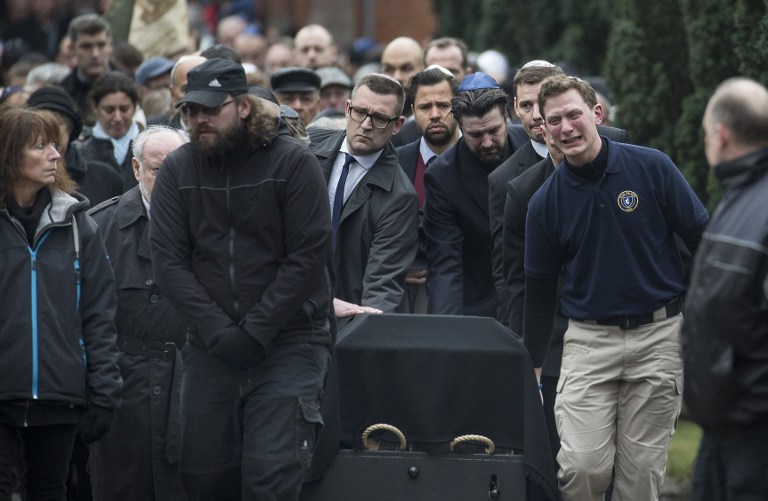
Danish filmmaker Finn Norgaard, 55, was killed and three policemen were wounded. After managing to escape, the assailant shot a 37-year-old Jewish security guard, Dan Uzan, in front of a synagogue, also wounding two police officers.
El-Hussein, seemingly inspired by the attacks on French satirical weekly Charlie Hebdo, was killed a few hours later in a shootout with police in the immigrant-heavy Norrebro district.
Danish Prime Minister Lars Lokke Rasmussen will on Sunday leave flowers outside the cultural centre and the city’s main synagogue.
He will then attend an event inside parliament organised by the Finn Norgaard Association, a charity set up to support children and young people.
Later in the day, Uzan and Norgaard will be commemorated with a chain of 1,800 candles lit on a 3.6 kilometer (2.2 mile) route between the two locations of the attack.
Amid a massive police presence, artist Vilks returned to Copenhagen on Saturday for another event on freedom of expression, this time held inside parliament for security reasons.
“It’s a shame that you can’t be anywhere else. We have to be in a ‘fortress’,” he told AFP.
El-Hussein, who was released from prison weeks before the attacks after serving time for a stabbing, pledged allegiance to the Islamic State jihadist group on his Facebook account on the day of the attack.
Danish intelligence agency PET has been criticized for failing to act on information from prison services that he was at risk of radicalization, and former classmates have claimed they tried to warn the police as far back as 2012.
Four men held after the attacks have been charged with helping El-Hussein and will appear in court next month.
‘A different world’
French ambassador Francois Zimeray, who had been a speaker at the free speech event that was attacked, said he had seen “a growing awareness” in Denmark “that we have entered a different world where nobody, nowhere, is completely safe from terrorism.”
Danes “have become used to living with terror and don’t let it dominate” life, Magnus Ranstorp, an expert on radical Islamic movements at the Swedish National Defence College who helped Copenhagen city officials devise an anti-radicalization plan, told AFP.
“Nearly every year” in the past decade, Danish authorities have thwarted attacks linked to the country’s involvement in the Iraq and Afghanistan wars, and to the cartoons of the Prophet Mohammed published in daily Jyllands-Posten in 2005, Ranstorp said.
Over the past year, Denmark’s already tough tone on Muslim immigration has become even tougher, partly as a result of the attacks but also due to Europe’s refugee crisis.
Denmark registered 21,000 asylum applications in 2015, making it one of the top European recipients of refugees in relation to its size.
Once a champion of refugees’ rights, attitudes have gradually shifted in the country along with the rise of the anti-immigration Danish People’s Party over the past 15 years.
And some observers say there had been an increase in anti-Muslim rhetoric since the attacks.
“Some people have used this shooting episode to bring forward their hate speech, it has become a little clearer than before,” said Sami Kucukakin, the chairman of an umbrella group for Danish Muslim organizations.


The Times of Israel Community.