

Despite import waiver, milk shortage expected to worsen ahead of Jewish holidays
Rosh Hashanah, Yom Kippur and Sukkot will fall in the middle of the week, shutting milk production at dairies for a total of nine workdays
 Add ToI as a Preferred Source on Google
Sharon Wrobel is a tech reporter for The Times of Israel
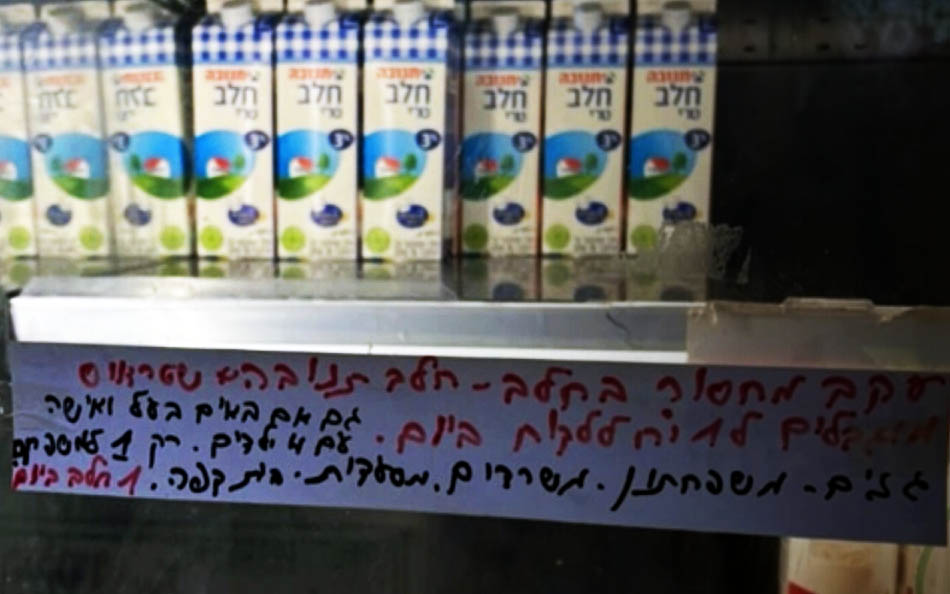
Grocery stores in Israel have been rationing milk over the past few weeks ahead of an expected nationwide shortage of the dairy staple during the upcoming Jewish High Holidays, starting later this month.
Shopping at a local Tiv Taam city grocery store in central Tel Aviv, this reporter was told by a staff member on Monday that there is a limit of two cartons of milk per customer, similar to the rationing at one of the all-night AM:PM convenience store chains in the same area. Consumers shopping at Rami Levy branches have also seen shortages, with regular milk disappearing from the shelves.
Meanwhile, online orders at Israel’s largest supermarket chains, including Shufersal, Victory, Hazi Hinam, and Carrefour, showed no restrictions on the sale of regular milk cartons.
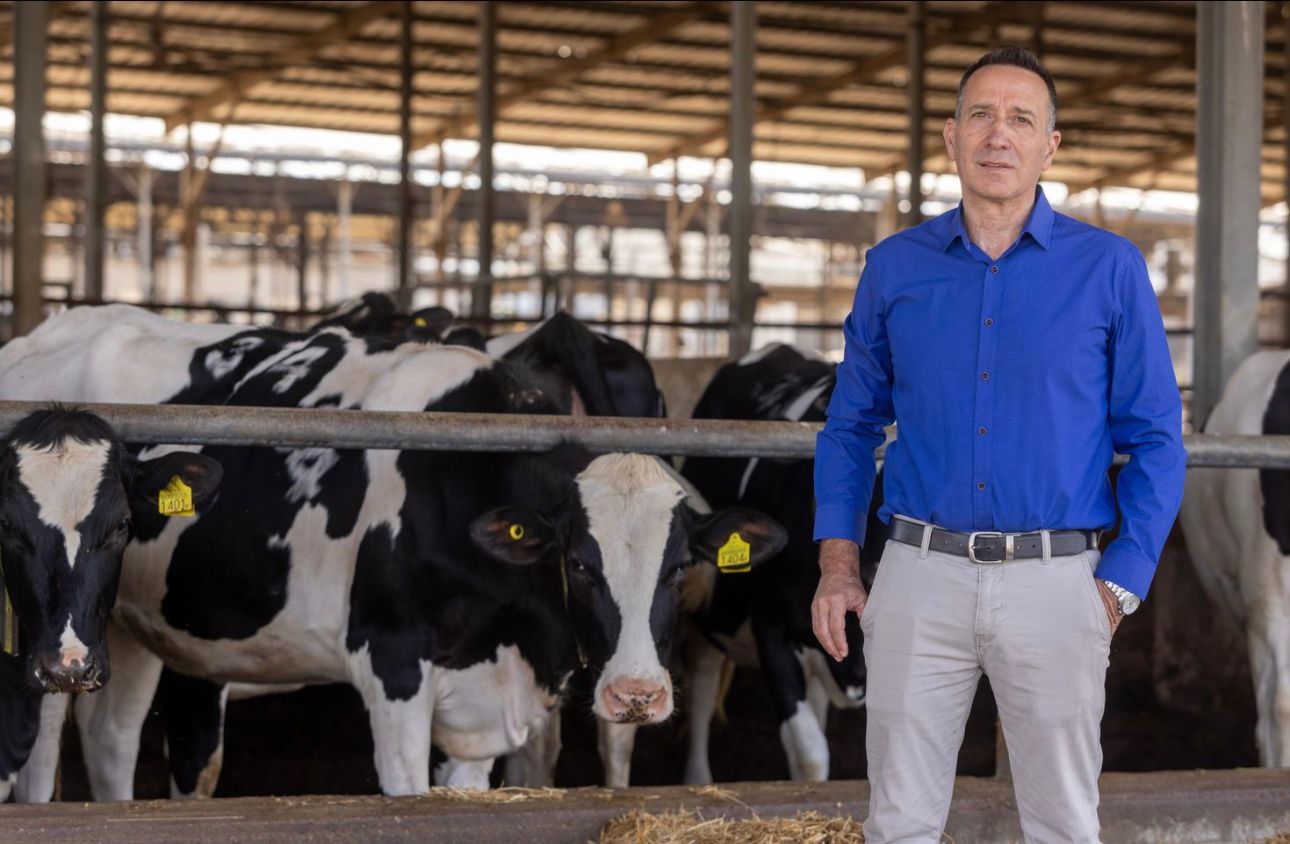
“This is just the beginning, as we are not yet experiencing much of a shortfall, but the real big shortage is expected on the eve and during the month of the Tishrei Jewish holidays [that begin with Rosh Hashanah at the end of September],” Itzhak Shnaider, CEO of the Dairy Council Israel, told The Times of Israel.
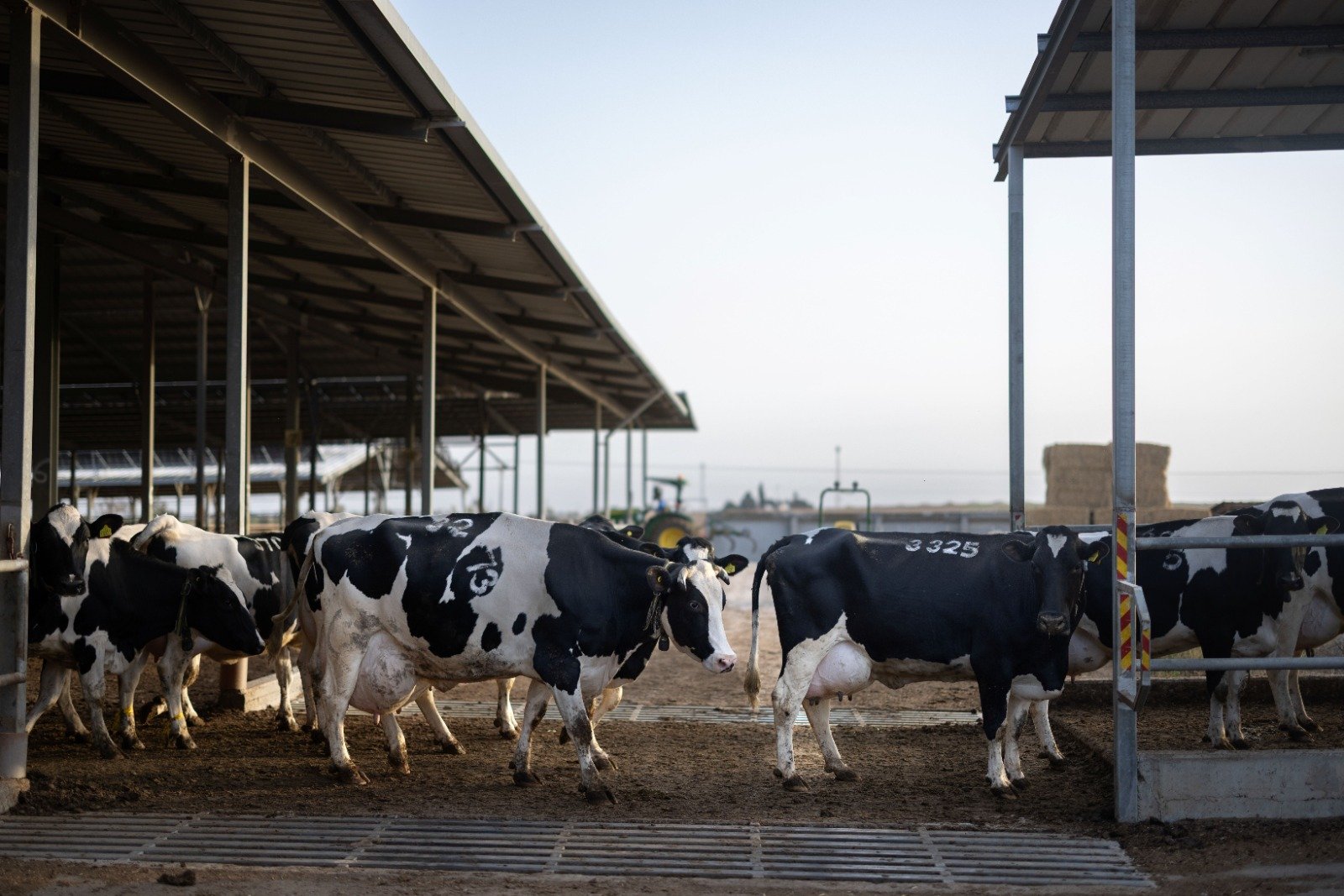
“There is no actual shortage of raw milk at dairy farms, which have managed to meet quotas and even produce above demand despite disruptions during the most challenging period over the past two years of war,” he noted.
“However, since the government has not acted in recent years to encourage investments in additional production lines for price-controlled milk for drinking, a move also recommended by the State Comptroller, the amount of milk production in dairies will not be enough to meet the expected demand.”
The High Holidays — Rosh Hashanah and Yom Kippur — followed immediately by Sukkot and Shemini Atzeret-Simchat Torah, starting later this month, will fall in the middle of the week, shutting milk production at dairies for a total of nine workdays. Production also ceases on Shabbat, to comply with kashrut constraints.
As a result, about six million liters of raw milk will not be processed by local dairy companies during the holiday month. The expected drop in production is already fueling demand by consumers, who are buying up the dairy staple from retail stores’ shelves. Heightened demand during the month of the Jewish holidays will further exacerbate milk shortages for consumers, Shnaider said.
The milk market in Israel is governed by centralized planning and state-approved quotas. The government determines the volume and sets the price of raw milk that dairy farmers sell to dairy producers. The dairies use the raw milk for the manufacturing of milk, cheese, and other dairy products in a process that is not regulated.
The milk industry is dominated by less than a handful of dairy producers, led by Tnuva, the country’s largest food manufacturer; alongside local foodmaker Strauss; Tara Dairy, owned by Israel’s local Coca Cola licensee Central Bottling Company Ltd.; and Golan Heights Dairies.
Currently, Tnuva controls about 75 percent of the production of price-controlled milk.
Tnuva, Strauss, Tara, and Tiv Taam were not available for comment when contacted by The Times of Israel.
The shortage of regular, price-controlled milk, the most popular basic good in Israel, is not a new or seasonal phenomenon. In recent years, dairy companies have claimed significant losses from the production and sales of price-controlled milk.
Since the state sets milk prices, dairies have been reluctant to increase production of it and other government-controlled dairy products. Instead, they have focused on the production and sale of more expensive dairy products, such as fortified, low-lactose, or chocolate milk drinks, which are not regulated, leading to shortfalls of regular milk during peak demand periods.
“Israel faces an expected shortage of price-controlled regular milk during the holidays – not because dairy farms are not producing enough, but because of bottlenecks at dairies, Shabbat and holiday restrictions, and a preference for producing high-profit premium products,” said agriculture entrepreneur Haim Alush. “The dairy farms produce enough milk; the problem is that the dairies can’t handle the load, which is creating an illusion of a milk shortage.”
“The result: Consumers will soon find themselves faced with empty shelves, while dairy farmers are forced to dump millions of liters of raw milk,” he added.
Alush, who organizes Israel’s annual agriculture conference taking place in Jerusalem this week, added, “If the shelves are empty, that’s because someone has a reason to want that shortage.”
Finance Minister Bezalel Smotrich recently signed an order waiving the up to 40% customs duty on imported milk for a period of six months, aiming to ease the shortage.
Over the past two years, the Finance Ministry has repeatedly lifted the customs tax on imported milk in an attempt to increase supply, encourage competition, and help lower prices for Israelis, who are struggling with a high cost of living during the challenging war period. However, the measures have not proven to be effective in luring more players into the dairy product market.
Previously, small volumes of milk imports have reportedly come from Poland and other Eastern European countries, where milk prices are about 30% lower than in Israel. However, there are economic and logistical obstacles to importing milk for a limited time, especially during a war, in addition to the added costs of transportation and kosher certification.
Shnaider said that the Dairy Council asked the government to allow non-Jews to work at the dairies during the holidays to avert a temporary milk shortage.
“Unfortunately, the government decided to punish the local dairy industry and chose to open milk imports for six months, well beyond the holiday period, and to reward Polish farmers and importers at the expense of Israeli dairy farmers,” said Shnaider.
“It is sad that even after two years of war in which dairy farmers and workers in the industry came under threat and operated under fire, risking their lives to provide food security, it is the state itself that is harming their livelihood precisely because they observe the laws of kashrut.”






The Times of Israel Community.