

Far-right MKs sport noose-shaped pins at hearing on controversial death penalty bill
Ben Gvir draws condemnation after display at Knesset meeting; MKs pushing bill mandating capital punishment are told its language may not be constitutional
 Add ToI as a Preferred Source on Google
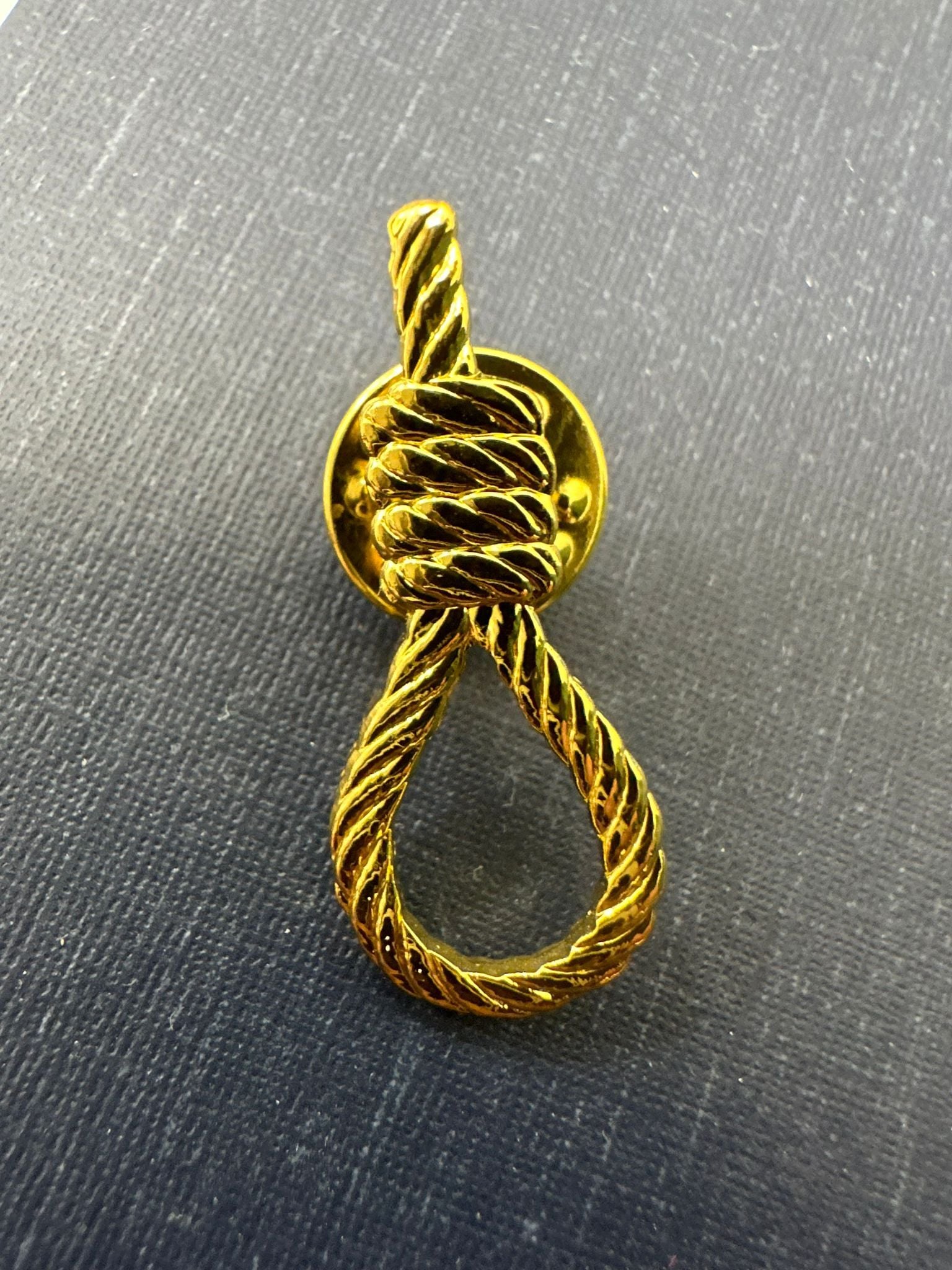
Lawmakers from the far-right Otzma Yehudit party wore noose-shaped lapel pins during a Monday committee meeting on a controversial bill they are pushing to legislate the death penalty for terror convicts, drawing condemnation from opposition figures.
The golden-colored pins were reminiscent of the yellow ribbons worn by most Israeli politicians and officials outside the far-right to show solidarity with hostages taken by Hamas on October 7, 2023.
The nooses were meant to symbolize the lawmakers’ “commitment to the demand for the death penalty for terrorists” and send “a clear message that terrorists are deserving of death,” National Security Minister Itamar Ben Gvir’s office said in a statement.
Ben Gvir heads the Otzma Yehudit, which is attempting to pass a bill allowing those convicted in deadly terror attacks to be put to death. Currently, capital punishment is reserved for extremely rare cases and has only been used a single time in the country’s history, the 1962 hanging of Nazi officer Adolf Eichmann, one of the architects of the Holocaust.
The pins were seen on Ben Gvir and four party MKs who attended a meeting of the National Security Committee to deliberate on the legislation, which passed its first reading in November, despite widespread opposition from rights groups and others.
During the hearing, Ben Gvir said that the noose is just “one of the options through which we will implement the death penalty law for terrorists.”
“Of course, there is the option of the gallows, the electric chair and also the option of euthanasia,” he said.
He insisted that despite the Israeli Medical Association’s stance against the bill, he has received “100 calls from doctors who said: ‘Itamar, just tell us when.’”
Opposition Leader Yair Lapid said in a Yesh Atid faction meeting later in the day that the pin-sporting lawmakers were tarnishing Israel’s already battered global reputation.
“Pictures of the pins with a noose are spreading throughout the world and causing indescribable damage,” he said.
The Democrats party chief Yair Golan also railed against the display.
“A noose on a minister’s lapel is not a policy statement — it’s a declaration of intent,” he wrote on X. “When a government uses the imagery of death to project strength, it is no longer fighting terrorism; it’s rehearsing dictatorship.”

Speaking to the committee, Public Defender’s Office attorney Gil Shapira said that the legislation should not advance. “A great many countries in the world do not implement it, and the trend is in fact to abolish it,” he stressed.
A notice from the committee’s legal counsel warned lawmakers that the legislation may not be constitutional. The document did not oppose the death penalty on principle, but only so long as it could be used as a deterrent and not a punitive measure, noting its irreversible nature.
“In light of the inherent difficulty in the death sentence, in which there is no going back from, and in order to limit — if not prevent entirely — the possibility that innocents will be convicted and sent to their death, it is in our opinion correct to tighten the conditions for using the death penalty,” the document read.
Among the bill’s problematic aspects are its potential to harm judicial discretion by enacting the death penalty as a mandatory sentence in certain circumstances, its application to Palestinians under Israeli military rule in the West Bank and conflict with international treaties to which Israel is signatory, the advisory read.
According to the bill’s text, the death penalty will apply to anyone who intentionally or recklessly causes the death of an Israeli citizen, when the act is committed “with the purpose of harming the State of Israel and the rebirth of the Jewish people in their homeland.”
The committee’s legal team said that the offense detailed in the bill is far too vague, which could make it hard to interpret while in use.
Moreover, the notice took issue with the specification that the victim must be an “Israeli citizen,” since it means that the death penalty will not apply in cases where victims of terrorism are permanent residents or foreigners residing in the country.
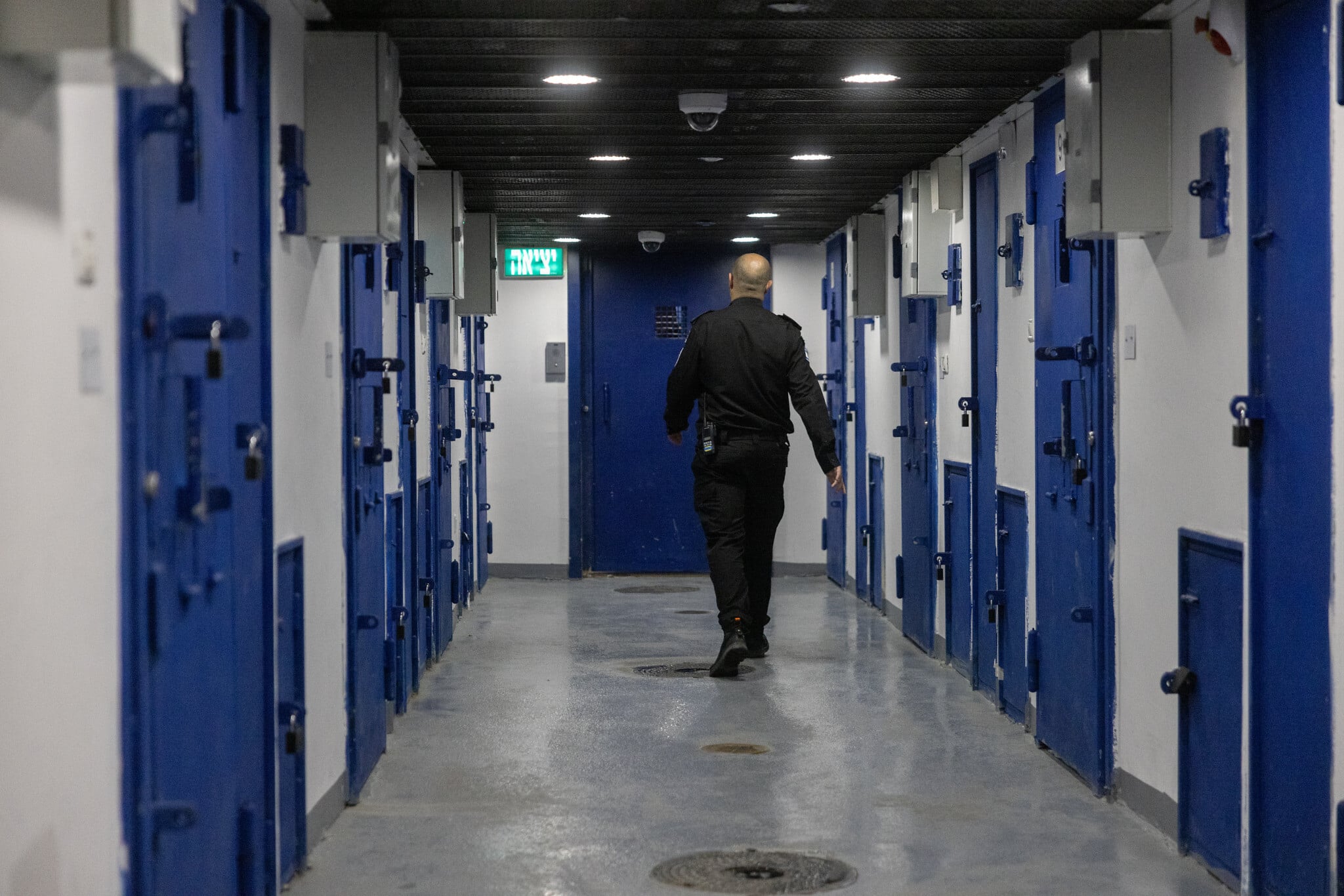
During the meeting, Ben Gvir also expressed pride over increasingly dire conditions for Palestinian security prisoners on his watch, in light of surging deaths among the population.
“This morning, I saw that it was published that under Itamar Ben Gvir, 110 terrorists have died. They said there has never been anything like this since the state’s founding,” he said.
He shrugged off a recent audit from the Public Defender’s Office attesting to deteriorating conditions for security prisoners, including severe hunger, beatings by guards and scabies outbreaks that spread quickly throughout tiny, overcrowded cells.
He denied that the Prison Service had a hand in the deaths, claiming they “arrived sick or died from various injuries,” but added that he has no misgivings over ending the so-called summer camp that purportedly existed in Israeli detention facilities before his term.
Ariela Karmel contributed to this report.










The Times of Israel Community.