

From Hamas to Red Cross to the IDF in Gaza: How the hostage releases will be handled
IDF says ready to manage simultaneous release of all 20 living captives if Hamas frees them together; IDF retains control of 53% of Gaza following retreat after deal ratified

 Add ToI as a Preferred Source on Google
Emanuel (Mannie) Fabian is The Times of Israel's military correspondent

Israeli officials on Thursday set out the process by which the military will handle the release of hostages, under the first phase of US President Donald Trump’s plan for peace in Gaza.
The Israeli government convened on Thursday evening to officially ratify the Gaza hostage release and ceasefire agreement, after which the Israel Defense Forces pulled back troops in the Strip, in a redeployment that it completed on Friday. The army remains in control of just over half of the Strip’s territory, or 53 percent — most of which is outside of urban areas.
The IDF also retain control of a buffer zone along the entire Gaza border, including the Philadelphi Corridor — the Egypt-Gaza border area — along with Beit Hanoun and Beit Lahiya in the Strip’s far north, a ridge on the eastern outskirts of Gaza City, and large portions of Rafah and Khan Younis in southern Gaza, the officials said.
Within 72 hours of the IDF’s retreat, Hamas was required to release the 48 hostages it is holding, beginning with the 20 believed to be alive. The terror group has, in the past, told mediators it does not know where some of the bodies of slain hostages are located, which may delay the release of some of the bodies.
The living hostages will be handed over to Red Cross representatives by Hamas without a release ceremony. The Red Cross will then bring them to IDF troops waiting inside Gaza, the officials said.
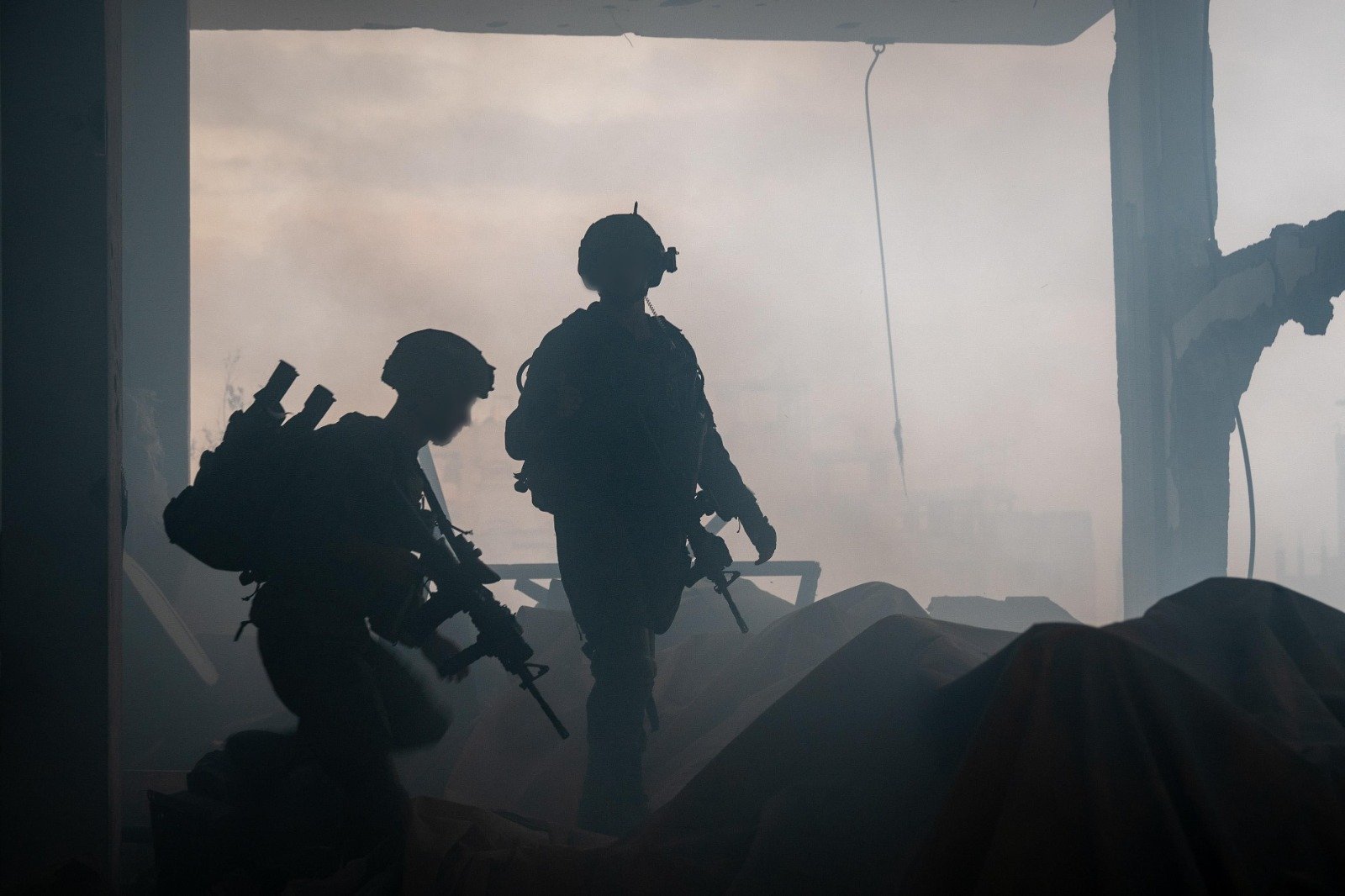
The hostages will then be escorted outside of Gaza to the military’s Re’im base near the border for an initial physical and mental health checkup. Some family members of the hostages are expected to wait at the Re’im facility for their loved ones.
The IDF says it is prepared to handle the simultaneous release of all 20 living hostages if Hamas chooses to free them all together.
Later, the hostages and their families will be taken to hospitals in central Israel for additional treatment and to meet other family members.
Hostages requiring immediate medical attention will be airlifted to Soroka Medical Center in Beersheba without going through the Re’im facility.
The bodies of dead hostages are set to be received by troops in Gaza, where a small ceremony, led by a military rabbi, will be held in their honor. The caskets are also to be examined by sappers “for security purposes,” according to the IDF.
The caskets with civilian hostages will then be taken to the Abu Kabir forensic institute for identification, which may take up to two days. The bodies of soldiers will be taken to the IDF’s Shura Camp for identification.





The Times of Israel Community.