

German government pledges record $1 billion in funding for Holocaust survivor home care
The budget reflects the growing needs of an aging survivor population and will now enable all Holocaust survivors on waitlists for home care to receive it
 Add ToI as a Preferred Source on Google
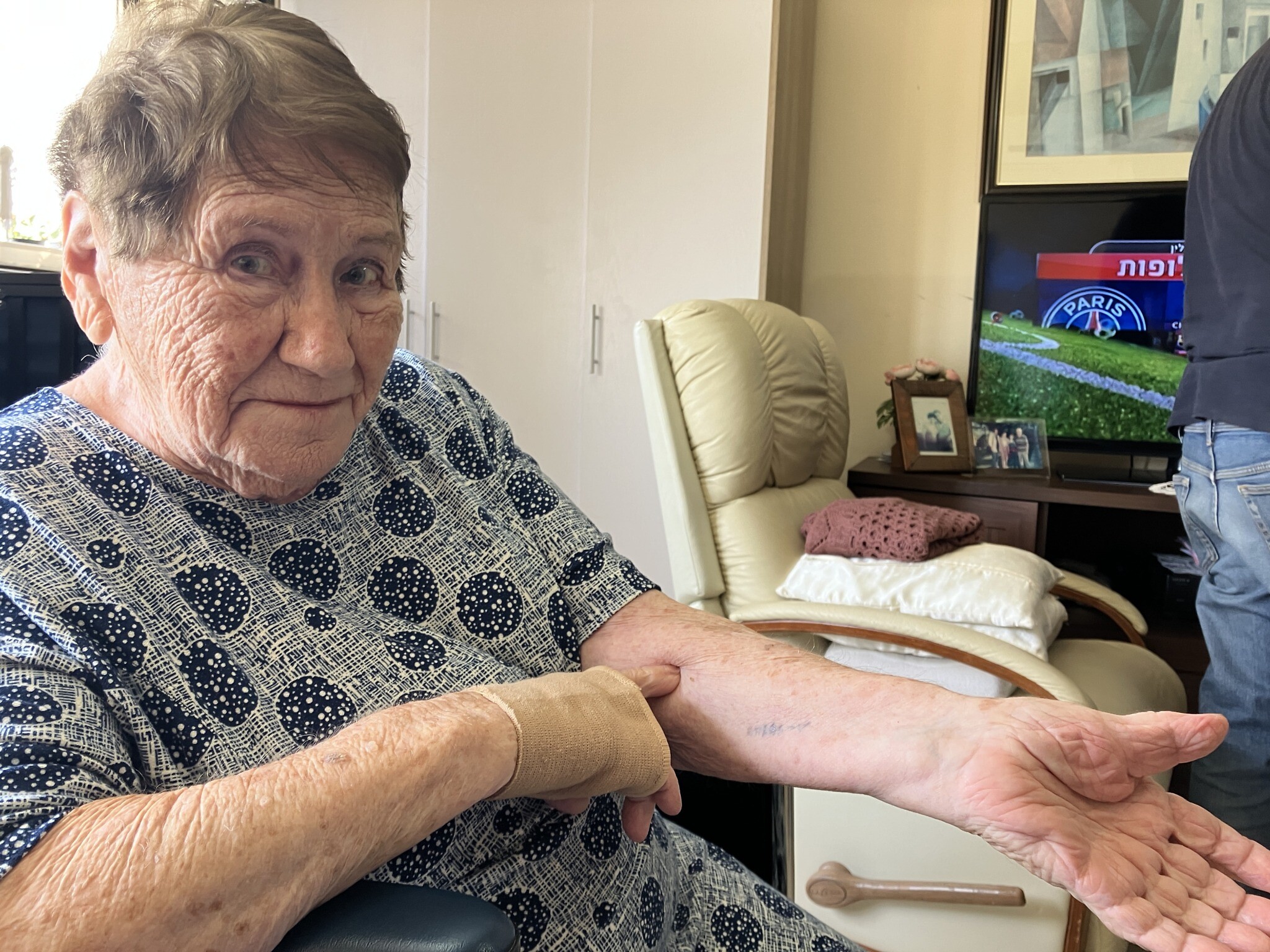
JTA — The German government has agreed to allocate $1.08 billion in funds for home care for survivors for 2026, marking the largest budget for home care in its history of Holocaust reparations, reflecting the growing needs of an aging survivor population.
The funding, which was secured following negotiations with the Conference on Jewish Material Claims Against Germany, or Claims Conference, will now enable all Holocaust survivors currently on waitlists for home care to receive it, according to Stuart E. Eizenstat, who leads negotiations on behalf of the Claims Conference.
“We really believe now that, with the largest home care budget in the history of the Claims Conference’s negotiations with Germany, which go back to 1952, that we will be able to cover all those on waiting lists,” Eizenstat said in an interview.
Last year, Germany also set a record for Holocaust reparations, spending $1.5 billion overall. But as the survivor population ages, with the median age now at 87, the need for home care has become the dominant expense.
Nearly all of the Holocaust survivors who are alive today will be dead within 15 years and half will die by 2031, according to a demographic analysis published by the Claims Conference in April.
“As we’re in the last phase now of survivors — in 10 years, half of the survivors, and there’s about 200,000 now, will be gone — so we’re dealing with people in the very last stages of their life and and it’s very rewarding to provide a measure of dignity, both through these payments, but again, through home care,” Eizenstat said.
One difficulty during the negotiations, according to Eizenstat, came from explaining to German officials that although the survivor population has dramatically decreased over the years, the needs among the remaining population are much greater and require additional funding.

“Yes, there are fewer survivors, but those who live into their 80s and into their 90s are by definition in greater need of care,” said Eizenstat. “So even though the numbers are down, the needs are up, and that was a very difficult concept to get across.”
Eizenstat said that of the remaining estimated 200,000 survivors, over 80% of the population in countries that made up the Soviet Union are living below or near the poverty line. In the United States and Israel, around a third are living in or near the poverty line.
“I’m hoping that this can prompt local federations to supplement what we’ve done and to make sure that survivors in their last years don’t live impoverished, that they have a dignity that was denied them when they were young,” said Eizenstat.
He added that this year’s negotiations had been the “most satisfying” since he began helming the organization’s Negotiations Delegation in 2009, given the distance of current-day Germans from the atrocities and the challenge posed by Germany’s economic crisis.
“These are people who literally weren’t born during the war, or if they were, they were young children, and yet they still feel a moral responsibility,” Eizenstat said. “It belies the notion that there’s Holocaust fatigue in Germany because it’s coming at a time of crushing financial burdens from Ukraine, from the need to stimulate their economy because of slow growth. This really is a combination of what Germany deserves great credit for under difficult circumstances.”
The negotiation also secured funding for a group the Claims Conference referred to as “Righteous Rescuers,” or non-Jewish people who risked their lives to save Jews during the Holocaust.
“It demonstrates that we care deeply about making sure they get all the benefits of the Jewish survivors that they helped save,” said Eizenstat.
The German government also extended its support for Holocaust education programs through 2029, totaling $205 million over the next four years. The Claims Conference first negotiated support for Holocaust education from Germany in 2022.
“The survivors, the eyewitnesses, won’t be here, and we need Holocaust education desperately at a time of rising antisemitism, Holocaust distortion, denial and sheer ignorance,” Eizenstat said.
Eizenstat said he hopes the expanded funding for survivor care and Holocaust education will also carry a broader message about tolerance and empathy.
“I hope that these are the two major things that will draw as lessons and they remind us, at a time of traumatic intolerance in the United States and over the world, against minorities and others, that the real lesson of the Holocaust is to be tolerant of people who are different, to work out your differences and not to stigmatize,” Eizenstat said. “We need to be tolerant. We need to be humane. We need to all work together to solve our problems and not view each other as enemies.”










The Times of Israel Community.