

High Court rejects petitions against Shin Bet chief’s appointment
Supreme Court President Amit dissents, saying advisory committee failed to properly evaluate ‘ethical’ concerns over Netanyahu’s role in appointing David Zini
 Add ToI as a Preferred Source on Google
Jeremy Sharon is The Times of Israel’s legal affairs and settlements reporter
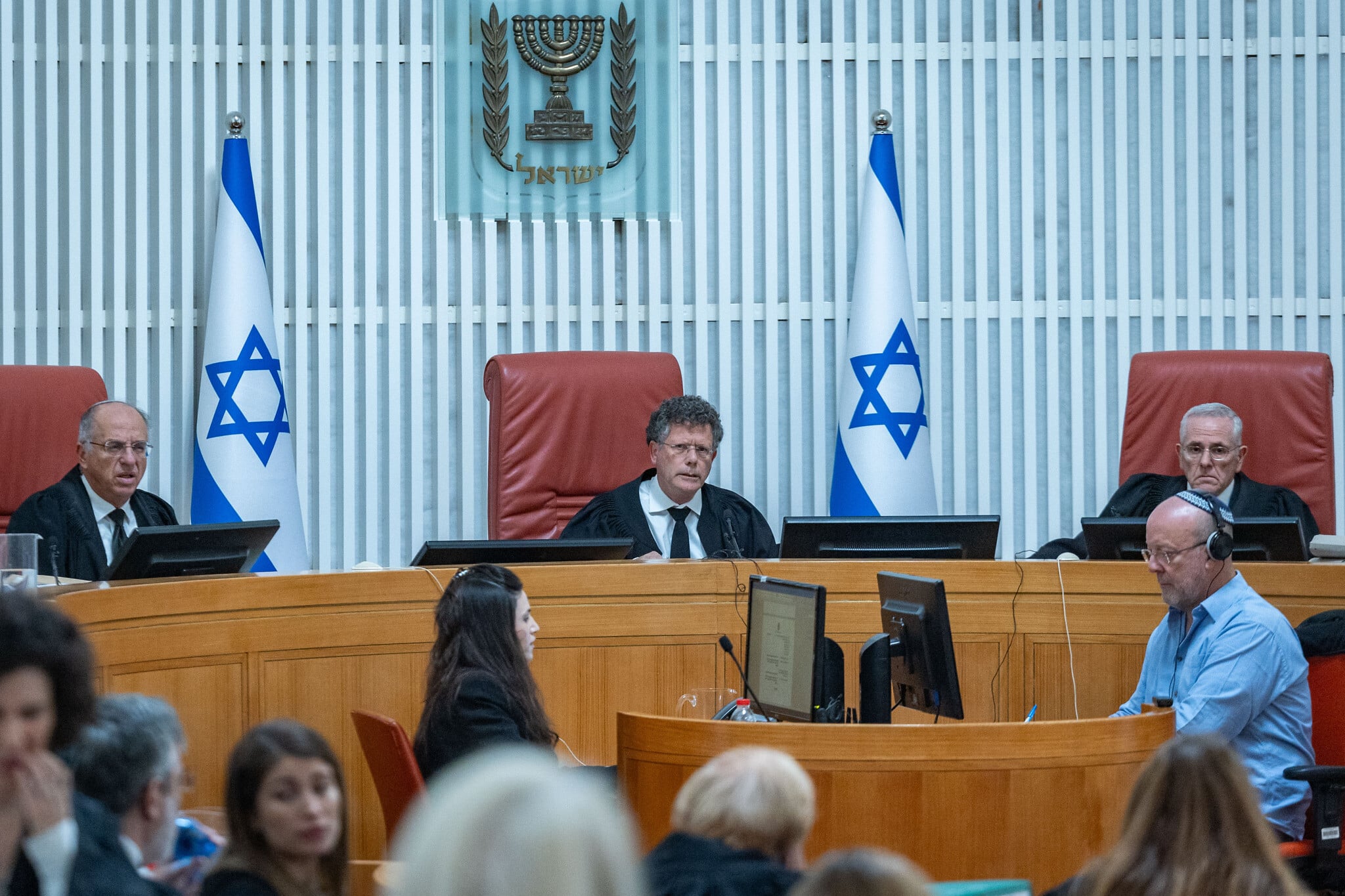
The High Court of Justice on Sunday, in a 2-1 vote, rejected petitions filed against the appointment of David Zini as head of the Shin Bet. Zini entered his role on October 5, with the court having declined the petitioners’ request to freeze his appointment until there was a final ruling on the matter.
Deputy court president Noam Sohlberg, writing for the majority, pointed out that the advisory committee that deliberated on Zini’s appointment had found his candidacy acceptable, and had also reviewed and approved Prime Minister Benjamin Netanyahu’s role in selecting Zini as his candidate.
Supreme Court President Isaac Amit dissented, saying the advisory committee had not satisfactorily examined whether it was appropriate for Netanyahu to nominate a candidate given the ongoing criminal investigations into the premier’s close aides over the Bild and Qatargate scandals.
Justice David Mintz joined Sohlberg in ruling against the petitions.
The petitioners argued that the advisory committee, headed by former Supreme Court president Asher Grunis, did not properly evaluate Zini’s qualifications and ethical track record.
They also argued that the committee did not sufficiently examine whether Netanyahu should be able to nominate a new Shin Bet chief, since he would be nominating the head of an agency which was, together with the police, investigating the Bild and Qatargate affairs involving his close aides. This, the petitioners argued, created a conflict of interest.

Sohlberg rejected these arguments, pointing out that a ruling issued in July based on agreements between the Attorney General’s Office and the prime minister detailed exactly how the next Shin Bet chief would be appointed in a specific process tailored to the circumstances of the investigations into Netanyahu’s aides.
The court allowed Netanyahu to select a candidate who would be assessed by the advisory committee, and stipulated that the attorney general would draw up a conflict of interest agreement with the new Shin Bet chief regarding those two investigations.
The petitions’ claims regarding Netanyahu’s alleged conflict of interest in nominating Zini were therefore not pertinent, since the court had already addressed the issue in its July ruling.
Sohlberg also rejected claims against Zini’s qualifications and ethical conduct, saying the advisory committee that had found him suitable had greater expertise on the matter than the court.
Amit dissented, insisting that the advisory committee had been required to examine the ethical conduct not only of Zini, but also of Netanyahu as the appointing official.
Amit wrote that the committee had failed to broadly evaluate Netanyahu’s ethical conduct in selecting Zini, in particular the possibility that the prime minister had ulterior motives in choosing him.
Amit was therefore of the opinion that Zini’s appointment should be returned to the advisory committee for further, more complete review, although he noted that throughout Zini’s career in the IDF, there had been no blemish on his “honesty or personal and professional integrity.”
The Movement for Quality Government in Israel, one of the organizations that petitioned against Zini’s appointment, said it respected the ruling, but added that the ongoing Qatargate scandal affair underlined why Zini, as an appointee of Netanyahu, must not be involved in that probe at all.










The Times of Israel Community.