

IDF to receive ‘Iron Beam’ laser interceptors at the end of the month
The system, which has been in development since 2014, will ‘fundamentally change’ rules of engagement, Defense Ministry official says; next-gen versions already in the works
 Add ToI as a Preferred Source on Google
Emanuel (Mannie) Fabian is The Times of Israel's military correspondent
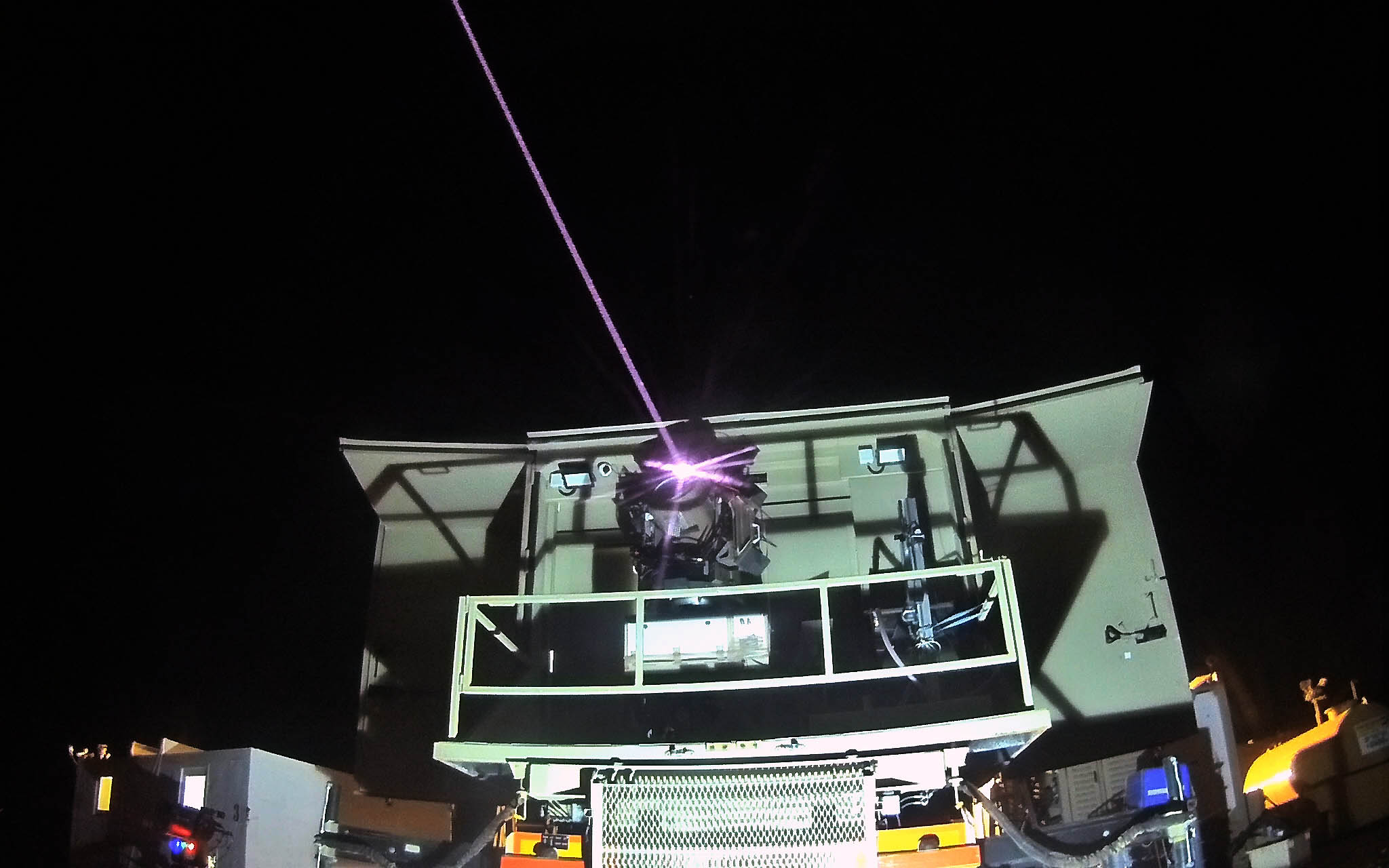
Israel’s high-powered laser interception system, dubbed “Iron Beam,” will be delivered to the military at the end of the month, the head of the Defense Ministry’s Directorate of Defense Research and Development said Monday.
Speaking at the DefenseTech Summit, DDR&D head Danny Gold said that “with development complete and a comprehensive testing program that has validated the system’s capabilities, we are prepared to deliver initial operational capability to the IDF on December 30, 2025.”
The Iron Beam has been in development for over a decade, after it was first unveiled in 2014. It was declared operational in September after completing development and final tests.
“The Iron Beam laser system is expected to fundamentally change the rules of engagement on the battlefield. Simultaneously, we are already advancing the next-generation systems,” Gold said, speaking at the International DefenseTech Summit led by the DDR&D, in collaboration with the Blavatnik Cyber Research Center at Tel Aviv University.
During the conflict with Hezbollah, which ended in a ceasefire last November, the IDF’s newly revived 946th Air Defense Battalion, which operates anti-drone systems, used a lower-powered and shorter-range version of the system to shoot down some 35 drones launched at northern Israel from Lebanon.
The Iron Beam, developed by Rafael Advanced Systems Ltd., is not meant to replace the Iron Dome or Israel’s other air defense systems, but to supplement and complement them, shooting down smaller projectiles and leaving larger ones for the more robust missile-based batteries such as the David’s Sling and Arrow systems.

As long as there is a constant source of energy for the laser, there is no risk of it ever running out of ammunition. Officials have hailed the system as a potential “game-changer” in the battle against projectile attacks.
In June, Rafael showcased at the Paris Air Show its family of “high-energy laser weapon systems,” including the Iron Beam 450, an upgraded version of the Iron Beam; the Iron Beam M, a compact and mobile version of the laser interceptor, designed to be mounted on a truck and used by ground forces or to protect strategic sites; and the Lite Beam, a lightweight, compact, and lower-powered laser interceptor designed to be mounted on armored personnel carriers or other armored vehicles during ground operations.
The main downside of a laser system is that it does not function well in low visibility, including heavy cloud cover or other inclement weather.
Earlier this year, the Defense Ministry symbolically renamed the system in Hebrew from Magen Or (Light Shield) to Or Eitan (Eitan’s Light) after Cpt. Eitan Oster, 22, a commander in the Egoz Commando Unit who was killed fighting Hezbollah in southern Lebanon in October 2024.
Oster’s father, who works for the DDR&D, was among the “initiators and developers” of the Iron Beam project, the ministry said at the time.
Drone smuggling threats
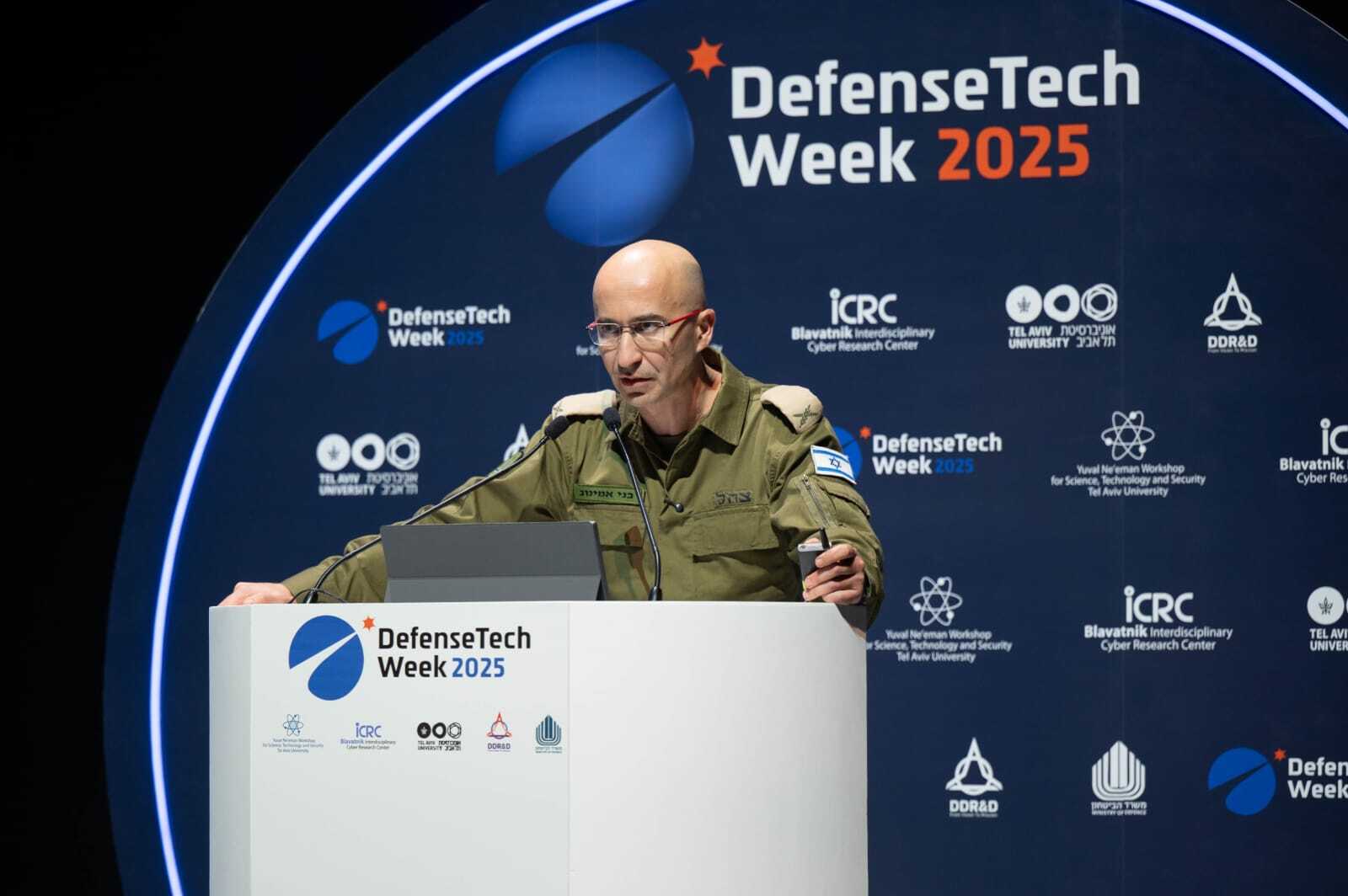
Separately, the head of the Defense Ministry’s military research and development unit said at Monday’s conference that the threat of drones crossing Israel’s borders was “moving toward a solution.”
“In recent weeks, we have achieved a technological breakthrough in enemy drone detection, and we are now working on interception solutions using drone-based systems that enable response to swarm scenarios while accelerating the development of new directed-energy weapons,” said Brig. Gen. Benny Aminov.
“The issue of low-altitude threats is an example of a challenge that requires our defense establishment to fundamentally change its operational approach, responding within compressed timeframes, spiral development, accelerating testing during the development process, and bridging small defense-tech companies with major defense contractors,” he said.
“Enemies continue to evolve in this learning competition. This drives us to develop robust solutions, and it is here that directed-energy weapons demonstrate their unique strength. Their distinctive characteristics enable us to address even the unknown unknowns — threats we don’t yet know we face,” Aminov added.
In the past year, there have been frequent attempts to bring weapons and drugs over the Egyptian border using drones, with the military struggling to detect and shoot down the relatively small devices.










The Times of Israel Community.