

Israel bars 37 nonprofits from Gaza and West Bank for not abiding by new guidelines
Jerusalem says move won’t affect aid; delicensing comes as 10 foreign ministers decry ‘renewed deterioration of humanitarian situation’ in Gaza as rain floods tents
 Add ToI as a Preferred Source on Google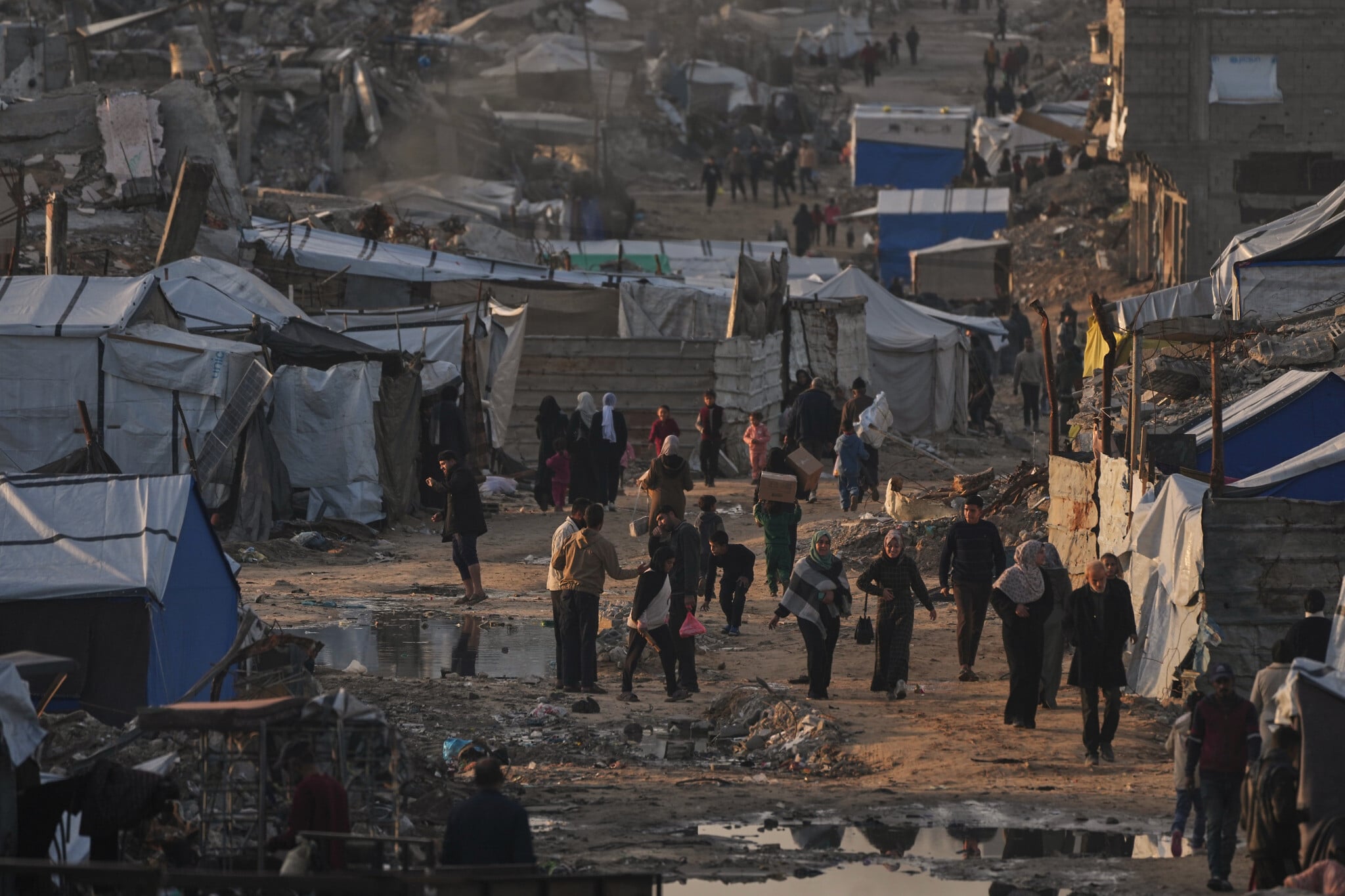
The licenses of 37 international nonprofits operating in Gaza and the West Bank will expire on January 1, the Diaspora Affairs Ministry announced Tuesday, saying the groups did not comply with stringent new requirements to register with the government.
The announcement came as the foreign ministers of 10 nations on Tuesday expressed “serious concerns” about a “renewed deterioration of the humanitarian situation” in Gaza, saying the situation as winter has intensified was “catastrophic.”
The Defense Ministry said the expiration of the licenses will not affect aid provision in Gaza, where humanitarian groups continue to claim Israel is letting in too little assistance. The Diaspora Ministry described the new rules, instituted in March, as a safety measure meant to weed out NGO workers with ties to terror groups.
“The message is clear: Humanitarian assistance is welcome – the exploitation of humanitarian frameworks for terrorist purposes is unacceptable,” Diaspora Affairs Minister Amichai Chikli said in a statement. “Israel will continue to protect its sovereignty, its citizens and the integrity of humanitarian action.”
The rules mean that, soon, some of the most prominent nonprofit groups working with Palestinians will no longer be allowed to operate in Gaza or the West Bank. The deadline for the groups to stop operations is March 1.
The list includes multiple branches of Doctors Without Borders and Oxfam, the Danish and Norwegian Refugee Councils, Caritas Internationalis, an umbrella for Catholic charities, the Quaker-founded American Friends Service Committee and the International Rescue Committee.
The 10 foreign ministers — including those of the UK, France, Canada and Japan — said in their statement that the nonprofits must be allowed to operate in Gaza in a “sustained and predictable” way.
“As 31 December approaches, many established international NGO partners are at risk of being deregistered because of the government of Israel’s restrictive new requirements,” the statement said.
The new rules required foreign nonprofits to file a raft of documentation about their organization and operations. They had to submit a list of all foreign and Palestinian employees involved in their operations, and provide those workers’ passport and personal identification numbers.
The resolution also enables an inter-ministerial team designated to review applications to deny registration to NGOs for a wide range of reasons. An organization can be disqualified if it denies the existence of the State of Israel as a Jewish and democratic state; “promotes delegitimization campaigns” against Israel; or if it, or any officeholder, has called for a boycott of Israel, among numerous other conditions.
The Diaspora Affairs Ministry, which was designated by the government resolution to lead the registration process, insists that the new regulations are necessary due to what it says are findings by the security services that some NGO workers have been involved in terrorist activities.
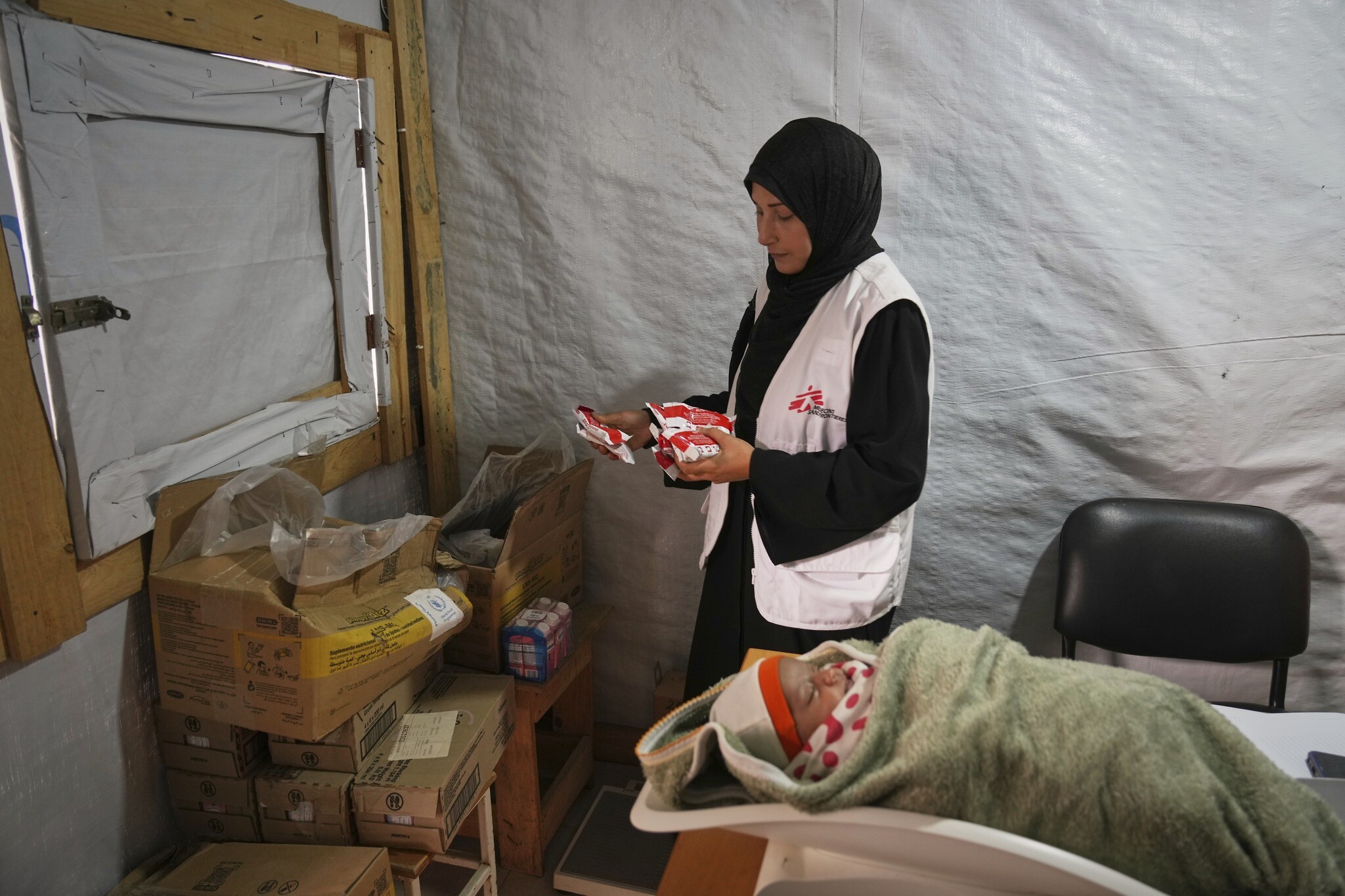
It cited two such workers who were employed by Doctors Without Borders, otherwise known as Médecins Sans Frontières or MSF. In 2024, they were found to be members of the Hamas and Islamic Jihad terror groups, respectively.
International organizations have claimed that Israel’s rules are arbitrary and could endanger staff.
When contacted, MSF said it “would never knowingly employ people engaging in military activity.” It added, “Any employee who engages in military activity would pose a danger to our staff and our patients.”
The ministry says the organizations in question, including MSF, have had 10 months to submit their registration application based on the new requirements, and that the original deadline they were given, for September, was extended to the end of December to enable them to meet the demands of the registration process.
Although the organizations could technically continue operations in Gaza without an Israeli license, they would need to enter and exit through Egypt, which is not currently possible. The operational need to coordinate activities in Gaza with Israeli authorities would also make such operations practically impossible.
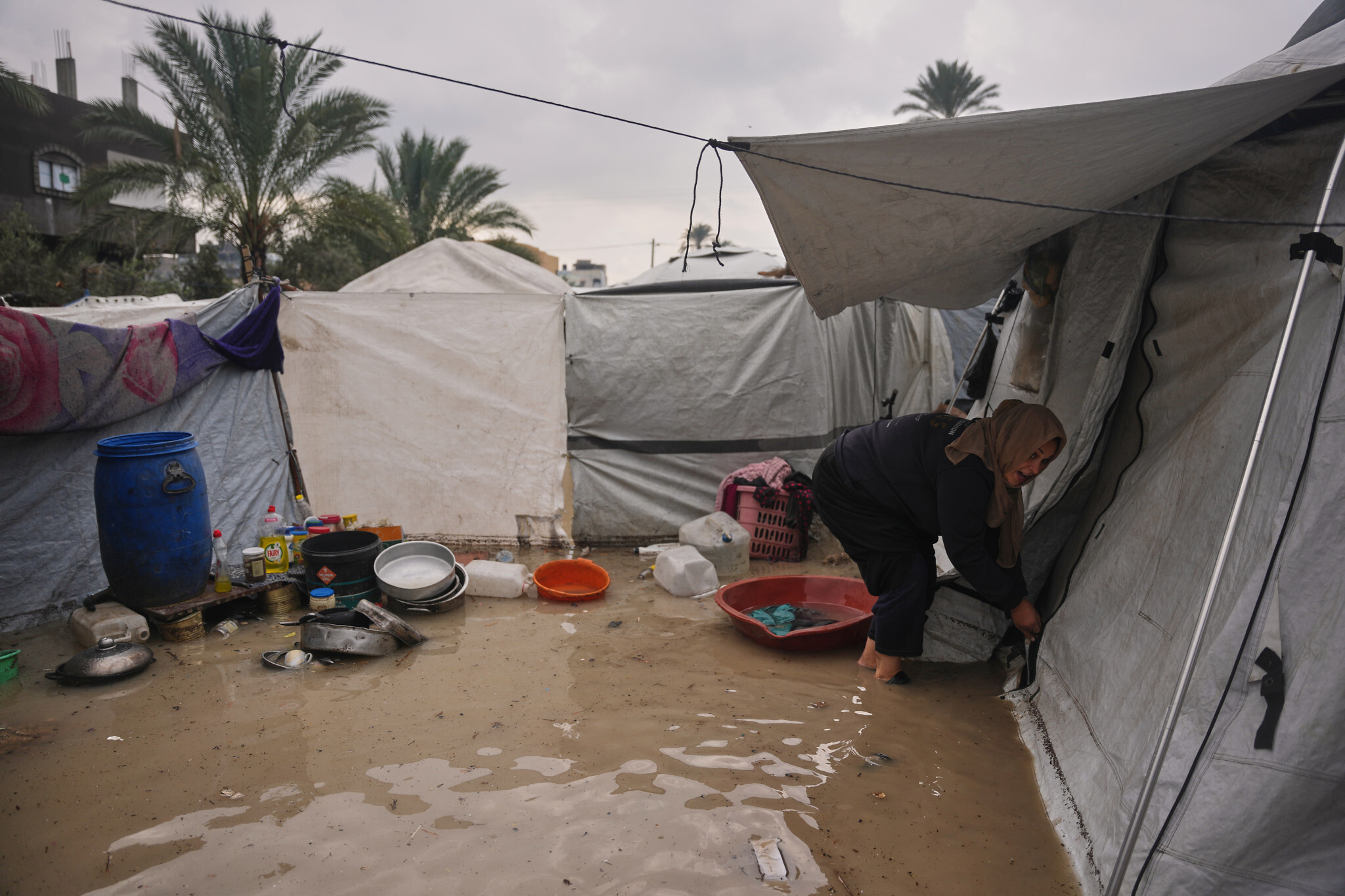
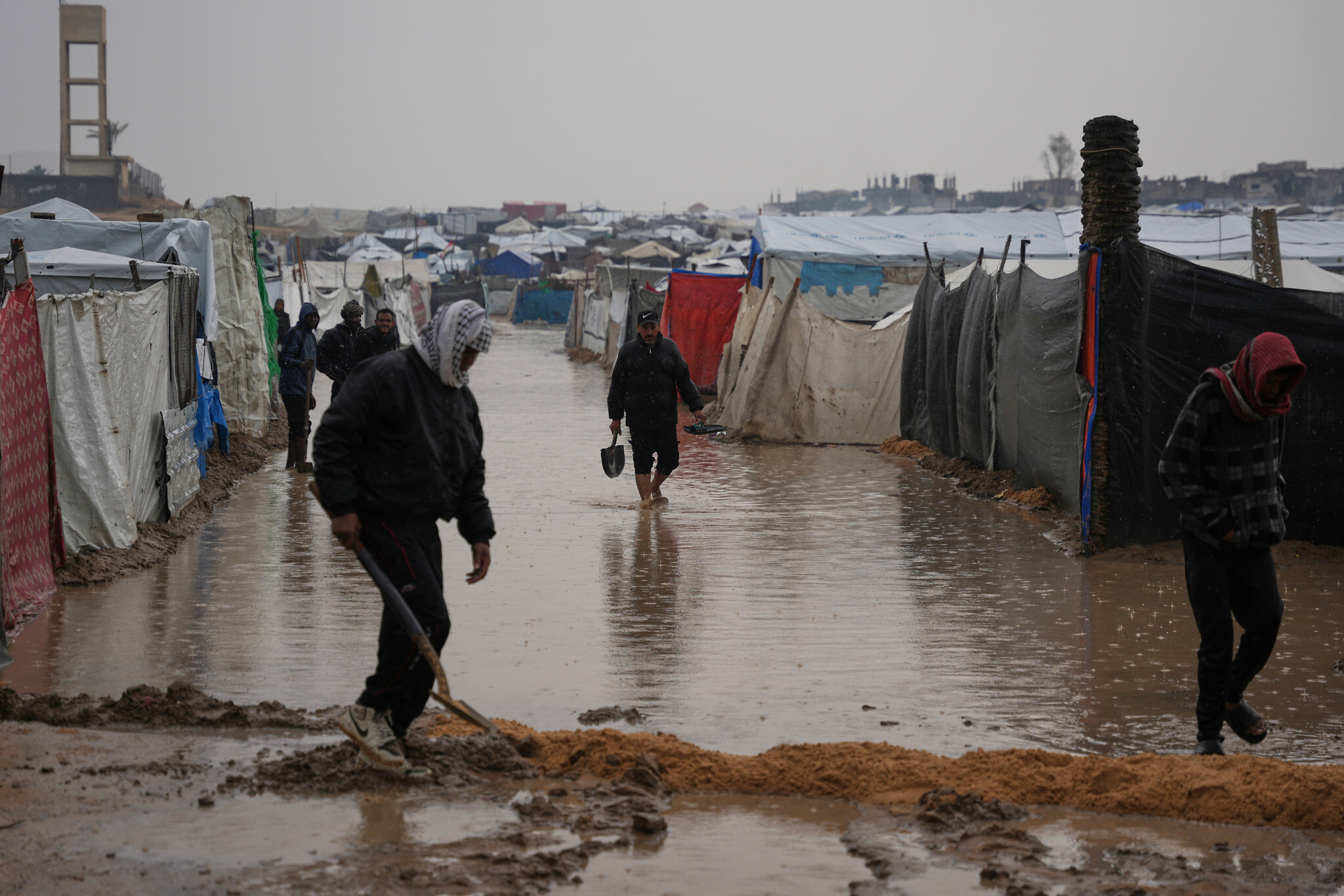
International outcry over the humanitarian situation in Gaza, meanwhile, continues nearly three months into the current ceasefire. Concern has heightened in recent weeks as heavy winter rains have flooded tents and led to the collapse of damaged buildings.
“As winter draws in, civilians in Gaza are facing appalling conditions with heavy rainfall and temperatures dropping,” the foreign ministers said in their statement, which was released by the UK’s Foreign Office.
“1.3 million people still require urgent shelter support. More than half of health facilities are only partially functional and face shortages of essential medical equipment and supplies. The total collapse of sanitation infrastructure has left 740,000 people vulnerable to toxic flooding,” the statement added.
It also called for the United Nations and its partners to be able to continue their work in Gaza and for the lifting of “unreasonable restrictions on imports considered to have a dual use.” This included medical and shelter equipment.
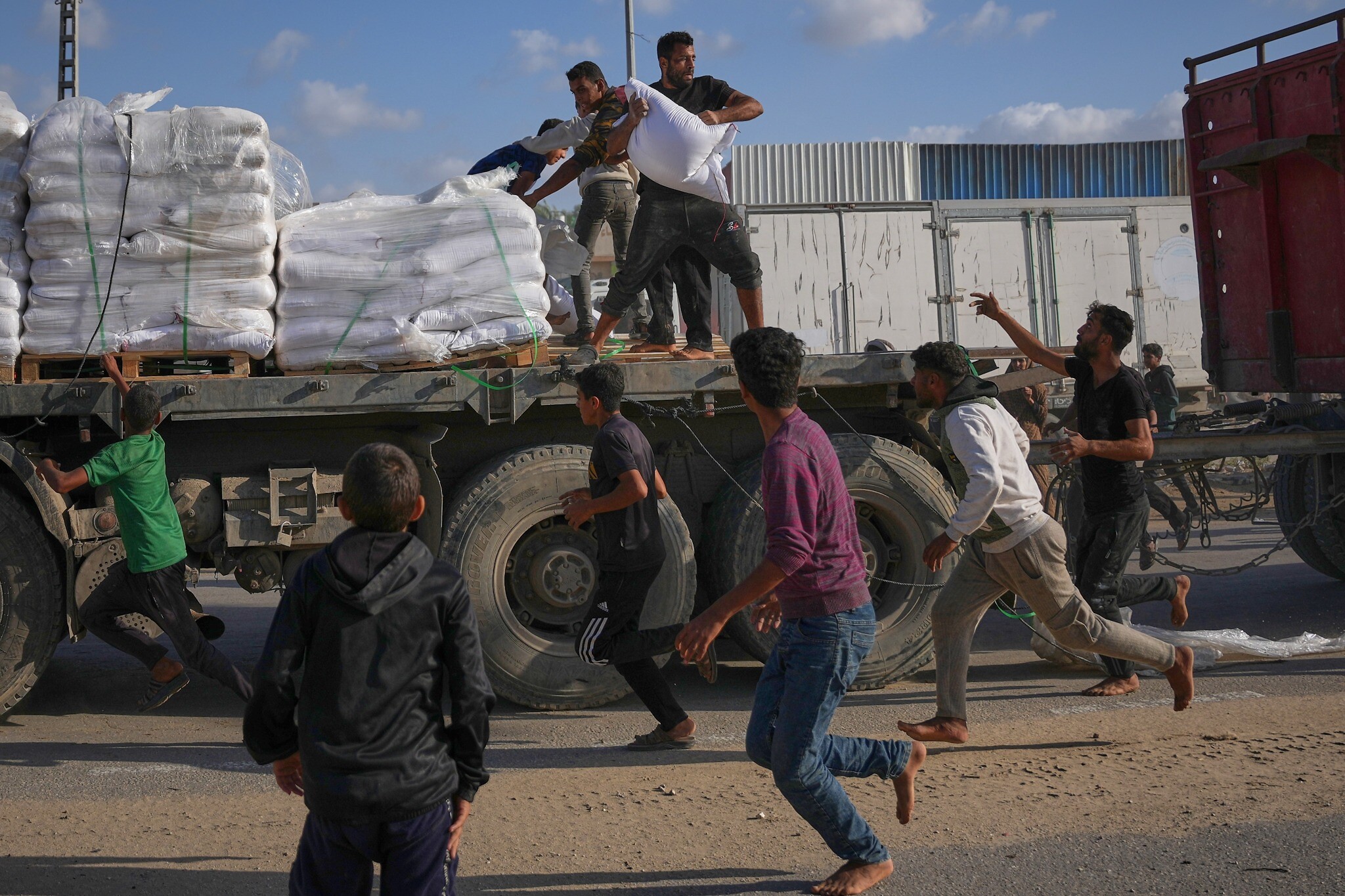
The COGAT agency of the Defense Ministry, which coordinates the supply of humanitarian aid to Gaza, has said that sufficient food and shelter materials are entering Gaza. It also insists that the provision of aid to the territory will not be affected by the revocation of NGO licenses.
The 37 organizations in question did not provide aid to Gaza since the beginning of the current ceasefire on October 10, the agency said. Before the ceasefire, it added, their total contribution “amounted to only about 1% of the total aid volume.”
COGAT asserted that the registration process is designed “to prevent the exploitation of aid by Hamas,” which it says has worked under the cover of international aid organizations for “the diversion of aid, the use of local employees for terrorist purposes, and the transfer of funds from terror-linked sources.”








The Times of Israel Community.