

IDF said to detain Islamic Jihad operative in Gaza amid hunt for final hostage’s body
Palestinian sources tell Asharq al-Awsat Israeli forces nabbed terror group member in Hamas-held area of the Strip; army denies report it shifted Yellow Line
 Add ToI as a Preferred Source on Google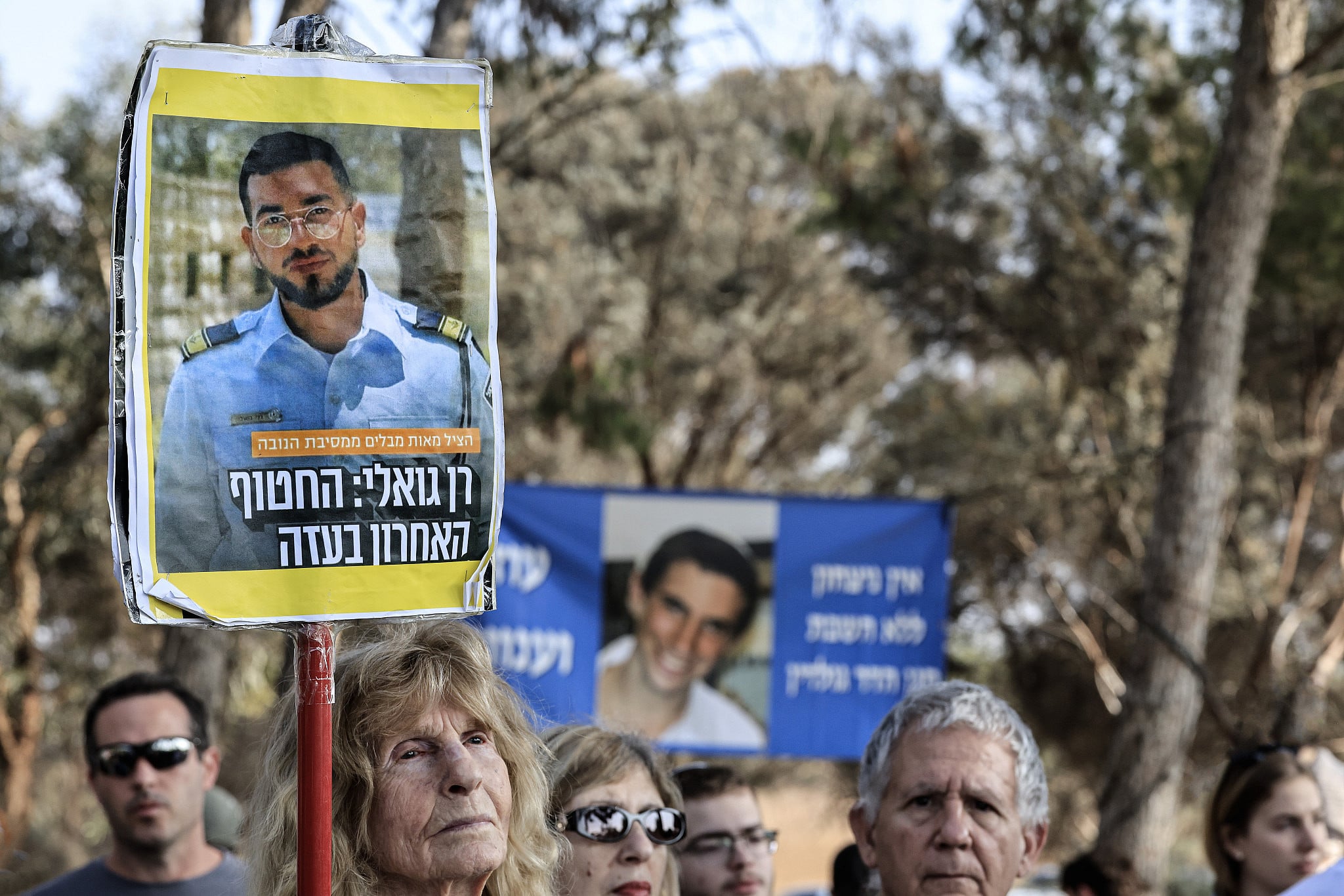
Covert Israeli forces on the Hamas-controlled side of the Gaza ceasefire line have reportedly detained a Palestinian Islamic Jihad operative linked to the abduction of slain police officer Ran Gvili, the last Israeli hostage still being held in the Strip.
According to the Saudi-owned outlet Asharq al-Awsat, the unnamed operative is part of the al-Quds Brigades, PIJ’s armed wing, and was active in Gaza City’s eastern Zeitoun neighborhood, which is bisected by the ceasefire line, known as the Yellow Line.
Citing local sources and sources from Hamas and Islamic Jihad, the Sunday report said that the operative was detained a few days ago about a kilometer (0.6 miles) west of the Yellow Line, in the Hamas-held part of Gaza.
The Israel Defense Forces did not respond to a request for comment.
According to Asharq, the detained PIJ member’s name appeared in a document Israel gave to mediators in Cairo last month that listed operatives thought to be responsible for capturing and holding Gvili’s body. The precise nature of the operative’s alleged involvement in the abduction was unclear from the report.
Israeli officials cited by Hebrew media outlets have accused Islamic Jihad of holding on to Gvili’s remains, and have charged Hamas with failing to pressure the fellow terror group to release the body. Islamic Jihad claimed earlier this month that it had returned all the hostages in its possession, a statement rejected by Israel.

Islamic Jihad sources cited by Asharq al-Awsat claimed the group did originally hold the body in several locations in Gaza City, but then handed it over early in the war to Hamas’s armed wing, the al-Qassam Brigades.
Hamas sources cited by the outlet said Hamas held Gvili’s remains for an extended period, but denied that the group currently possesses the body. They claimed that Israeli operations in the area where the body was last held have made searches for it more difficult.
Under a ceasefire deal signed in October, Hamas released the 20 remaining living hostages in its possession, and was obligated to also return the remains of the 28 deceased captives it held at the time within 72 hours.
The release of the hostages’ bodies was delayed, with Hamas claiming that it needed more time and special equipment to recover many of the bodies — although it was also caught staging the recovery of partial remains belonging to a body that the IDF had already recovered in 2023.
To date, Hamas has handed over 27 of the 28 captives’ bodies, with the last few remains returned to Israel being those held by Islamic Jihad.
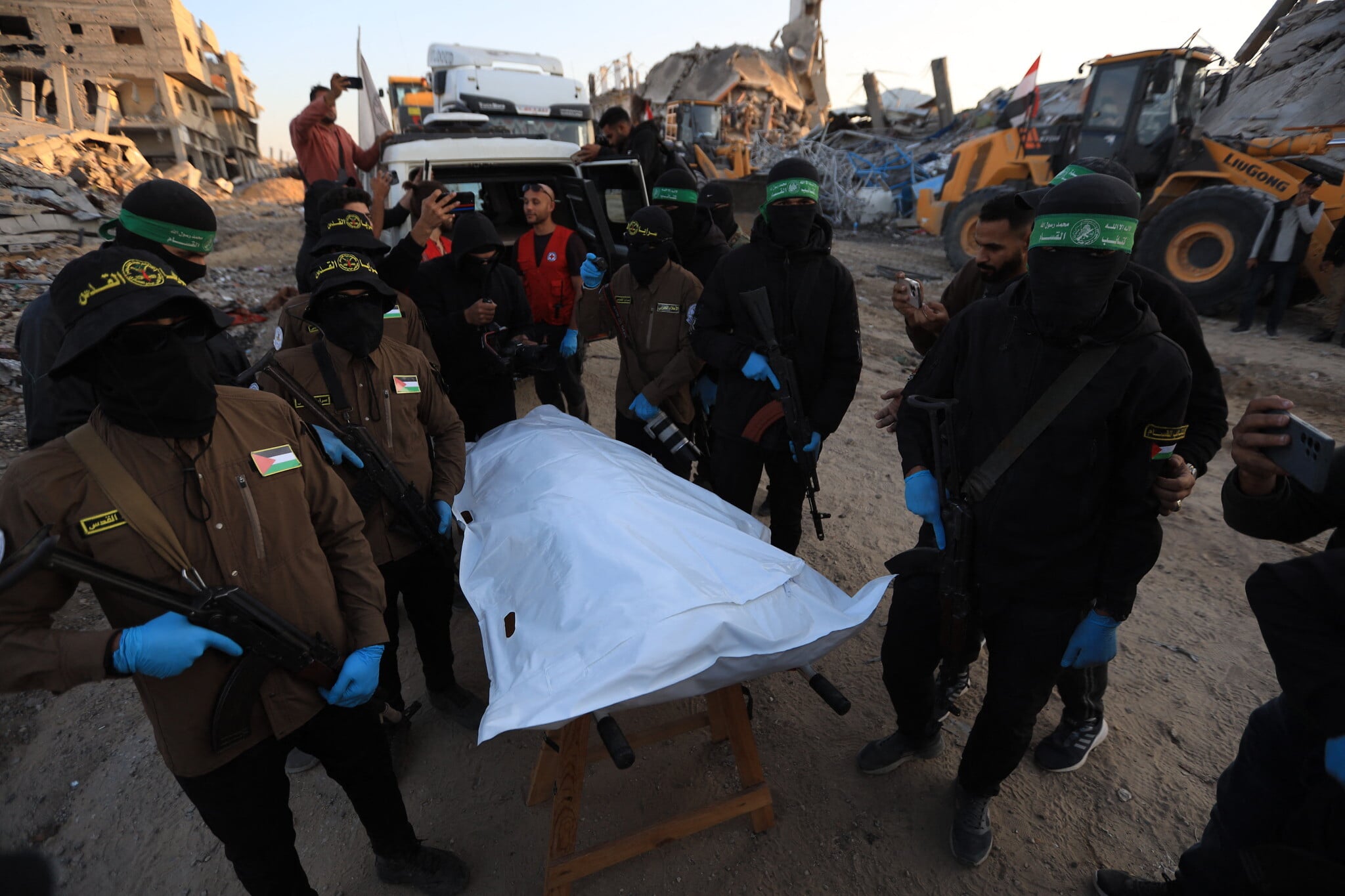
The most recent deceased hostage returned was Thai national Sudthisak Rinthalak, whose body was handed over by PIJ on December 3. A week before that, the body of Dror Or, who had also been held by Islamic Jihad, was returned to Israel.
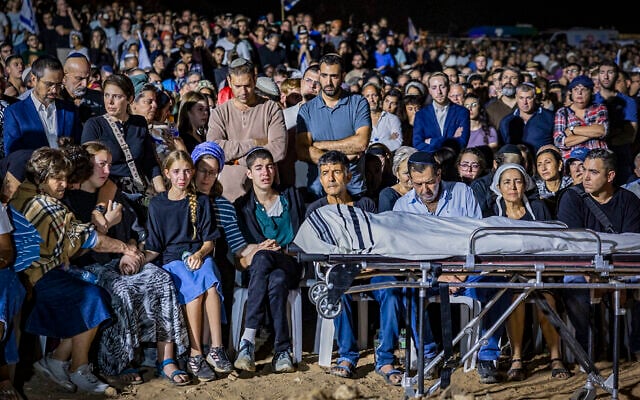
Gvili’s family have vowed not to give up their battle for his return, with hundreds joining them on Friday afternoon in Tel Aviv’s Hostages Square to demand Israel not advance to the second stage of the US peace plan without his return.
“We need to be united to make clear to the world, in no uncertain terms — we don’t forget. And we won’t let anyone leave him there,” his mother, Talik Gvili, said. “No moving on to the second phase, and not anything, until he’s home.”
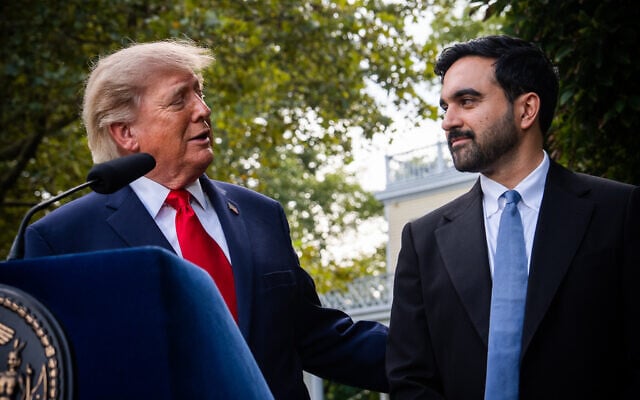
Prime Minister Benjamin Netanyahu — who has vowed to return Gvili — is slated to meet this week in Florida with US President Donald Trump, who is expected to push for an advance to phase 2 of the peace deal.
During a Hanukkah party at the White House this month, Trump repeatedly asserted that he had gotten all the remaining hostages out of Gaza, despite being publicly corrected by the family of a former slain captive.
IDF denies moving Yellow Line
Also on Sunday, the IDF rejected claims that it has unilaterally shifted the Yellow Line inside Gaza, following a report alleging that Israeli forces had redrawn the border deeper into the enclave.
In a response issued by the IDF, the military said it was visually marking the Yellow Line in accordance with the terrain and as operational assessments change, calling allegations the line has been moved “inaccurate.” According to the statement, troops are operating based on directives from the political leadership and in line with boundaries defined under the ceasefire agreement.
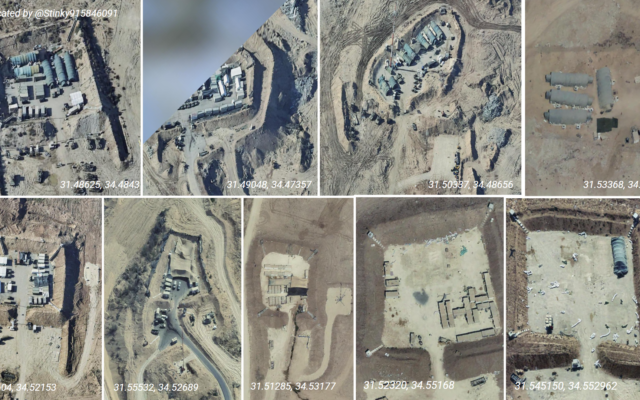
The response came after an investigation by French daily newspaper Libération claimed that more than 120 yellow markers had been installed across Gaza – including near Khan Younis, Shejaiya and Jabalia – expanding the area under Israeli control beyond routes set by the October ceasefire agreement.
????Yellow Line in Gaza
The Israeli army continues to draw its own version of this new border. We have mapped more than 120 yellow blocks marking this new line, which is being drawn further into the enclave, without respecting the route announced in October. pic.twitter.com/ao9Uhf293A— Brice Le Borgne (@BriceLeBorgne) December 27, 2025
Using satellite imagery and videos filmed by Gaza residents, the paper said it geolocated the markers and determined that they now enclose at least 56% of the enclave as being under Israeli control – up from the 53% Israel was reported to control when the line was first demarcated.
One cited example placed newly installed blocks in early December near the Bani Suheila school, east of Khan Younis, roughly 600 meters inside the line Israel previously said would define the security buffer. The school area, the report noted, had been used by displaced families as a shelter.
Stav Levaton contributed to this report.





The Times of Israel Community.