

Israeli philanthropists, a rare breed, coalesce to fund carbon-slashing projects
The Israeli Climate Action Fund, better known as PAI, has no PR or website, but its deep-pocketed members bring diverse backgrounds and strengths to the fight on emissions
 Add ToI as a Preferred Source on Google
Sue Surkes is The Times of Israel's environment reporter
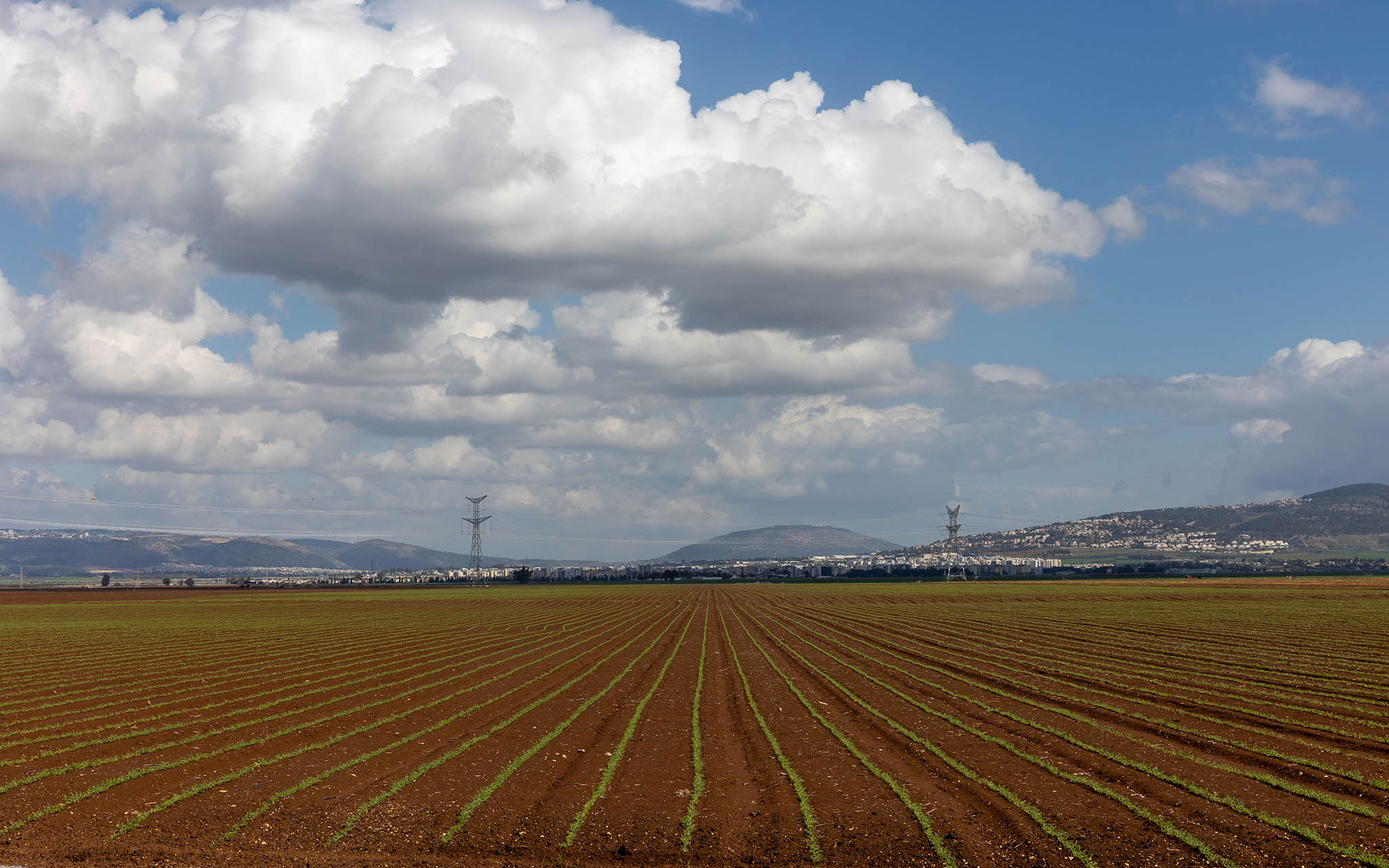
In March, the World Meteorological Organization released its “State of the Global Climate” report, confirming that 2024 was the warmest year in the 175-year observational record and likely the first calendar year to be more than 1.5°C above pre-industrial levels, the recommended limit set by the 2015 Paris Climate Agreement.
In Israel, average temperatures for the period 2014 to 2024 were 1.8°C (3.2°F) higher than the period 1950 to 1979, according to the Israel Meteorological Service. Average maximum July temperatures over the past eight years (2016-2024) were a staggering 2.8°C (5°F) higher than between 1950 and 1979, a report from the Taub Center for Social Policy recently revealed.
With more extended parched periods, the frequency, severity, and length of wildfires are increasing, as evidenced by major blazes in the Jerusalem hills last month.
Scientists point the finger at human-driven emissions of carbon and related gases such as methane. The amount of carbon in the atmosphere last year, just from energy, was twice that of pre-industrial levels, the International Energy Agency said.
For the past year, a small but expanding group of Israeli climate philanthropists has been working behind the scenes, awarding grants to kick-start initiatives to cut the country’s greenhouse gas emissions.
The Israeli Climate Action Fund, better known as PAI after its Hebrew acronym, has seven members, with two more expected to sign up. Members are expected to pony up at least $80,000 annually to fund climate-related projects.
“In the Israeli philanthropic world, over 90 percent of the funds are from overseas,” said PAI’s lone paid employee, managing director Noa Yayon. “PAI is the first Israeli climate partnership where the partners are Israeli and the money is from Israeli donors. They are all very hands-on.”
“Our goal is to see how we can leverage our knowledge, experience, and connections to help Israel reach its climate goals and make them more ambitious,” she added. “Our advantage is that we can take risks that other sectors cannot, and we are willing to take risks that can make the big leap.”
The seeds for PAI were sown three years ago when sculptor and former clinical psychologist Doris Arkin happened to read about climate change, a subject not yet addressed by the family foundation she runs with her husband Mori.
“I was shocked and worried about what we were leaving to our children and grandchildren,” she recalled.
“I started to learn and to speak with organizations to understand how you do something strategic, not just giving here and there. After a year, I understood that I wouldn’t manage to do anything [impactful] alone.”
She initially recruited two friends, Ram Amar, CEO of Rewind, and Michael Mor, a retired businessman who worked mainly in Africa.
“It was important that we were Israeli, that we take responsibility at least for what happens here,” Arkin said. “I understood that while we are a small country, our impact is not negligible. We also have great potential to be innovators. Israelis have a lot to say on climate, and that’s how we started. I’m not an expert, but I understood that you must raise awareness quickly. Our whole life in Israel depends on this. Let’s try at least to stop the damage and hopefully to find new solutions to allow us to cope in the future.”
Others joined, and a lengthy period of science-based learning from experts followed. A year ago, the group hired Yayon, a former senior professional adviser to then-environmental protection minister Tamar Zandberg.
Arkin, who chairs the group, said, “We are looking to support things that the government can take forward and scale.”
PAI initiates projects and brings together government, NGOs, academia and the private sector to see them through. Members agree on a strategy and contribute to a pool.
The group has targeted five sectors for carbon reduction, or decarbonization: electricity, construction, industry, transportation and agriculture, including land use.
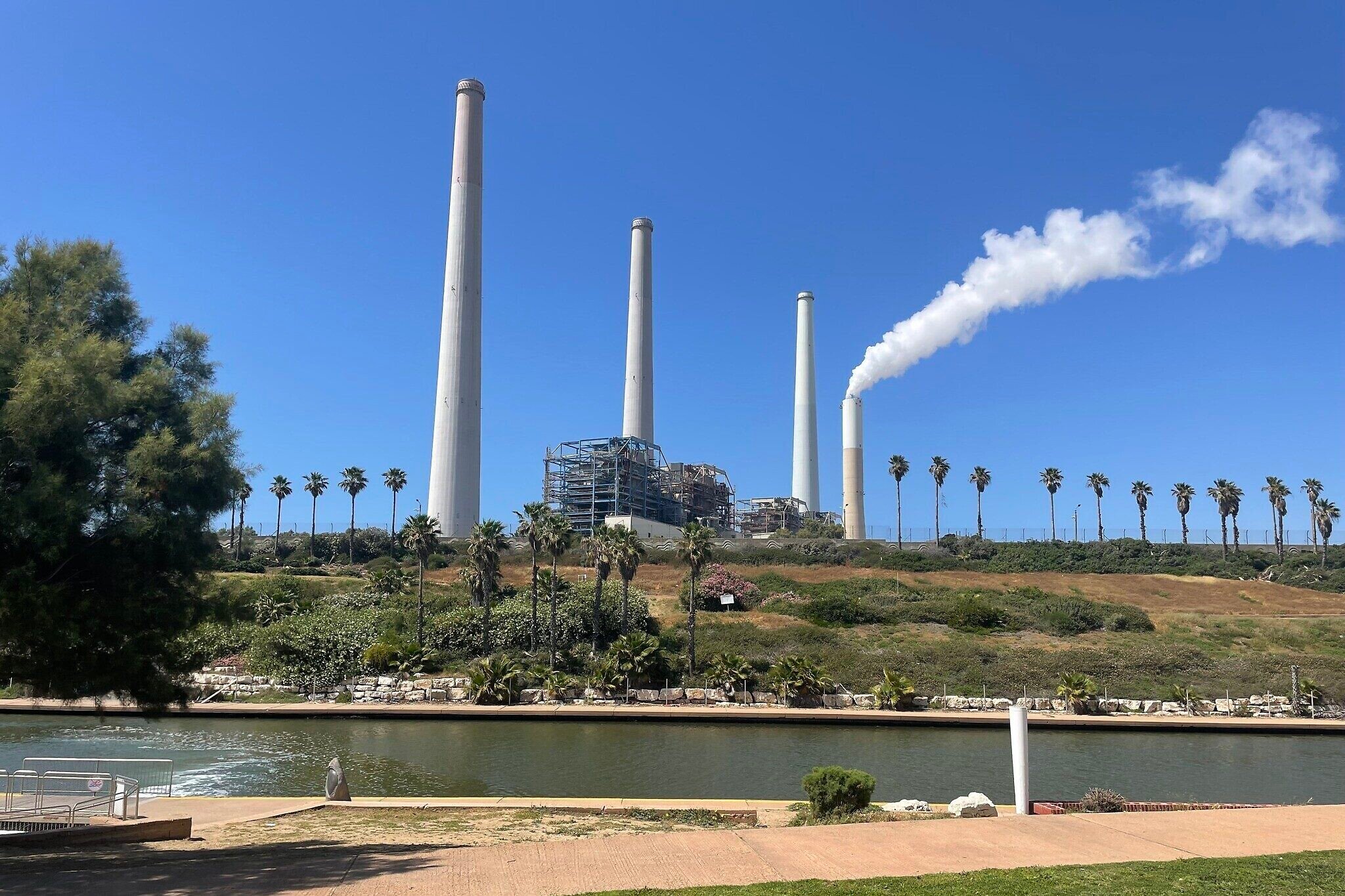
“When you deal with [cutting emissions], you deal with all human activity,” Yayon explained. “It’s not just about conservation, or rivers, but how humanity manages its resources, gets from one place to another, uses electricity… We are no longer in a world where business is the bad guy, NGOs are the good ones, and the government is just gray and complicated. There are many good and influential people in every sector. If you know how to bring them together, you can have [a] huge influence.”
“We work with the private sector because it drives the economy,” she said. “We understand that the economy drives emissions and that we have to offer alternatives.”
Energy resilience along the borders
Yayon pointed out that Israel’s war-torn northern and southern borders were both security-sensitive and climate-vulnerable. Both the Gaza border area and parts of the north were experiencing declining rainfall and drought — factors, she said, that had to be considered as part of postwar rebuilding efforts.
In northern Israel, where PAI’s mapping and discussions with stakeholders revealed a lack of climate awareness, the organization partnered with other philanthropists to finance two expert task forces on the environment and renewable energy that have been integrated into the state’s planning infrastructure.
In the south, PAI has given kick-start grants to the Heschel Center for Sustainability’s NZO project to create a renewable energy one-stop shop serving the entire western Negev region, and to Ignite the Spark, a nonprofit energy innovation community that has been shepherding solar energy projects for the Gaza border area, six of which are to receive government funds.
The power of agrivoltaics
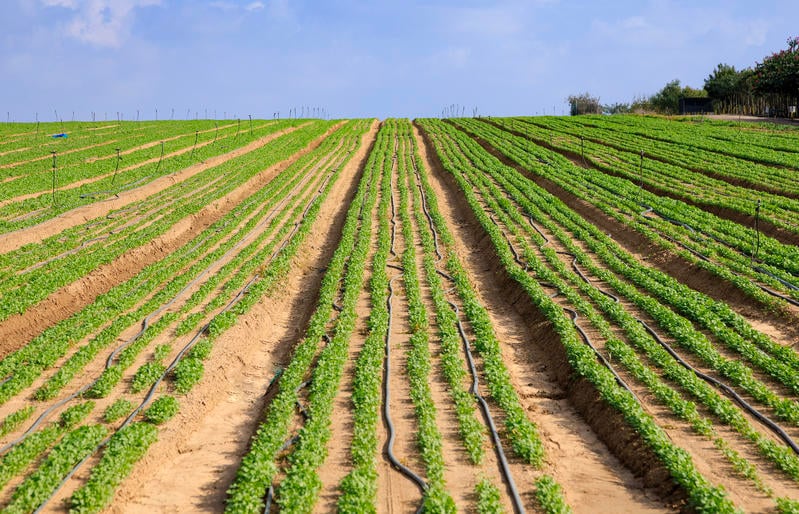
As a leader in agritech, Israel is seen as a potential leader in agrivoltaics, a technology that generates power while helping crops grow. The Agriculture Ministry is piloting the tech in Gilboa, northern Israel, and Revadim, in the south.
PAI is finalizing the details of a package to fund the research into best practices. It will support task forces to study the subject from the agronomic, economic, policy, and technology points of view. PAI hopes to use the opportunities that agrivoltaics present to move Israel to a more sustainable form of farming.
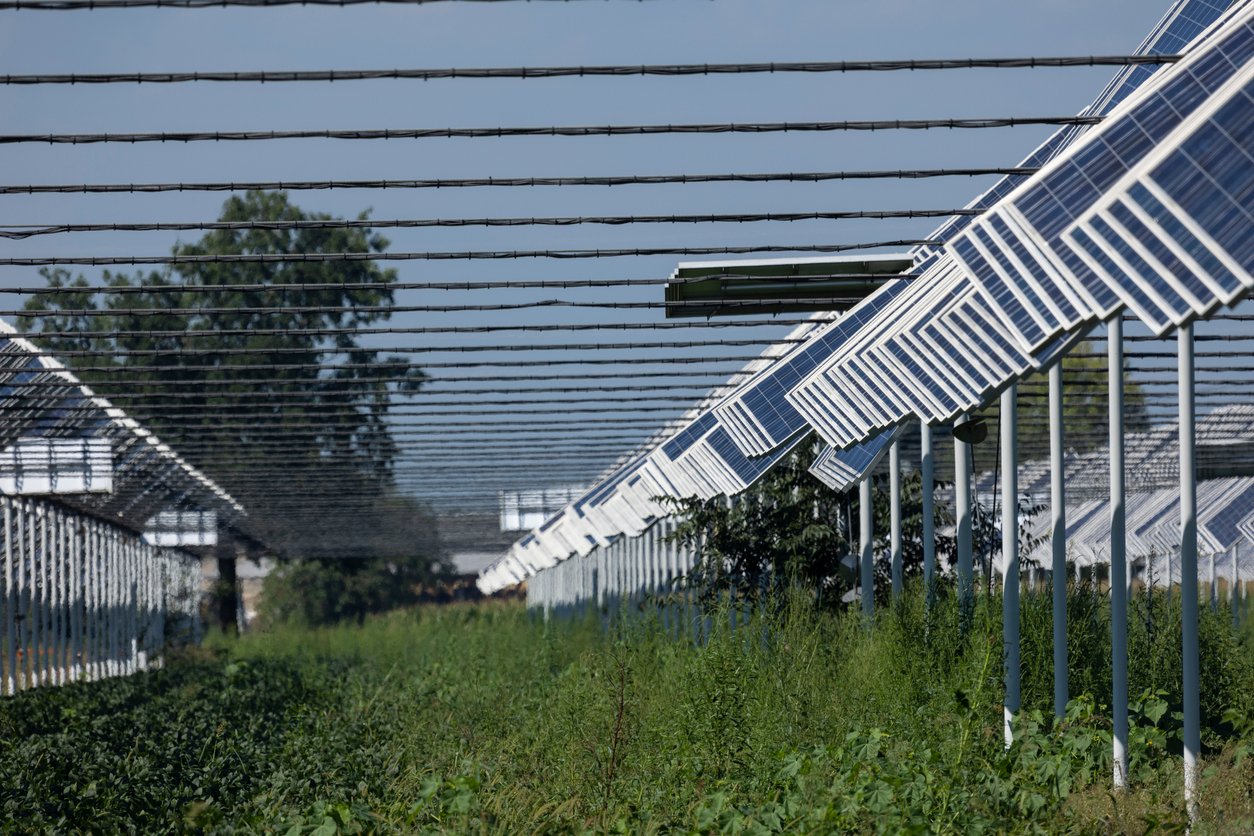
“We still don’t fully know how agrivoltaics works, which is why we need to do pilots and research to understand the differences between crops and different climatic areas,” Yayon said. “If you talk about Israel as a living laboratory, this is it.”
Construction and industry
With the long-term aim of creating a roadmap to decarbonize every stage of the construction industry, PAI began with a case study of the whole-life carbon emissions of a standard building in central Modi’in, through the Israel Green Building Council.
The council analyzed the building’s carbon footprint, from the materials used in construction to waste disposal after demolition, and how the same building could be built with significantly lower emissions in the same location in 2045.
In the industry sector, PAI is supporting work on carbon pricing and creating a voluntary carbon market in Israel.
Work on transportation is at an initial stage.
A better movement, better messaging
PAI is also collaborating with environmental NGOs on strategic thinking that will help the movement be more effective. This involves examining how the organizations can work better together, fine-tune their foci and messaging, and more powerfully explain to the public how climate change affects and undermines basic quality of life issues such as security, foreign affairs, health, and the economy.
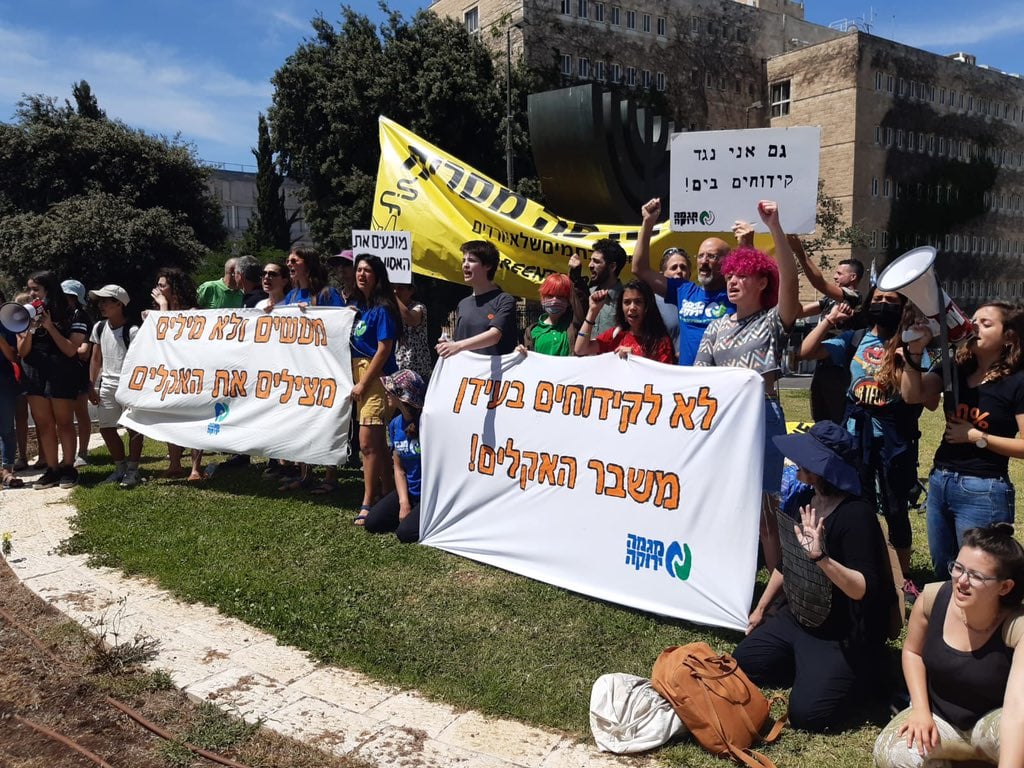
PAI hopes to start discussions with the Hebrew media, Yayon said, where climate coverage is either non-existent or pushed to the margins as a subject for tree-huggers. “You have to know how to tell the story and be relevant to the public,” she stressed.
Linking to the Jewish Diaspora, the organization has joined the fledgling Jewish Climate Trust, contributing knowledge about the Israeli climate scene.
“Climate change is the reason for much of the global turmoil,” Yaylon said. “It is super relevant to what people are feeling everywhere in terms of economy and security.”
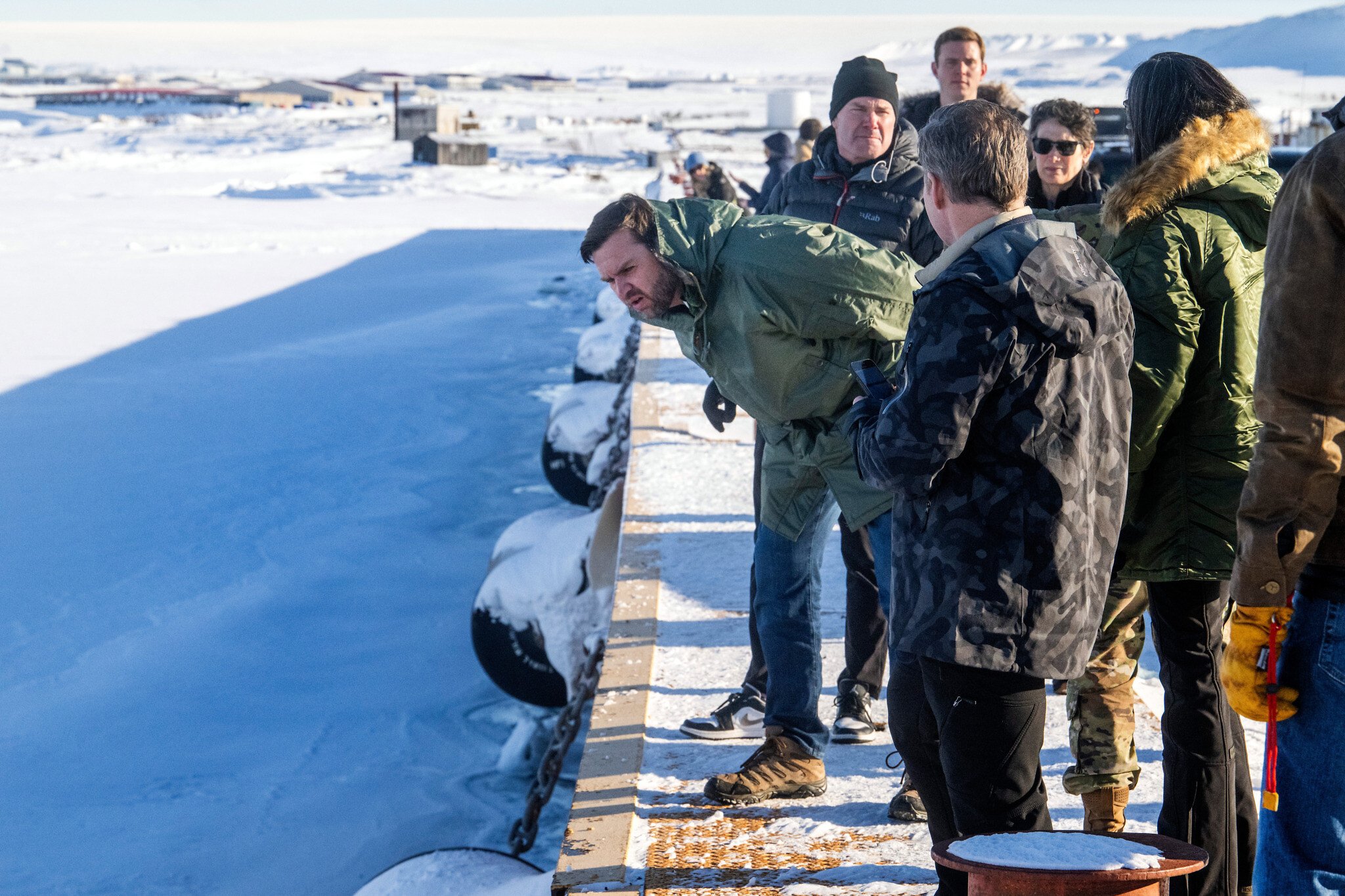
By way of example, she cited the competition between the US and rivals such as China to control minerals in places like Greenland, which are essential for the technology that will help decarbonize the world.
“As philanthropists, we don’t see ourselves as decision makers but as part of the ecosystem,” she said. “We don’t have a website and don’t care about being in the public eye. Everyone around the PAI table is successful in his or her own right and the collaboration is because we understand that none of us is as smart as we are together.”
Gideon Stein, a former vice president for R&D and chief research scientist at Mobileye, joined PAI with his wife Marla, who is co-chair of the Green Funders’ Forum at the Jewish Funders’ Network.
Stein praised the organization’s “mix of strengths,” including Yayon with her experience in government, PAI founder Arkin and the Blaustein Foundation’s Brenda Bodenheimer Zlatins’ backgrounds in philanthropy. He noted Mor’s familiarity in accounting and business, as well as Noa Yovel Maoz’s command of impact investment and the technical know-how and affinity with numbers he shared with Rami Amar and Yoki Gil.
Gil, whose Shoresh sandals factory was the first in Israel to claim net zero emissions on electricity and transportation, invited other philanthropists to join.
He described PAI as a “unique philanthropic startup; a startup, because we are building a community of climate-learning philanthropists with an entrepreneurial mindset and a business orientation that includes innovation, results-based thinking, measurement, and a goal-oriented approach to promoting emission reduction in Israel; unique, because collaboration between like-minded philanthropists is rare.”










The Times of Israel Community.