

Italy coronavirus death toll surges to 631, number of cases tops 10,000
European country now has more virus cases than anywhere but China; travel links with outside world thrown into chaos after shutdown
 Add ToI as a Preferred Source on Google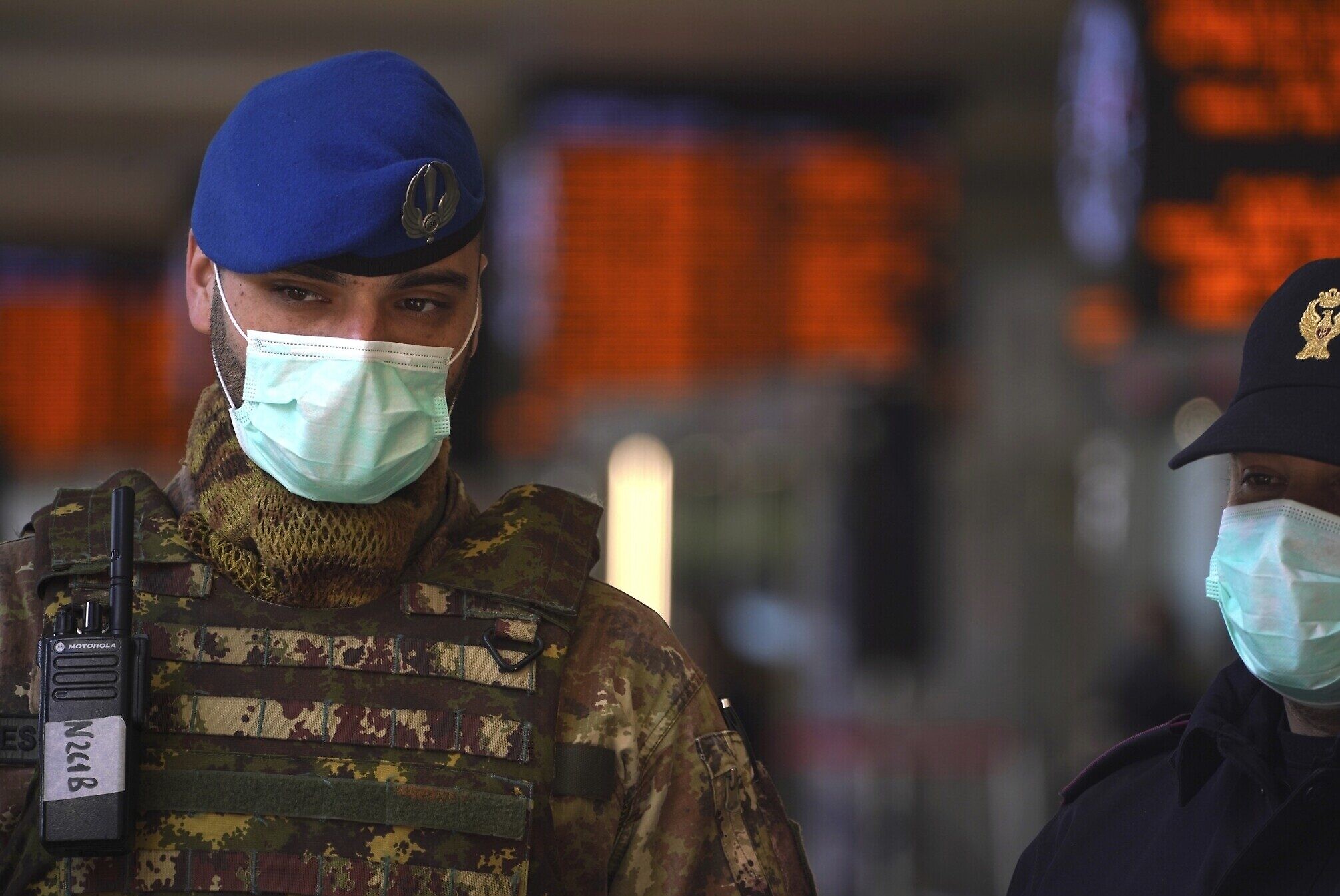
Italian Civil Protection Authorities said Tuesday that the death toll from the coronavirus surged by 168 to 631, up from 463 a day earlier, and the number of infections in the country hit 10,149.
Italy now has more coronavirus cases than anywhere but China.
Italians faced travel restrictions inside and outside the country as nations near and far isolated Italy with flight bans and sweeping national measures went into effect in a bid to slow the coronavirus’ silent spread across the peninsula.
Police at Rome’s main train station checked commuters’ paperwork to ensure they had legitimate reasons to leave their residential neighborhoods for work, health or other “necessary” reasons. Carabinieri teams patrolled cafes to make sure owners were keeping customers 1-meter (yard) apart.
The rapid spread of the virus has put Italy’s health system under severe strain. Health officials warned over the weekend that hospitals in the Lombardy region around Milan, where three-fourths of the deaths have occurred, were running out of beds.
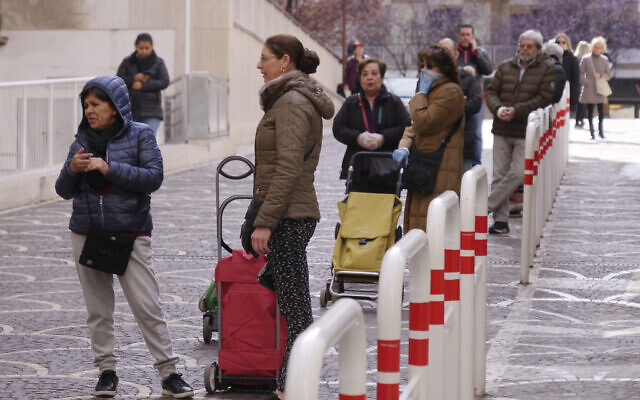
The governor of northern Lombardy, the region hardest hit by the coronavirus, said Tuesday he will ask the government to tighten measures further after new data showed the contagion continuing to spread. Atilio Fontana told La7 private television that the mayors of the 12 provincial capitals had agreed to seek measures to close non-essential stores and shut down local public transport.
The number of intensive care patients rose Tuesday by 144 to 877 nationwide.
The overwhelming majority of the fatalities and infections were still being recorded in the north, with poorer southerns regions largely spared.
Top government ministers have been warning for days that Italy might not be able to cope if the disease began to rapidly spread through the south.
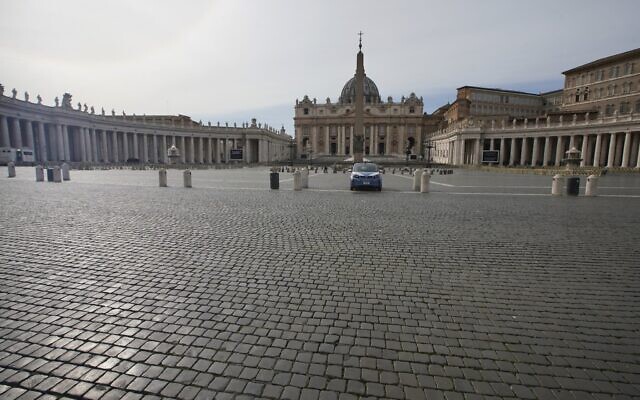
Meanwhile, Italy’s transport links with the outside world have been thrown into chaos — but not shut down totally — in the wake of the government’s drastic restrictions on travel to contain the coronavirus.
British Airways canceled all its Italian flights Tuesday while low-cost carriers Ryanair and Wizz Air said that they would be scrapping flights from Italian airports until early April.
The Spanish government said Tuesday that it was suspending all air traffic from Italy for two weeks while Austria said it would be introducing new restrictions on arrivals from Italy.
However, at Rome’s main Fiumicino airport there were still services running to destinations in Europe and beyond on Tuesday afternoon, as well as to domestic Italian destinations.
Flights were also still taking off from the smaller Ciampino airport, used mostly by low-cost carriers.
Italy’s rail links with neighboring countries are also under strain, with the Thello company canceling its night services between Paris and Venice, as well as daytime trains between Milan and Marseille, until early April.
France’s national train company SNCF said on Tuesday it was “waiting for advice” about how to proceed regarding its services to Italy.
Since late February French staff on cross-border SNCF trains have been getting off before the Italian border and being replaced by Italian colleagues.
Austria’s national OeBB company has been implementing similar measures for its staff.
OeBB has already canceled its night trains to several Italian cities and said that further changes to its daytime schedules may come in the following days.
A spokeswoman for Germany’s Deutsche Bahn said that the only service it had linking it to Italy, between Munich and Venice, has also been suspended.
On Italy’s road borders the situation seemed more relaxed on Tuesday afternoon. Italians in the area around the city of Trieste often make the short journey into Slovenia to do their shopping and take advantage of cheaper fuel.
But late Tuesday, Slovenia’s government announced it would close its border with Italy.
Austria also said it was putting tough new restrictions on passengers arriving from Italy.
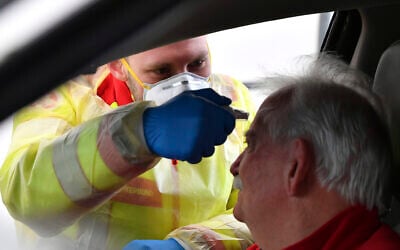
On the land border between both countries, Austrian authorities stopped people crossing from Italy to take their temperatures.








The Times of Israel Community.