

Jerusalem municipality begins work on massive First Station expansion
New residential and business hub will include train stations and a controversial cable car to the Old City and the Western Wall
 Add ToI as a Preferred Source on Google
Zev Stub is the Times of Israel's reporter on diaspora affairs and Israeli real estate.
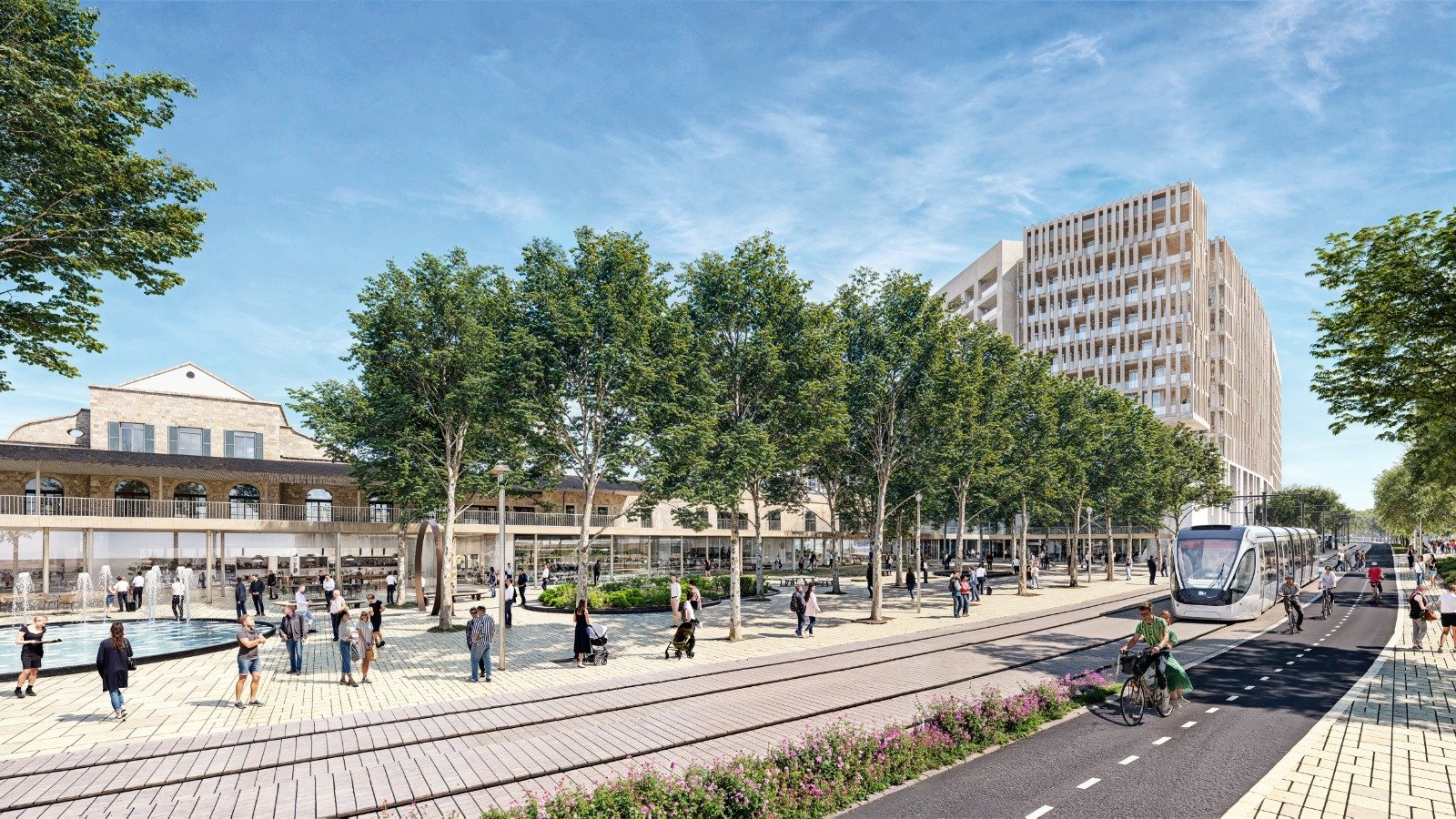
The city of Jerusalem is undertaking a massive expansion project around the First Station entertainment complex, creating a new residential, business, tourism and transportation hub that will include train stations and a controversial cable car to the Old City and the Western Wall.
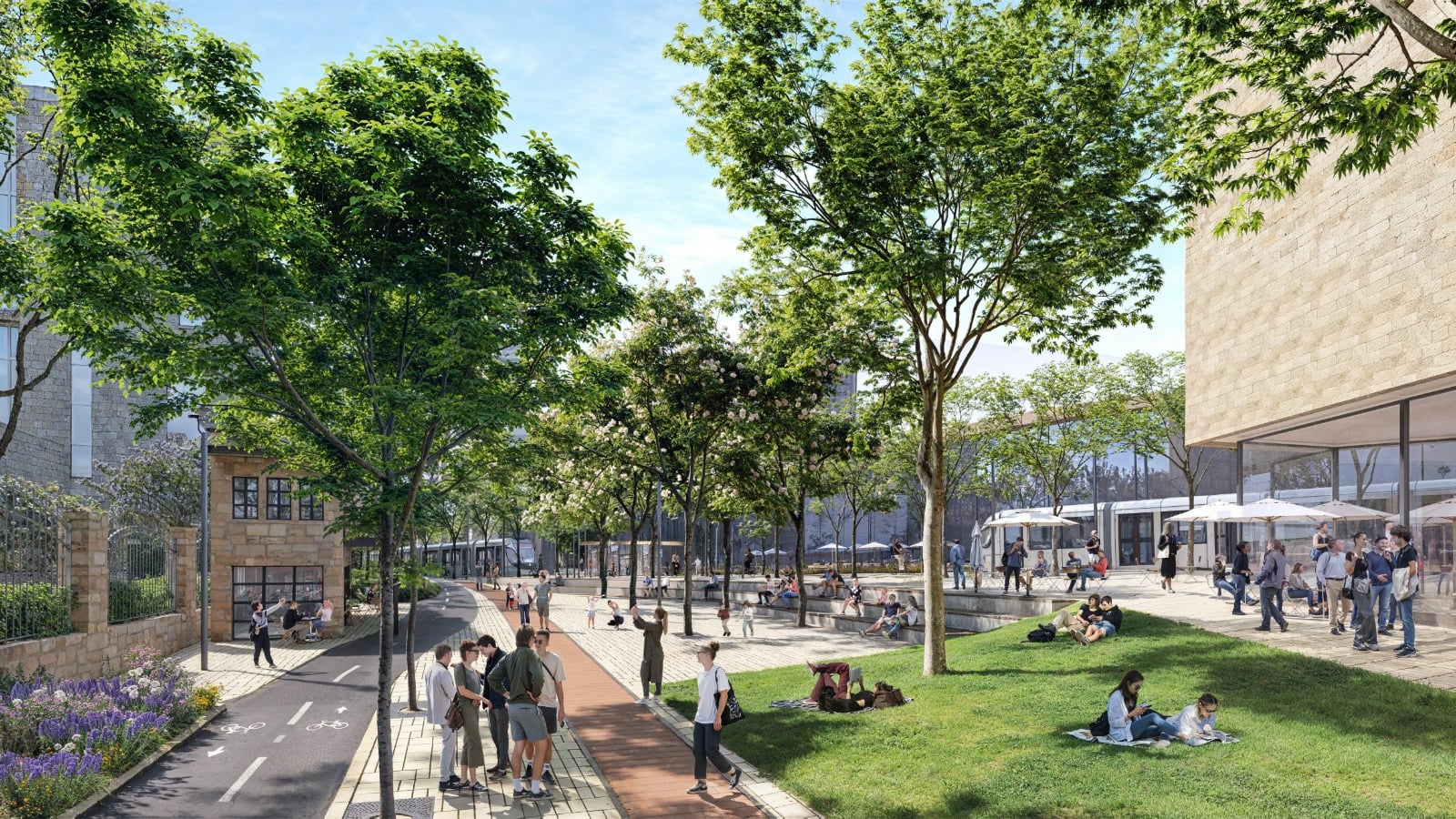
The 350,000-square-meter (3.8 million-square-foot) complex, located between the neighborhoods of Talbiya, Mamilla, the German Colony, Baka, Ramat Rachel and Givat Hananya, will include 180,000 square meters (1.9 million square feet) of low-rise residential construction, 1,400 hotel rooms, commercial and office spaces, public green spaces and bike paths, the municipality said.
“This is a project of international standards that will constitute a new tourist, business and cultural hub in the city of Jerusalem and the first modern transportation hub of its kind in Israel,” said Jerusalem Mayor Moshe Lion.
Historical sites will be preserved, including the Khan Theater, built on the ruins of an ancient inn from the Crusader period, a spokesperson for the municipality said.
A new underground train station will connect Israel Railways lines with the southern part of the city. The Khan Station (named for the adjacent theater) will allow travel to Tel Aviv in about 38 minutes, and to Ben Gurion Airport in about 23 minutes, the municipality said. Currently, there is only one train station in Jerusalem, the Yitzhak Navon station at the western entrance of the city.
There will also be two light rail stations for the Blue Line, a route under construction that will connect the Ramot neighborhood in northern Jerusalem to Gilo in the southern part of the city. Work on that line, which is expected to open around 2030, began earlier this year.
A cable car station will also provide transportation to the Old City, taking riders over the Ben Hinnom Valley and Mount Zion, the municipality said. The controversial project was first proposed more than a decade ago, but has been opposed by numerous parties who argued that it is untenably obtrusive and politically irresponsible.
Authorities hope the 1.4-kilometer (nearly a mile) cable car will ferry up to 3,000 people per hour in up to 72 10-person cabins. It has been opposed by the Franciscan order that acts as custodian of Catholic sites in the Holy Land, among other religious groups.
The existing First Station entertainment complex and Park Hamesila path will remain open to the public during the ongoing work, and construction will be phased to minimize disruptions, the municipality said. Preliminary work has already begun, including preparing the Khan complex for the light rail. Signs will soon be erected along the Park Hamesila path, guiding visitors through the construction areas.
The current First Station complex, opened in 2013, is built on the location of the old Jerusalem railway station, which was constructed in 1892 to connect the city to Jaffa. The new project will be managed by the Jerusalem municipality through Eden, its economic development company.
Rebuilding Jerusalem
The announcement of the First Station complex project comes as Jerusalem prepares to approve a NIS 9.72 billion ($2.63 billion) budget for 2025, eight percent higher than the previous year. Combined with a development budget of NIS 6.2 billion approved last December, that would give the city a total budget of some NIS 16 billion for continued investment in education, welfare, culture, transportation, employment and operations, the municipality said.
The city also recently recommended for approval a number of significant construction projects in Talpiot and the city’s western entrance.
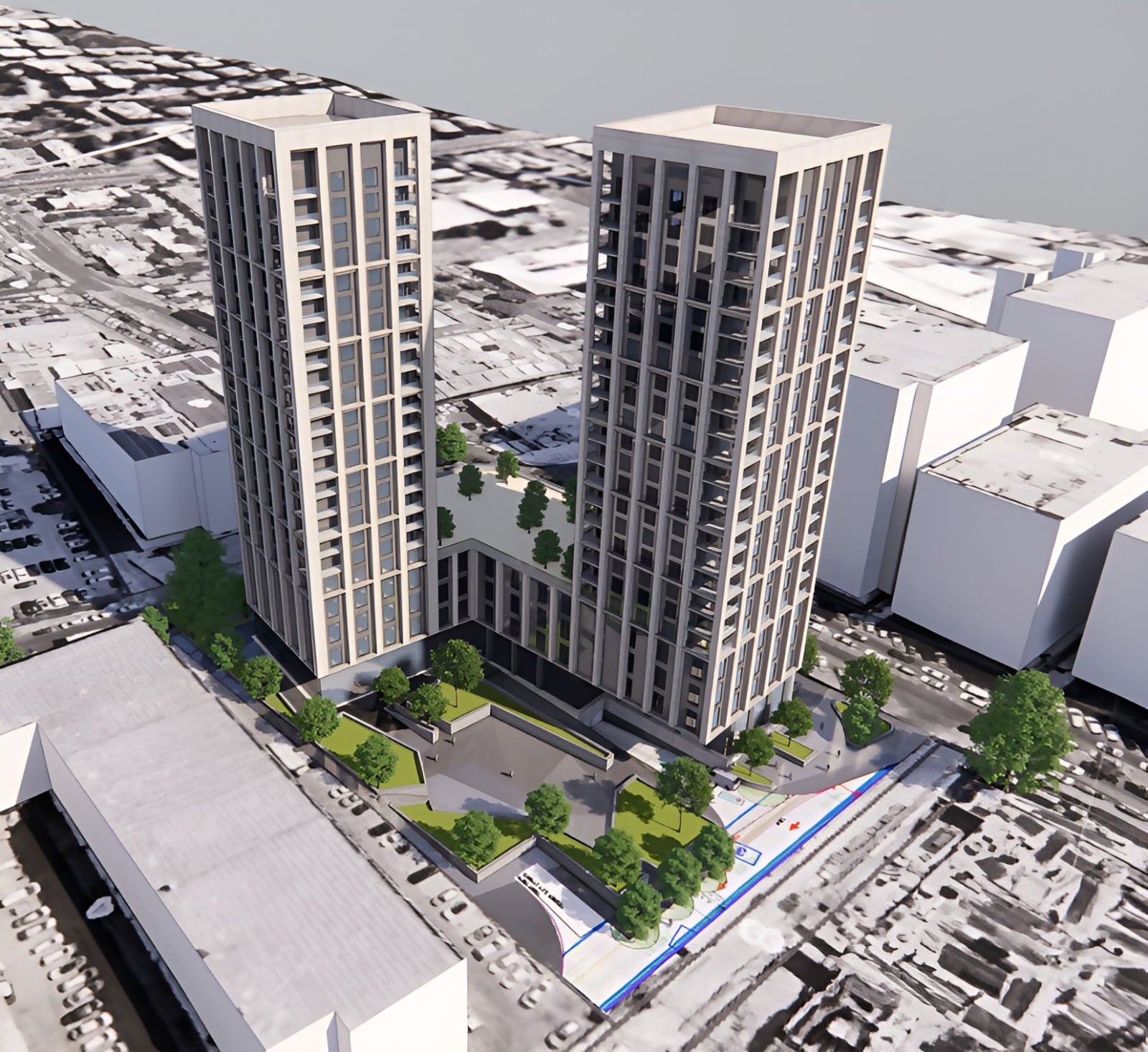
The master plan for the industrial area of Talpiot calls for the building of approximately 2 million square meters (21.5 million square feet) of new development, including 10,000 housing units and hundreds of thousands of square meters of office, commercial and public space.
The city’s local planning and building committee called this week for the approval of four projects: two 30-story residential towers between HaTaasia, HaHaroshet, and HaOman streets; two 31-story mixed-use residential towers near Pierre Koenig, HaOman, and HaTaasia streets, currently occupied by a gas station and vehicle service facilities; replacing the one-story Beit Bakal site on Yad Harutzim Street with a new 10-story mixed-use building; and demolishing the four-story Ahim Yisrael Mall on Yad Harutzim Street in favor of two 24-story residential towers.
Meanwhile, at the City Gateway project at the entrance to the city, the local planning and building committee recommended the approval of a plan to destroy the old post office building at 217 Jaffa Street to build a complex with two 40-story towers, one of which will house various government ministries and offices.
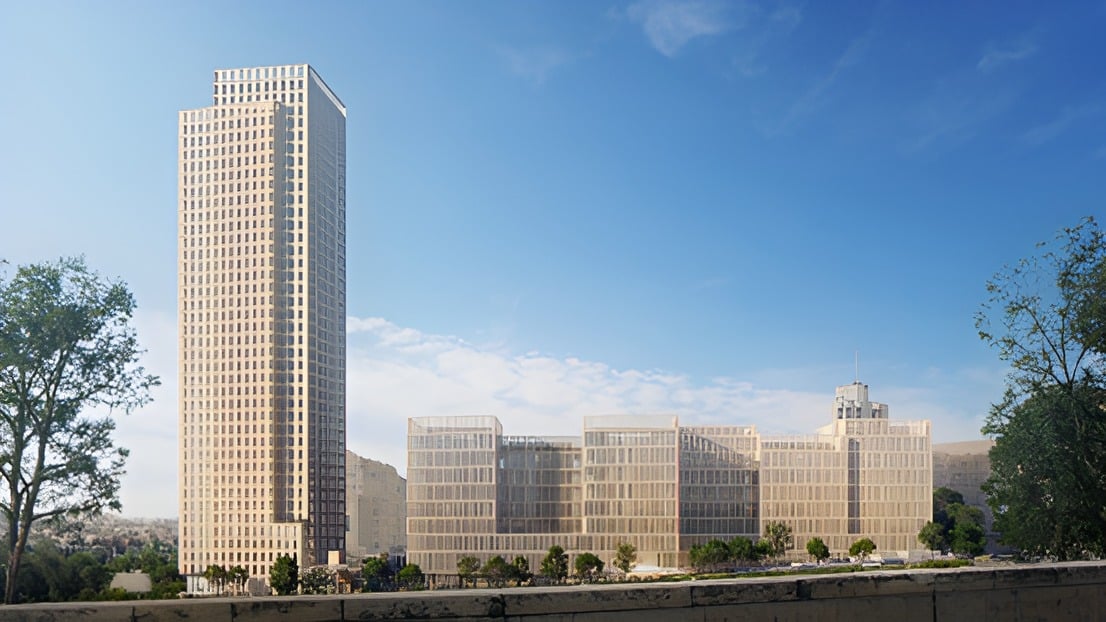
Jerusalem has been aggressively pursuing construction plans that will change the face of the city, with a modernization plan that threatens to add significant congestion for residents. Nearly 500 new skyscrapers of 18 stories or more are planned for construction in Jerusalem in the coming years, adding about 60,000 new housing units to the city, according to municipal documents.







The Times of Israel Community.