

Lebanon accuses Israel of spraying herbicide in border areas
Footage also shows Israeli light aircraft deploying substance over southern Syria; no comment from IDF, which has been working to clear vegetation on northern frontier
 Add ToI as a Preferred Source on Google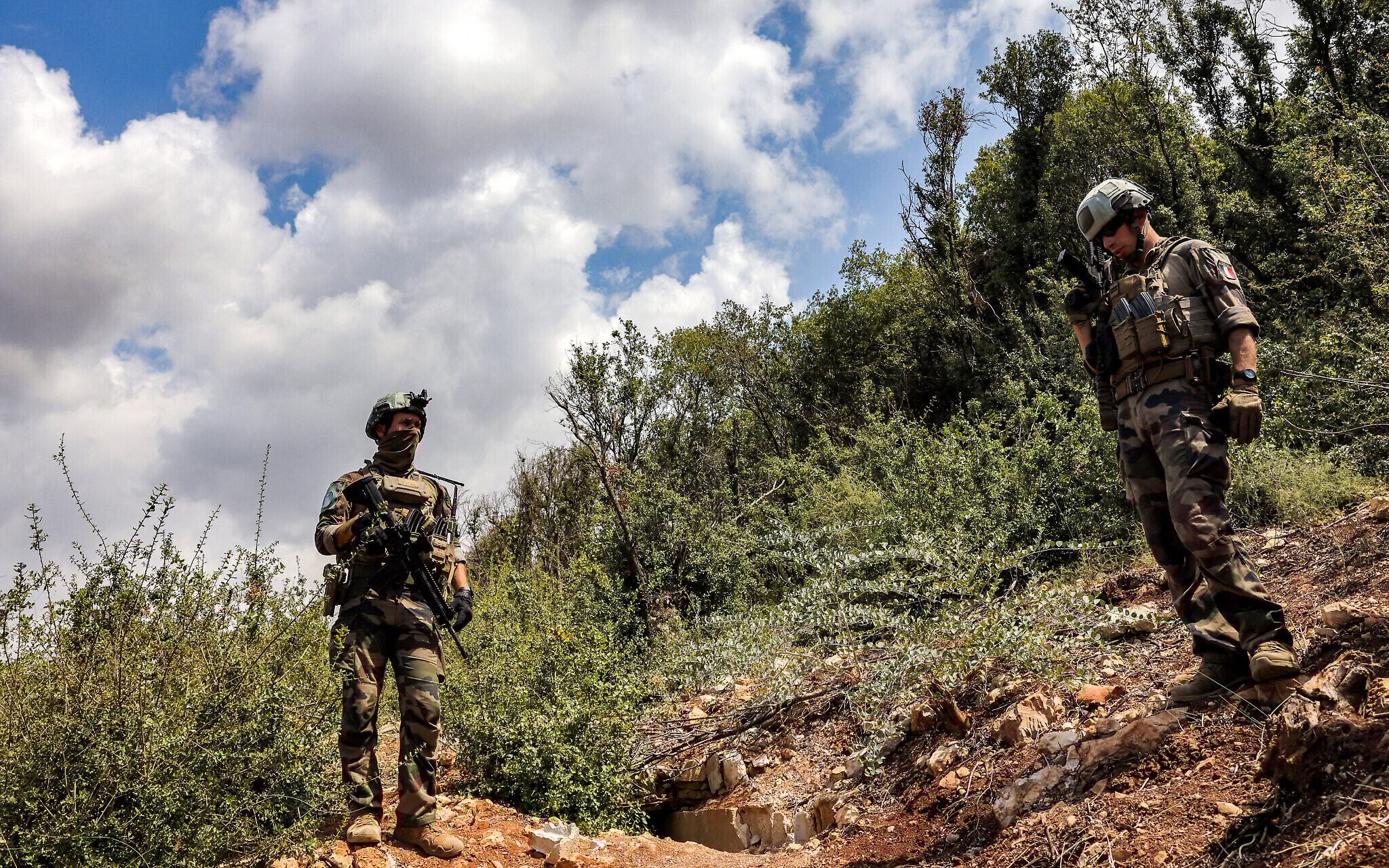
Lebanon accused Israel on Wednesday of spraying herbicide on the Lebanese side of their shared border, with President Joseph Aoun decrying a “crime against the environment.”
The Lebanon border area has dense vegetation, which Israeli military officials have said poses a challenge to forces. It is believed that clearing the vegetation is intended to aid the military in identifying terrorists trying to infiltrate Israel or carry out attacks on the border.
Footage has also emerged of Israeli agricultural planes deploying substances inside southern Syria on at least three occasions last week.
There has been no comment from Israel on the herbicide deployment in both Lebanon and Syria.
After collecting samples following the recent spraying, the Lebanese Agriculture and Environment Ministries said some of them showed concentrations of herbicide glyphosate “20 to 30 times higher than the average” in the area.
In a joint statement, the ministries expressed worries about “damage to agricultural production” and soil fertility. Aoun denounced the spraying as a “flagrant violation of Lebanese sovereignty and a crime against the environment and health.”
Glyphosate is a commonly used herbicide. In 2015, the World Health Organization classified glyphosate as part of a broad category of substances and activities considered “probably carcinogenic to humans,” along with red meat, talc and night-shift work.
#Syria: this morning, an Israeli agricultural plane was filmed spraying a substance over farmland in the center of #Quneitra province.
This is the 3rd such spraying in less than a week. https://t.co/fsB4Xhlyt0 pic.twitter.com/bT3O4tW6dU
— Qalaat Al Mudiq (@QalaatAlMudiq) January 30, 2026
The Lebanese Foreign Ministry said it intended to refer the matter to the United Nations Security Council.
On Monday, the UN Interim Force in Lebanon said the Israeli military dropped an “unknown chemical substance” over areas near the Blue Line, delaying the observers’ activities for nine hours.
UNIFIL said it was told by the IDF that it would be “carrying out an aerial activity dropping what they said was a non-toxic chemical substance over areas near the Blue Line.”
“The IDF said that peacekeepers should stay away and remain under cover, forcing them to cancel over a dozen activities,” the observer force said.
“Peacekeepers could not perform normal operations near the Blue Line along about a third of its length and were only able to resume normal activities after over nine hours,” UNFIL said, adding that its observers also supported the Lebanese army in “collecting samples to be tested for toxicity.”
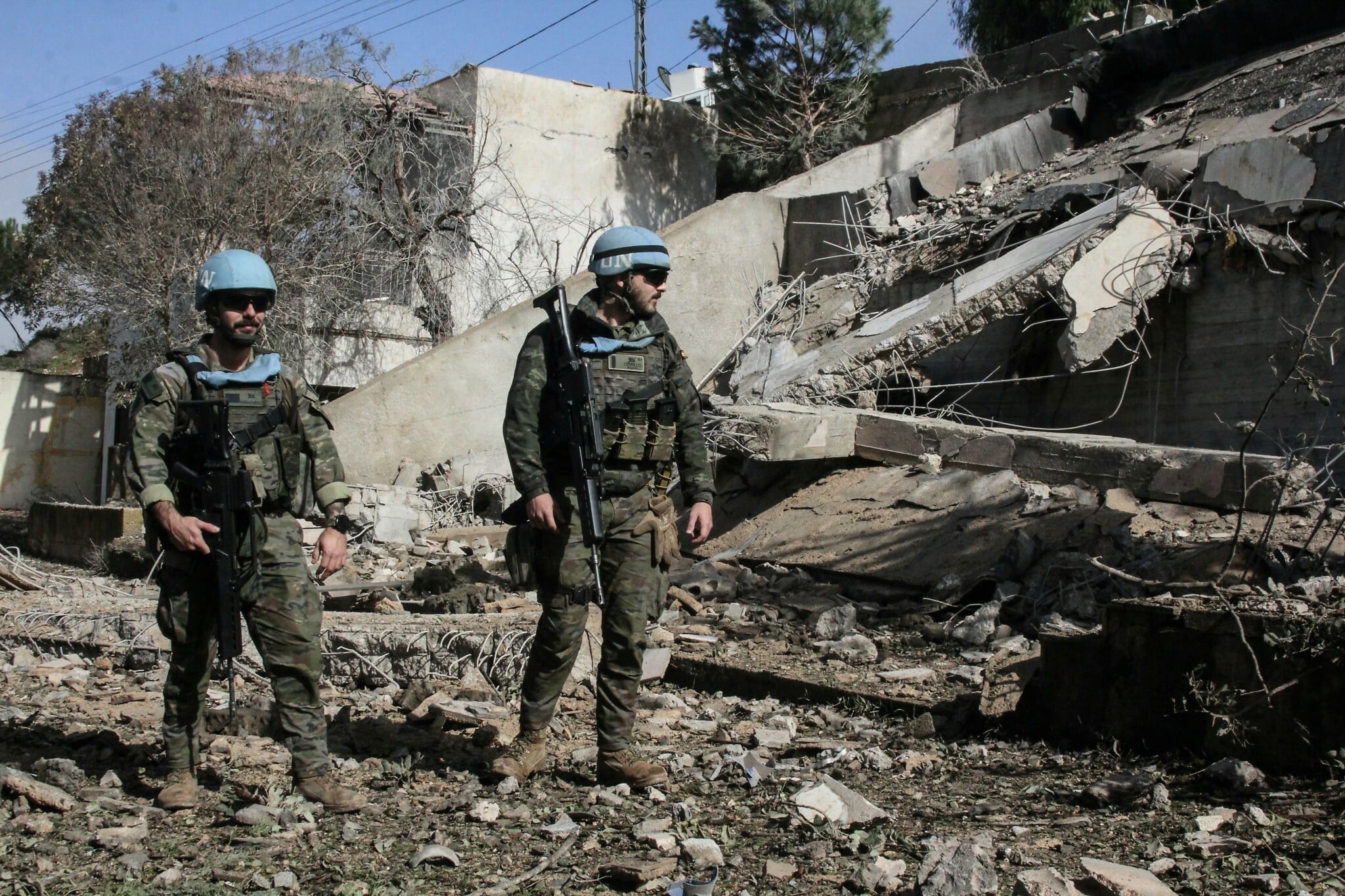
“This activity was unacceptable and contrary to resolution 1701,” UNIFIL added, referring to a UN resolution adopted after the 2006 war between Israel and the Iran-backed Lebanese Hezbollah terror group in Lebanon.
“The IDF’s deliberate and planned actions not only limited peacekeepers’ ability to undertake their mandated activities, but also potentially put their health and that of civilians at risk,” UNIFIL added. “It also raised concerns about the effects of this unknown chemical on local agricultural lands, and how this might impact the return of civilians to their homes and livelihoods in the long-term.”
More than a year after a ceasefire was struck in November 2024 to end a war between Israel and Hezbollah, border areas in Lebanon remain largely deserted, and Israel continues to carry out regular airstrikes in the south.
In 2024, footage circulating on social media showed Israeli soldiers using a trebuchet to launch incendiaries at Lebanon, in order to spark fires on the other side of the border, as part of attempts to clear the vegetation.





The Times of Israel Community.