

 From the Liveblog of
Saturday, October 18, 2025
From the Liveblog of
Saturday, October 18, 2025
Government said to mull weaker, less independent probe into Oct. 7, rather than state commission of inquiry
 Add ToI as a Preferred Source on Google
Jeremy Sharon is The Times of Israel’s legal affairs and settlements reporter
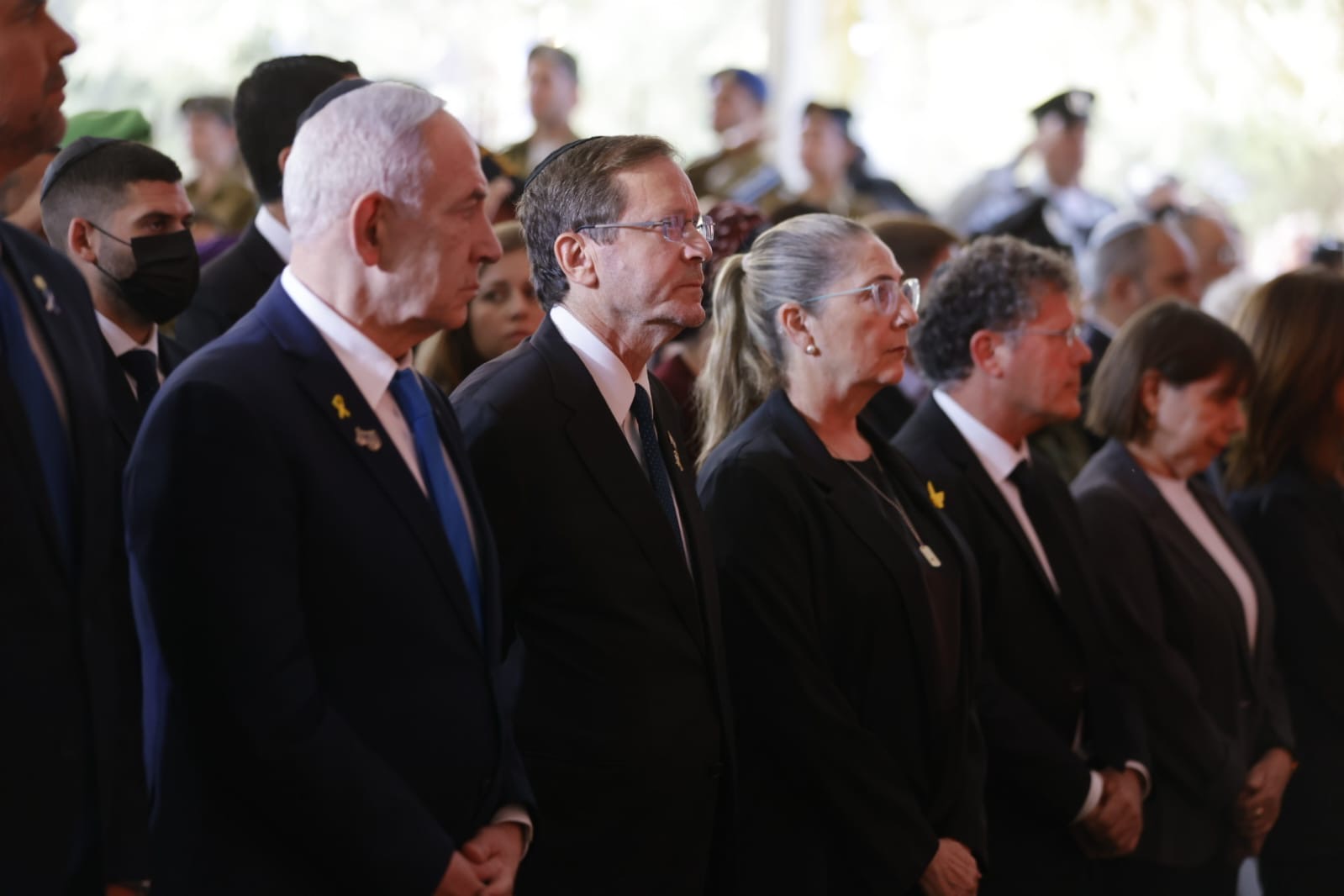
The government is considering establishing a government commission of inquiry into the failures surrounding the October 7 attack, Channel 12 reports, rather than a state commission of inquiry, which would be totally independent of the government.
The government has long resisted establishing a state commission of inquiry, with cabinet ministers first arguing that such an investigation was inappropriate during wartime and then claiming it would not be impartial because its members would be appointed by the liberal Supreme Court President Isaac Amit.
According to the report, the government is considering appointing recently retired Supreme Court judge Yosef Elron, a hardline conservative who frequently ruled in favor of the government, to head the commission.
Elron, however, is only three weeks into a post-retirement period during which he must finish writing opinions on some cases he presided over in office, he said in a statement through the Supreme Court office. He will be focusing on those cases “and nothing else” until that period ends, the statement said.
The Movement for Quality Government in Israel, which has petitioned the High Court of Justice demanding the establishment of a state commission of inquiry, said in response to the report that a government commission of inquiry “would be subject to the government’s political interests.”
“This is a transparent and blatant attempt to evade the establishment of an independent, impartial, state commission of inquiry whose role is to investigate the gravest failure in the history of the state,” the watchdog charged.
A state commission of inquiry is established by the government, but its members are then appointed by the Supreme Court president and are entirely independent of government control. It also has unique powers of investigation, including subpoena power.
In a government commission of inquiry, a cabinet minister approves the establishment of the panel and that minister appoints its members. A government commission of inquiry also has less power than a state commission of inquiry, unless the appointing minister appoints a retired judge to head it.
State commissions of inquiry have been established in the past to look into other military failures, including the events of the Yom Kippur War in 1973 and the Sabra and Shatila massacre in Lebanon in 1982.
A government commission of inquiry, in which the government appoints the members of the commission, was established to investigate the failures of the 2006 Second Lebanon War, although it was granted the powers of the more rigorous and independent state commissions, including the power to subpoena witnesses.







The Times of Israel Community.