

 From the Liveblog of
Monday, December 15, 2025
From the Liveblog of
Monday, December 15, 2025
Hasmonean oil lamp found in Nebi Samuel in the West Bank, COGAT announces
 Add ToI as a Preferred Source on Google
Rossella Tercatin is The Times of Israel's archaeology and religions reporter.
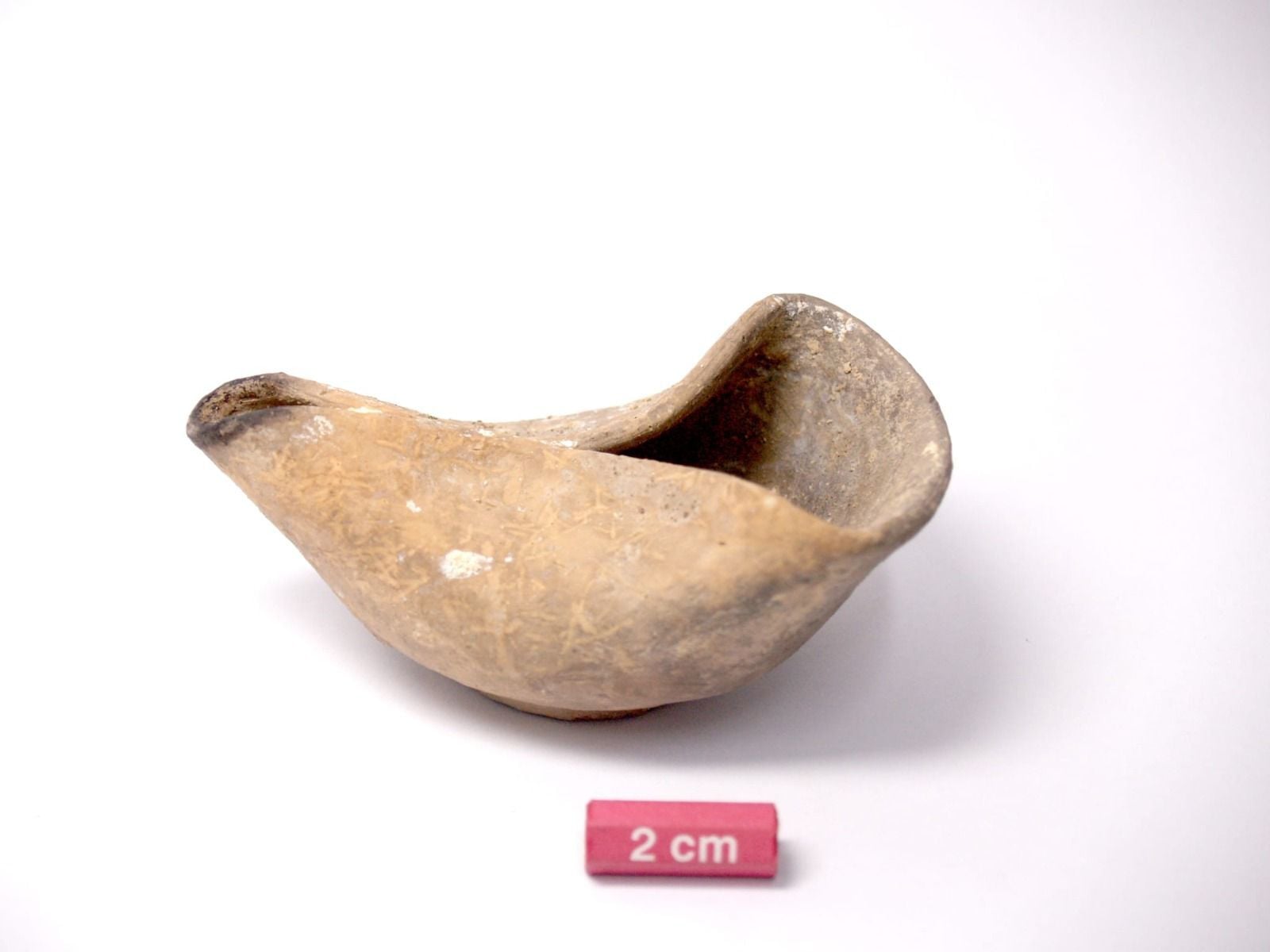
An ancient clay oil lamp dating over 2,000 years ago has been uncovered in the site of Nebi Samuel in the West Bank, the Civil Administration announces, without specifying when the discovery was made.
The lamp was found during archaeological work carried out by the Staff Officer for the Archaeology Unit of the Civil Administration. According to a statement by the Civil Administration, it dates to the time the Hasmonean dynasty ruled over Israel (between the mid-2nd century and the mid-1st century BCE).
The Hasmonean dynasty was established by the Maccabees, who defeated the Seleucid Greeks in the events celebrated by the Jewish festival of Hanukkah, which began yesterday and will conclude next Monday. Archaeological authorities tend to time announcements of findings relating to a certain Jewish festival for that festival.
Clay lamps and pottery are usually dated by archaeologists based on their typology.
The Civil Administration, a branch of the Defense Ministry’s Coordinator of Government Activities in the Territories (COGAT), is responsible for civilian affairs in the West Bank, including archaeology.
Nebi Samuel is located northwest of Jerusalem. It is designated as a national park by the Israel Nature and Parks Authority. The park incorporates the Palestinian village of Nabi Samwil.
The site houses an ancient tomb that, according to both Jewish and Muslim traditions, marks the burial place of the prophet Samuel. It also presents remains spanning centuries of history, including those from the Persian period in the 6th-4th centuries BCE, a 12th-century Crusader fortress, and a 14th-century Mamluk mosque.










The Times of Israel Community.