

 From the Liveblog of
Thursday, August 13, 2026
From the Liveblog of
Thursday, August 13, 2026
Human Rights Watch says UN must keep peacekeepers in Lebanon
 Add ToI as a Preferred Source on Google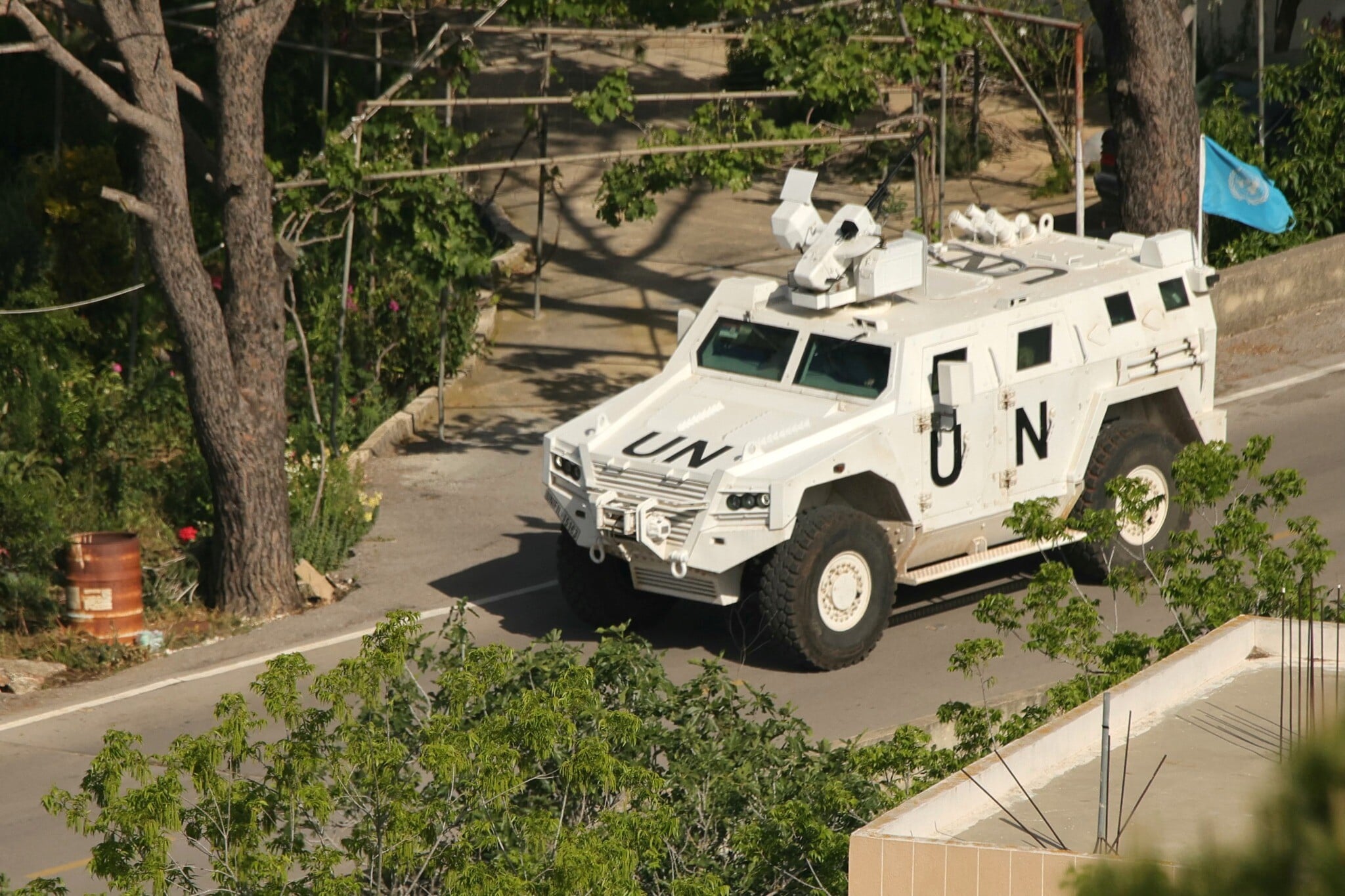
Human Rights Watch calls the United Nations to keep an international force in Lebanon after its peacekeepers’ mandate ends this year.
The peacekeeping force in southern Lebanon, UNIFIL, has roughly 7,500 personnel from nearly 50 countries and has been in place since 1978.
Its presence has not prevented repeated outbreaks of conflict. Southern Lebanon has seen successive wars between Israel and the Iran-backed terror group Hezbollah.
In August last year, however, the UN Security Council, under US pressure, decided to end UNIFIL’s mandate on December 31, 2026.
“Pulling the plug on UNIFIL without a robust international force in place would effectively abandon millions of Lebanese civilians to an uncertain and potentially disastrous fate,” says Louis Charbonneau, HRW’s UN director.
“The peacekeepers are a crucial deterrent against attacks on civilians and human rights abuses,” he adds.
HRW urged the UN to extend the peacekeeping force’s mandate “until the security situation has improved sufficiently to consider further reducing the force.”
UN chief Antonio Guterres has said that peacekeepers will be needed in Lebanon after the current mandate expires, a suggestion likely to face opposition from the United States and Israel.
In June, he proposed three options ranging from nearly 2,000 to more than 5,500 UN personnel to monitor the fragile ceasefire between Israel and Hezbollah, and support Lebanon’s armed forces.
That same month, France and Italy said they wanted to launch a coalition for after UNIFIL to strengthen Lebanon’s sovereignty and prevent its territory from being “a foothold for regional escalation.”
In July, Lebanese President Joseph Aoun called for UNIFIL to stay. And Lebanon’s UN mission sent a letter, signed by 86 member states, to the UN Security Council calling for UNIFIL troops to remain with an expanded mandate.
Aoun said that if UNIFIL could not stay, there should be “an alternative force” to “assist the Lebanese army in clearing the southern regions, removing unexploded ordnance, and keeping pace with the implementation” of the framework agreement.
HRW’s Charbonneau says that “the Security Council should not leave Lebanese civilians unprotected.”
Times of Israel staff contributed to this report.





The Times of Israel Community.