

 From the Liveblog of
Thursday, February 19, 2026
From the Liveblog of
Thursday, February 19, 2026
IDF says it won’t immediately cut reservists’ personal days, after protests
 Add ToI as a Preferred Source on Google
Emanuel (Mannie) Fabian is The Times of Israel's military correspondent
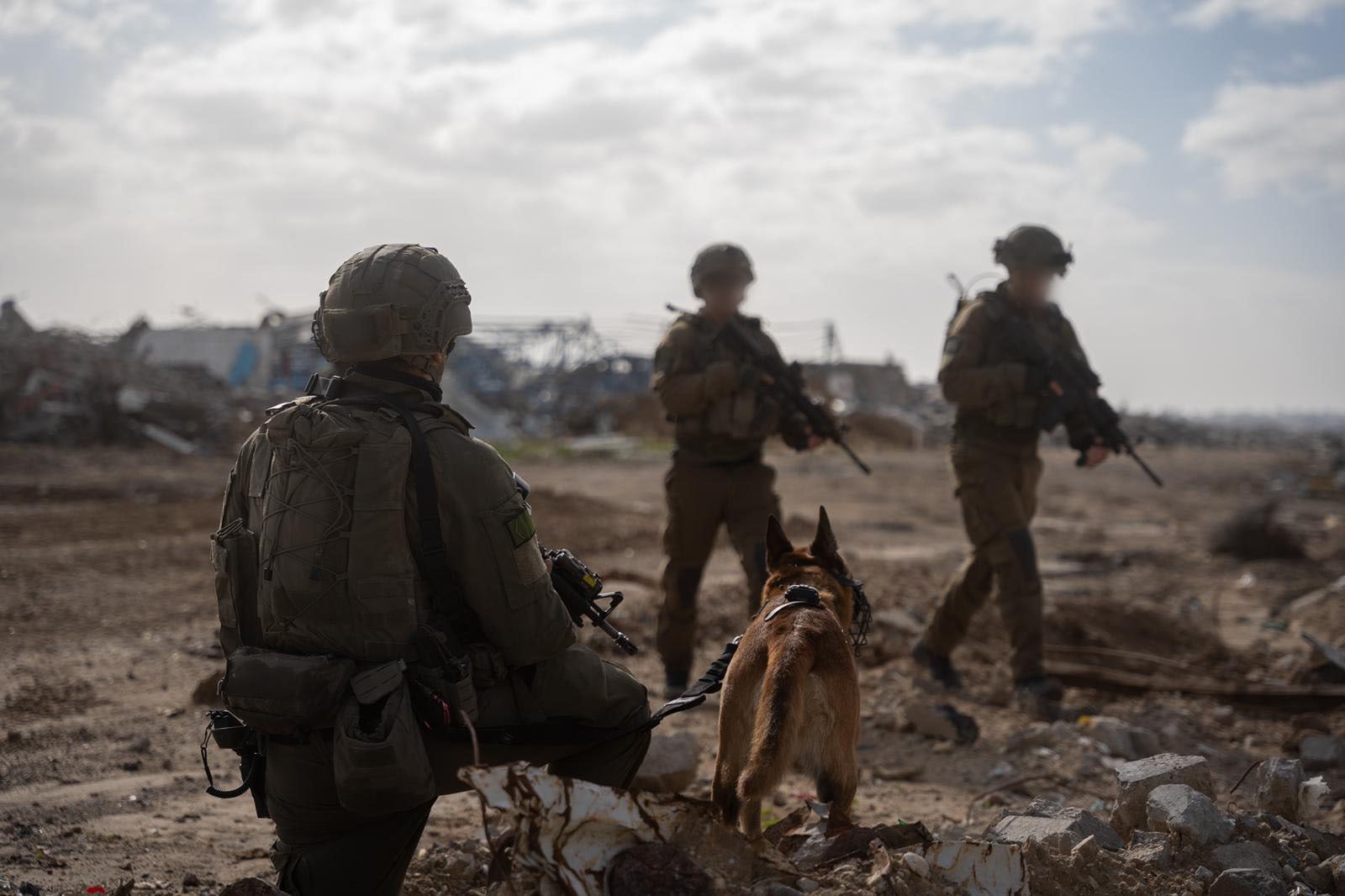
After protests, the IDF says it will not immediately reduce the number of days granted to reservists for personal matters and transition back to civilian life.
The drawdown in those days was announced as part of a broader reduction in reservist callups this year. The military said earlier this month that it would reduce the number of days reservists are required to serve under routine call-up orders — as opposed to emergency ones — from 72 to 55.
Of the 55 days in reserve duty, 42 would be dedicated to operational activity, with the remainder left for training, organization, and personal affairs.
The move has angered some, as previously, reservists were given more time for organizational purposes, with the number depending on how many days they’re called up for and which unit they’re in.
Earlier today, it was reported that hundreds of reservists signed a petition protesting the reduction in the days given for personal matters. The petition threatened to appeal to the High Court of Justice if the issue is not resolved.
The IDF issues a statement saying that Chief of Staff Lt. Gen. Eyal Zamir has decided that “the rights of reservists who have already been called up for service will not be harmed,” and that all of the personal affairs days to which the military committed will be honored.
However, the military says that from April, the new call-up policy, with the reduced personal affairs days, will be implemented.
Zamir “emphasized the unique and central contribution of reservists to the security of the State of Israel, and stressed that the IDF is committed to acting toward them with transparency, fairness, and responsibility, out of deep appreciation for their sacrifice and ongoing commitment to the security of the state,” the military says.
The IDF adds that it will “continue to act to ease the heavy burden placed on reserve combat soldiers, subject to the security reality and the required legislation.”








The Times of Israel Community.